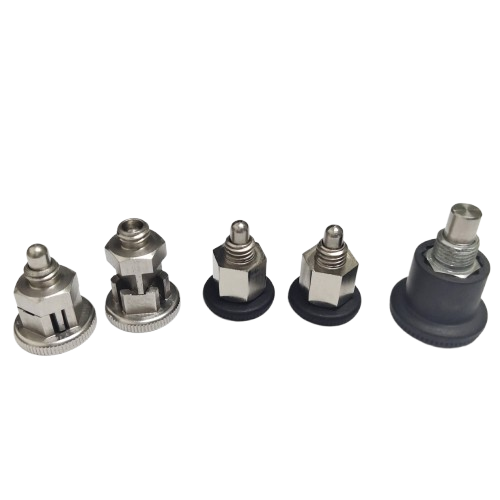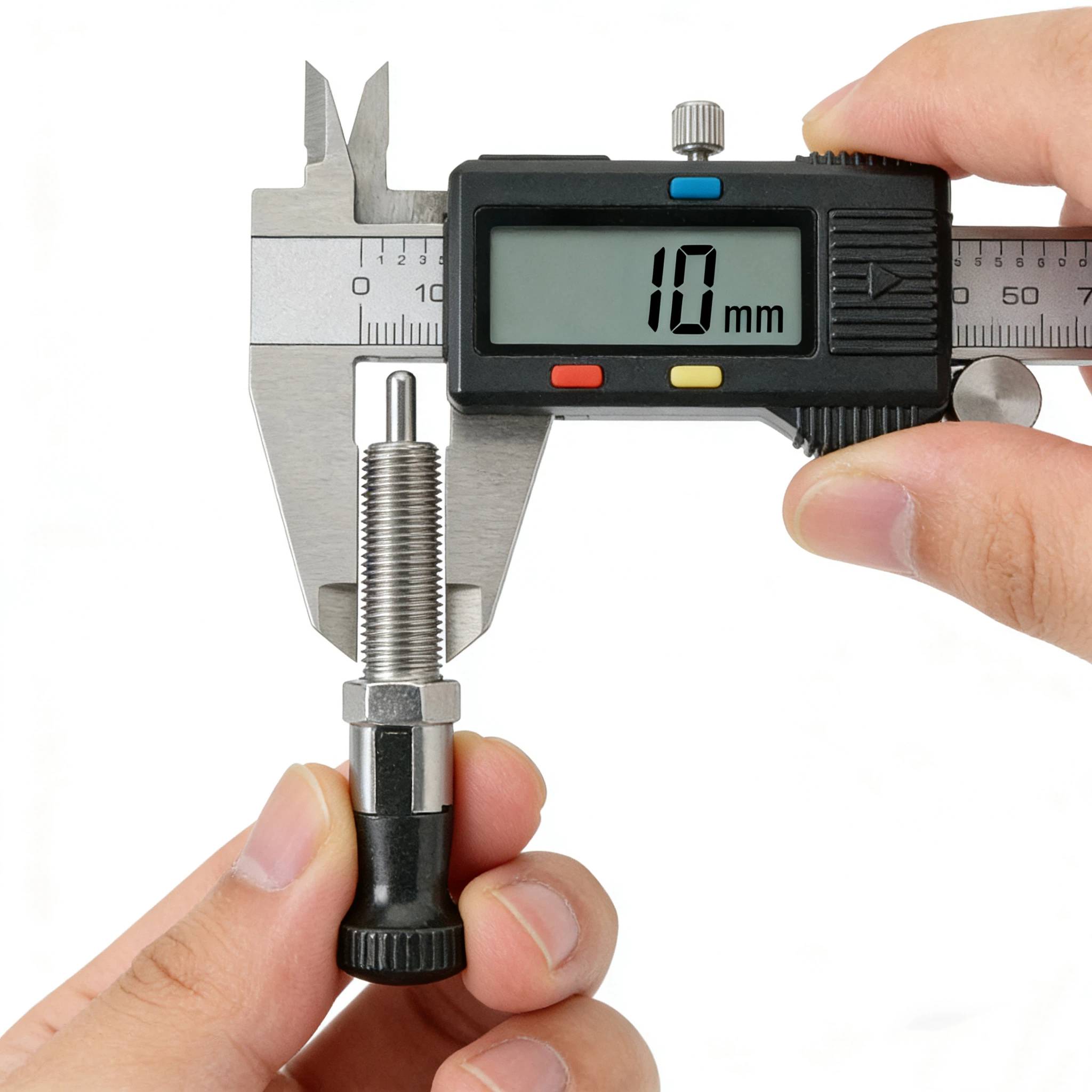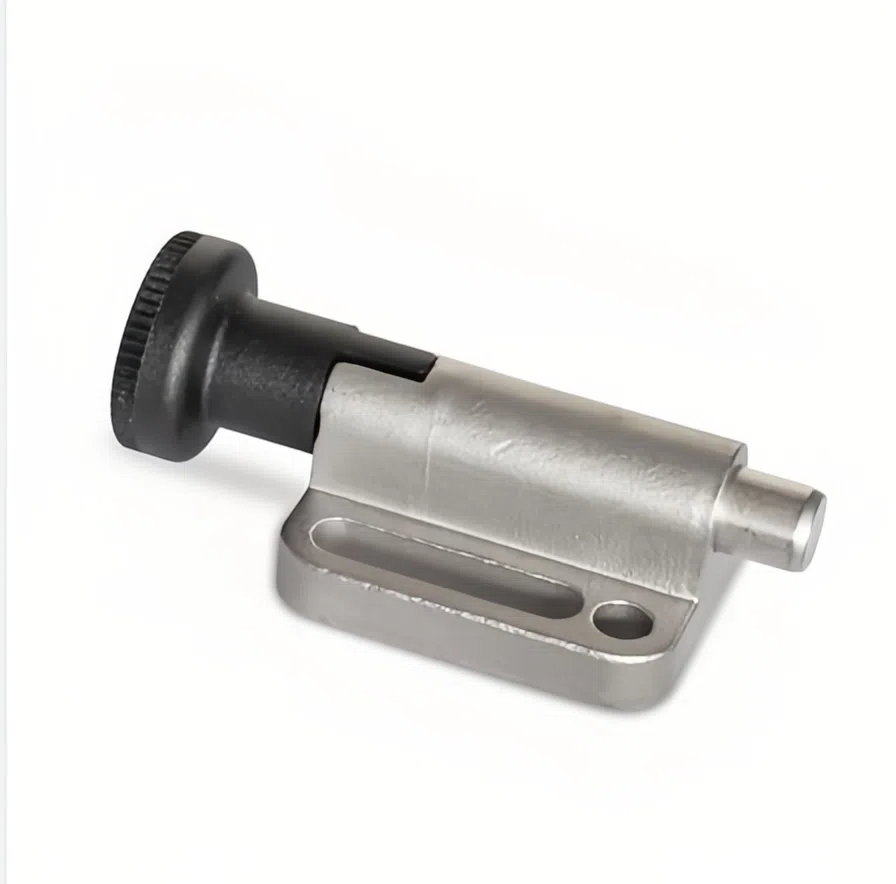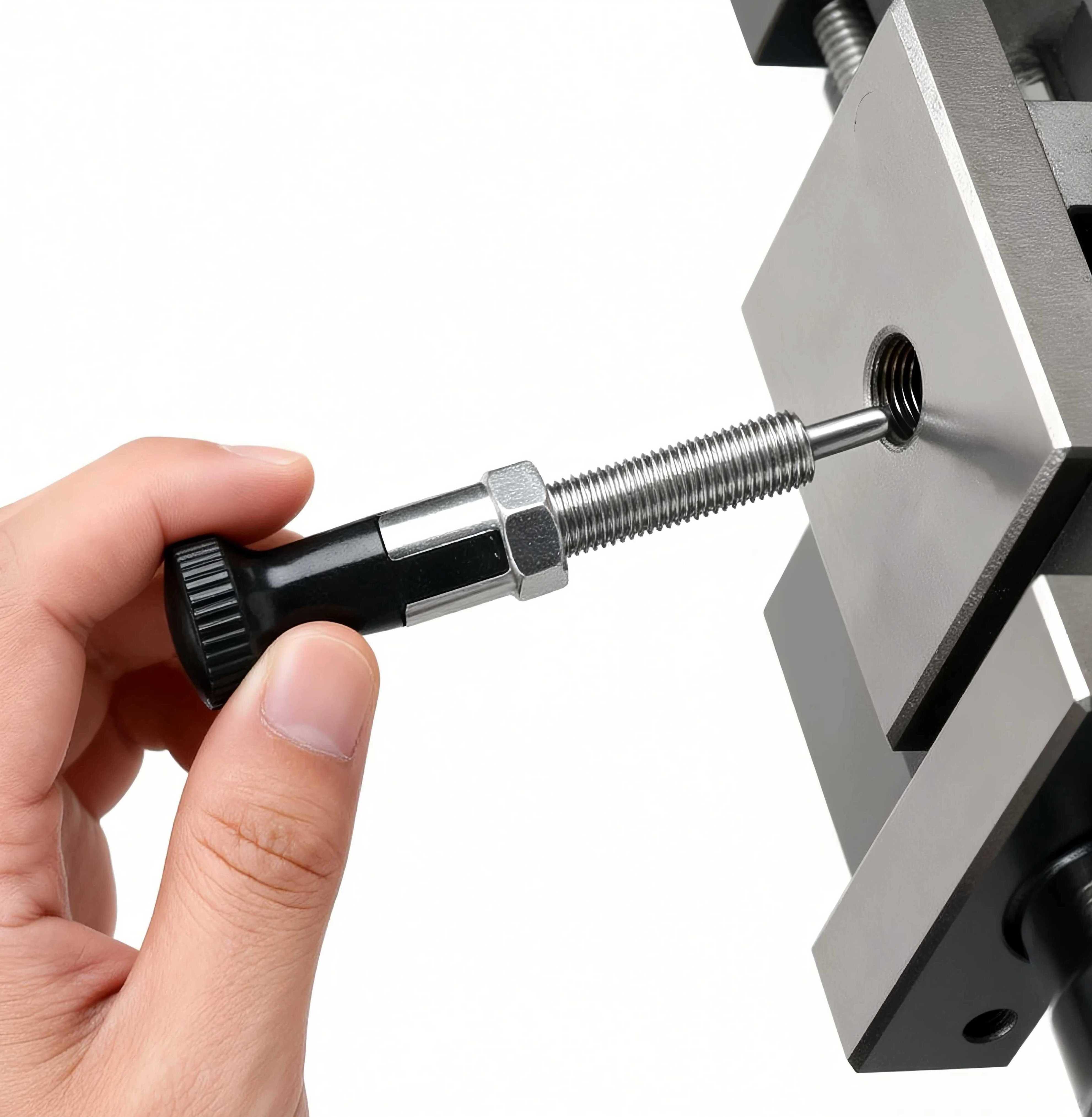
Does Carbon Steel Rust- Carbon Steel Indexing Plunger
Does Carbon Steel Rust – Carbon Steel Indexing Plunger by Mocayo
Understanding Carbon Steel's Corrosion Resistance
As one of the most widely used materials in industrial applications, carbon steel's resistance to rust plays a crucial role in determining the lifespan and reliability of mechanical components. So, does carbon steel rust? According to research conducted at the Mocayo Materials Laboratory, the answer is yes—carbon steel rusts primarily due to the electrochemical reaction between its iron content and environmental moisture and oxygen. Salt spray testing over 1000 hours revealed that untreated 1045 carbon steel began to show visible rust within just 72 hours in humid conditions.

However, there are several proven methods to significantly improve the rust resistance of carbon steel:
-
Surface Plating: Mocayo applies a hard chrome plating process that enhances corrosion resistance by 8–10 times.
-
Chemical Conversion Coating: Phosphating forms a porous protective film on the surface.
-
Alloying Elements: Adding small amounts of copper or chromium improves rust resistance at the material level.
Lab results show that professionally treated carbon steel components can last 3 to 5 years in standard industrial environments without rusting. Based on your application conditions, Mocayo offers professional consulting on rust-prevention strategies.
Professional Guidance on Indexing Plunger Material Selection
As a precision positioning component, the Indexing Plunger requires materials that balance strength, precision, and durability. Based on thousands of test cases, Mocayo’s engineering team recommends carbon steel indexing plungers as the most cost-effective solution for general industrial environments.
Three Key Advantages of Carbon Steel Indexing Plungers:
-
Superior Mechanical Properties: Heat-treated 1045 carbon steel reaches HRC50–55 in hardness.
-
Excellent Machinability: Capable of high-precision tolerances up to ±0.005mm.
-
Cost-Effectiveness: Up to 30–40% cheaper in material cost compared to stainless steel.
Caution: Avoid carbon steel indexing plungers in the following conditions:
-
Long-term exposure to acids or alkalis
-
Marine or high-salt environments
-
Food-grade or medical applications with strict hygiene requirements
For these environments, Mocayo also offers stainless steel or specially coated alternatives.
Why Choose Mocayo’s Carbon Steel Indexing Plunger
Mocayo’s Carbon Steel Indexing Plunger products are manufactured under strict ISO-compliant quality systems. Each unit undergoes 16 separate quality control processes, ensuring precision, durability, and reliability.
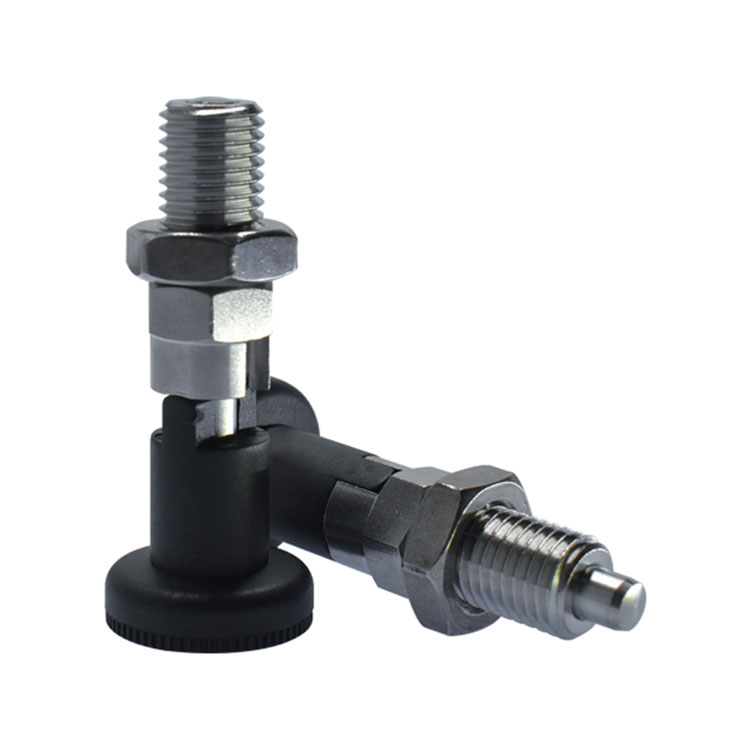

Core Product Specifications:
-
Material: Premium 1045/1060 carbon steel
-
Hardness: HRC40–60 (customizable)
-
Surface Treatment: Hard chrome plating (0.01–0.03mm)
-
Precision: ±0.005mm tolerance
-
Straightness: ≤0.01mm per 100mm
Comprehensive Quality Assurance:
-
Raw material spectral analysis
-
Full-process hardness testing
-
Salt spray corrosion test (starting from 72 hours)
-
CMM full-dimension inspection
Flexible Customization:
-
Non-standard sizes (Ø3–Ø50mm)
-
Special coatings (nickel plating, Dacromet, etc.)
-
Small-batch prototyping (within 3–5 business days)
So, does carbon steel rust? Yes—but with the right material treatment and processing, it becomes a robust, high-value choice for many applications. If you're looking for a high-performance indexing plunger with exceptional mechanical reliability and cost efficiency, Mocayo’s carbon steel indexing plungers are your ideal solution.
What Is 304 Stainless Steel-Stainless Steel Ball Lock Pin
What Are Metals-Mocayo Certified Material
Related Article