Does Stainless Steel Corrode? A Quick Release Pin Material Selection Guide
Does Stainless Steel Corrode? A Quick Release Pin Material Selection Guide
1. Understanding Stainless Steel’s Corrosion Resistance
Stainless steel is widely recognized as a key material in industrial manufacturing due to its excellent corrosion resistance. However, does stainless steel corrode under certain conditions? Understanding the anti-corrosion mechanism and potential corrosion factors is essential for selecting critical components such as quick release pins.
The corrosion resistance of stainless steel primarily stems from a dense chromium oxide passive film formed on its surface. This protective layer effectively isolates oxygen and moisture, preventing further oxidation of the base metal. Based on alloy composition, stainless steels are generally classified into three major categories: austenitic (such as 304 and 316), martensitic (such as 410), and ferritic (such as 430) stainless steels. Among them, 316 stainless steel, enhanced with molybdenum, offers outstanding resistance to chloride ion corrosion, making it particularly suitable for marine applications.
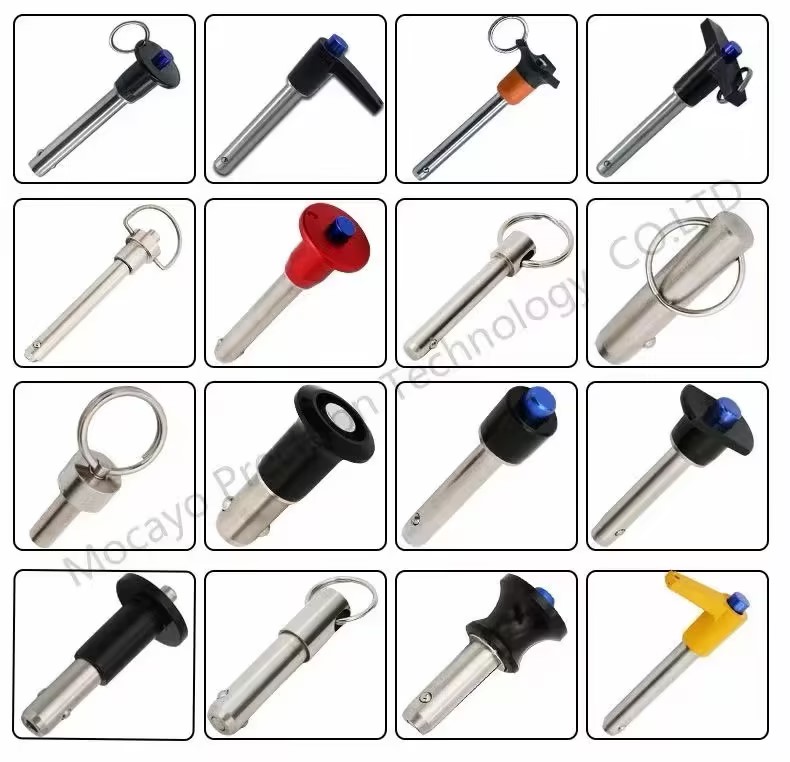
Nevertheless, does stainless steel corrode when exposed to certain harsh conditions? The answer is yes. Key risk factors include high-concentration chloride environments (such as coastal areas), extreme temperature fluctuations, mechanical damage that compromises the passive film, and galvanic corrosion caused by contact with dissimilar metals. For instance, 304 stainless steel may develop pitting corrosion when exposed to high-temperature acidic environments in chemical processing facilities.
2. Application of Quick Release Pins and Key Material Selection Considerations
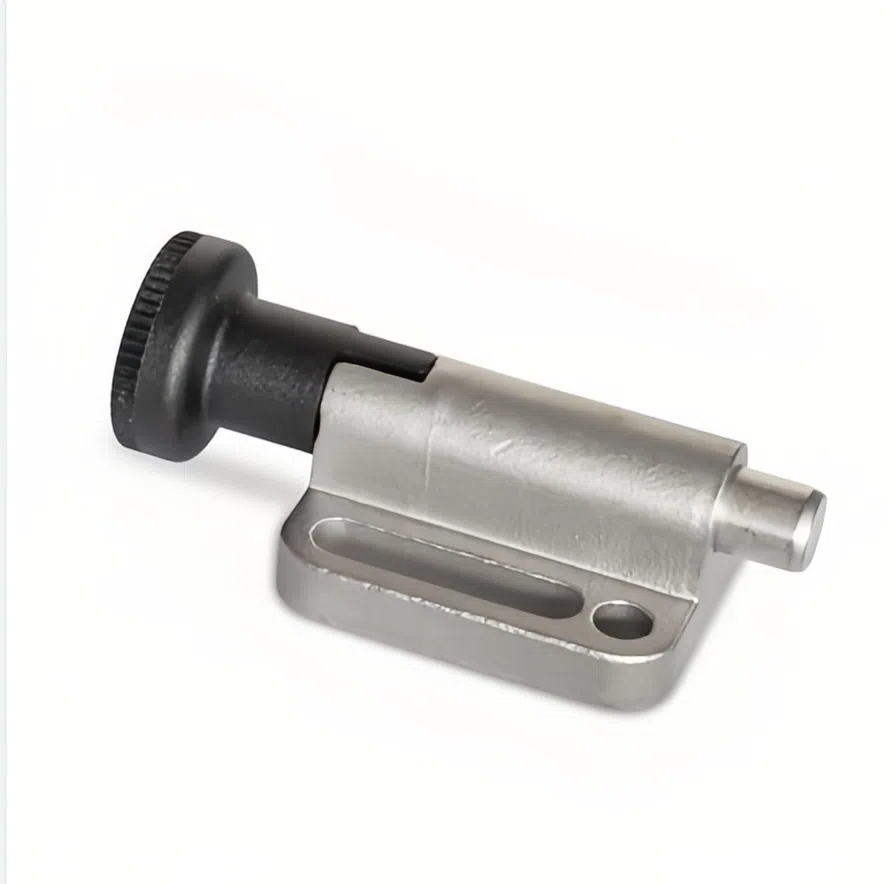
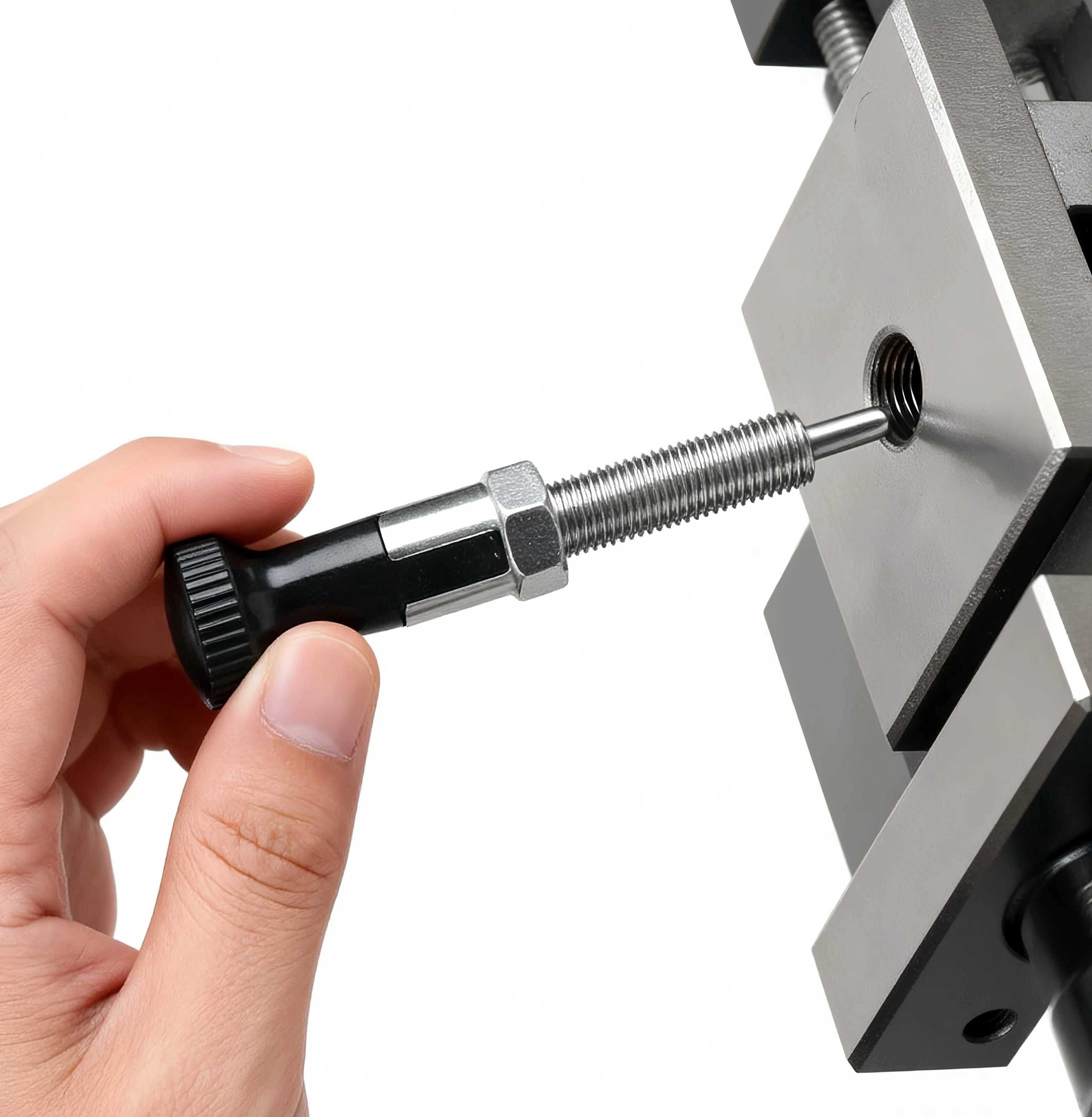
Quick release pins play a vital role in mechanical connections and positioning, directly affecting equipment reliability and maintenance efficiency. In industries such as automated production lines, mold positioning, and aerospace, quick release pins enable fast disassembly and precise alignment.
Due to their superior comprehensive properties, stainless steels are the ideal choice for manufacturing quick release pins. Compared with traditional carbon steels, stainless steel quick release pins offer three significant advantages: exceptional corrosion resistance for longer service life, excellent mechanical strength to meet various load demands, and an aesthetically pleasing finish that enhances overall equipment quality. Especially in sectors like food processing and medical devices, where hygiene standards are stringent, stainless steel quick release pins are indispensable.
When selecting the appropriate material for quick release pins, engineers must consider several factors: the corrosion severity of the operating environment, mechanical load requirements, operating temperature range, and the need for frequent disassembly operations. For example, in harsh offshore environments, 316 stainless steel quick release pins are highly recommended; whereas for general industrial applications, cost-effective 304 stainless steel options are often sufficient.
3. Mocayo’s High-Quality Stainless Steel Quick Release Pin Recommendations
As a professional fastening solutions provider, we at Mocayo have developed a full range of stainless steel quick release pins to address various connection and positioning challenges across industries.
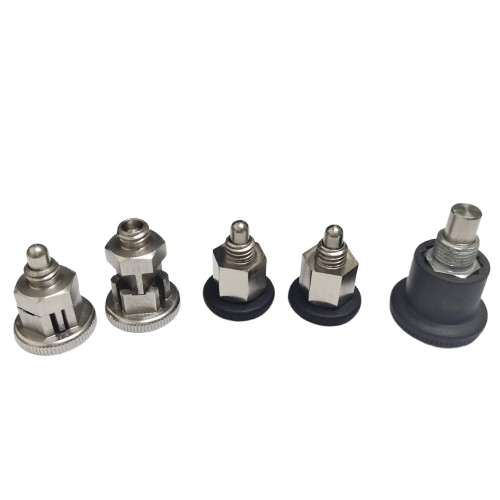
Our Detent Pins made from 316 stainless steel are manufactured using imported specialty steels and certified by TÜV Rheinland standards. Enhanced with 2–3% molybdenum content, these pins exhibit outstanding performance in salt spray tests, achieving corrosion resistance more than three times higher than that of standard 304 stainless steel. Typical applications include seawater desalination systems and chemical piping installations.
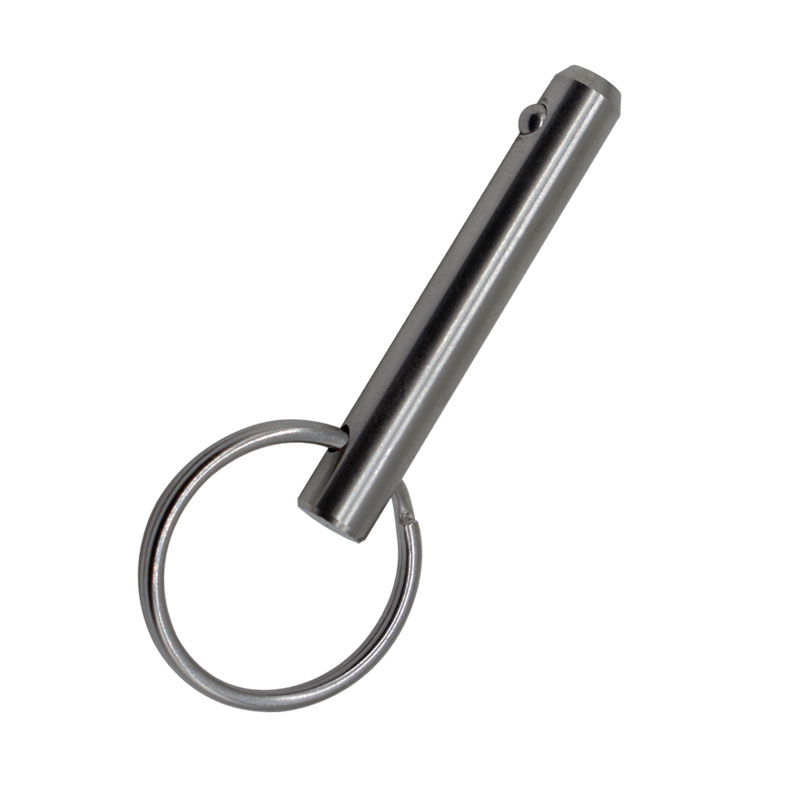
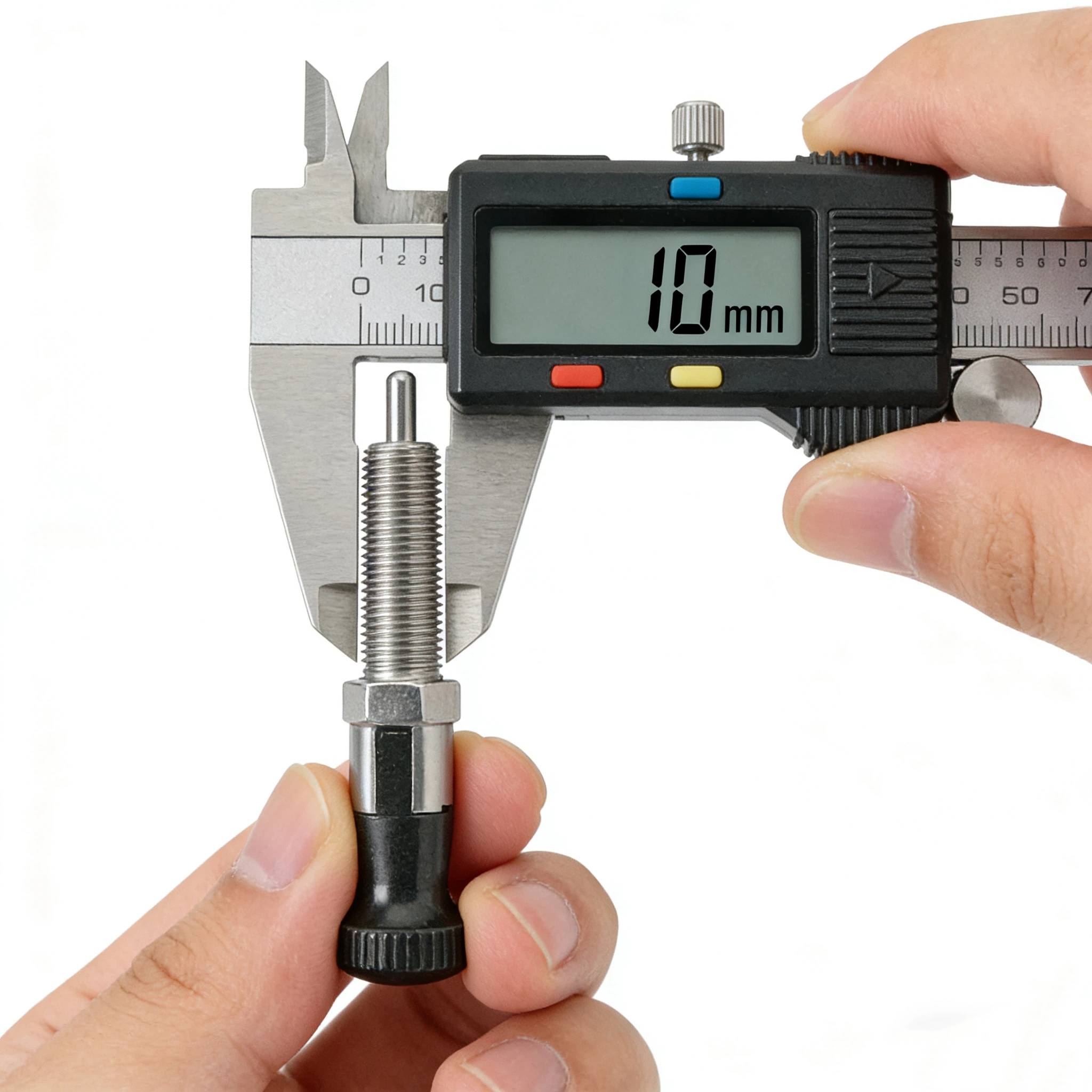
For general industrial use, we recommend our economical 304 stainless steel quick release pin MOX series. These products comply with ISO 8752 standards and offer complete size ranges from 3mm to 20mm. Notably, through a specialized heat treatment process, we have increased their tensile strength to over 700 MPa while maintaining excellent ductility.
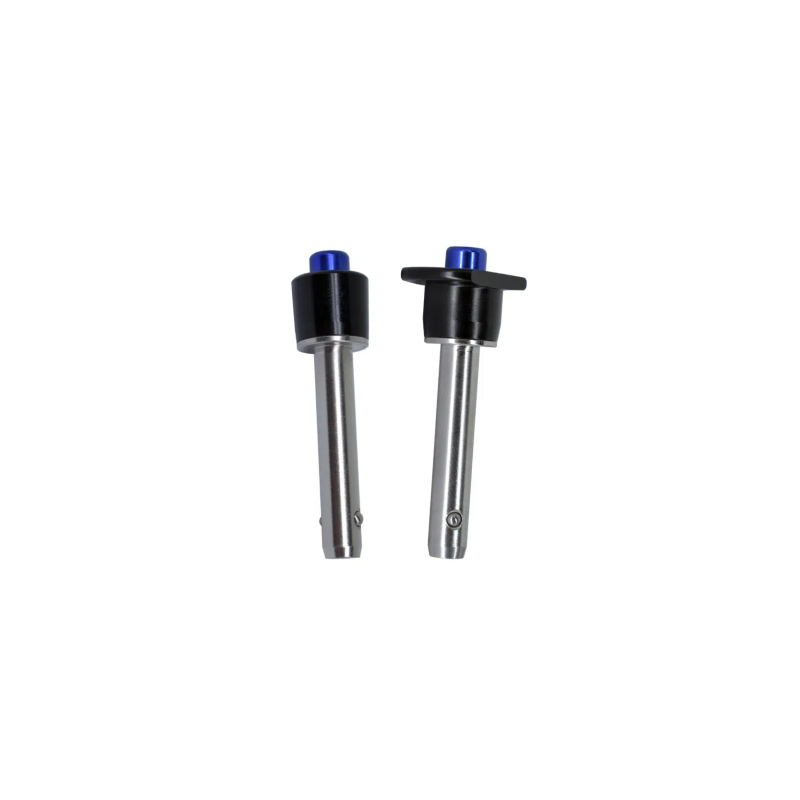
For high-wear environments, we have developed surface-hardened quick release pins. Using advanced PVD coating technology, we apply a 5–8μm titanium nitride layer to the surface, achieving surface hardness exceeding HRC 80. One automotive manufacturing client reported that by switching to our surface-enhanced pins, the mold positioning pin replacement cycle extended from three months to over one year.
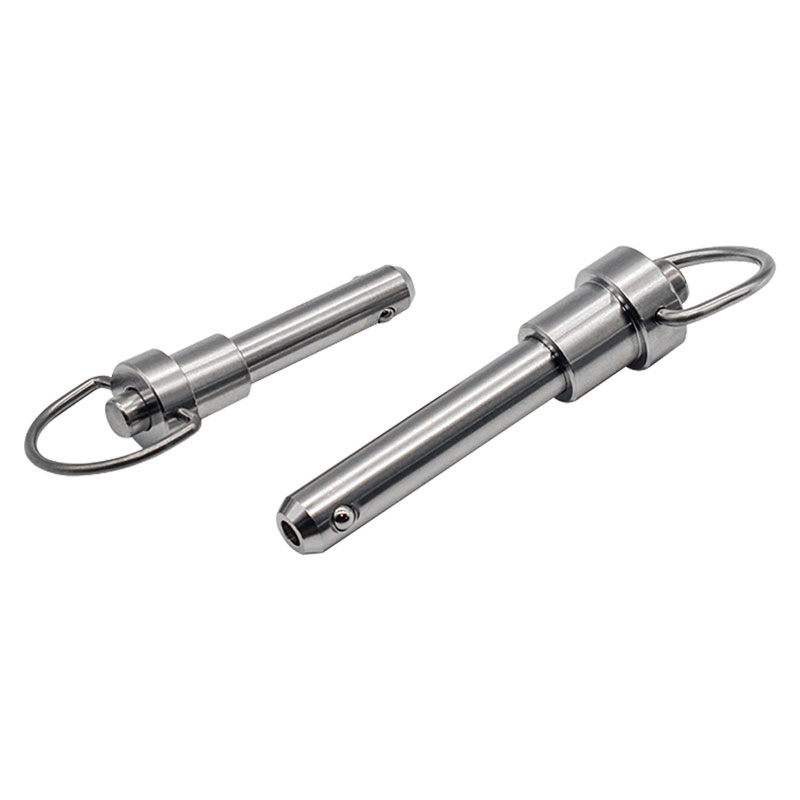
4. How to Properly Select and Maintain Stainless Steel Quick Release Pins
To ensure optimal performance of quick release pins, we recommend following a scientific selection process. First, accurately assess the corrosion severity of the intended environment—salt spray test data can serve as a useful reference. Second, precisely calculate the load requirements, including both shear and axial forces. Lastly, consider installation space constraints and select appropriate head styles and locking mechanisms.
Regarding maintenance, we suggest three best practices:
-
Avoid using hard materials such as wire brushes for cleaning, as they may damage the passive protective film.
-
Regularly inspect the pin surfaces and promptly address any signs of rust.
-
In extreme environments, consider applying specialized stainless steel lubricants to reduce friction and further enhance corrosion resistance.
By understanding does stainless steel corrode and applying these principles carefully, users can maximize the service life and performance of stainless steel quick release pins.
Does Stainless Steel Corrode?Proper grade selection and maintenance prevent rust. Learn how to protect stainless steel from corrosion today!
Types of Indexing Plunger Threads And Materials
What Is A Cnc Milling Machine-Core Technologies and Customized CNC Parts Solutions
Related Article