Ensures safe Locking Of Car Lifts: Reliable Support Of Ball Locking Pins
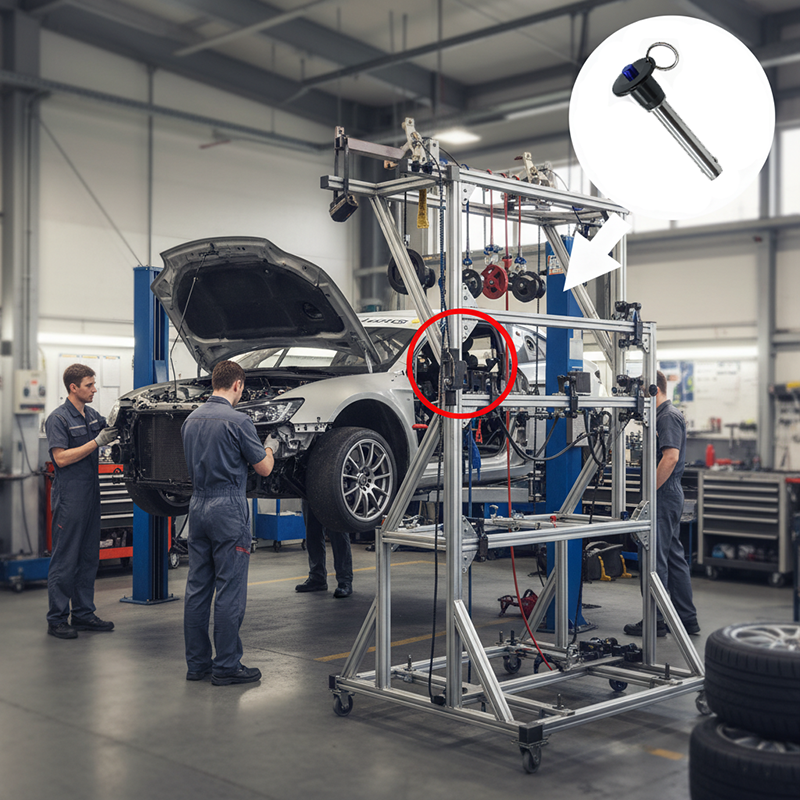
Ensures Safe Locking Of Car Lifts: Reliable Support Of Ball Locking Pins
Table of Contents
--------------The Critical Role of the Ball Locking Pin's Locking Function
Safety Requirements for Automotive Lift Operations
In automotive repair workshops, the safe elevation of vehicles weighing several tons is a fundamental prerequisite for all maintenance operations. The reliability of the lifting and locking system is paramount, directly impacting technician safety and repair quality. The core requirement lies in a locking mechanism that is not only robust but also failsafe against accidental release, particularly in high-vibration environments.
The Ball Locking Pin's Secure Locking Function
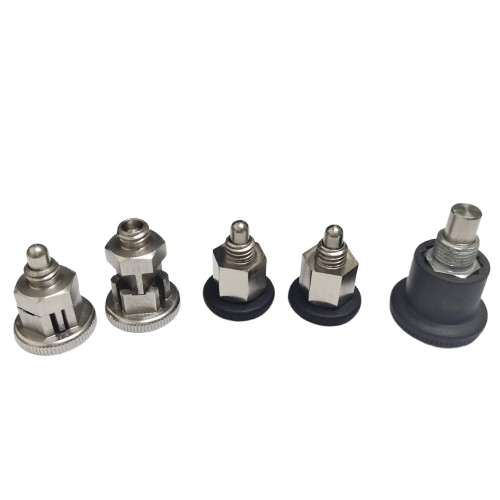
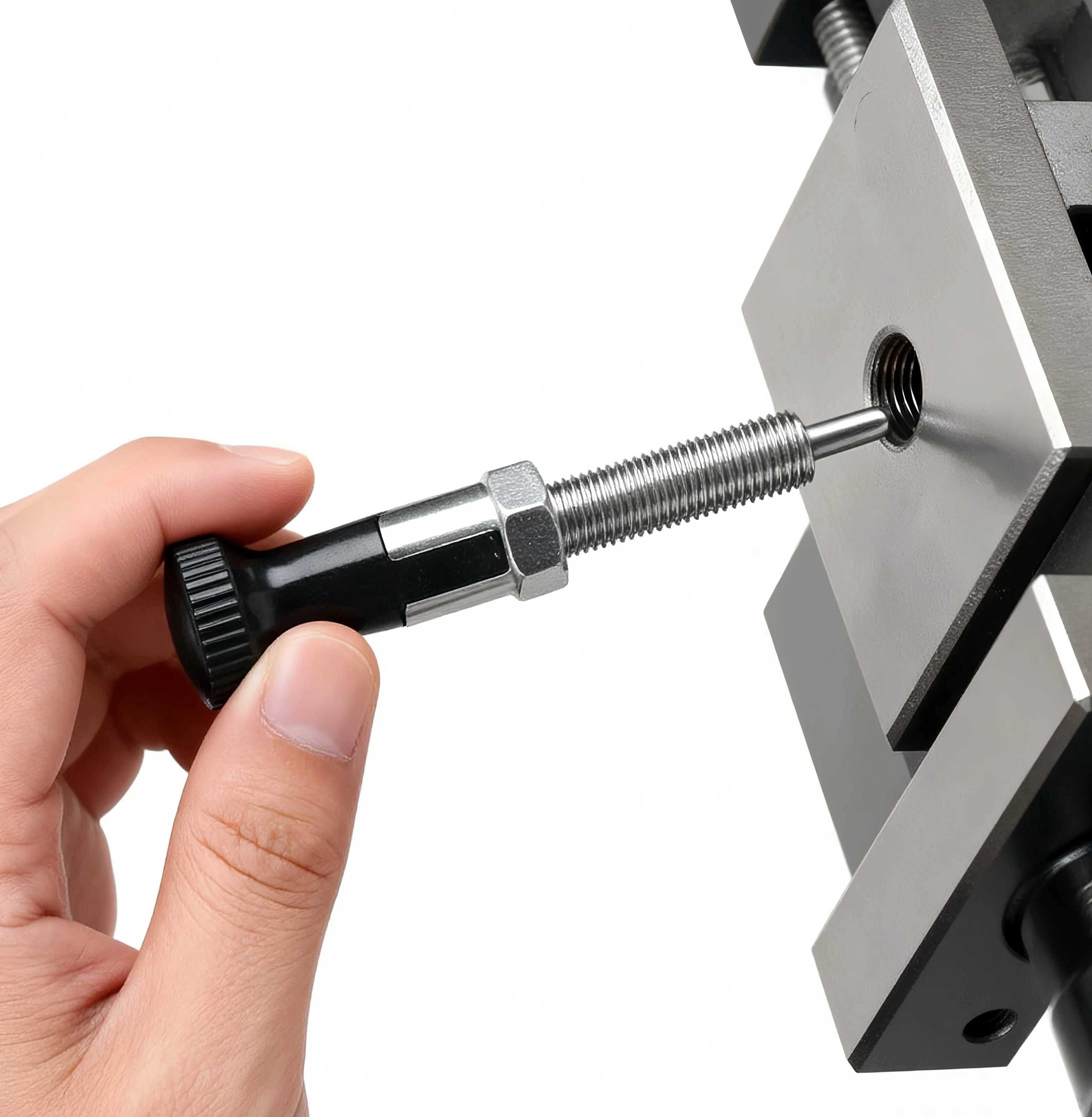
The ball locking pin utilizes an internal spring mechanism that forces precision steel balls to extend outward, creating a positive lock when inserted into a corresponding receptacle or hole on the lift arm or bracket. This action provides an immediate and secure engagement. The design ensures that operational vibrations cannot dislodge the pin accidentally, offering crucial passive safety protection. A distinct audible or tactile "click" often confirms successful locking, providing clear feedback to the operator.
Application in Vehicle Lift Systems
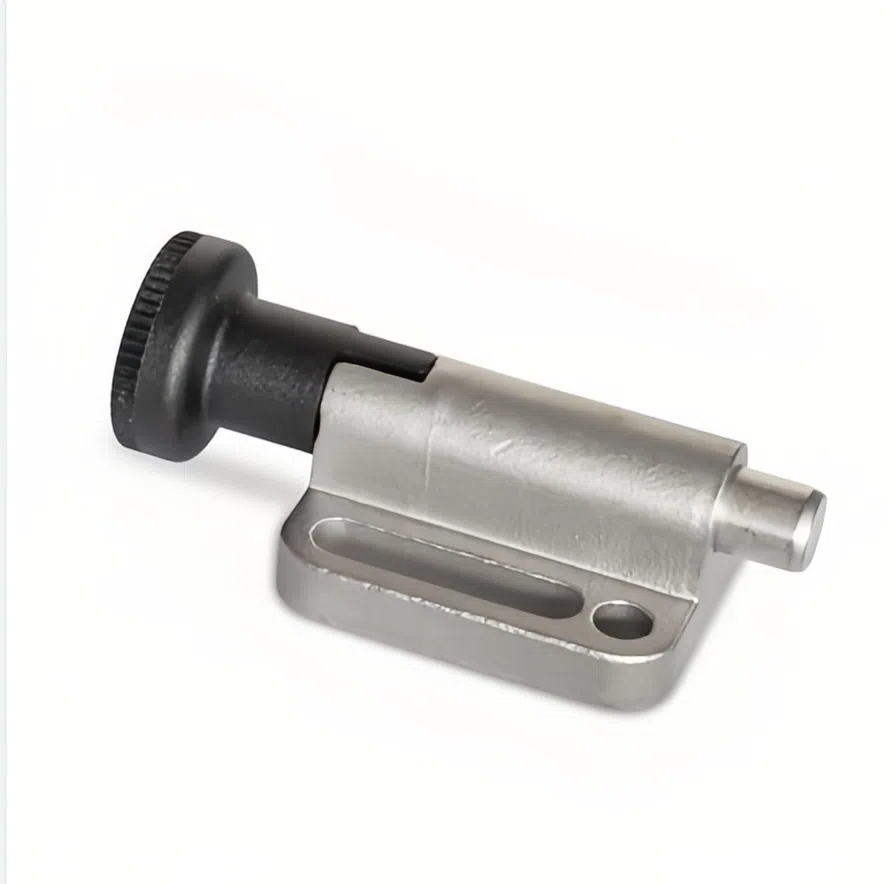
Integrated into the lift's locking assembly, the ball locking pin secures the lift arms or carriage at the desired height. This prevents any dangerous descent during work. Its quick-insertion and release capability, often tool-free, streamlines the lifting process while maintaining the highest safety standards. The pin's durable construction ensures long-term reliability under frequent, heavy-load cycles, making it an indispensable component for modern automotive lifts

FAQ
Question 1:
How does the ball locking pin's design prevent accidental release under vibrational loads?
Answer:
Its spring-loaded balls maintain constant outward pressure, creating a firm mechanical lock that vibrations cannot overcome. The design ensures positive engagement until manual release.
Question 2:
What materials are used for heavy-duty ball locking pins?
Answer:
Alloy steel bodies (heat-treated) with chrome steel/tungsten carbide balls. Surface treatments like zinc plating prevent corrosion, ensuring strength and durability.
Question 3:
What are key inspection points for safety?
Answer:
-
Check for bending or wear.
-
Ensure smooth ball movement and positive "click" locking.
-
Keep pins clean and lightly lubricated.
Replace any damaged pins immediately.
Built For Speed: The Key Role Of Ball Locking Pins In Rapid Race Car Repairs
Quick Release Pins For Medical Equipment
Related Article