Ensures Secure Highway Towing: The Critical Role of Ball Locking Pins in Trailer Connections
author: Fiona Yang
2025-10-10
Ensures Secure Highway Towing: The Critical Role of Ball Locking Pins in Trailer Connections
Table of Contents
--------------Vibration-Proof Locking for Road Safety
The Demand for Reliability in Towing Applications
In the transportation and towing industry, the secure connection between a vehicle and its trailer is fundamental to road safety. With trailers carrying valuable cargo or equipment over long distances and varying road conditions, the reliability of the locking mechanism is paramount. The core requirement is a connection system that remains securely locked under continuous vibration and dynamic loads, while still allowing for efficient coupling and uncoupling.
In the transportation and towing industry, the secure connection between a vehicle and its trailer is fundamental to road safety. With trailers carrying valuable cargo or equipment over long distances and varying road conditions, the reliability of the locking mechanism is paramount. The core requirement is a connection system that remains securely locked under continuous vibration and dynamic loads, while still allowing for efficient coupling and uncoupling.
The Ball Locking Pin's Secure Locking Function
The ball locking pin provides an optimal solution through its spring-loaded mechanism that drives precision steel balls outward to create a positive, automatic lock when inserted. This design ensures immediate and secure engagement that effectively resists highway vibrations and shock loads. The distinct "click" upon locking provides clear audible and tactile confirmation to the operator that the connection is secure. The quick-release feature allows for effortless disconnection when needed, without requiring additional tools.
The ball locking pin provides an optimal solution through its spring-loaded mechanism that drives precision steel balls outward to create a positive, automatic lock when inserted. This design ensures immediate and secure engagement that effectively resists highway vibrations and shock loads. The distinct "click" upon locking provides clear audible and tactile confirmation to the operator that the connection is secure. The quick-release feature allows for effortless disconnection when needed, without requiring additional tools.
Application in Trailer and Towing Systems
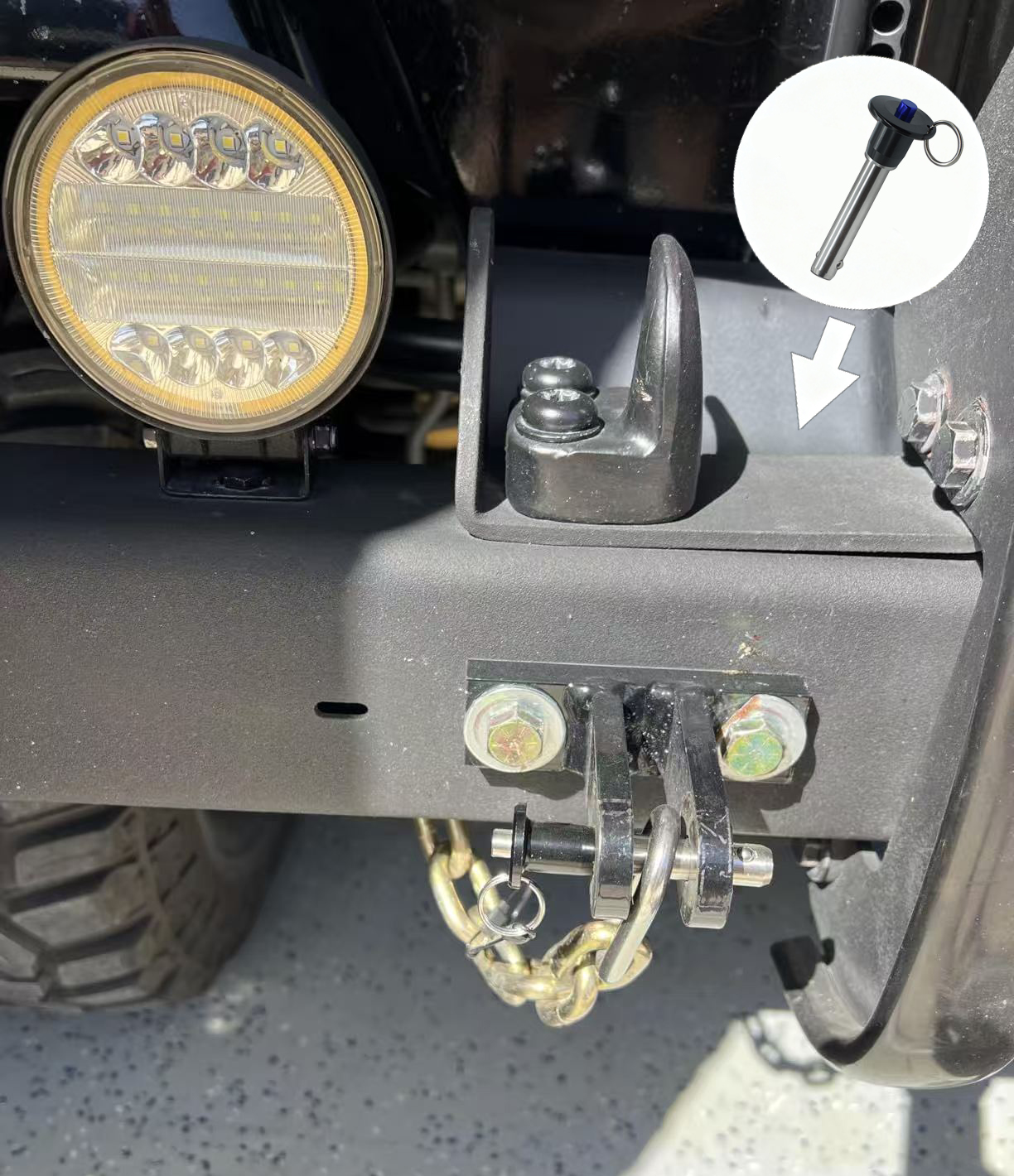
Integrated into trailer hitch systems, fifth-wheel connections, and accessory mounting points, ball locking pins secure critical components throughout the towing assembly. They are particularly valuable in securing safety chain points, stabilizer bar connections, and removable trailer components. Their robust construction ensures reliable performance even after repeated use in demanding outdoor environments, while the corrosion-resistant finishes withstand exposure to weather elements. This combination of security and convenience makes them an essential component for professional towing operations and recreational applications alike.
Integrated into trailer hitch systems, fifth-wheel connections, and accessory mounting points, ball locking pins secure critical components throughout the towing assembly. They are particularly valuable in securing safety chain points, stabilizer bar connections, and removable trailer components. Their robust construction ensures reliable performance even after repeated use in demanding outdoor environments, while the corrosion-resistant finishes withstand exposure to weather elements. This combination of security and convenience makes them an essential component for professional towing operations and recreational applications alike.


FAQ
Question 1:
How does the ball locking pin prevent accidental release during highway towing?
Answer:
The constant spring pressure on the locking balls maintains a positive mechanical lock that highway vibrations cannot overcome, ensuring the connection remains secure throughout the journey.
How does the ball locking pin prevent accidental release during highway towing?
Answer:
The constant spring pressure on the locking balls maintains a positive mechanical lock that highway vibrations cannot overcome, ensuring the connection remains secure throughout the journey.
Question 2:
What materials are used for ball locking pins in towing applications?
Answer:
Heat-treated alloy steel bodies with chrome steel balls provide the necessary strength, while zinc plating or other corrosion-resistant coatings protect against outdoor elements.
What materials are used for ball locking pins in towing applications?
Answer:
Heat-treated alloy steel bodies with chrome steel balls provide the necessary strength, while zinc plating or other corrosion-resistant coatings protect against outdoor elements.
Question 3:
What regular maintenance ensures continued reliability?
Answer:
Monthly visual inspections for wear, verification of smooth ball movement, and keeping the mechanism clean of debris. Regular light lubrication of the spring mechanism is recommended, with immediate replacement of any pin showing signs of damage or inconsistent locking.
What regular maintenance ensures continued reliability?
Answer:
Monthly visual inspections for wear, verification of smooth ball movement, and keeping the mechanism clean of debris. Regular light lubrication of the spring mechanism is recommended, with immediate replacement of any pin showing signs of damage or inconsistent locking.
Ball Plunger Mechanism
Spring Plunger Locking Mechanism
Related Article
Explore the application of stainless steel materials for customizing mini indexing plungers based on specific operational environments and suitable spaces.
How To Make A Mini Indexing Plunger
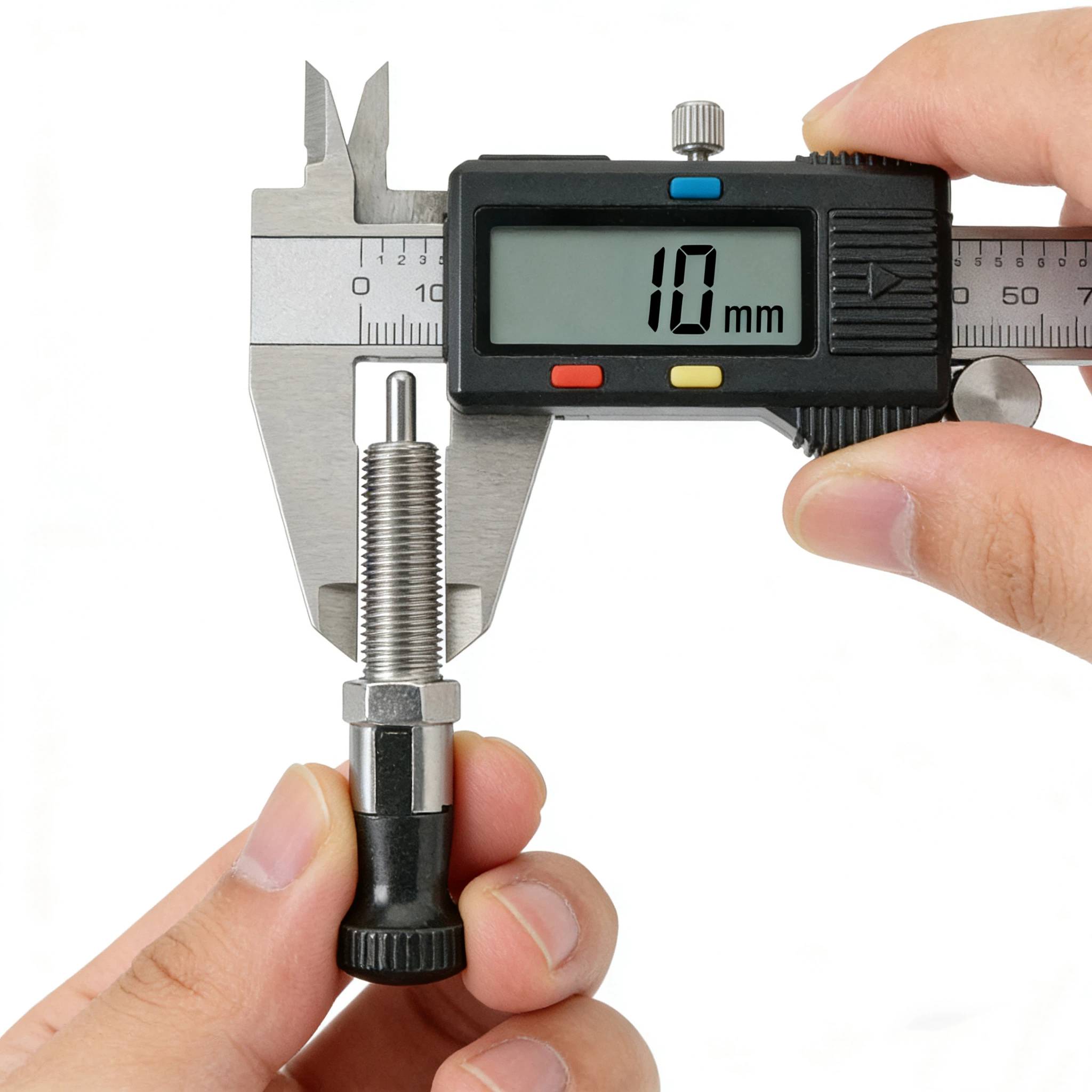
Discover how to choose correct size for indexing elements with confidence. Get precise recommendations that improve positioning accuracy, durability, and overall system performance.
How To Choose Correct Size For Indexing Elements