Ensures Secure Seating for Mobility Aid Users: The Vital Role of Quick Release Pins in Assistive Walkers
author: Fiona Yang
2025-10-13
Ensures Secure Seating for Mobility Aid Users: The Vital Role of Quick Release Pins in Assistive Walkers
Table of Contents
--------------Reliable Locking for Patient Safety
The Need for Stability and Security in Mobility Assistance
In the design of rollators and assistive walkers with seating functions, user safety is the paramount concern. These devices must provide unwavering stability during both mobility and rest phases, particularly for elderly users and those in rehabilitation. The critical requirement is a locking mechanism that ensures the seating surface remains securely deployed when in use, while still allowing easy adjustment - a feature directly impacting user confidence and fall prevention.
In the design of rollators and assistive walkers with seating functions, user safety is the paramount concern. These devices must provide unwavering stability during both mobility and rest phases, particularly for elderly users and those in rehabilitation. The critical requirement is a locking mechanism that ensures the seating surface remains securely deployed when in use, while still allowing easy adjustment - a feature directly impacting user confidence and fall prevention.
The Quick Release Pin's Safety-Assured Function
The quick release pins addresses this essential need through its spring-actuated mechanism that drives precision steel balls outward, creating a definitive lock when engaged in the walker's frame receptacles. This positive engagement prevents accidental folding of the seating surface during use. The distinct audible "click" provides clear confirmation to users that the seat is securely locked, while the tool-free operation enables effortless height adjustment and seat deployment without straining limited mobility.
The quick release pins addresses this essential need through its spring-actuated mechanism that drives precision steel balls outward, creating a definitive lock when engaged in the walker's frame receptacles. This positive engagement prevents accidental folding of the seating surface during use. The distinct audible "click" provides clear confirmation to users that the seat is securely locked, while the tool-free operation enables effortless height adjustment and seat deployment without straining limited mobility.
Application in Assistive Walker Systems
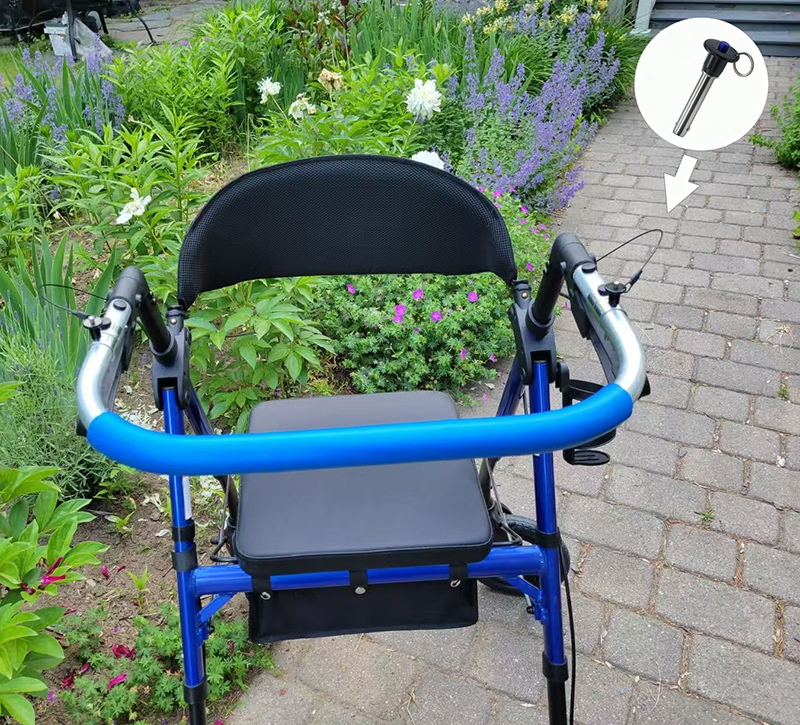
Integrated into the height adjustment mechanisms and seat support structures of modern rollators, quick release pins secure both the walking frame's stability and the seating surface's reliability. Their quick-connect functionality allows caregivers to easily customize walker height, while ensuring the seat remains firmly locked when deployed for rest periods. The corrosion-resistant construction and smooth operation make this component indispensable for mobility aids requiring daily reliability.
Integrated into the height adjustment mechanisms and seat support structures of modern rollators, quick release pins secure both the walking frame's stability and the seating surface's reliability. Their quick-connect functionality allows caregivers to easily customize walker height, while ensuring the seat remains firmly locked when deployed for rest periods. The corrosion-resistant construction and smooth operation make this component indispensable for mobility aids requiring daily reliability.


FAQ
Question 1:
How does the quick release pins prevent accidental seat collapse?
Answer:
The spring-loaded balls maintain constant outward pressure, creating a positive mechanical lock that prevents disengagement until manually released, ensuring seating surfaces remain secure during use.
How does the quick release pins prevent accidental seat collapse?
Answer:
The spring-loaded balls maintain constant outward pressure, creating a positive mechanical lock that prevents disengagement until manually released, ensuring seating surfaces remain secure during use.
Question 2:
What materials are suitable for medical mobility applications?
Answer:
Medical-grade stainless steel or anodized aluminum bodies with precision chrome steel balls provide the ideal combination of corrosion resistance, strength, and smooth operation for daily use.
What materials are suitable for medical mobility applications?
Answer:
Medical-grade stainless steel or anodized aluminum bodies with precision chrome steel balls provide the ideal combination of corrosion resistance, strength, and smooth operation for daily use.
Question 3:
What maintenance ensures long-term reliability?
Answer:
Monthly inspection for smooth ball movement, verification of positive locking feedback, and keeping mechanisms clean of dust and debris. Immediate replacement if any sticking or wear is detected.
What maintenance ensures long-term reliability?
Answer:
Monthly inspection for smooth ball movement, verification of positive locking feedback, and keeping mechanisms clean of dust and debris. Immediate replacement if any sticking or wear is detected.
Locking Pin Mechanism
Ball Plunger Mechanism
Related Article
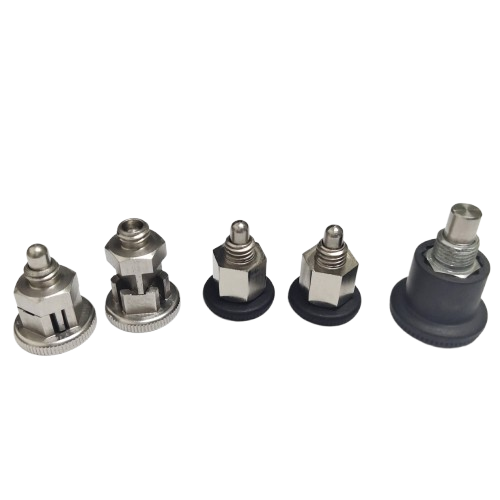
Explore the application of stainless steel materials for customizing mini indexing plungers based on specific operational environments and suitable spaces.
How To Make A Mini Indexing Plunger
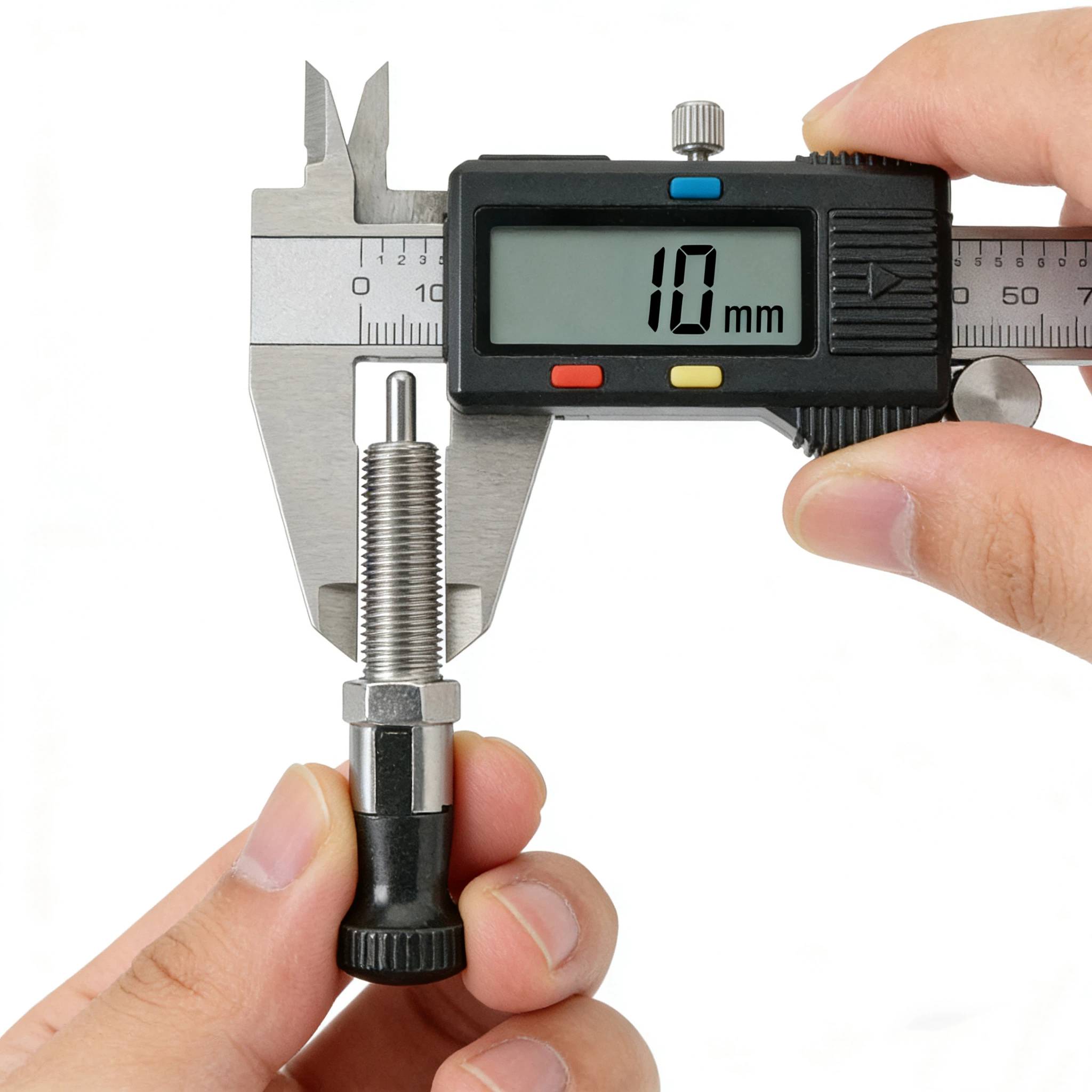
Discover how to choose correct size for indexing elements with confidence. Get precise recommendations that improve positioning accuracy, durability, and overall system performance.
How To Choose Correct Size For Indexing Elements