what is a fastener
author: li
2025-02-18
What Is a Fastener: An In - Depth Look
In the world of manufacturing, construction, and even DIY projects, fasteners are everywhere. But what exactly is a fastener? A fastener is a hardware device that mechanically joins or affixes two or more objects together. It plays a crucial role in ensuring the integrity and functionality of countless structures and products.
Types of Fasteners
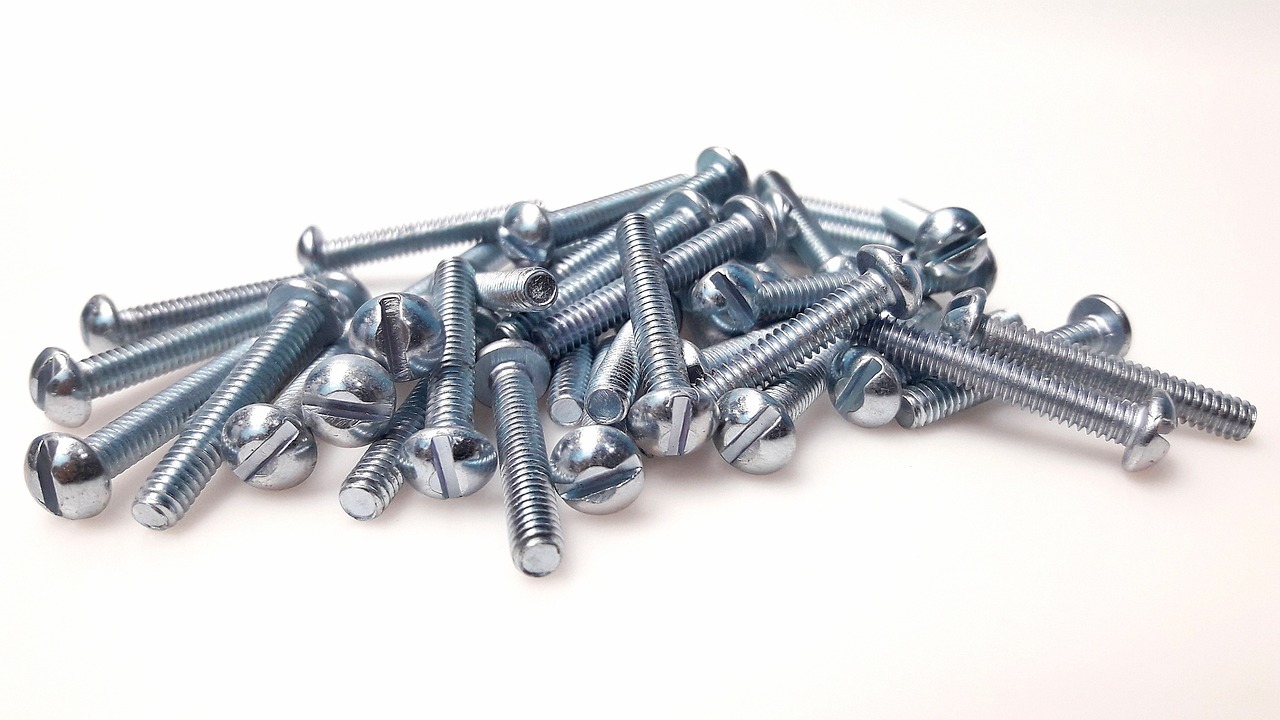
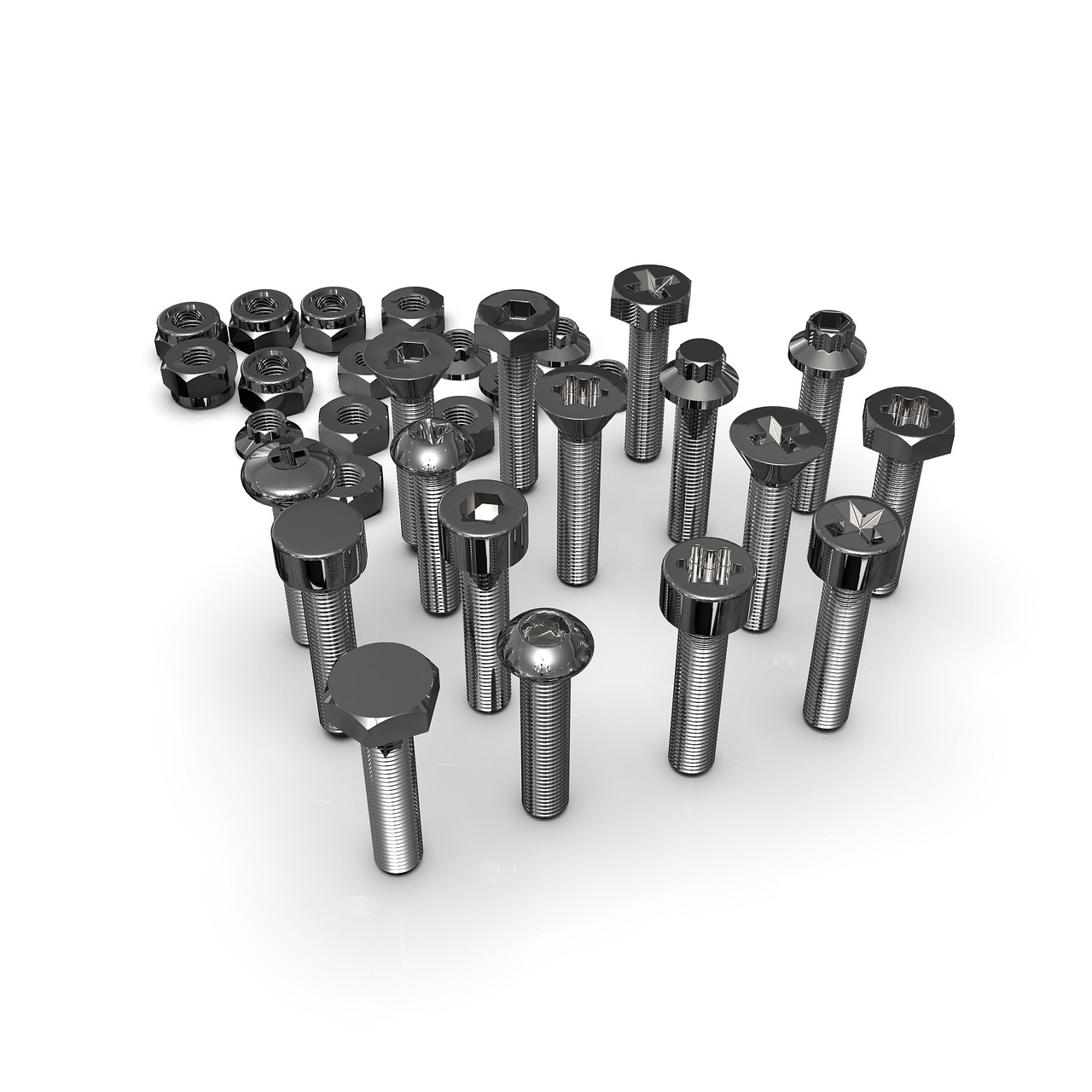
- Screws:One of the most common types of fasteners. Screws have a helical ridge, or thread, around a cylindrical shaft. They are inserted into pre - drilled holes and tightened using a screwdriver. Different types of screws, such as wood screws, machine screws, and self - tapping screws, are designed for specific applications. For example, wood screws are used to join pieces of wood, while machine screws are often used in machinery and metalwork.
-
- Bolts and Nuts: Bolts are similar to screws but usually have a hexagonal head. They are inserted through holes in the objects to be joined and then secured with a nut, which is a small, threaded metal piece. This combination provides a strong and reliable connection, often used in heavy - duty applications like construction and automotive manufacturing.
- Rivets: Rivets are permanent fasteners. They are made of a metal shaft with a head at one end. The rivet is inserted through holes in the materials being joined, and then the other end is deformed (usually by hammering or using a rivet gun) to create a second head, clamping the materials together. Rivets are commonly used in aircraft construction, sheet metal work, and some types of furniture.
-


- Washers: Although washers may seem like a small and simple component, they are an important part of the fastener family. Washers are thin, flat discs with a hole in the center. They are placed under the head of a screw, bolt, or nut. Their main functions are to distribute the load, prevent the fastener from damaging the surface of the joined materials, and provide additional friction to prevent loosening.
The Function of Fasteners
Fasteners serve several key functions. Firstly, they provide mechanical stability. In a building, for example, bolts and screws hold together the structural components, ensuring that the building can withstand various forces such as wind, gravity, and seismic activity. Secondly, fasteners allow for disassembly. This is important in many applications, such as in machinery maintenance. Mechanics can easily remove bolts and nuts to access and repair internal components, and then reassemble the machine using the same fasteners. Finally, fasteners contribute to the overall safety of products and structures. A well - fastened connection reduces the risk of parts coming apart during operation, which could lead to accidents or malfunctions.
In conclusion, fasteners, although often overlooked, are essential components in our daily lives. Whether it's the screws that hold your furniture together or the bolts that keep a bridge standing, they are the unsung heroes of the mechanical world, ensuring that things stay in place and function as they should.
Fastener engineering involves designing and manufacturing hardware like bolts, screws, and pins to securely join components. A fastener is a device used to hold parts together in various applications.
What Is Line Array Lock Pins-Understanding Their Purpose and Benefits
Related Article
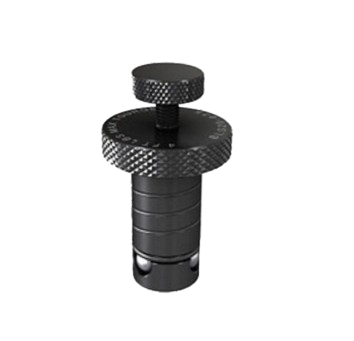
Need fast and reliable locking? See the difference between pin lock vs ball lock—upgrade to a ball locking pin today!
Pin Lock Vs Ball Lock
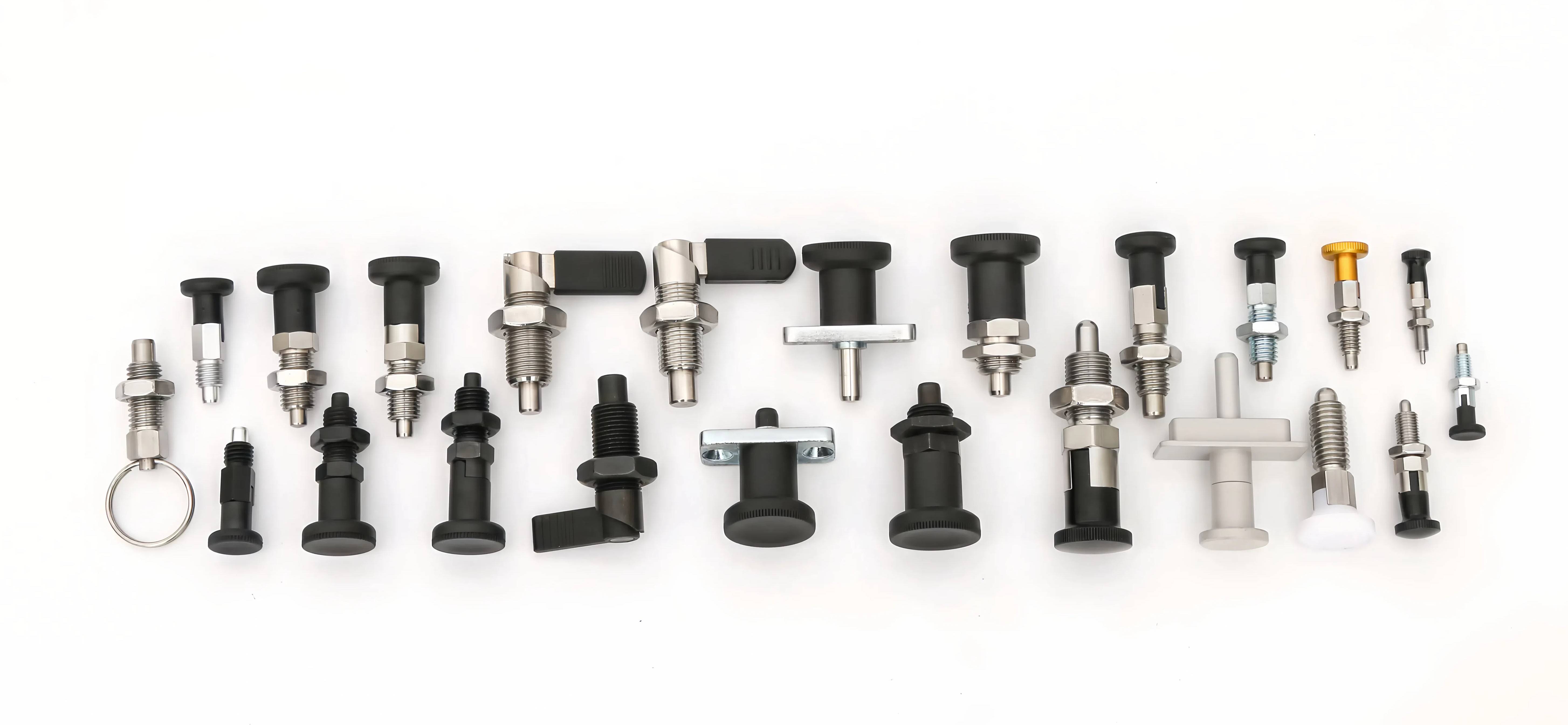
From basic nuts to precision components, learn fastener meaning through our durable and performance-driven products.
Fastener Meaning