Flat Head Quick Release Pins
The Precision and Versatility of Flat Head Quick Release Pins
Introduction
In the world of advanced fastening solutions, Flat Head Quick Release Pins represent a unique combination of functionality, speed, and aesthetics. Designed for fast installation and removal without the need for tools, these pins are indispensable in industries where efficiency, safety, and precision are paramount. This article delves deep into the structure, working principles, applications, advantages, and global standards associated with Flat Head Quick Release Pins, helping engineers, procurement managers, and designers understand their growing role in modern manufacturing.

What Are Flat Head Quick Release Pins?
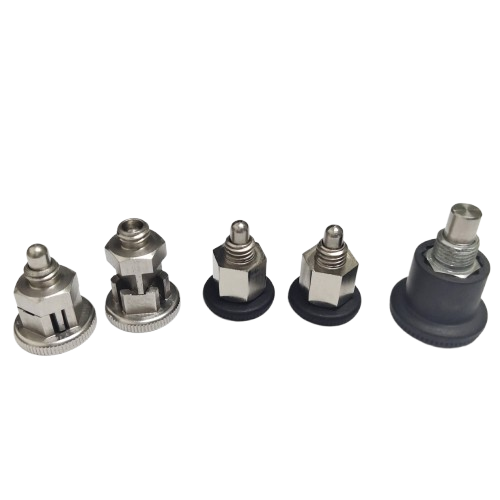
Flat Head Quick Release Pins are mechanical fasteners with a distinctive flat head design. These pins typically consist of a shank with one or more spring-loaded balls at the end, and a flat top that can be flush-mounted with a surface or panel. The locking balls retract into the shank when the button or plunger is pressed, allowing the pin to be inserted or removed quickly and easily. Once released, the balls expand to lock the pin securely in place.
This flat head design is ideal in scenarios where protrusions must be minimized for ergonomic, aerodynamic, or aesthetic reasons.
Key Features of Flat Head Quick Release Pins
-
Low-Profile Head Design
The flat head allows flush mounting and prevents snagging or interference with surrounding components. -
Spring-Loaded Locking Mechanism
Built-in ball bearings expand to secure the pin in place, offering both security and quick release functionality. -
Tool-Free Operation
Enables users to insert or remove pins without additional tools, saving time and effort. -
Corrosion-Resistant Materials
Often made from stainless steel, aluminum, or coated alloys for harsh environments. -
Customizable Options
Available in various lengths, diameters, materials, and finishes to suit diverse industrial needs.
Applications Across Industries
Aerospace and Aviation
In aerospace, weight, reliability, and ease of maintenance are key. Flat Head Quick Release Pins are used for securing access panels, removable seats, or cargo restraining systems where flush surfaces are essential for safety and design.
Automotive and Motorsports
These pins are used in performance vehicles for body panel locking, seat mechanisms, and removable components where aerodynamics and easy access are priorities.
Medical Equipment
For surgical carts, imaging equipment, or modular furniture, Flat Head Quick Release Pins enable rapid assembly and disassembly, improving operational efficiency and reducing downtime.
Marine and Offshore
Their corrosion resistance makes them ideal for deck fittings, hatches, or railing systems exposed to saltwater and high humidity.
Robotics and Automation
Used in fixtures, tool-changing systems, and modular robots, these pins offer reliable and quick transitions between components during production.
Working Principle
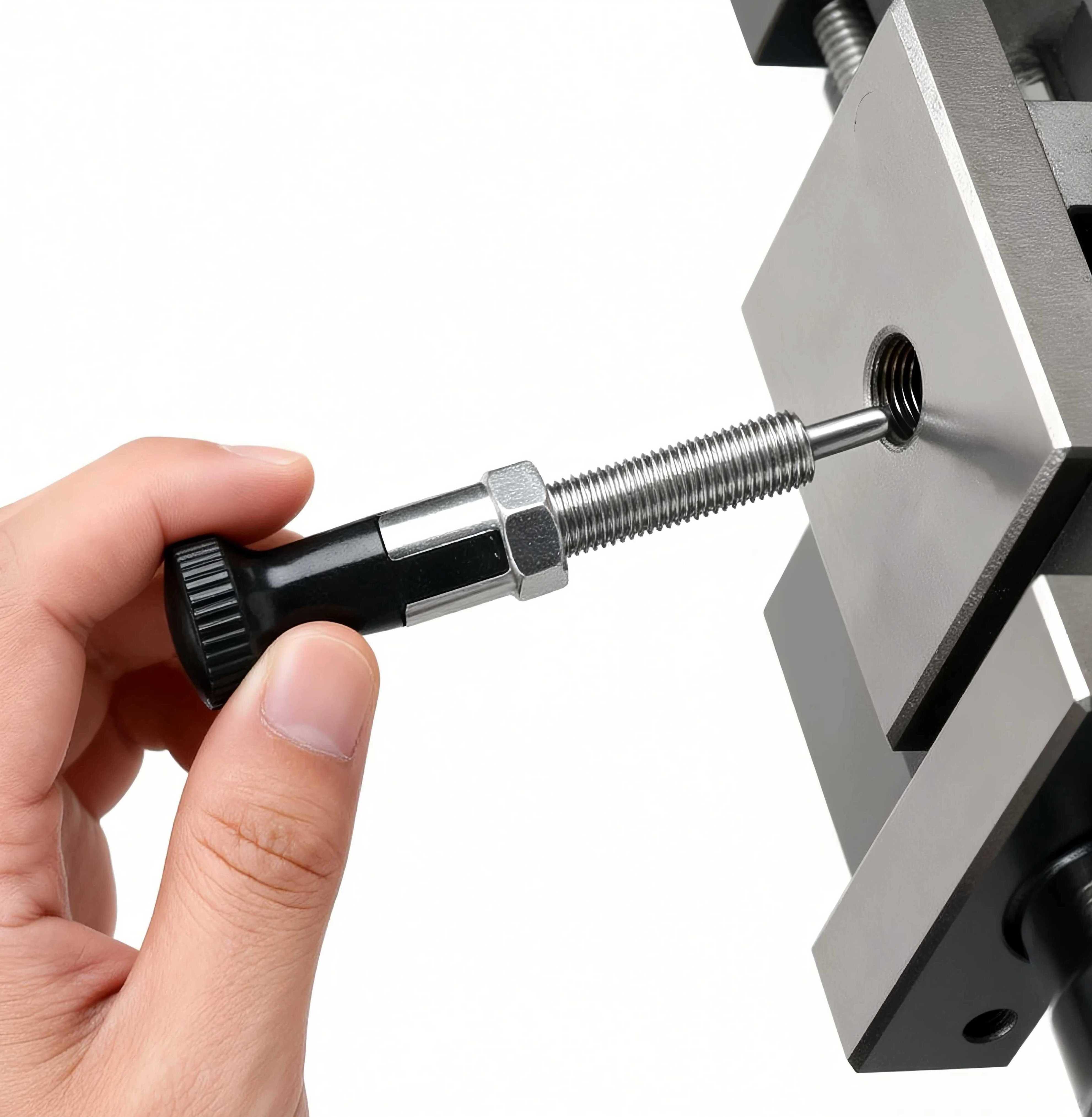
The Flat Head Quick Release Pin operates using a spring-loaded ball locking mechanism. Here’s a basic sequence of how it works:
-
Insertion:
The user presses the button or knob on the pin, which compresses the internal spring and retracts the locking balls. -
Engagement:
The pin is inserted into a mating hole or fixture. -
Locking:
Releasing the button allows the spring to push the balls outward into a detent or groove, locking the pin in place. -
Release:
To remove the pin, the user again presses the button, retracting the balls and allowing smooth extraction.
This intuitive mechanism allows for rapid and reliable mechanical fastening even in tight or hard-to-access areas.
Types of Flat Head Quick Release Pins
While the primary feature is the flat head, there are several variations based on other features:
-
Detent Style Pins: Feature two spring-loaded balls that hold the pin in place with moderate force. Ideal for applications with minimal axial load.
-
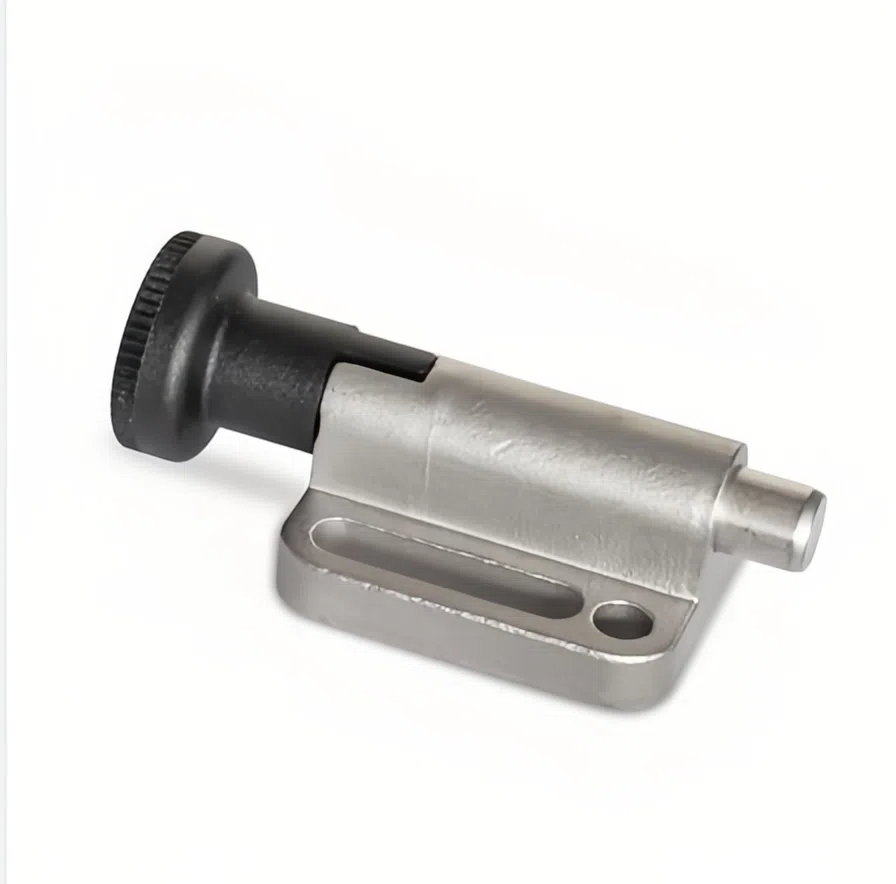
Button-Actuated Locking Pins: Use an internal button to release or engage the locking balls.
-
Tethered Flat Head Pins: Include a lanyard or wire rope to prevent pin loss in critical applications.
-
Heavy-Duty Models: Engineered with reinforced bodies and higher load capacity for industrial use.
Materials and Surface Treatments
Depending on the application environment, Flat Head Quick Release Pins can be made from:
-
Stainless Steel (304 or 316): Offers high corrosion resistance and durability.
-
Aluminum Alloy: Lightweight and suitable for aerospace or portable devices.
-
Alloy Steel: Heat-treated for high strength and often zinc-plated or black-oxide coated for added protection.
Common surface treatments include:
-
Passivation (for stainless steel)
-
Anodizing (for aluminum)
-
Zinc plating or black oxide (for carbon steel)
These treatments enhance corrosion resistance, wear life, and aesthetic appearance.
Advantages of Flat Head Design
-
Flush Mounting: Perfect for applications where surfaces must remain smooth or clear.
-
Aesthetic Appeal: Sleek design contributes to a clean, professional look.
-
Reduced Snag Risk: Minimizes accidental pulling or interference with cables and fabrics.
-
Improved Safety: No sharp protrusions means safer environments in tight workspaces.
-
Better Aerodynamics: Especially beneficial in automotive and aerospace design.
Selection Guide: Factors to Consider
When selecting a Flat Head Quick Release Pin, consider the following parameters:
-
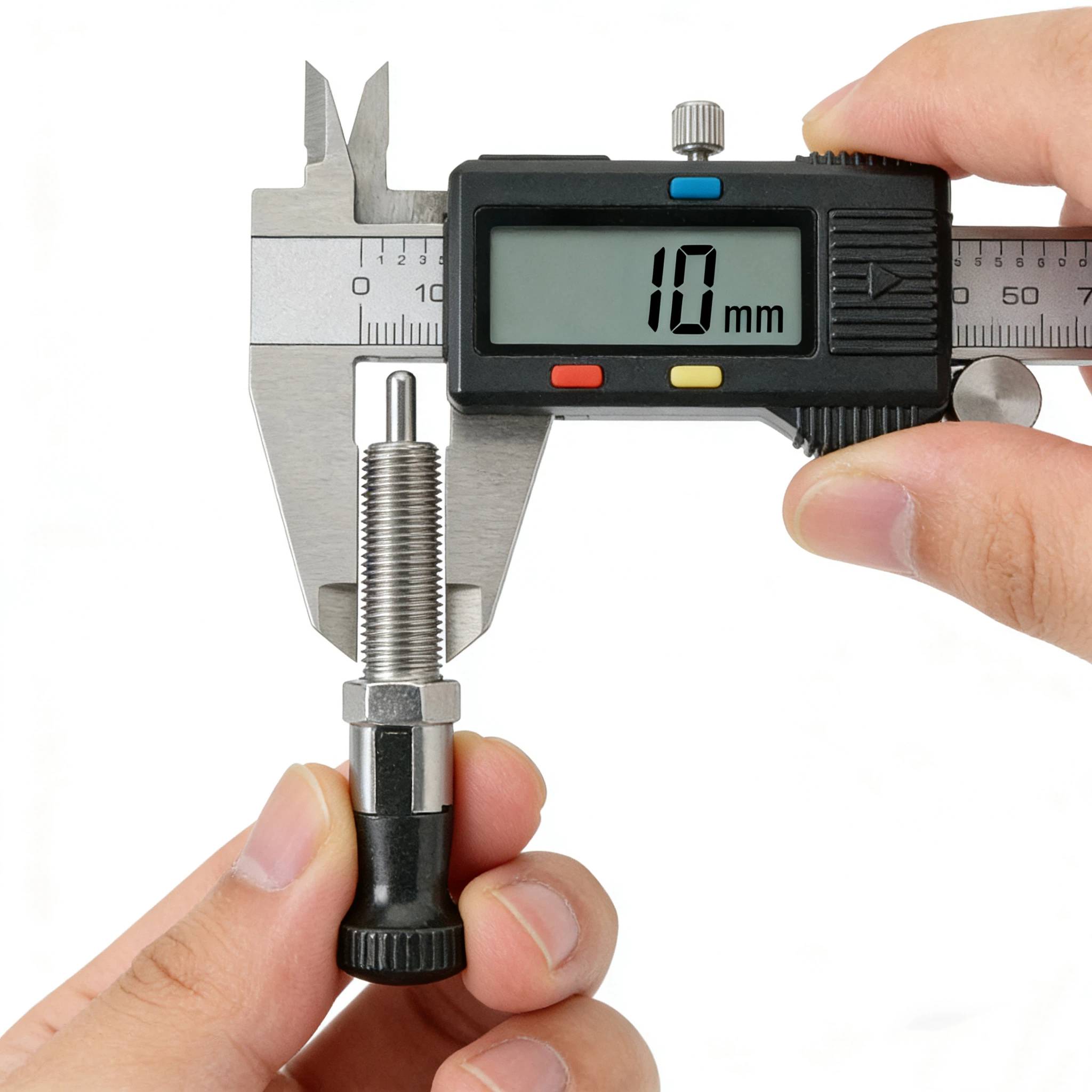
Pin Diameter and Length: Must match the hole dimensions for a snug fit.
-
Load Requirements: Choose a model rated for the specific shear or tensile load.
-
Material Compatibility: Ensure the pin material is compatible with the surrounding structure to prevent galvanic corrosion.
-
Frequency of Use: High-use environments require durable springs and high fatigue resistance.
-
Environmental Conditions: Saltwater, high heat, or corrosive chemicals will influence the material and finish choice.
Compliance and Standards
To ensure reliability and compatibility, many Flat Head Quick Release Pins comply with international standards such as:
-
MIL-P-23408 (Military Specification for quick-release pins)
-
ISO 9001 (Quality Management Systems)
-
RoHS and REACH (Environmental Compliance for materials)
-
DIN and ISO Dimensions (Metric standard sizes for interchangeability)
Some manufacturers also offer in-house certifications like load testing, material certificates, and salt spray test results for industrial buyers.
Maintenance Tips
Proper care ensures long-term performance:
-
Inspect Regularly: Check for corrosion, worn balls, or loose springs.
-
Lubricate if Necessary: Use non-reactive lubricants in mechanical assemblies.
-
Replace Damaged Units: Don’t reuse pins that have visible damage or excessive wear.
-
Keep Clean: Debris in locking holes can affect the ball retention performance.
Custom Manufacturing Capabilities
Leading manufacturers can provide custom Flat Head Quick Release Pins to meet client-specific requirements:
-
Custom sizes and lengths
-
Laser marking for traceability
-
Special heads (e.g., slotted, keyed, color-coded)
-
Custom tethering systems
-
High-precision tolerance machining
These tailor-made solutions serve industries like defense, medical, renewable energy, and advanced manufacturing.
Upgrade your hardware with flat head quick release pins, offering secure and rapid fastening for industrial, automotive, and machinery applications. Durable, reliable, and easy to use—perfect for efficient operations.
Flat Head Quick Release Pins may appear simple, but their combination of reliability, precision, and aesthetic design makes them a key component in modern mechanical engineering. Whether used in a fighter jet or a surgical device, they provide dependable fastening in the most demanding conditions. As industries evolve toward higher speed, modularity, and safety, the role of these clever components continues to expand.
Manufacturers and designers looking for secure, low-profile, and efficient fastening solutions will find Flat Head Quick Release Pins to be a smart and long-lasting investment.
Positive Lock Pin
Detent Ring Pins
Related Article