What Is A Ball Plunger Used For
What Is a Ball Plunger Used For?
Introduction
In the world of engineering and manufacturing, precision and efficiency are key factors that drive the development of specialized components. One such component is the ball plunger, a small yet powerful tool that serves a variety of purposes across different industries. Despite its simple design, a ball plunger plays a crucial role in positioning, securing, and locking components in place. In this article, we will explore what a ball plunger is, how it works, and its wide range of applications.

What is a Ball Plunger?
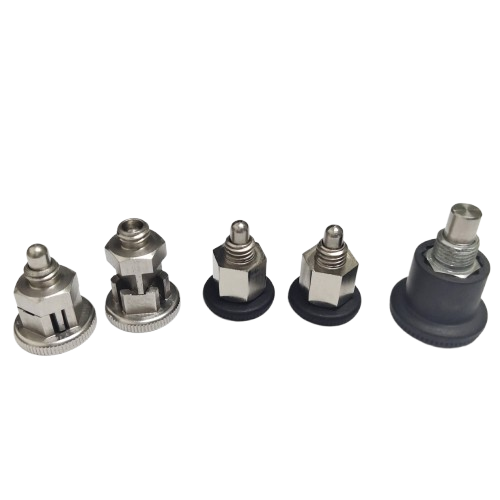
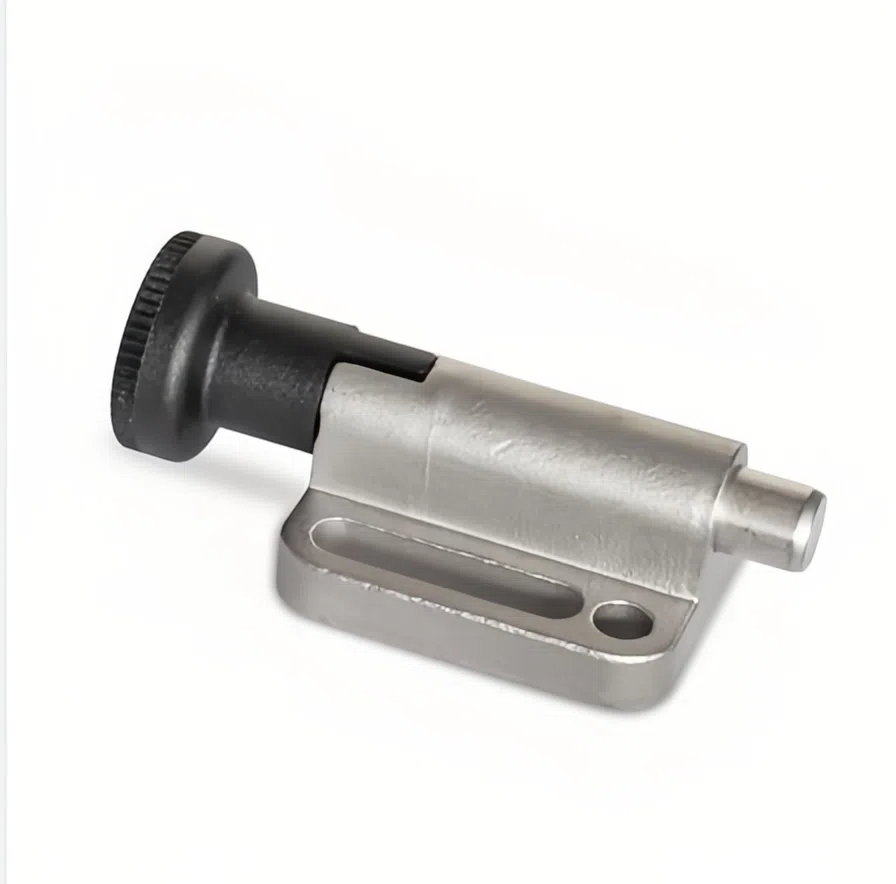
A ball plunger is a mechanical device used to provide a spring-loaded force to hold or release components within a system. The plunger consists of a ball that is seated in a housing, typically made from steel or stainless steel, which allows it to retract or extend under force. The ball is often held in place by a spring, which applies a constant force on the ball, allowing it to act as a positioning or locking mechanism.
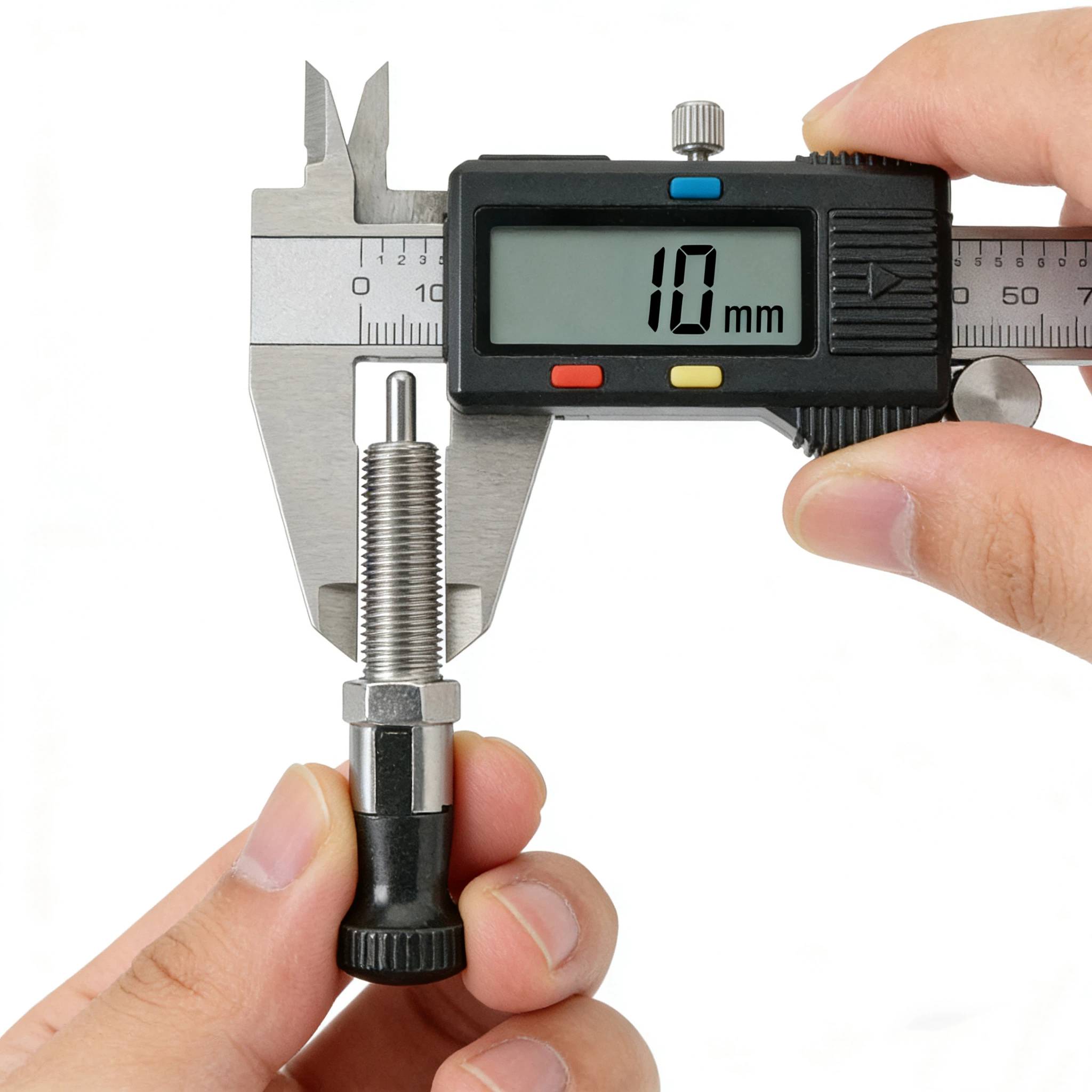
Ball plungers come in various sizes and configurations to accommodate different types of machinery, systems, or devices. They can be used for a wide range of applications, such as indexing, holding, and securing components in place during operation or storage.
How Does a Ball Plunger Work?
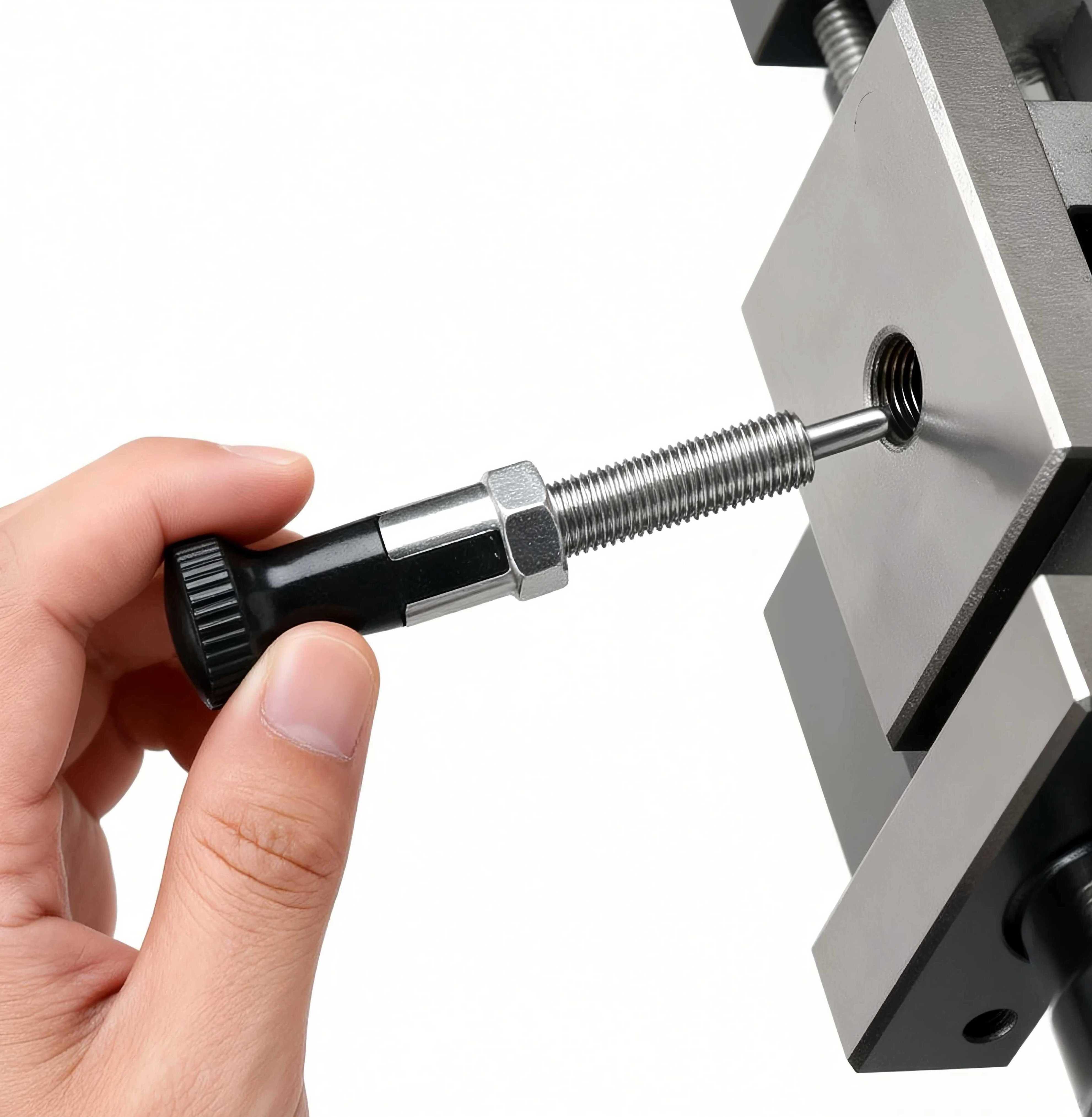
The operation of a ball plunger is relatively simple. When the plunger is inserted into a corresponding hole or socket, the spring-loaded ball is pushed into the housing, locking the plunger in place. When pressure is applied to the ball, it compresses the spring and allows the ball to retract, freeing the plunger and allowing it to move or disengage.
This mechanism makes ball plungers ideal for applications where components need to be securely positioned but still remain easy to remove or adjust when necessary. The ease of use and reliability make them a valuable tool in various industries.
Common Applications of Ball Plungers
1. Machine Tooling and Fixtures
Ball plungers are frequently used in machine tooling and fixtures to index parts or hold them in a fixed position during assembly or machining processes. They are often installed in jigs, fixtures, and workholding equipment to ensure that components are aligned properly and securely. This allows for repeatability and precision in manufacturing processes.
2. Assembly and Production Lines
In assembly lines, ball plungers are commonly used to position and lock parts into place before they are fastened or permanently fixed. This helps improve efficiency in production processes by ensuring that components are held in the correct position while minimizing human error during the assembly phase.

3. Automotive and Aerospace
Ball plungers are used in the automotive and aerospace industries for applications such as locking adjustable seats, securing panels, and positioning control rods. Their ability to withstand high loads and vibrations makes them ideal for these demanding environments, ensuring that components remain secure and aligned throughout the operation of the vehicle or aircraft.
4. Furniture and Equipment
In furniture manufacturing, ball plungers are used to lock sliding or adjustable components in place, such as drawer slides, height-adjustable tables, and fold-out mechanisms. These plungers provide a simple and efficient way to ensure that parts stay in position but can also be adjusted or moved as needed.
5. Medical Devices
Ball plungers also find applications in medical devices, particularly in systems that require precise movement or locking of components, such as surgical instruments or diagnostic equipment. They help ensure the accurate positioning of components in medical devices, which is critical for both safety and functionality.
6. Sports Equipment
In the world of sports, particularly in bicycles, fitness equipment, and other adjustable gear, ball plungers are used to lock moving parts such as seat posts, handlebars, and weights. Their quick and secure locking ability allows for easy adjustments during use without compromising safety.
Advantages of Using Ball Plungers
- Simple Operation – Ball plungers are easy to use and require no special tools for operation.
- Precision – They provide consistent and reliable positioning, ensuring that components remain aligned and secure.
- Versatility – Ball plungers are available in various sizes and designs to suit a wide range of applications.
- Durability – Made from high-strength materials like steel or stainless steel, ball plungers are designed to withstand heavy loads and wear over time.
- Quick Release – Ball plungers can be quickly disengaged, allowing for efficient adjustments or disassembly in manufacturing and other processes.
Discover precision-engineered pin spring plungers and force ball plungers for reliable positioning and tensioning. Ideal for industrial and mechanical applications. Contact us for custom solutions.
How to Remove a Slotted Spring Pin
Application Of Pull Ring Quick Release Pins
Related Article