Galvanized Steel Vs Stainless Steel
author: Lucia Liu
2025-08-13
Galvanized Steel Vs Stainless Steel
In industrial manufacturing, construction, and precision machinery, the choice of materials directly affects product performance and lifespan. Galvanized steel and stainless steel, as two common metal materials, are often compared side by side. Each has distinct compositions, properties, and applications. For businesses, striking a balance between cost and performance is a critical consideration in the material selection process.
This article will conduct an in-depth analysis from aspects such as material definition, performance differences, and applicable fields, and will also reference Mocayo Precision Technology Co., Ltd.'s precision components products—such as spring plungers. Find out why galvanized steel vs stainless steel matters, and source high-grade spring plungers for efficient, precise, and lasting applications.

Definition and Characteristics of Galvanized Steel
Galvanized steel is a type of steel that has a layer of zinc coating applied to its surface to enhance its corrosion resistance. This zinc layer is typically formed through hot-dip galvanizing or electrogalvanizing processes, effectively isolating the steel from direct contact with the external environment and thereby extending its service life.
Galvanized steel is a type of steel that has a layer of zinc coating applied to its surface to enhance its corrosion resistance. This zinc layer is typically formed through hot-dip galvanizing or electrogalvanizing processes, effectively isolating the steel from direct contact with the external environment and thereby extending its service life.
Advantages: Strong rust resistance, relatively low cost, and easy maintenance.
Common applications: Fences, outdoor structural components, bridge railings, roof panels, etc.
In the comparison between Galvanized Steel and Stainless Steel, galvanized steel is generally more suitable for scenarios with limited budgets and moderate environmental corrosion. However, in high-salt fog and high-humidity environments, its corrosion resistance is inferior to that of stainless steel.
Definition and Characteristics of Stainless Steel
Stainless steel is an alloy steel containing at least 10.5% chromium, often with added elements such as nickel and molybdenum to enhance corrosion resistance and mechanical properties. Due to its passive film's ability to automatically repair minor surface scratches, stainless steel maintains high corrosion resistance in various harsh environments.
Stainless steel is an alloy steel containing at least 10.5% chromium, often with added elements such as nickel and molybdenum to enhance corrosion resistance and mechanical properties. Due to its passive film's ability to automatically repair minor surface scratches, stainless steel maintains high corrosion resistance in various harsh environments.
Advantages: Corrosion-resistant, high-temperature resistant, high strength, and aesthetically pleasing.
Common Applications: Food processing equipment, medical devices, precision mechanical components, architectural decoration, etc.
When choosing between Galvanized Steel and Stainless Steel, stainless steel is suitable for long-term exposure to highly corrosive environments, such as coastal buildings and chemical plant equipment
Key differences between the two materials
Corrosion resistance: Stainless steel performs better in salt spray and high humidity environments.
Corrosion resistance: Stainless steel performs better in salt spray and high humidity environments.
Strength and toughness: Stainless steel has better overall mechanical properties and stronger impact resistance.
Appearance and maintenance: Stainless steel has an attractive surface and requires low maintenance, while galvanized steel is more practical.
Cost: Galvanized steel is less expensive and more suitable for large-scale, low-budget projects.
Mocayo Precision Technology Co., Ltd. Overview
Founded in 2012, Mocayo specializes in the design, development, production, and sale of precision tools and accessories. The company's products cover a wide range of positioning and connecting components, dedicated to providing high-precision, durable solutions for industries such as mechanical manufacturing, automation equipment, and aerospace.
Founded in 2012, Mocayo specializes in the design, development, production, and sale of precision tools and accessories. The company's products cover a wide range of positioning and connecting components, dedicated to providing high-precision, durable solutions for industries such as mechanical manufacturing, automation equipment, and aerospace.
Main Product Introduction — Spring Plungers
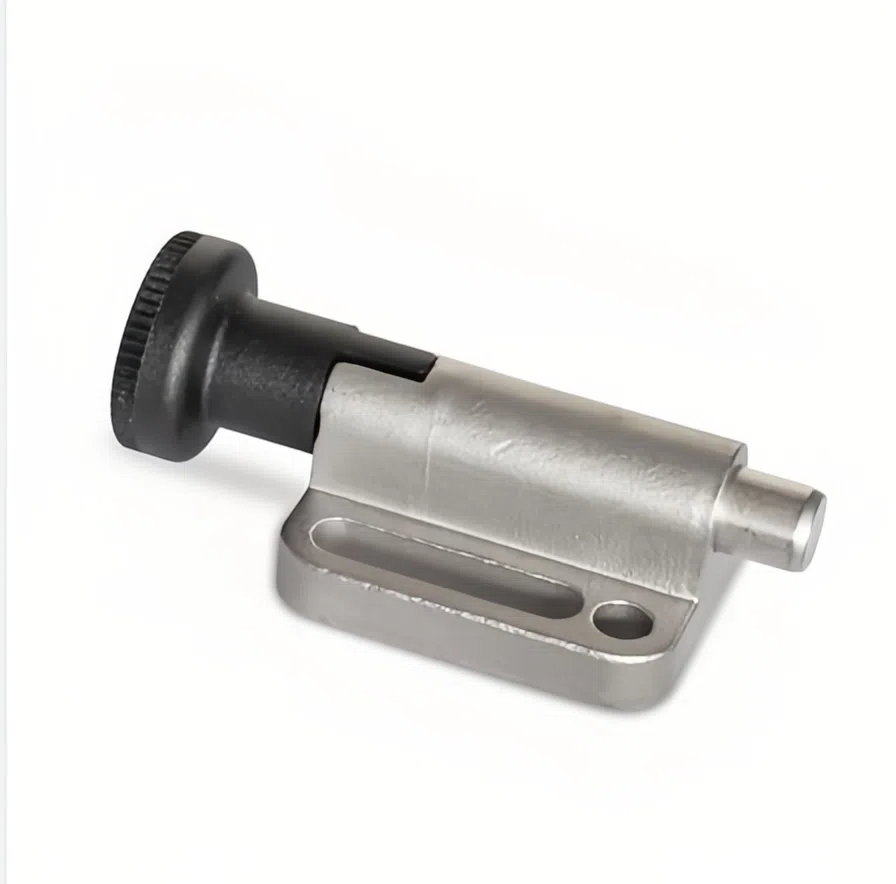
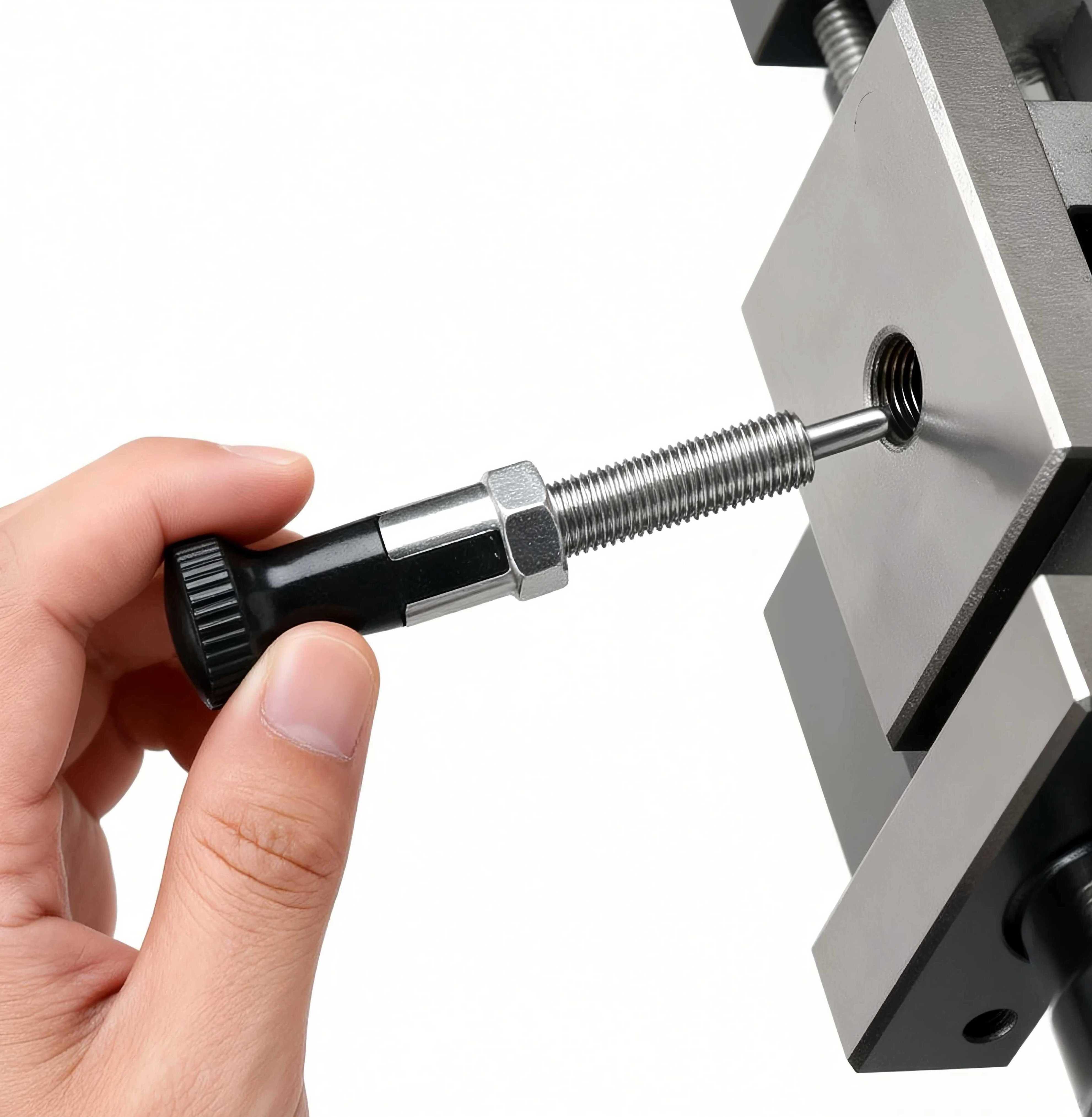
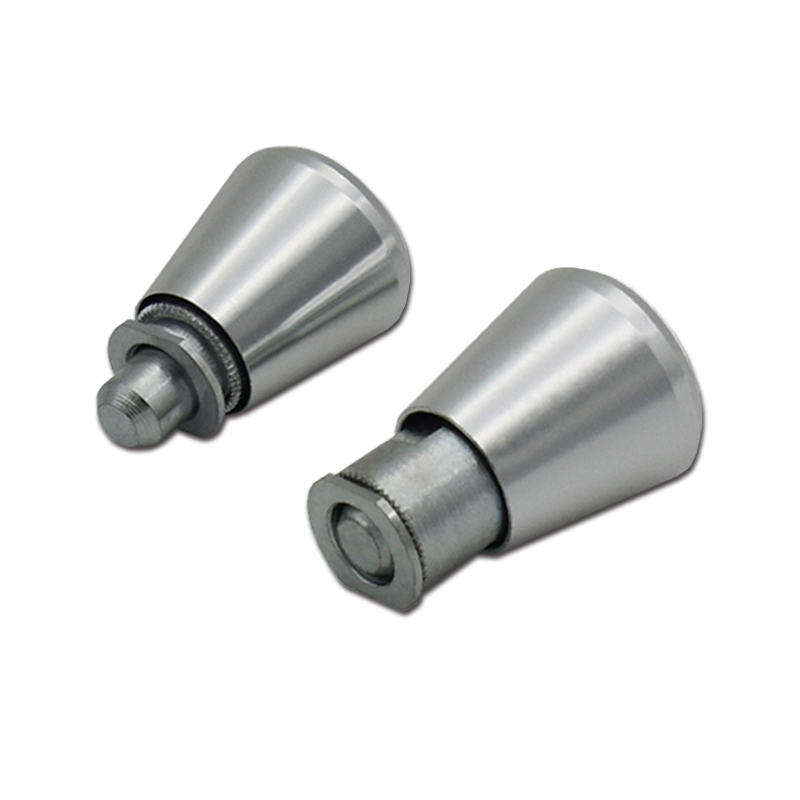
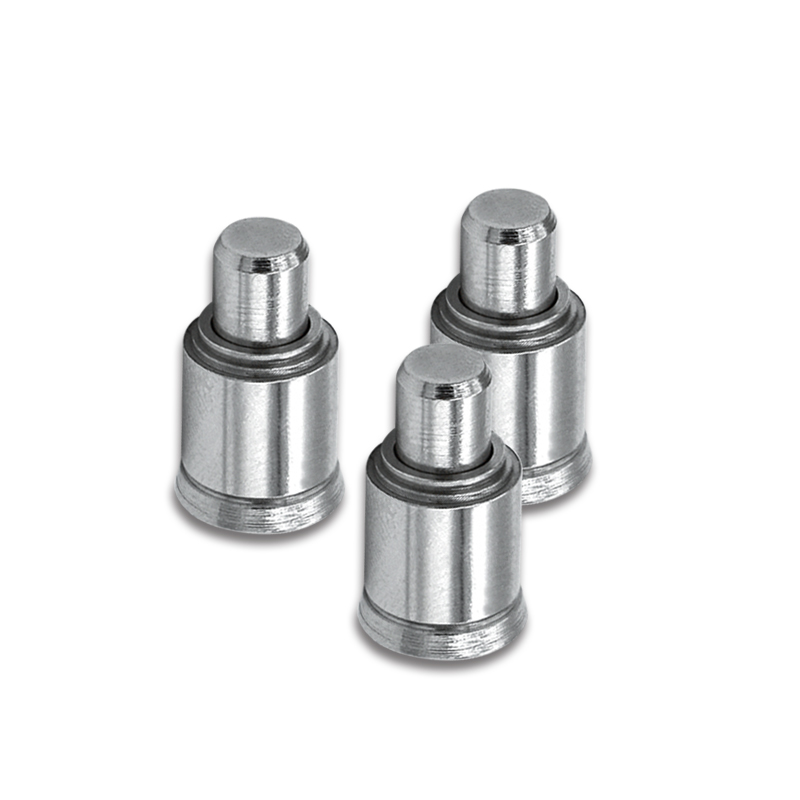
Spring Plungers are one of Mocayo's core products, consisting of a threaded housing, internal spring, and positioning elements.
Spring Plungers are one of Mocayo's core products, consisting of a threaded housing, internal spring, and positioning elements.
Features: Compact structure, high precision, wear-resistant, and easy to install.
Function: Used in mechanical assemblies or tooling fixtures for quick positioning, securing, or adjusting the position of parts.
In applications involving galvanized steel vs. stainless steel, spring plungers are typically selected based on customer requirements. For example, stainless steel is chosen for humid environments to ensure corrosion resistance; in cost-sensitive applications with less stringent environmental requirements, galvanized steel versions are used.
Product Application Scenarios
Mocayo's spring plungers and other precision components are widely used in:
Mocayo's spring plungers and other precision components are widely used in:
Machining and fixture positioning: Used to fix the position of workpieces to improve production accuracy and efficiency.
Automated production lines: Realizes fast and reliable positioning functions in equipment positioning and process switching.
Aerospace: Ensures accurate alignment and locking in equipment maintenance and component installation.
Automobile manufacturing and electronic assembly: Adapts to a variety of assembly needs and improves the stability and flexibility of production lines.
CNC Repeatability Relies On Precision Positioning
Locking In CNC Accuracy
Related Article
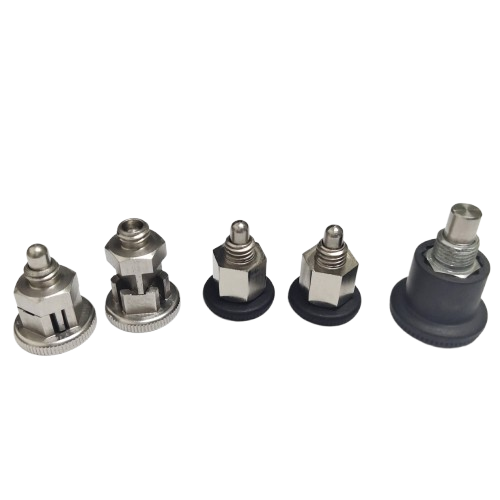
Explore the application of stainless steel materials for customizing mini indexing plungers based on specific operational environments and suitable spaces.
How To Make A Mini Indexing Plunger
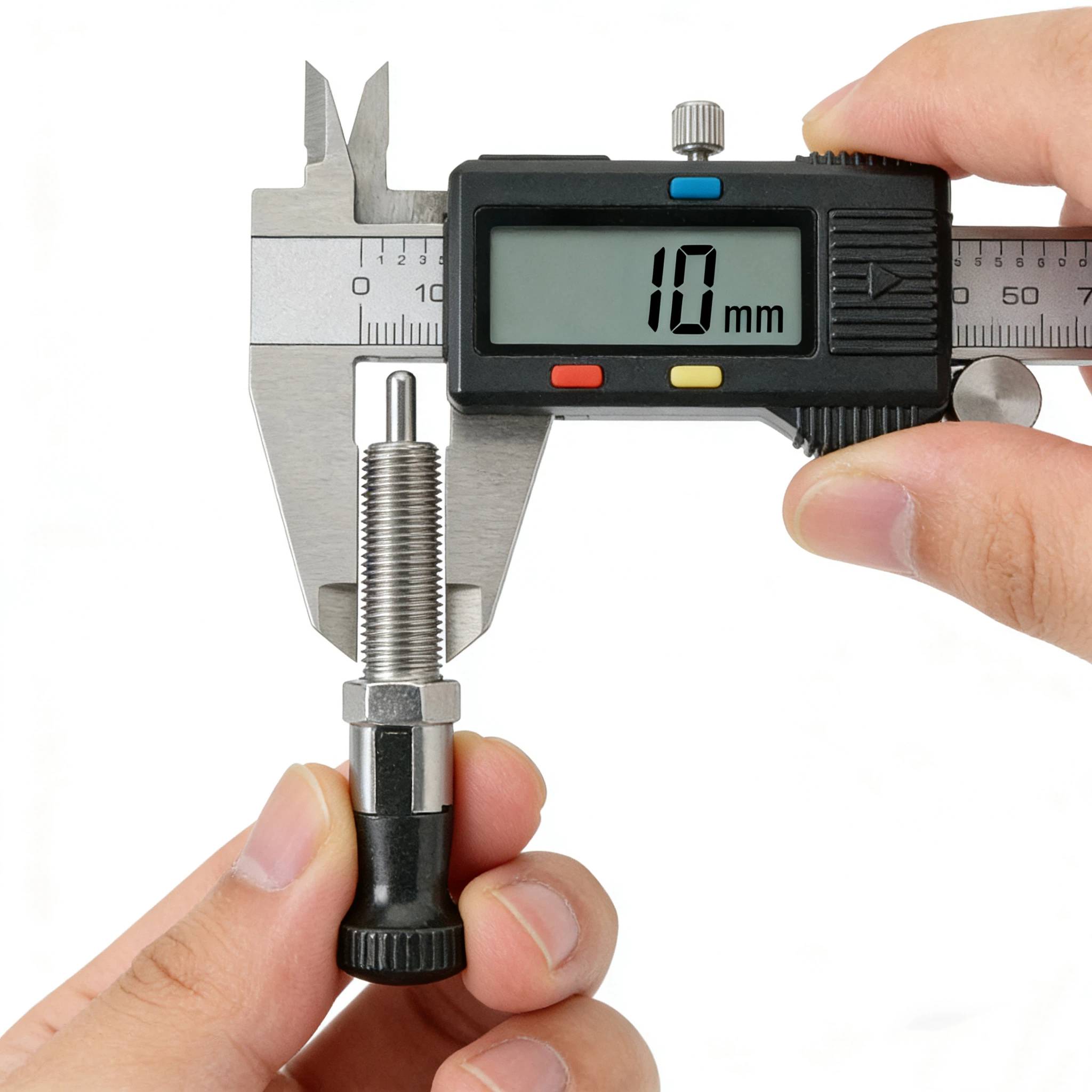
Discover how to choose correct size for indexing elements with confidence. Get precise recommendations that improve positioning accuracy, durability, and overall system performance.
How To Choose Correct Size For Indexing Elements