How Do Spring Plungers Work
How Do Spring Plungers Work?
-
What is a Spring Plunger?
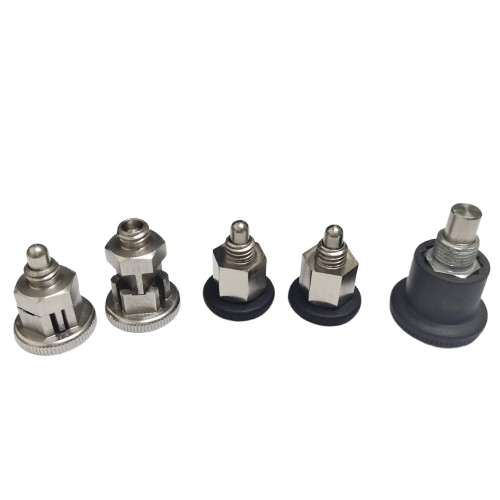
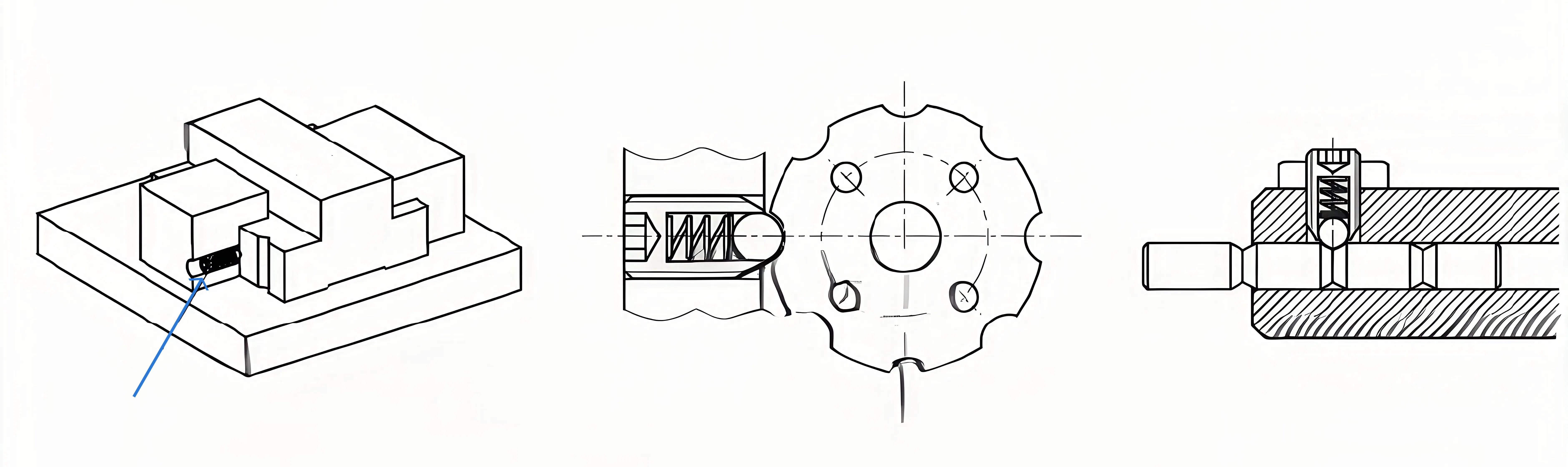
A spring plunger, sometimes referred to as a ball plunger, consists of a small cylindrical body that houses a spring-loaded ball. The ball is the core element of the plunger, and its movement is controlled by the tension of the spring inside the body. The plunger is designed to move in and out of its housing, typically in response to external force, to perform tasks like locking or aligning mechanical parts.

-
How Spring Plungers Work
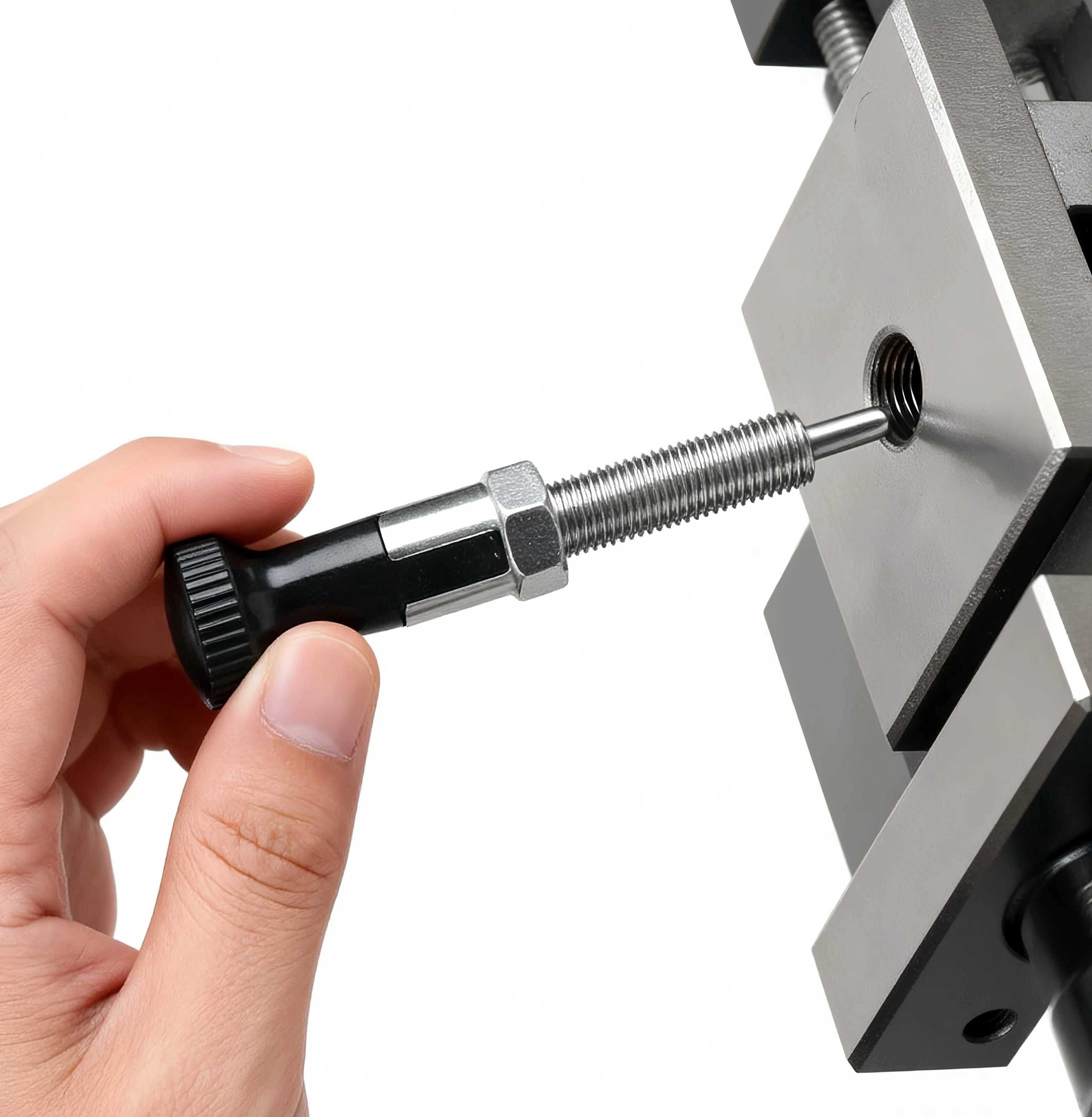
Spring plungers operate based on a straightforward mechanism. The spring inside the plunger applies force on a ball, which is held in a recessed cavity in the body. When the plunger is pushed into a specific position, the spring compresses, allowing the ball to retract into the plunger's body. When released, the spring’s tension pushes the ball outward, causing it to engage with a corresponding detent or hole in another part of the mechanism.
This spring-loaded ball creates a secure locking or positioning action that holds components in place, preventing unwanted movement or misalignment. The force applied by the spring can be adjusted to suit different applications, depending on the required load capacity or the strength of the lock.
-
Key Components of a Spring Plunger
-
Cylindrical Body: The outer casing that houses the spring and ball. This body is often made of stainless steel or other durable materials.
-
Ball: The ball is the moving part that engages with corresponding detents or holes, creating a locking or positioning effect.
-
Spring: The spring applies pressure on the ball, controlling its movement in and out of the plunger body.
-
Locking Mechanism: This refers to the way the ball interacts with external parts (such as a hole or detent) to secure a position.
-
Common Applications of Spring Plungers
Spring plungers are used in a wide range of applications across many industries, thanks to their reliability and versatility. Some of the most common uses include:
-
Positioning Systems: Spring plungers are used to hold workpieces in a fixed position in machinery or workstations.
-
Locking Mechanisms: They are commonly found in adjustable tools, jigs, and fixtures, where they help lock parts into specific configurations.
-
Adjustable Devices: Many adjustable devices, such as machine tool tables or handles, use spring plungers to allow quick and easy adjustments.
-
Pinning and Clamping: Spring plungers can be used to securely clamp objects in place during assembly or manufacturing processes.
-
Advantages of Using Spring Plungers
-
Quick and Easy Operation: They provide a simple and fast way to secure or release components without the need for complex mechanisms.
-
Compact Design: Their small size makes them suitable for applications where space is limited.
-
Customizable Force: The spring tension can be adjusted to meet specific load requirements, offering flexibility in design.
Explore our heavy-duty spring loaded locking pins for secure and reliable fastening in demanding industrial applications. Durable and robust, they ensure optimal performance. Contact us for custom solutions.
How Do Quick Release Pins Work
How Are Quick Release Pins Made
Related Article