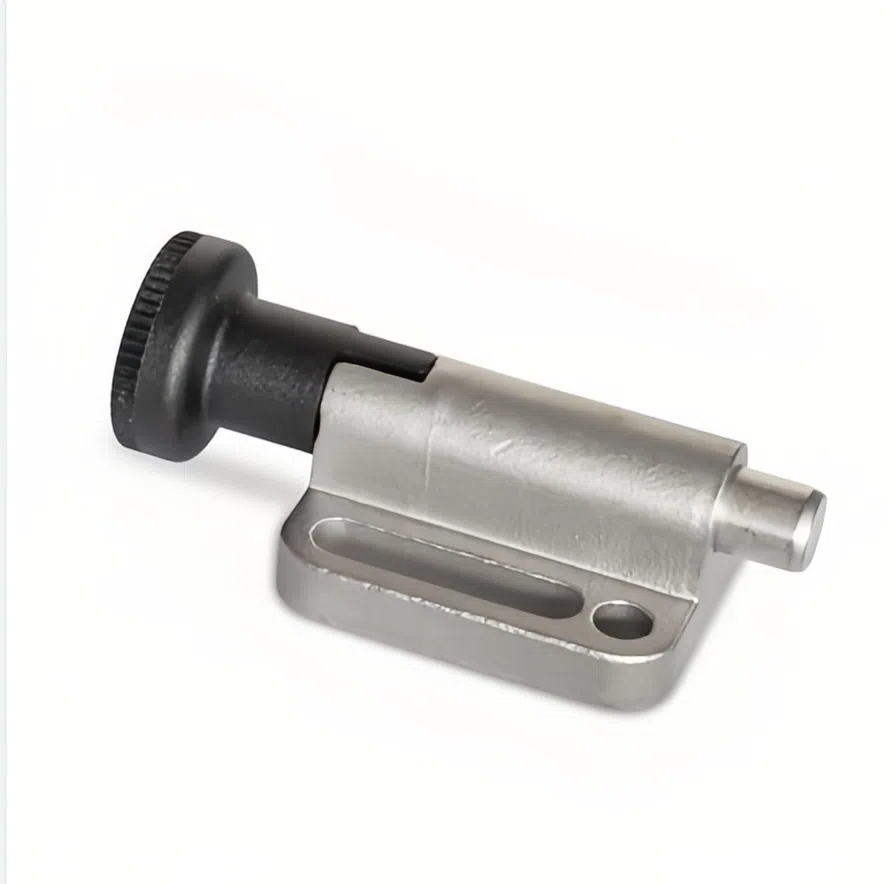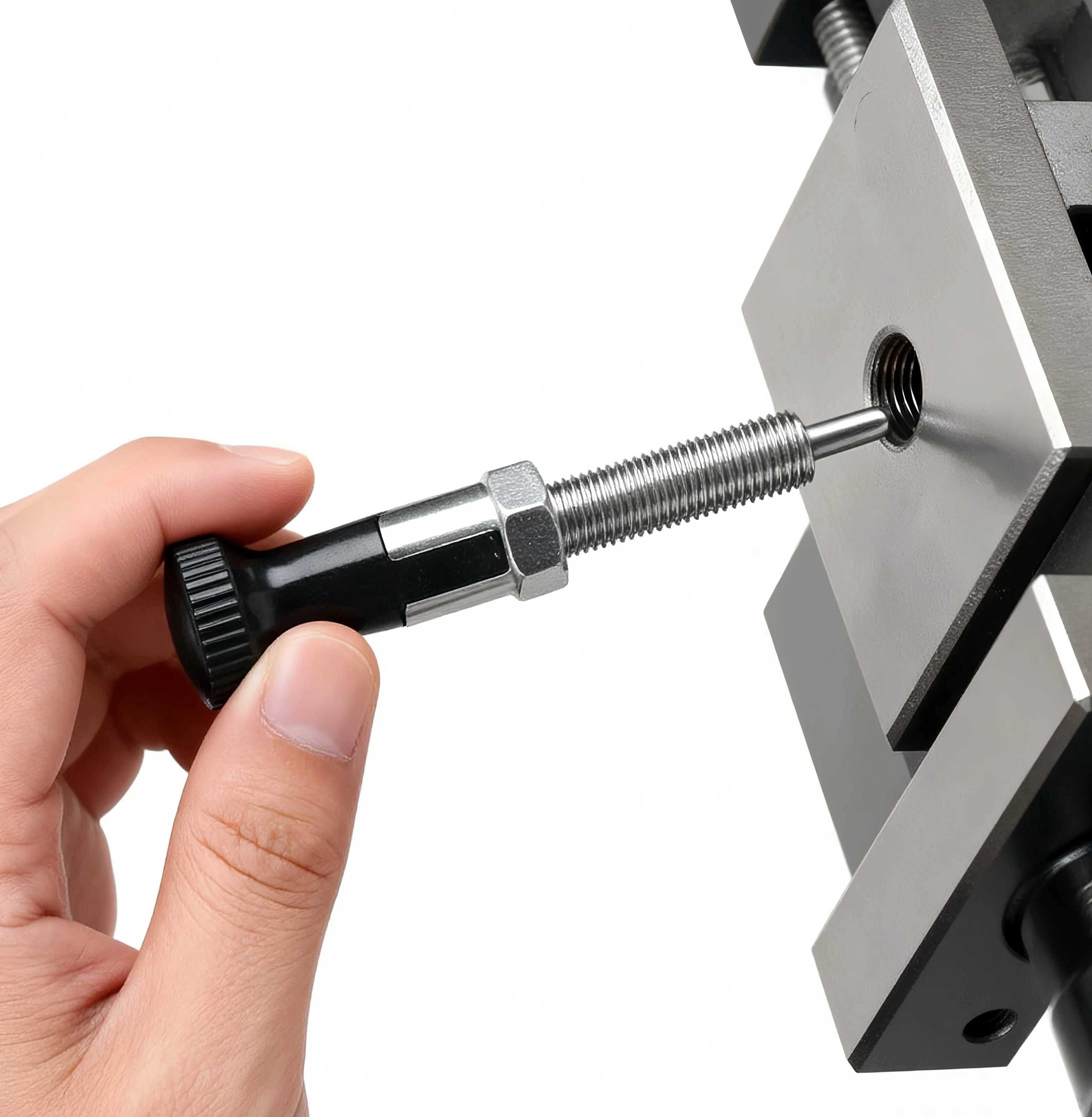
High Precision Positive Locking Pin
author: Lucia Liu
2025-09-29
Contents
Table of Contents
High Precision Positive Locking Pin
Their high-precision machining ensures minimal dimensional tolerances, enabling stable performance in mechanical assemblies, aerospace components, or medical devices requiring precise alignment.
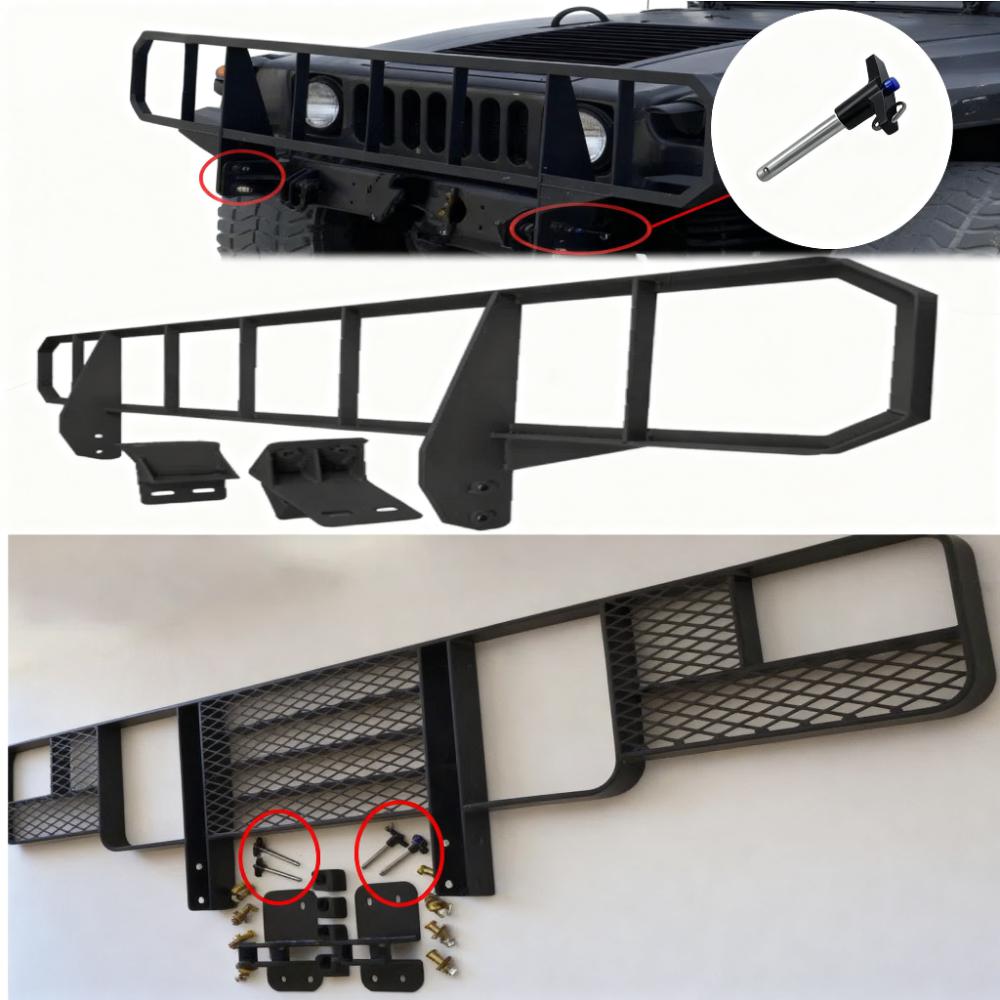
Materials & Manufacturing Process
To ensure long-term stability, positive locking pins are typically manufactured from 304 or 316 stainless steel, carbon steel, and corrosion-resistant alloys.
Surface treatments such as anodizing and electropolishing enhance rust resistance and wear resistance.
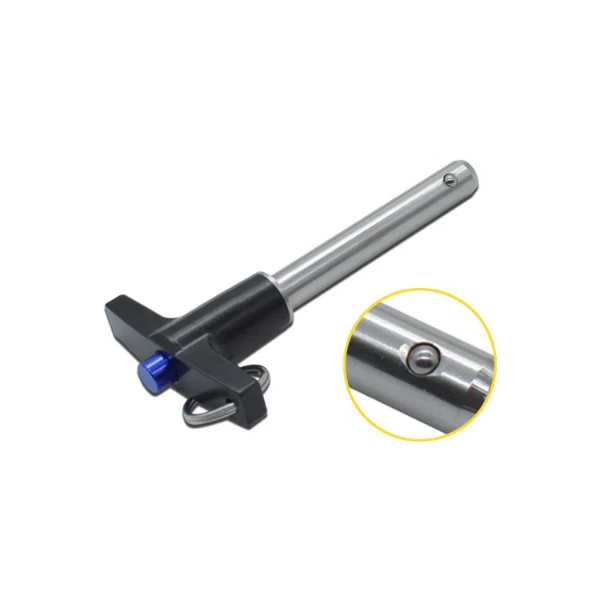
Precision machining: CNC turning and grinding techniques ensure precise fit between the locking ball and pin, minimizing wear and loosening risks.
These manufacturing details enable positive locking pins to maintain superior tensile strength and corrosion resistance even under high-stress, prolonged operational conditions.
- Tensile Strength: Ensures resistance to fracture under heavy loads.
- Corrosion Resistance: Suitable for humid and chemical environments.
- Wear Resistance: Maintains smooth operation despite frequent insertion and removal.
When selecting quick release pins, enterprises prioritize the following aspects:
- High Efficiency: Quick assembly and disassembly with a simple handle press saves operational time.
- Material Variety: Options include stainless steel, carbon steel, or aluminum alloy to meet diverse equipment load-bearing and environmental requirements.
- Safety Design: Spring-loaded locking ball mechanisms prevent accidental loosening, ensuring stable connections.
- Durability: Manufactured with rigorous processes and surface treatments for corrosion resistance and wear resistance.
Professional manufacturers like Mocayo typically offer multiple handle designs—such as T-handles, ring handles, or push-button handles—to accommodate diverse equipment. Customers can select dimensions, materials, and surface treatments based on specific requirements to achieve optimal assembly results.
The core of the quick release pin is its spring-loaded ball mechanism. During operation, simply press or pull the handle to retract the ball into the pin body, enabling rapid insertion and removal. Upon handle release, the ball automatically springs back and engages the hole, achieving secure locking.
This simple yet reliable mechanical structure ensures smooth and safe operation even under high-frequency use.
Quick release pins are widely used in:
Industrial Automation Equipment: Rapid tooling and fixture changes.
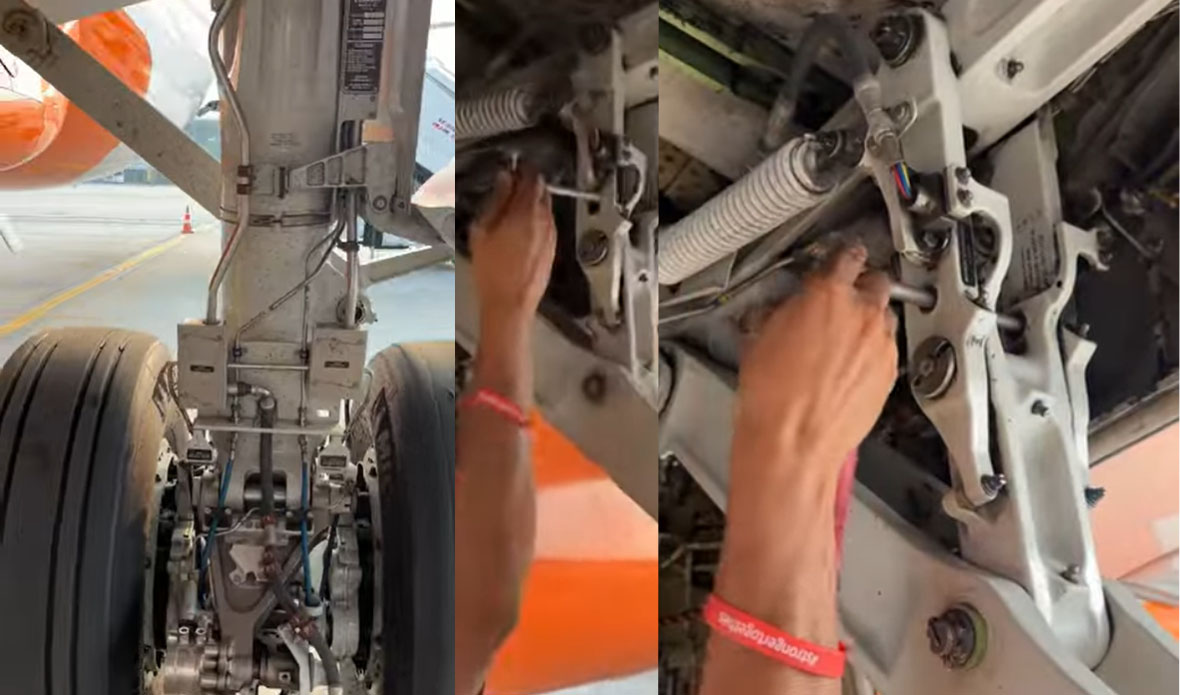
Aerospace: Quick positioning and disassembly of cabin interior components.
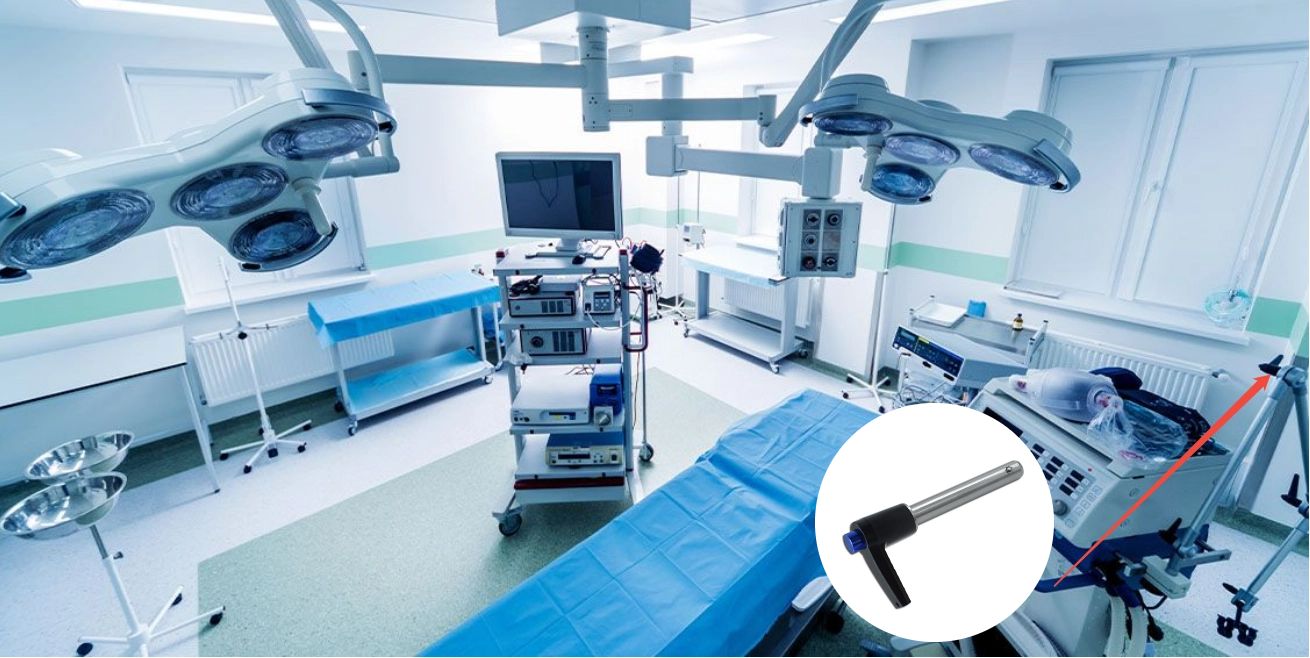
Medical Devices: Flexible connections for operating tables and diagnostic instruments.
Get quick, reliable fastening with a strong positive locking pin and user-friendly pin lock mechanism.
Ensures Efficient and Secure Load Handling: The Vital Role of Ball Locking Pins in Material Handling Equipment
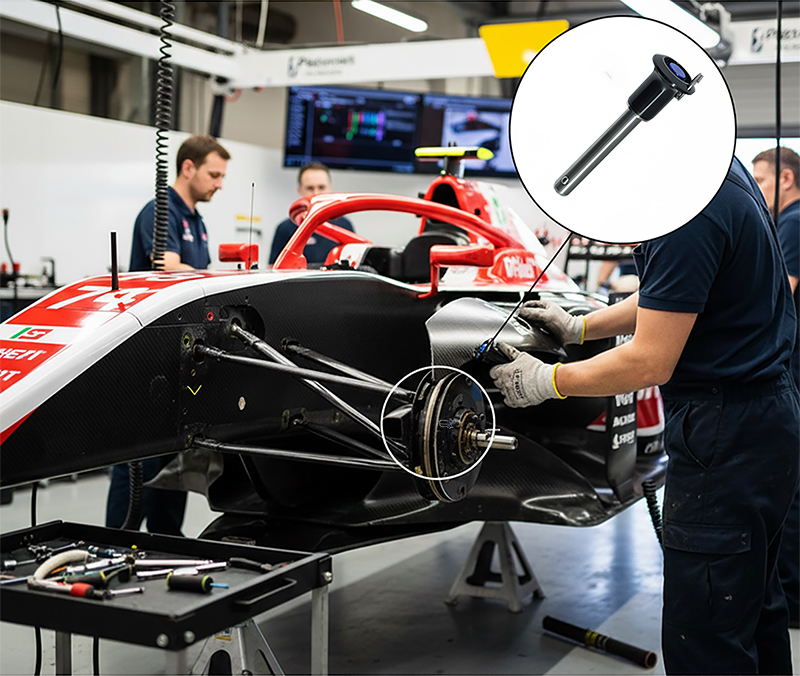
Built For Speed: The Key Role Of Ball Locking Pins In Rapid Race Car Repairs
Related Article
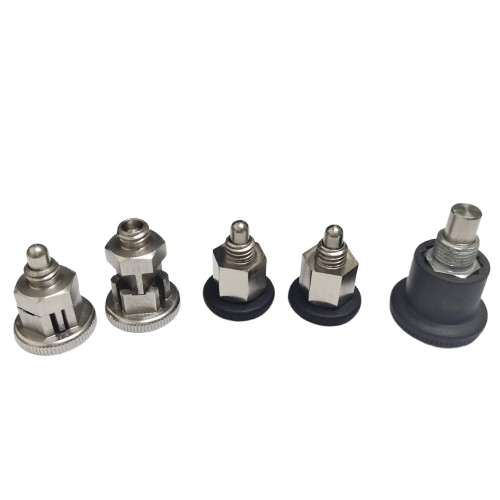
Explore the application of stainless steel materials for customizing mini indexing plungers based on specific operational environments and suitable spaces.
How To Make A Mini Indexing Plunger
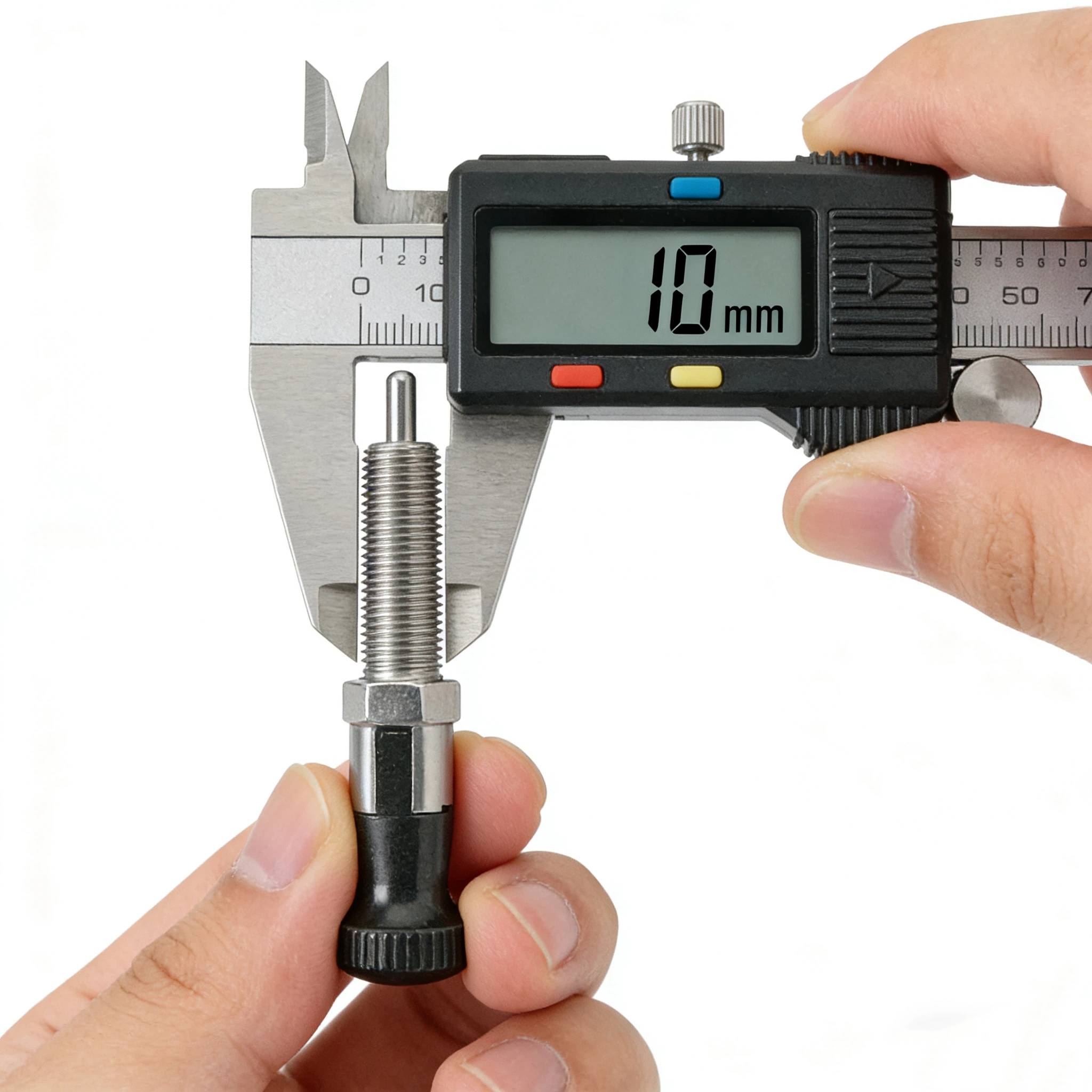
Discover how to choose correct size for indexing elements with confidence. Get precise recommendations that improve positioning accuracy, durability, and overall system performance.
How To Choose Correct Size For Indexing Elements