How Do Pin Fasteners Work
How Do Pin Fasteners Work?
Pin fasteners are essential components in various industries, providing reliable and secure connections for a wide range of applications. Understanding how these fasteners work can help engineers and designers choose the right type for their specific needs. This article delves into the mechanics of pin fasteners, their types, and their applications.
-
What Are Pin Fasteners?
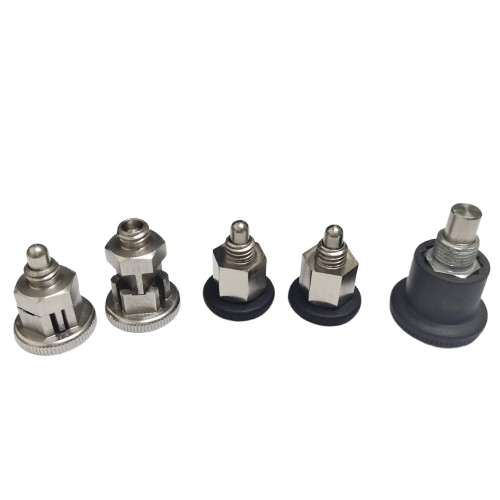
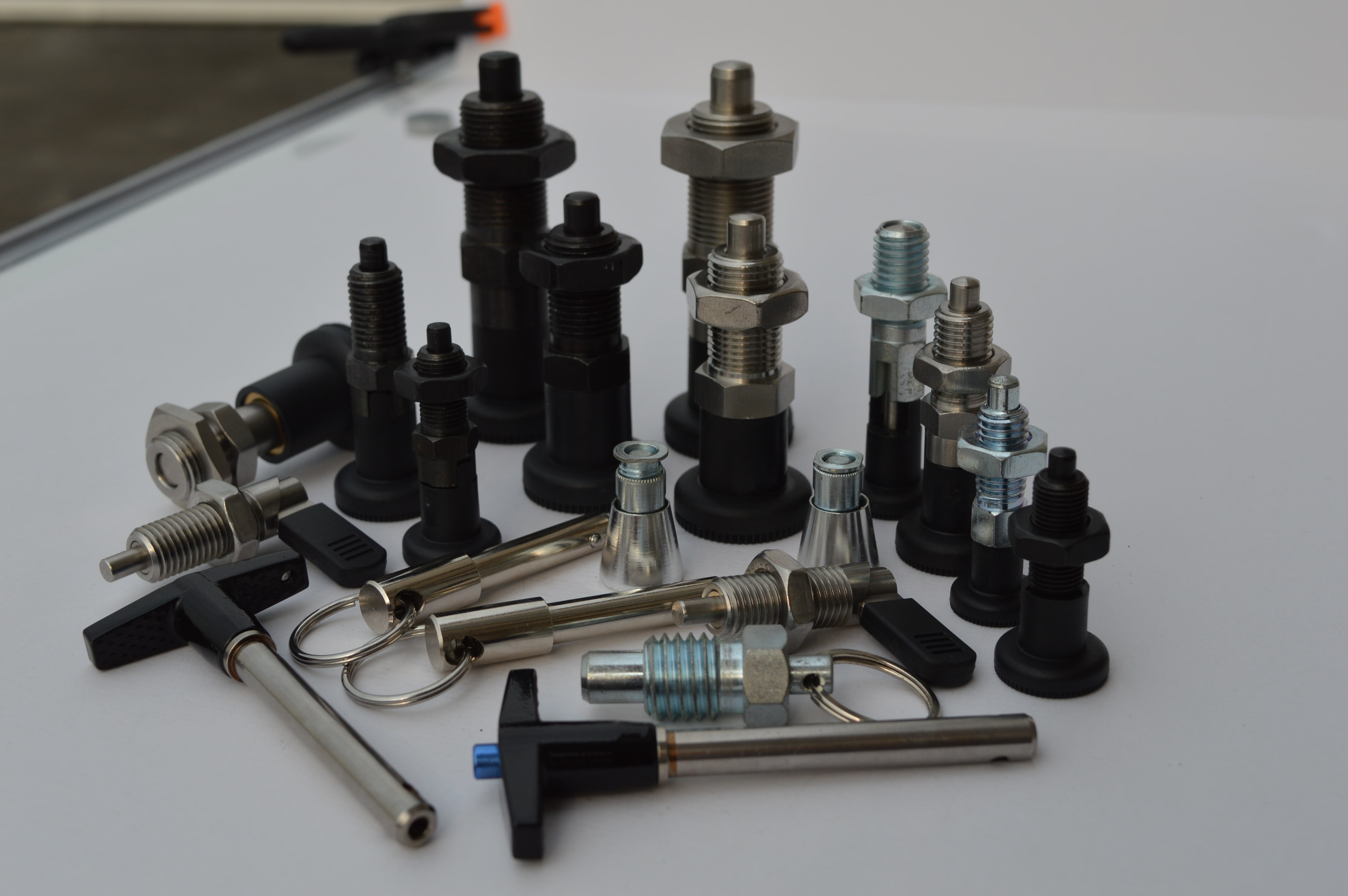
Pin fasteners are mechanical devices used to join or align components. They come in various shapes and sizes, each designed for specific functions. Common types include clevis pins, cotter pins, dowel pins, and spring pins. These fasteners are typically made from materials such as steel, stainless steel, or brass, ensuring durability and resistance to corrosion.
-
Types of Pin Fasteners and Their Functions
The primary function of a pin fastener is to hold parts together or to maintain their alignment. The working mechanism varies depending on the type of pin:
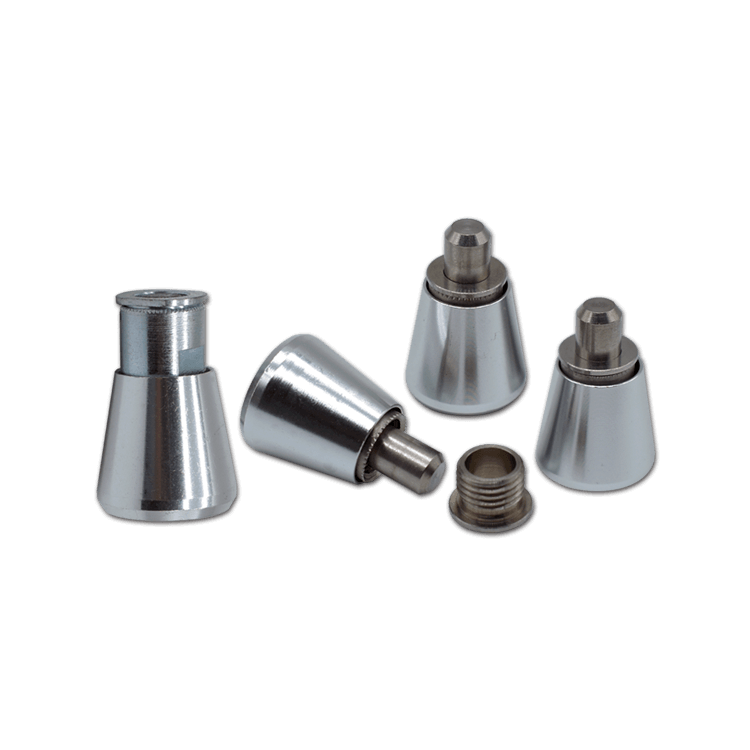

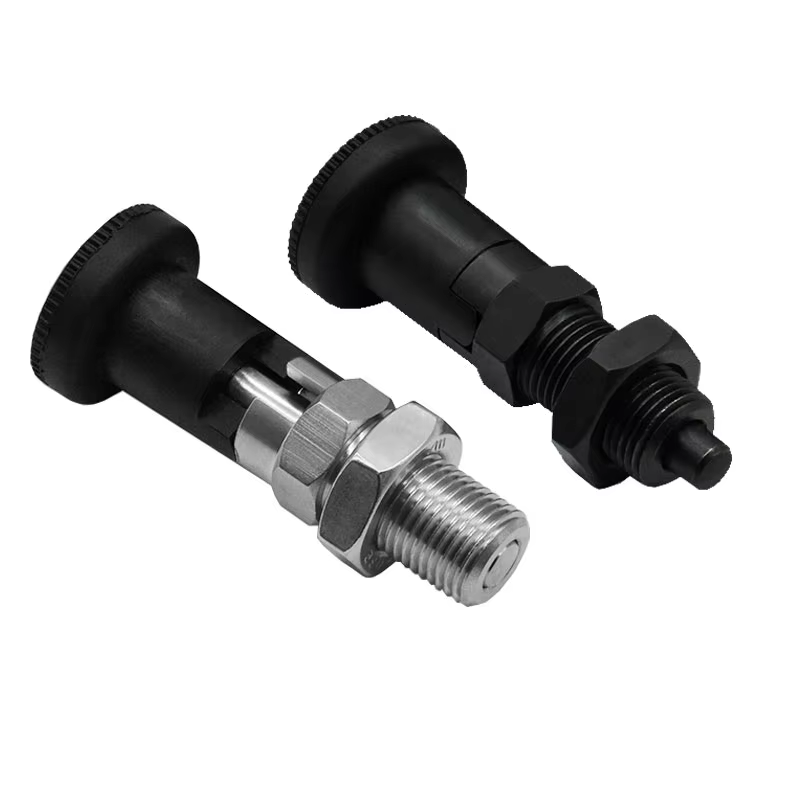
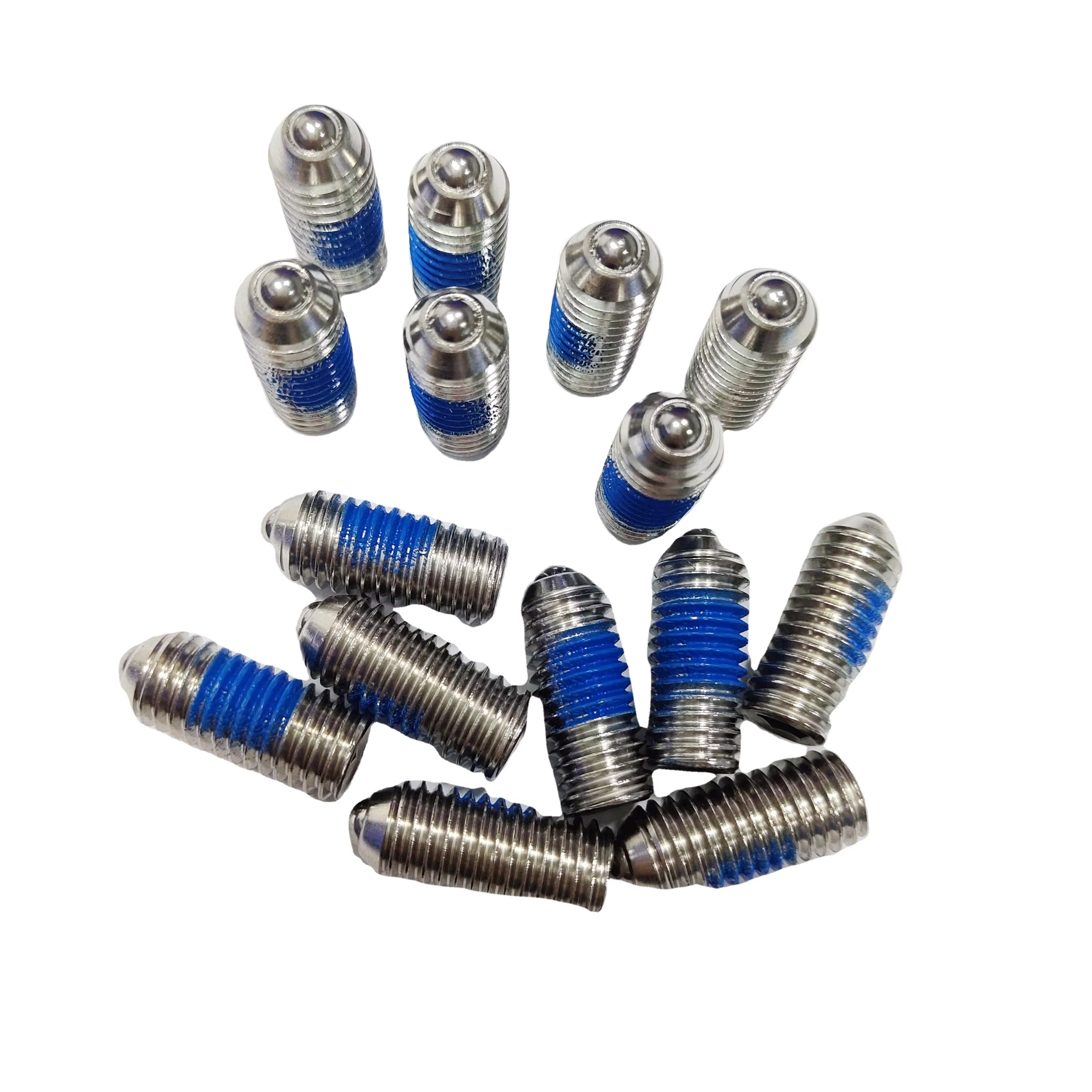
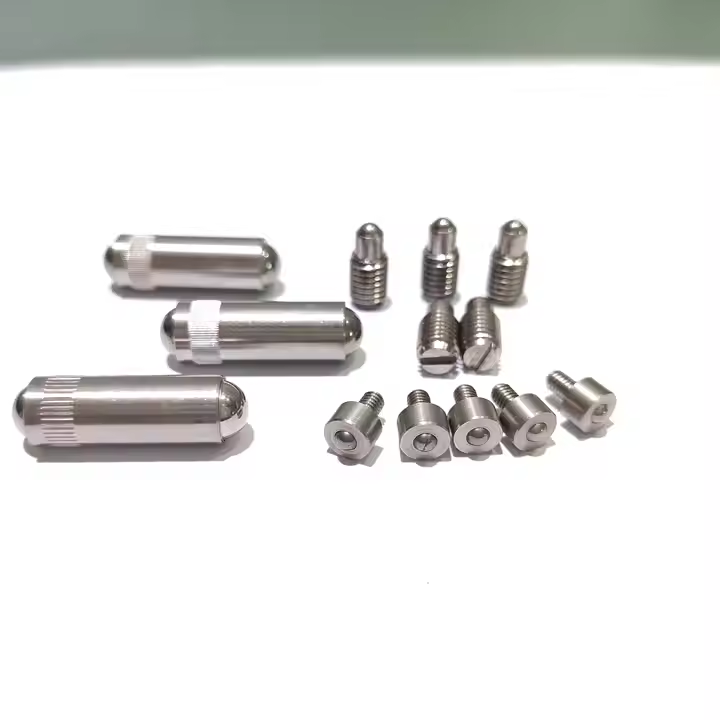
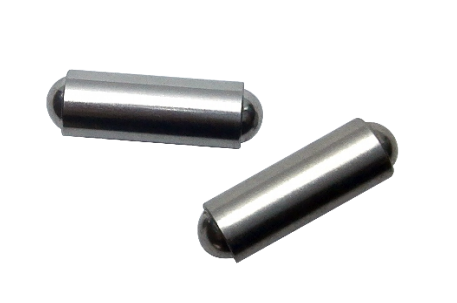
5. Spring Pins: Also known as roll pins, these are designed to be compressed and inserted into a hole. Once in place, they expand to grip the sides of the hole, providing a secure fit.
-
Applications of Pin Fasteners
Pin fasteners are used in a variety of industries, including automotive, aerospace, construction, and manufacturing. Some common applications include:
-
Automotive: Used in suspension systems, engine components, and transmission systems.
-
Aerospace: Essential for securing components in aircraft structures and engines.
-
Construction: Used in scaffolding, bridges, and heavy machinery.
-
Manufacturing: Employed in assembly lines and machinery to ensure precise alignment and secure connections.
-
How Do Pin Fasteners Work?
- Friction Fit: Pins like spring pins expand inside the hole, creating friction that keeps them secure.
- Interference Fit: Pins such as dowel pins are slightly larger than the hole they fit into, requiring force for insertion and ensuring a tight hold.
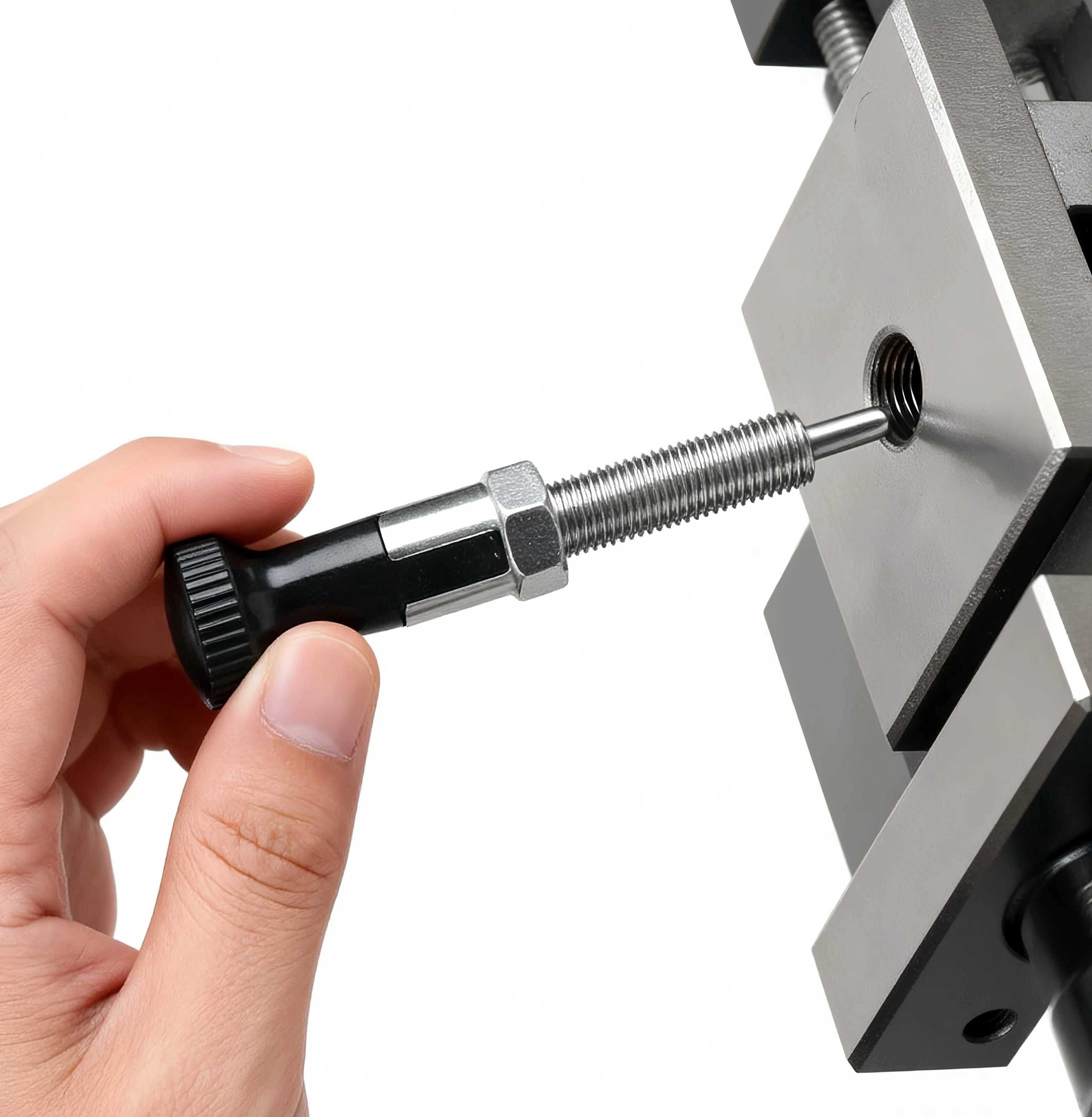
- Mechanical Locking: Cotter pins and clevis pins rely on additional components like clips or bending ends to lock in place.
-
Advantages of Pin Fasteners
-
Ease of Use: Pin fasteners are generally easy to install and remove, making them convenient for maintenance and repairs.
-
Reliability: They provide a secure and stable connection, reducing the risk of component failure.
-
Versatility: Available in various types and sizes, pin fasteners can be used in a wide range of applications.
Discover stainless steel fasteners for durable, corrosion-resistant applications. Learn how pin fasteners work to provide secure, quick-release locking in machinery, automotive, and industrial uses. Enhance efficiency with precision-engineered fastening solutions. Contact us for expert guidance!
What Is A Ball Screw
How Do Quick Release Pins Work
Related Article