How Do Quick Release Pins Work
How Do Quick Release Pins Work?
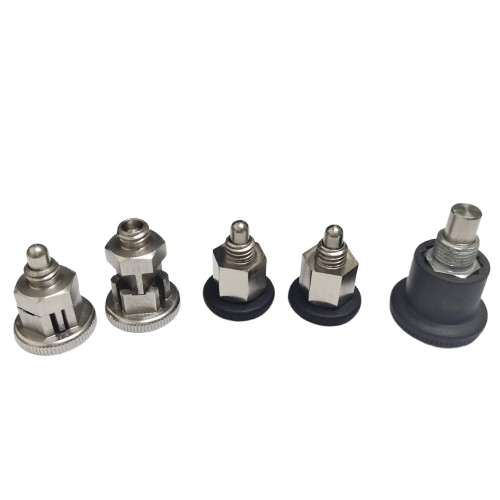
Quick release pins are versatile mechanical fasteners designed to securely hold components together while allowing for rapid and easy disengagement. They are widely used in industries such as manufacturing, automotive, aerospace, and construction, where quick assembly and disassembly are essential. Understanding how quick release pins work can help engineers and designers select the right type for their specific applications. Below, we explore the mechanics, components, and operation of quick release pins.
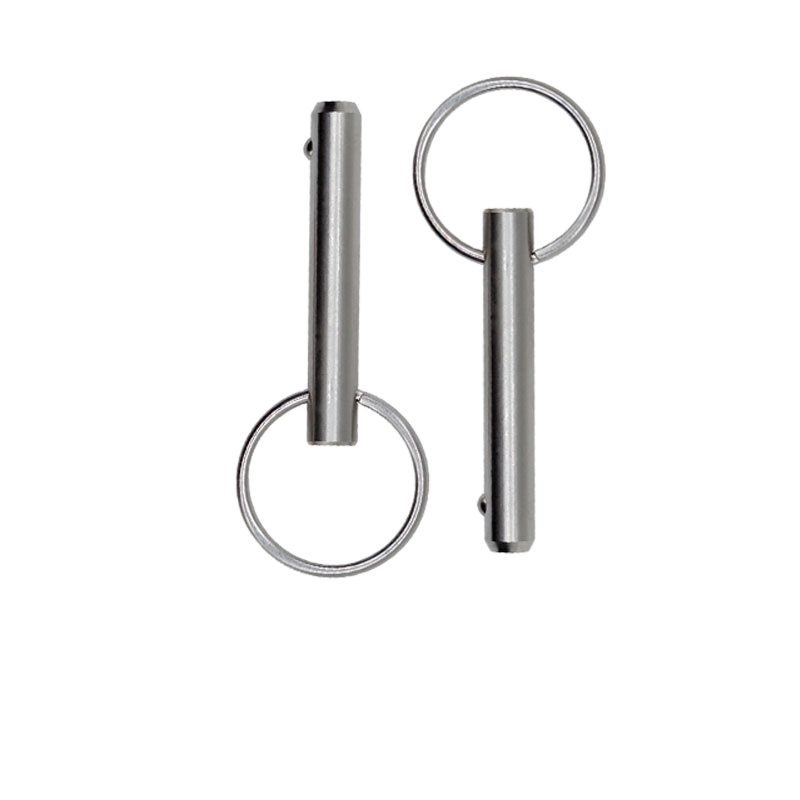
1. Basic Components of Quick Release Pins
Quick release pins consist of several key components that work together to provide secure fastening and quick release:
a. Pin Body
-
The main shaft of the pin, typically cylindrical, which inserts into the mating hole of the components to be fastened.
b. Handle
-
A lever or knob attached to the pin body, used to operate the pin. The handle can be pulled, pushed, or turned to engage or disengage the locking mechanism.
c. Spring Mechanism
-
A spring inside the pin body provides the necessary force to keep the pin locked in place. It also allows the pin to retract when the handle is actuated.
d. Locking Balls or Detents
-
Small ball bearings or detents that protrude from the pin body when the pin is locked. These balls engage with grooves or recesses in the mating hole to secure the pin.
e. Release Mechanism
-
A mechanism that retracts the locking balls or detents when the handle is actuated, allowing the pin to be removed.
2. Types of Quick Release Pins
There are several types of quick release pins, each designed for specific applications and operating conditions:
a. Ball Lock Pins
-
Feature spring-loaded ball bearings that engage with a groove in the mating hole to lock the pin in place.
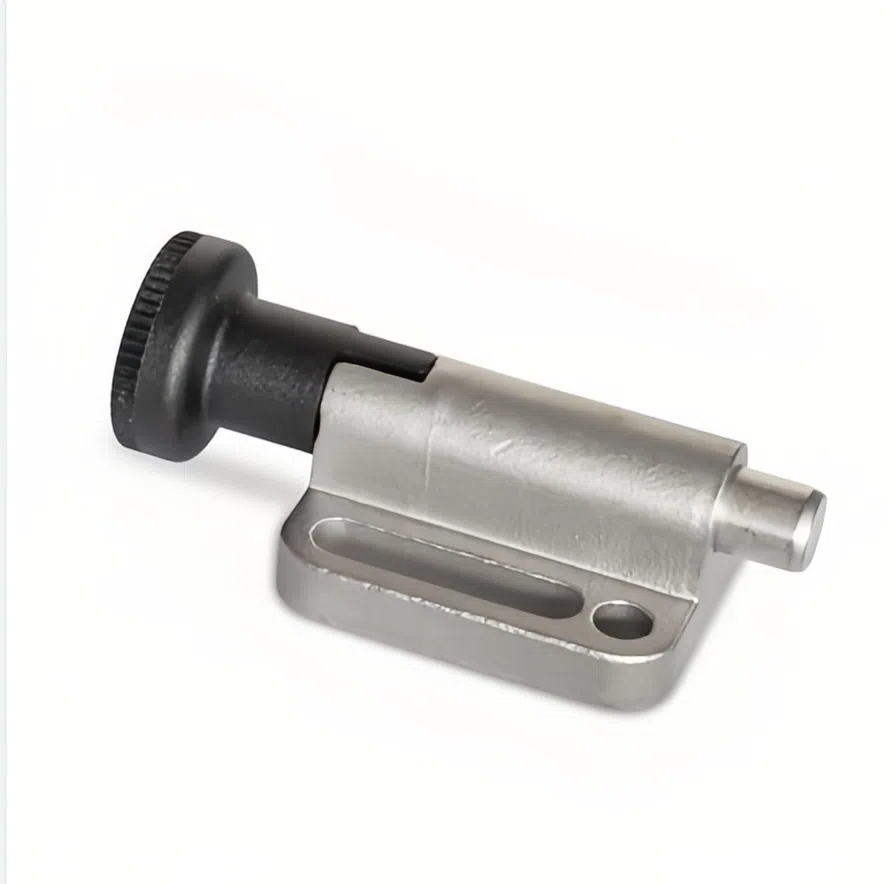
b. Spring-Loaded Pins
-
Use a spring to push the pin into the locked position. The pin can be released by pulling the handle against the spring force.
c. Lanyard Pins
-
Equipped with a lanyard or tether for easy retrieval and to prevent loss in high-vibration environments.
d. Button Release Pins
-
Incorporate a button on the handle that, when pressed, retracts the locking balls or detents to release the pin.
e. T-Handle Pins
-
Feature a T-shaped handle for easy gripping and operation, often used in heavy-duty applications.
3. How Quick Release Pins Work
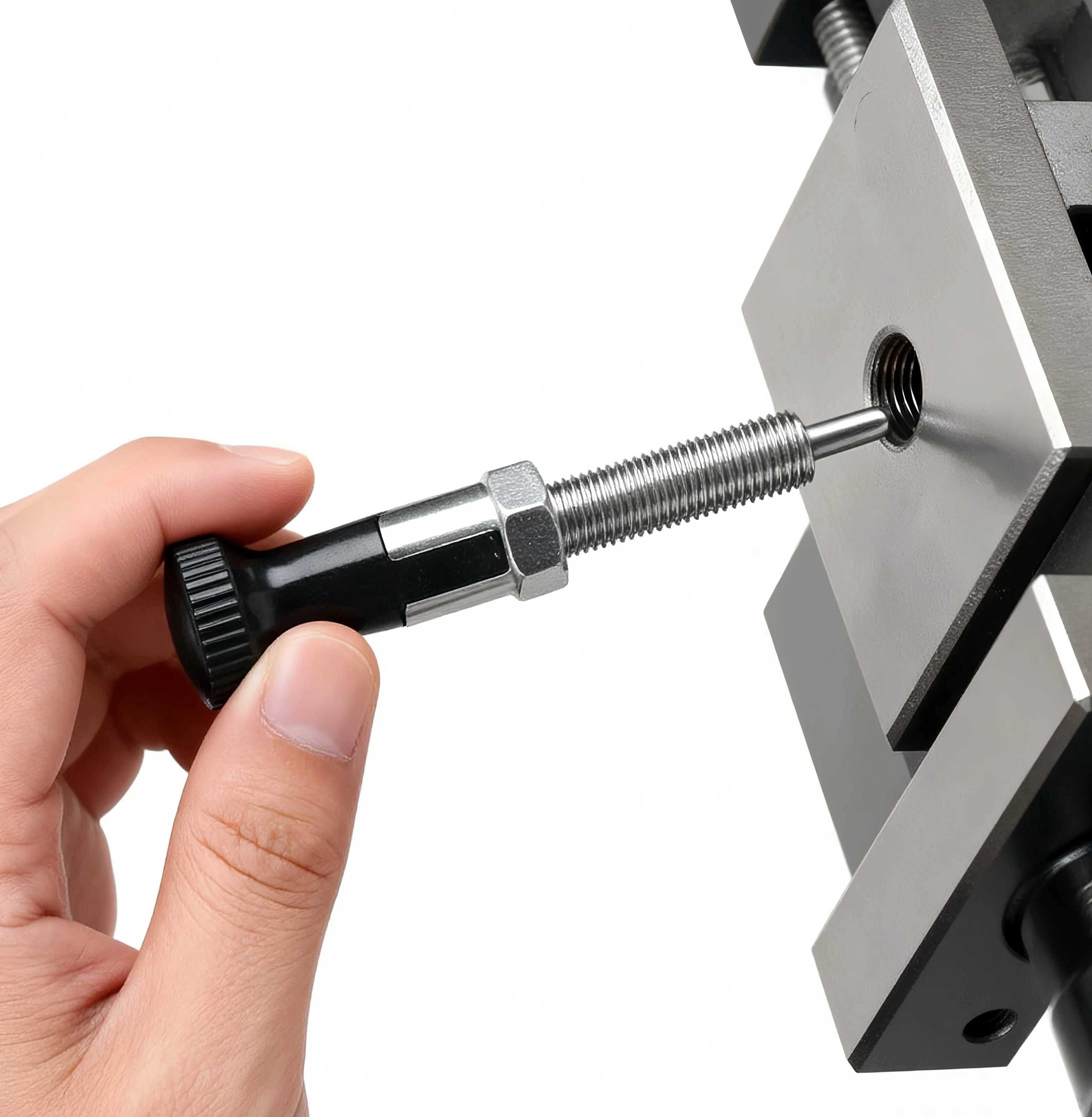
The operation of quick release pins involves a series of steps that ensure secure fastening and quick disengagement:
a. Insertion
-
Align the Pin: Align the pin body with the mating hole in the components to be fastened.
-
Insert the Pin: Push the pin into the hole. The spring mechanism compresses, allowing the locking balls or detents to retract into the pin body.
b. Locking
-
Engage the Locking Mechanism: Once the pin is fully inserted, the spring mechanism pushes the locking balls or detents outward into the groove or recess in the mating hole.
-
Secure Fastening: The engagement of the locking balls or detents with the groove securely holds the pin in place, preventing it from being pulled out unintentionally.
c. Release
-
Actuate the Handle: To release the pin, pull, push, or turn the handle, depending on the pin type. This action compresses the spring and retracts the locking balls or detents.
-
Remove the Pin: With the locking balls or detents retracted, the pin can be easily pulled out of the mating hole.
4. Applications of Quick Release Pins
Quick release pins are used in a wide range of applications across various industries:
a. Manufacturing and Machinery
-
Tooling and Fixtures: For quick and secure attachment of jigs and fixtures.
-
Assembly Lines: To facilitate rapid assembly and disassembly of components.
b. Automotive Industry
-
Gear Shifters: For secure and quick adjustment of gear positions.
-
Seat Adjustments: To enable easy repositioning of car seats.
c. Aerospace Industry
-
Aircraft Panels: For quick access to internal components during maintenance.
-
Landing Gear: To secure and release landing gear components.
d. Construction
-
Scaffolding: For quick assembly and disassembly of scaffolding structures.
-
Heavy Equipment: To secure attachments and accessories on construction machinery.
e. Sports and Recreation
-
Bicycles: For quick adjustment of seat posts and handlebars.
-
Camping Gear: To secure and release tent poles and other equipment.
5. Advantages of Quick Release Pins
Quick release pins offer several benefits that make them ideal for various applications:
a. Ease of Use
-
Designed for quick and easy operation, reducing assembly and disassembly time.
b. Secure Fastening
-
Provide a reliable and secure connection, preventing accidental disengagement.
c. Versatility
-
Available in various types and sizes to suit different applications and load requirements.
d. Durability
-
Made from high-quality materials, ensuring long-lasting performance even in demanding environments.
e. Safety
-
Equipped with features such as lanyards and tethers to prevent loss and enhance safety.
Learn how quick release pins work! Explore their spring-loaded mechanism for easy, tool-free locking and releasing, perfect for industrial, automotive, and machinery applications.
Lock Pin Sizes
How Are Quick Release Pins Made
Related Article