How Does A Retractable Spring Mechanism Work
How Does a Retractable Spring Mechanism Work? Unlocking the Secrets of Controlled Motion
Introduction
In the world of mechanical engineering, retractable spring mechanisms are a cornerstone of precision and efficiency. These devices, which use the energy stored in a spring to control motion, are widely used in applications ranging from industrial machinery to everyday consumer products. But how exactly does a retractable spring mechanism work, and why is it so effective? This article explores the principles, components, and applications of retractable spring mechanisms.
What is a Retractable Spring Mechanism?
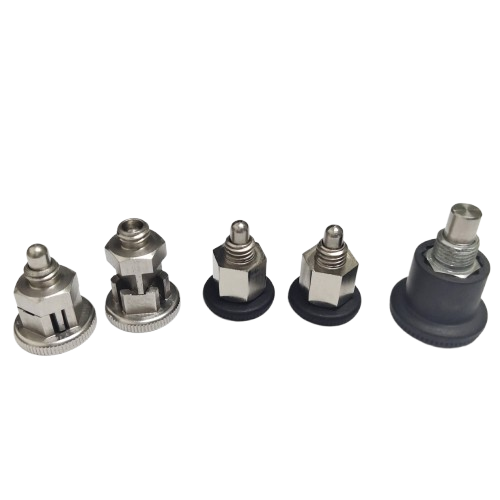
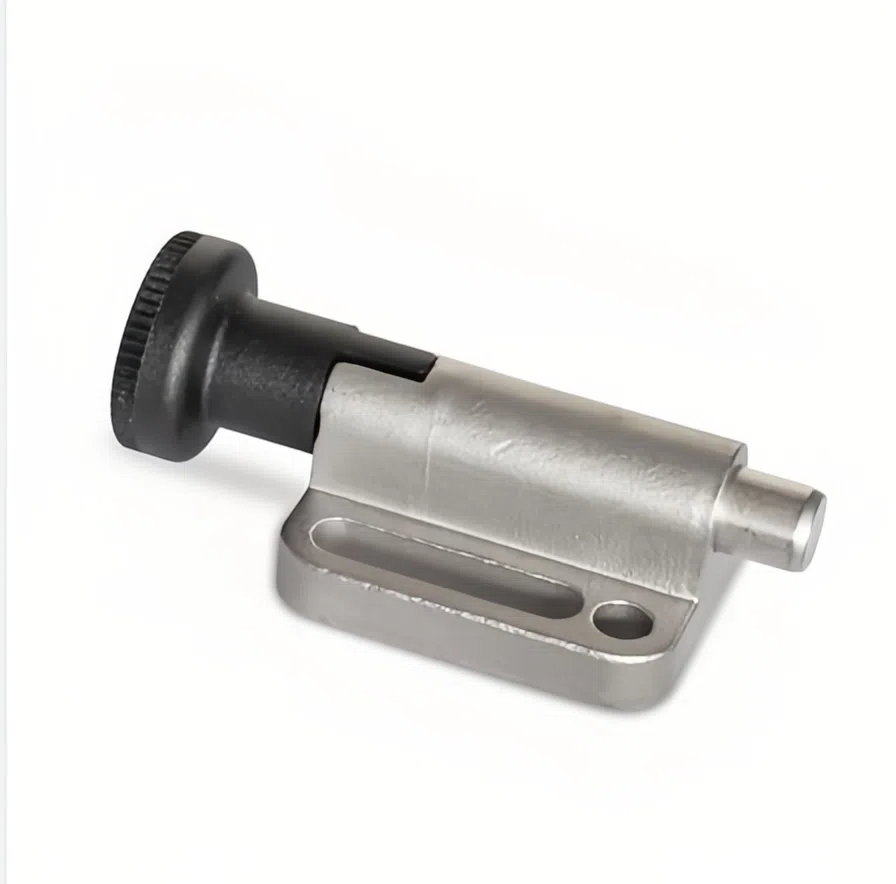
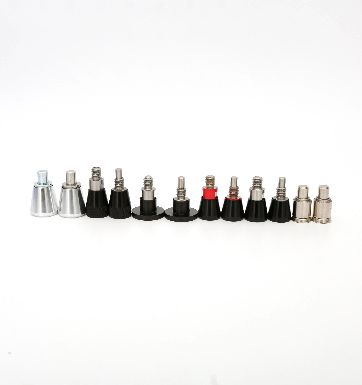
A retractable spring mechanism is a mechanical device that uses a spring to store and release energy, enabling controlled motion. It typically consists of a spring-loaded plunger or pin that can extend and retract within a housing. When force is applied, the spring compresses, allowing the plunger to retract. Once the force is removed, the spring expands, pushing the plunger back to its original position. This mechanism is valued for its simplicity, reliability, and ability to provide precise control over movement.
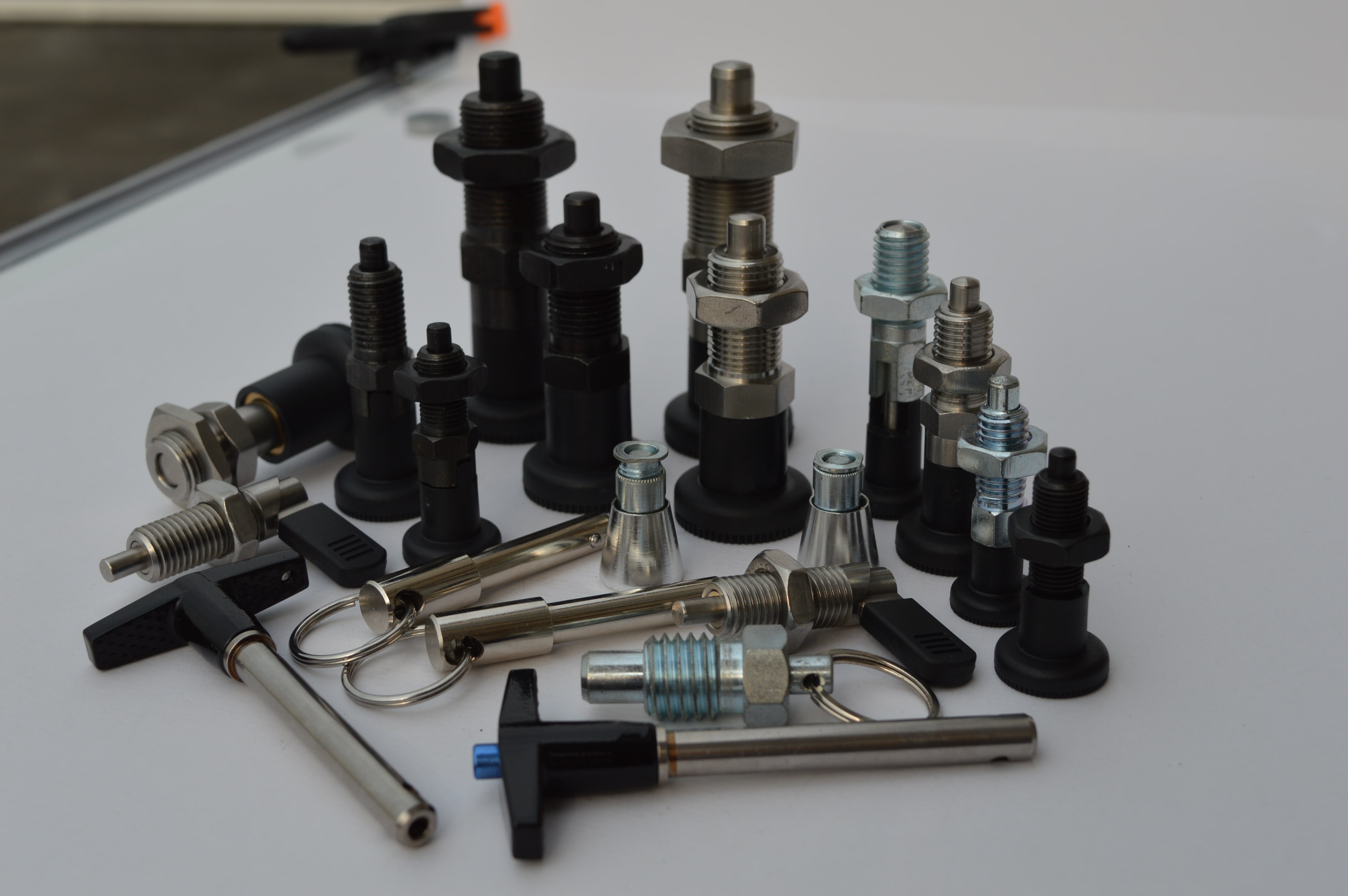
Key Components of a Retractable Spring Mechanism
-
Spring: The core component that stores and releases energy. It can be a compression, tension, or torsion spring, depending on the application.
-
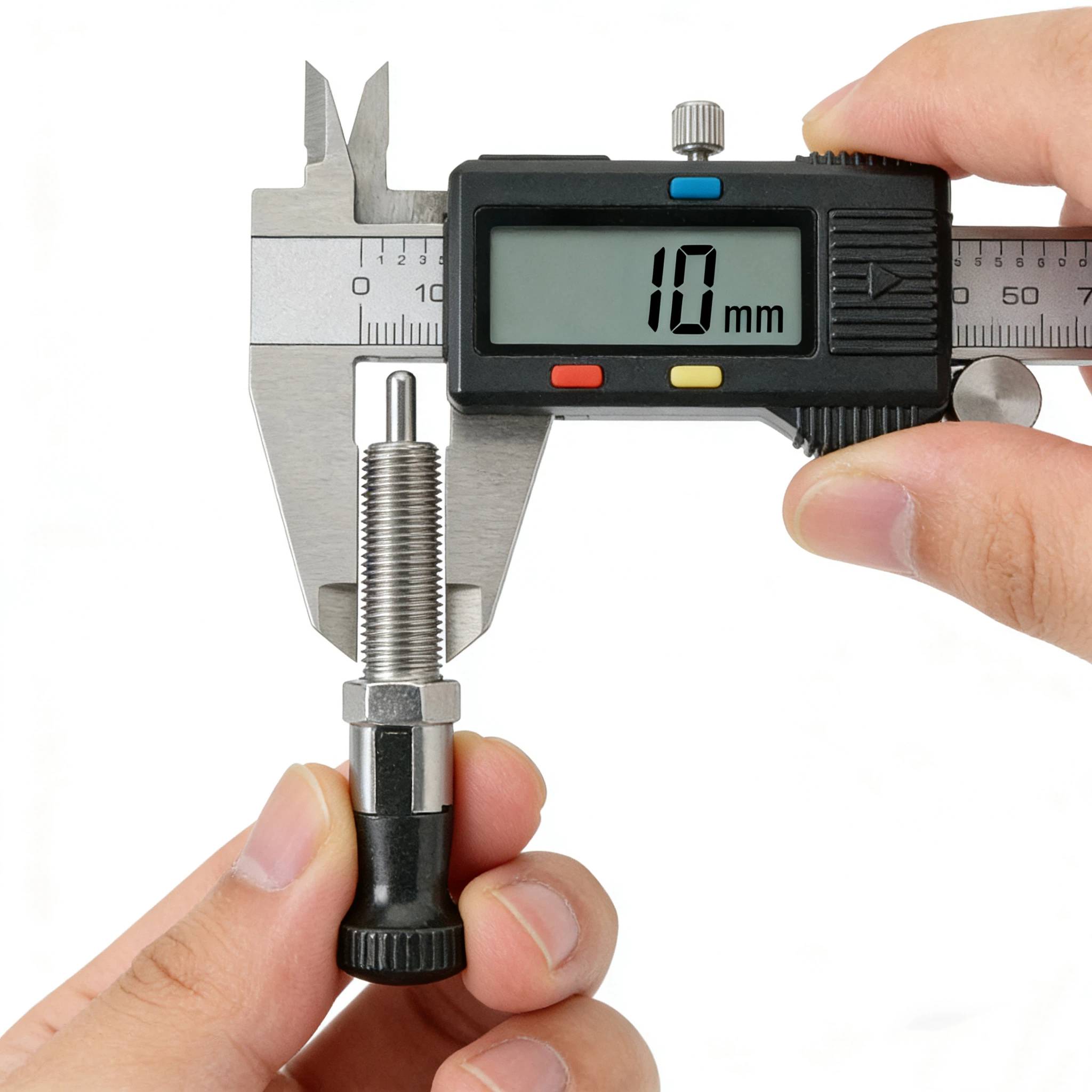
Plunger or Pin: The moving part that extends and retracts, often featuring a ball or flat tip for engagement.
-
Housing: The outer structure that holds the spring and plunger in place, ensuring smooth operation.
-
Detent (Optional): A recess or hole that the plunger engages with to lock components in place.
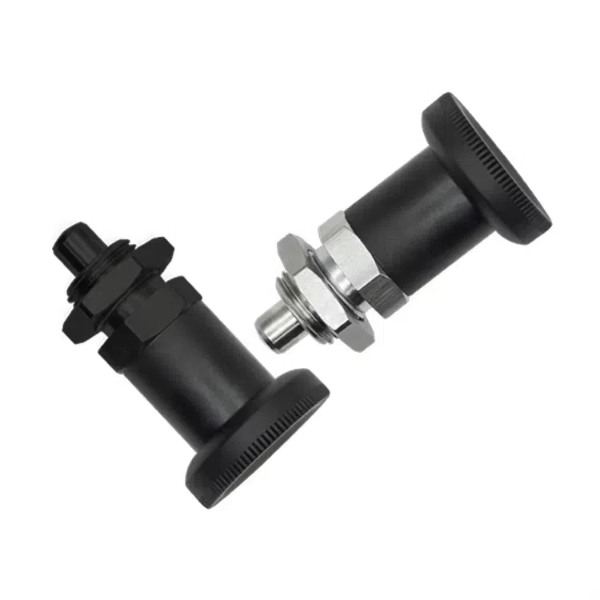
How Does a Retractable Spring Mechanism Work?
The operation of a retractable spring mechanism is based on the principles of spring energy and controlled motion:
-
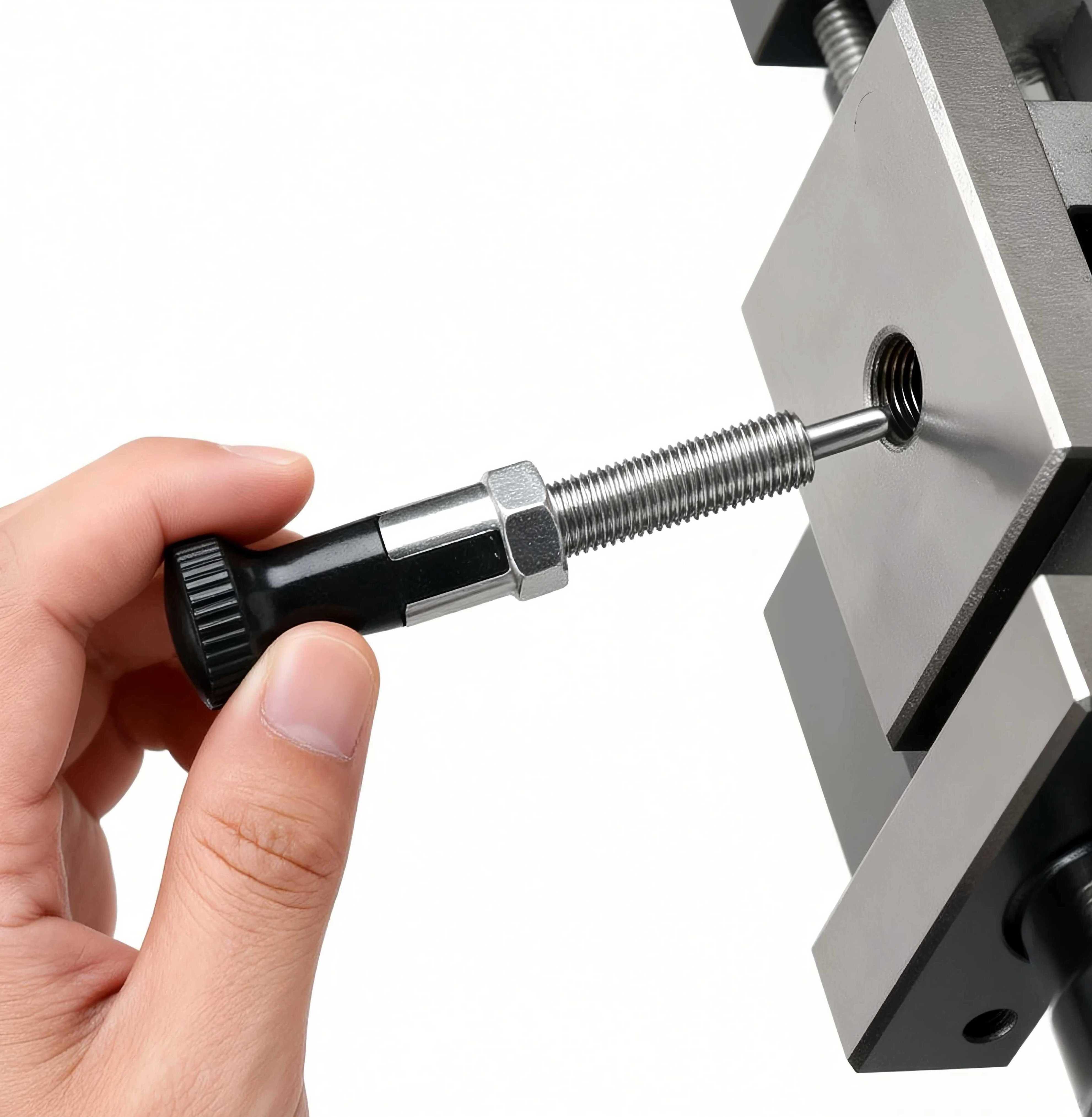
Extension: In its default state, the spring is relaxed, and the plunger is fully extended, engaging with a detent or holding a component in place.
-
Retraction: When an external force is applied, the plunger compresses the spring, retracting into the housing. This allows the component to move or release.
-
Re-extension: Once the force is removed, the spring expands, pushing the plunger back to its extended position and securing the component again.
This cycle of extension and retraction ensures controlled motion and reliable operation, making retractable spring mechanisms ideal for a wide range of applications.
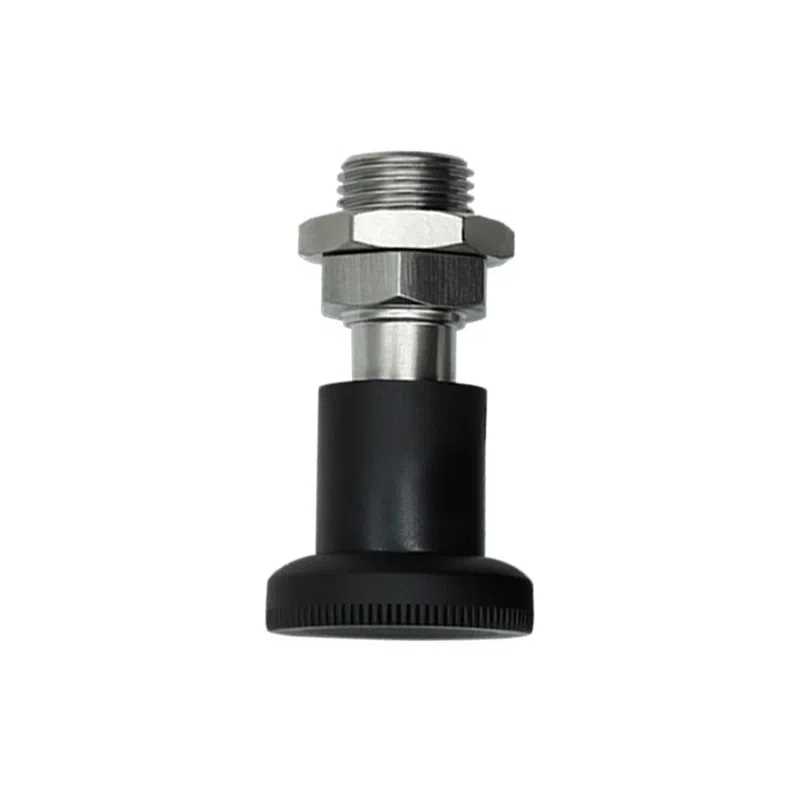
Applications of Retractable Spring Mechanisms
Retractable spring mechanisms are used in numerous industries and applications, including:
-
Industrial Machinery: For tooling, fixtures, and positioning systems.
-
Automotive: In gear shifters, seat adjustments, and door latches.
-
Aerospace: For securing panels, cargo systems, and control surfaces.
-
Consumer Electronics: In foldable devices, pop-up mechanisms, and adjustable stands.
-
Medical Devices: For surgical instruments and diagnostic equipment.
-
Furniture: In foldable tables, chairs, and modular designs.
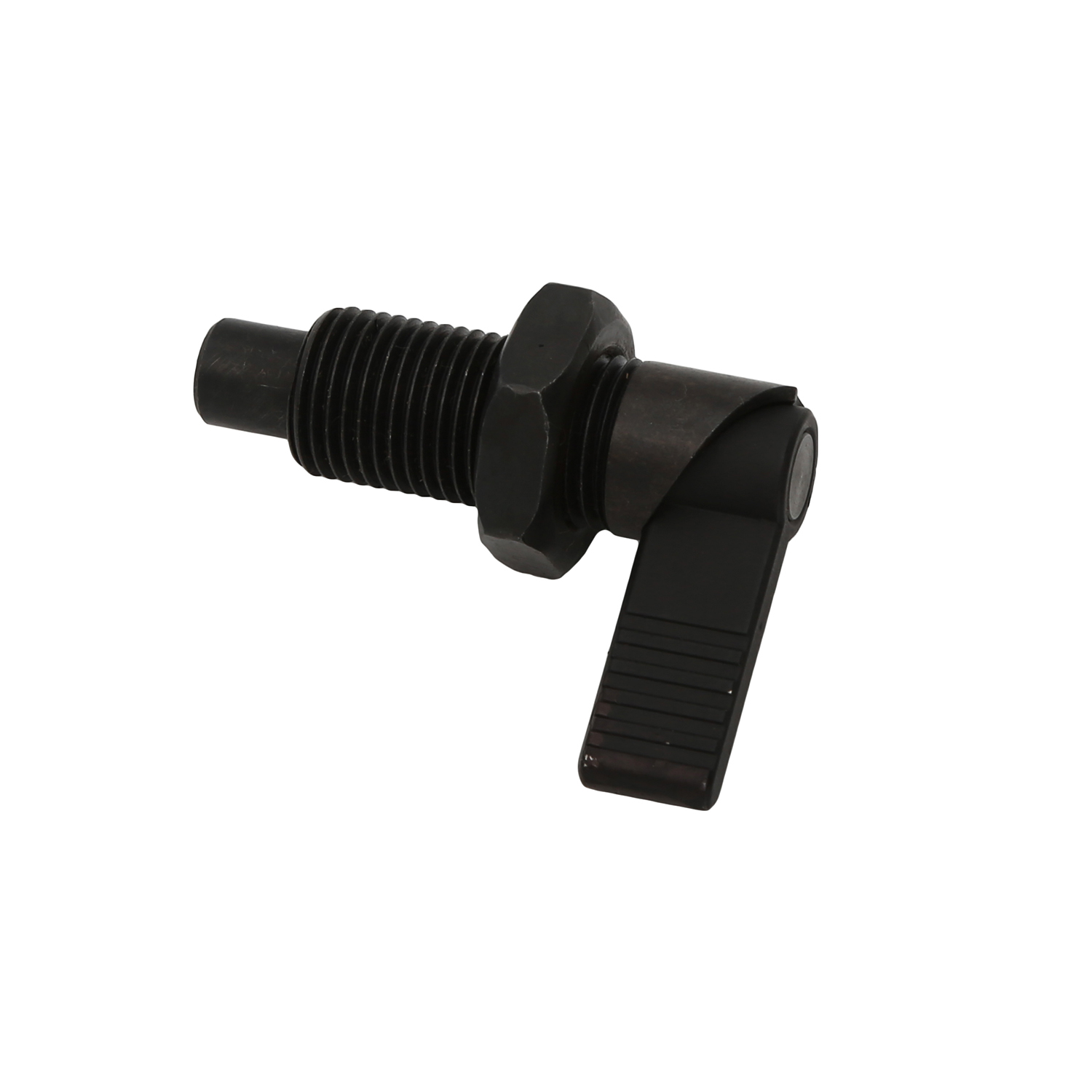
Advantages of Retractable Spring Mechanisms
-
Precision: Provides accurate and repeatable motion control.
-
Reliability: Simple design ensures consistent performance over time.
-
Ease of Use: Requires minimal effort to operate, often with a simple push or pull.
-
Versatility: Can be customized for various applications and load requirements.
-
Compact Design: Ideal for applications with limited space.
Challenges in Using Retractable Spring Mechanisms
While these mechanisms offer many benefits, there are some challenges to consider:
-
Spring Fatigue: Over time, springs may lose their elasticity, reducing performance.
-
Load Capacity: May not be suitable for extremely high-load applications.
-
Precision Requirements: Requires precise alignment and design for optimal functionality.
Innovations in Retractable Spring Mechanisms
As technology advances, retractable spring mechanisms are being enhanced with new features:
-
Self-Lubricating Materials: Reducing wear and extending lifespan.
-
Corrosion-Resistant Coatings: Improving durability in harsh environments.
-
Smart Mechanisms: Integrating sensors to monitor tension and wear in real time.
Expert Insights
Dr. Laura Simmons, a mechanical design engineer, explains:
"Retractable spring mechanisms are a perfect example of how a simple concept can solve complex problems. Their ability to deliver precise, reliable motion control makes them indispensable in modern engineering."
Discover how a retractable spring mechanism works and how it provides precise positioning and reliable performance in industrial applications. Durable and efficient, they ensure smooth operation. Contact us today.
Quick Release Fasteners
What Is Pin Detent
Related Article