How Does A Spring Plunger Work
How Does A Spring Plunger Work?
Introduction to Spring Plungers
Spring plungers are compact mechanical components designed for positioning, indexing, locking, and locating various elements within an assembly. These precision devices use a spring-loaded ball or pin to exert consistent pressure, providing a secure hold or alignment during operation. Found across industries—from automotive to electronics—spring plungers offer a reliable, reusable, and easy-to-install solution to keep parts in position.
This article delves into the mechanics of spring plungers, how they work, their different types, advantages, applications, and how they compare to other similar components.
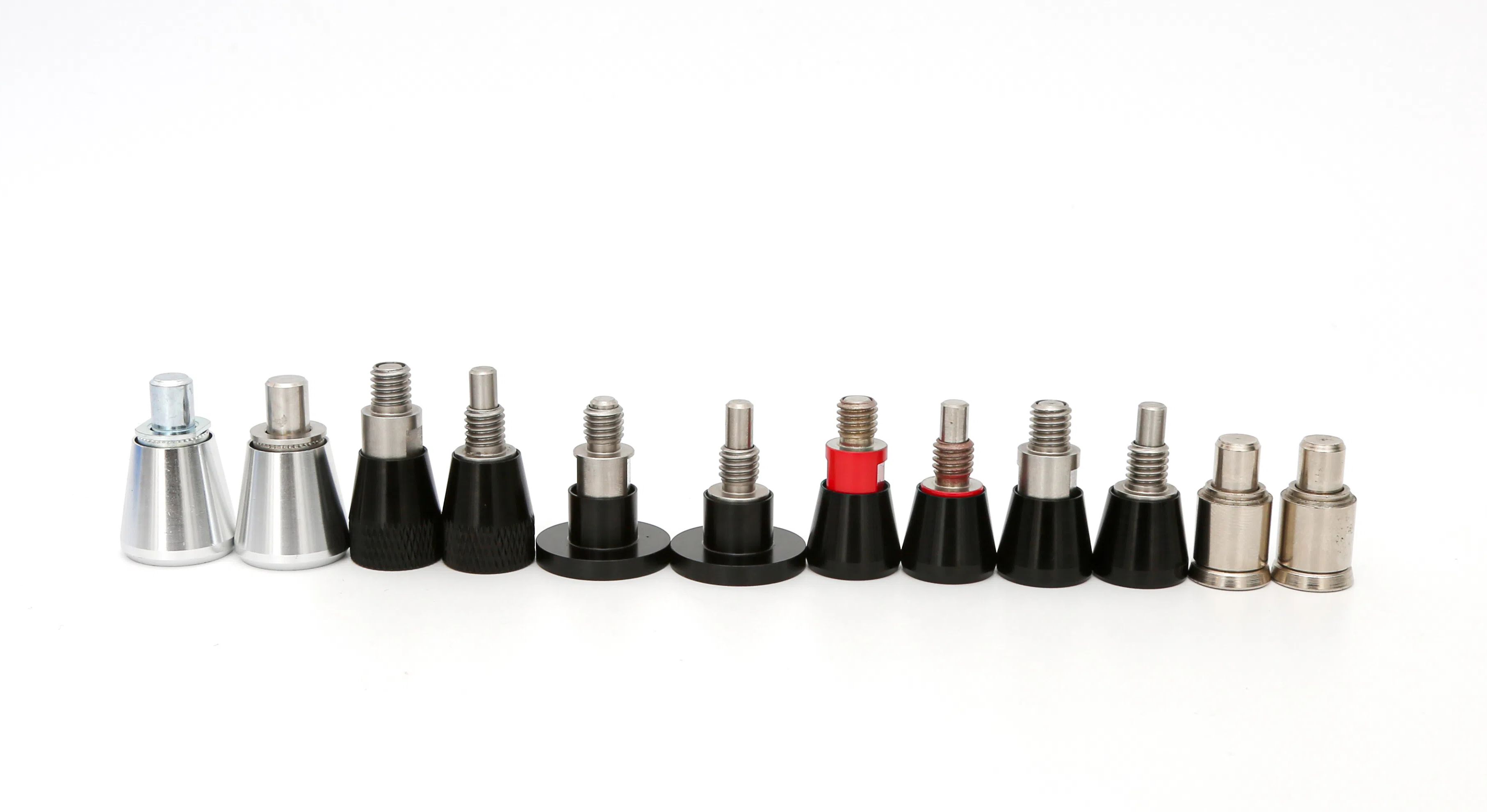
Basic Structure of a Spring Plunger
At its core, a spring plunger comprises the following essential components:
-
Body: Typically made from steel, stainless steel, or plastic, it houses all internal elements.
-
Spring: Usually a compression spring, responsible for exerting force on the pin or ball.
-
Plunger (Pin or Ball): The part that extends and retracts based on spring compression.
-
Threading (Optional): Many plungers are threaded to enable easy installation in pre-drilled holes.
The spring constantly applies pressure, pushing the plunger outward. When external force pushes the plunger back into the body, the spring compresses. Once the force is removed, the spring releases, pushing the plunger back to its default position.
How a Spring Plunger Works: Step-by-Step Process
-
Initial Position: The spring is at rest, and the plunger is extended outward.
-
Force Application: An external component pushes against the plunger, compressing the internal spring.
-
Temporary Retraction: As the spring compresses, the plunger recedes into the body, allowing movement or adjustment of components.
-
Force Removal: The external component is removed or moves past the plunger.
-
Spring Release: The spring pushes the plunger back out, locking or aligning the part in a precise position.
This simple but effective motion makes spring plungers valuable in systems that require frequent assembly and disassembly or repeated positioning.

Types of Spring Plungers
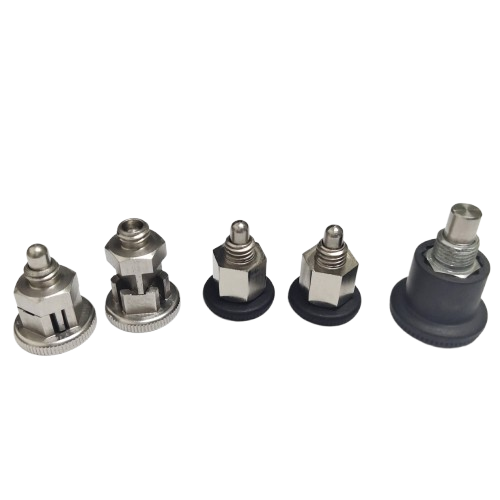
Ball Plungers
These use a rounded ball at the tip for smooth engagement with mating components. Ideal for soft-touch applications or sliding surfaces.
Pin Plungers
Feature a cylindrical or pointed pin tip, often used in applications requiring more precise or stronger engagement.
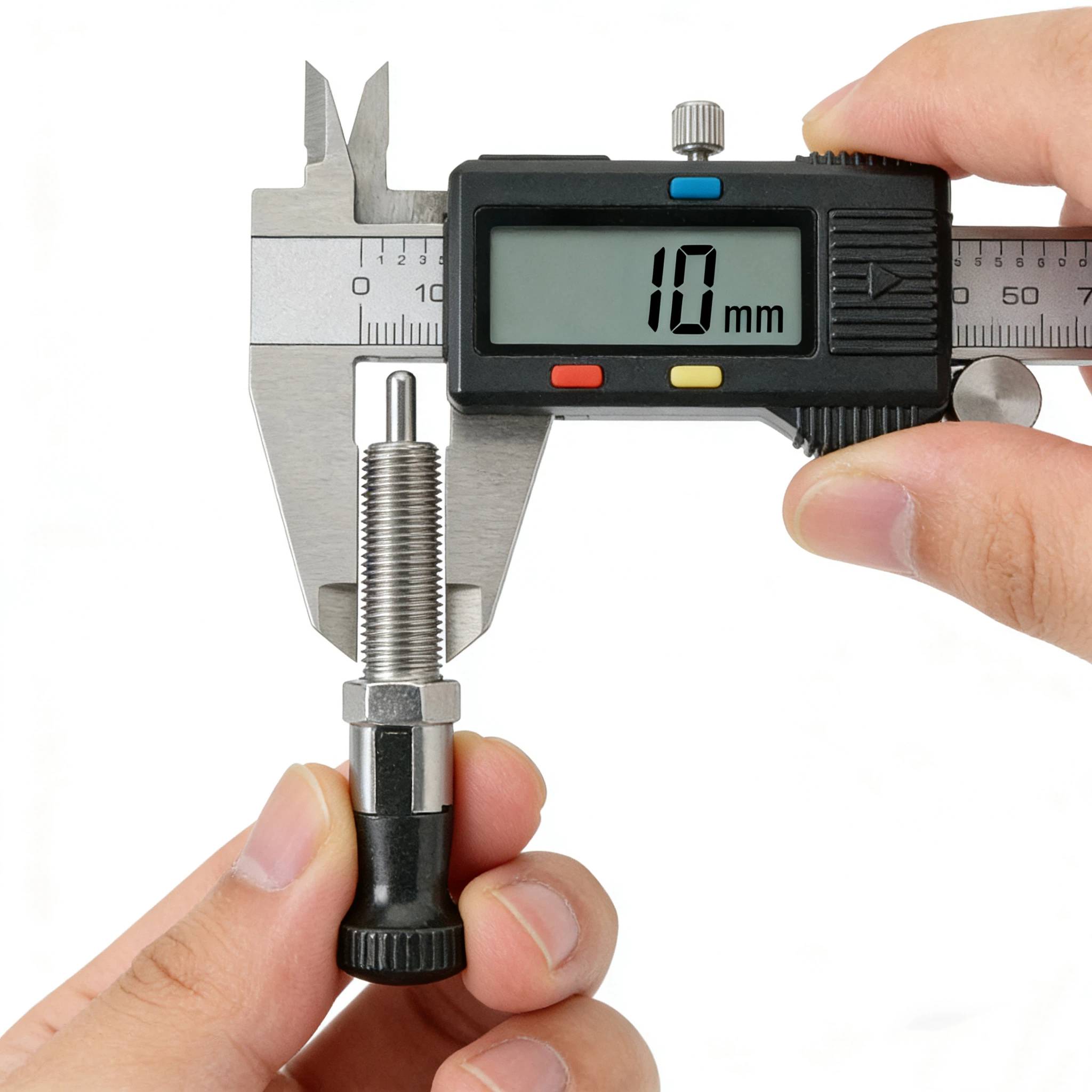
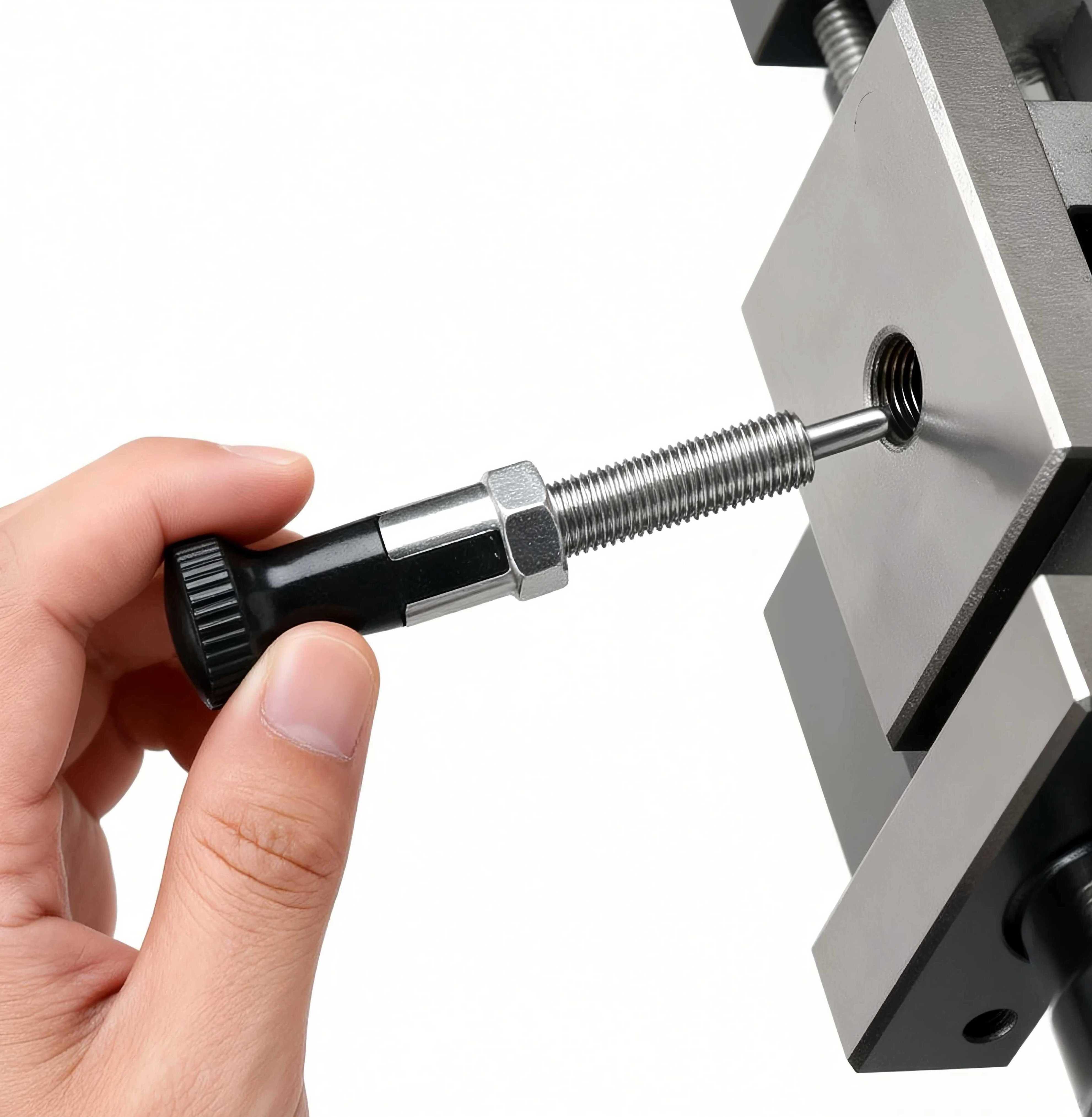
Threaded Spring Plungers
Equipped with external threads for screw-in installation, ensuring a secure and adjustable fit.
Press-Fit Plungers
Designed without threads, these are pressed into position with friction and often used in lightweight assemblies.
Stainless Steel Spring Plungers
Perfect for harsh or corrosive environments, such as marine, chemical, or food processing industries.
Materials and Finishes
The performance and longevity of spring plungers depend significantly on their material:
-
Steel: Offers strength and durability but may rust in corrosive environments.
-
Stainless Steel: Provides excellent corrosion resistance.
-
Plastic/Polymer: Lightweight and suitable for delicate or non-metallic assemblies.
-
Finish Options: Black oxide, zinc plating, and passivation enhance corrosion resistance and aesthetics.
Key Features and Advantages
-
Consistent Force Application: Ensures reliable positioning or locking every time.
-
Compact Design: Fits into small or confined spaces.
-
Versatility: Compatible with a wide variety of surfaces and materials.
-
Ease of Installation: Especially threaded models, which can be replaced or adjusted quickly.
-
Reusability: Ideal for applications that undergo frequent repositioning.
Applications of Spring Plungers
Spring plungers are commonly found in:
-
Fixtures and Jigs: For locking components in place during machining or testing.
-
Electronics: Holding circuit boards in precise alignment.
-
Automotive Industry: Positioning interior components or parts within engine compartments.
-
Furniture Assembly: Used in latching systems or adjustable legs.
-
Medical Equipment: Non-invasive locking and positioning in sensitive tools.
-
Industrial Machinery: Indexing rotating parts or locking adjustable arms.
Installation Considerations
-
Thread Engagement: Ensure the thread length matches the hole depth for optimal stability.
-
Preload Pressure: Choose a spring force that matches the application’s resistance.
-
Material Compatibility: Use stainless steel or coated versions in corrosive environments.
-
Wear Resistance: Consider ball material in high-cycle applications to reduce wear on mating parts.
Comparison with Other Components
| Feature | Spring Plungers | Detent Pins | Indexing Plungers |
|---|---|---|---|
| Reusability | High | Medium | High |
| Positioning Accuracy | Medium | Low | High |
| Load Capacity | Medium | High | High |
| Ease of Installation | High | Medium | Medium |
While spring plungers excel in ease of use and repeatability, they may not be suitable for applications requiring high load retention or locking in place under vibration.
Troubleshooting Common Issues
Plunger Doesn’t Retract Properly
-
Check for debris or dirt blocking the mechanism.
-
Inspect the spring for corrosion or breakage.
Plunger Wears Out Quickly
-
Re-evaluate mating material for excessive hardness or friction.
-
Consider using a ball plunger instead of a pin-type.
Spring Force Too Weak/Strong
-
Replace with a different load rating suited to the application’s requirements.
Standard Sizes and Dimensions
| Part Number | Thread Size | Total Length (mm) | Stroke Length (mm) | Material |
|---|---|---|---|---|
| SP-M6-15 | M6 | 15 | 2 | Stainless Steel |
| SP-M8-20 | M8 | 20 | 3 | Steel, Black Oxide |
| SP-M10-25 | M10 | 25 | 4 | Plastic Body, Steel Spring |
| SP-M12-30 | M12 | 30 | 5 | Stainless Steel |
| SP-M6-18B | M6 | 18 | 2.5 | Ball Plunger Type |
Innovations and Future Trends
Spring plungers continue to evolve with new materials, such as high-performance polymers and hybrid alloys. Manufacturers are also introducing:
-
Adjustable Force Spring Plungers
-
Miniature Plungers for Micro-Applications
-
Self-Locking Plunger Designs
-
Tool-Free Installation Systems
With the rise of automation and precision systems, demand for compact, repeatable positioning tools like spring plungers will only grow.
Learn how a spring plunger works—a simple yet effective mechanism for precise positioning and secure fastening in industrial, automotive, and machinery applications. Durable, reliable, and easy to install!
Spring plungers may appear simple, but their mechanical function is vital across a wide range of industries. Their ability to maintain position, deliver consistent force, and provide reusability makes them indispensable in many engineering and manufacturing applications. Whether you're designing a jig, assembling electronics, or building custom machinery, understanding how a spring plunger works ensures you choose the right type for performance and longevity.
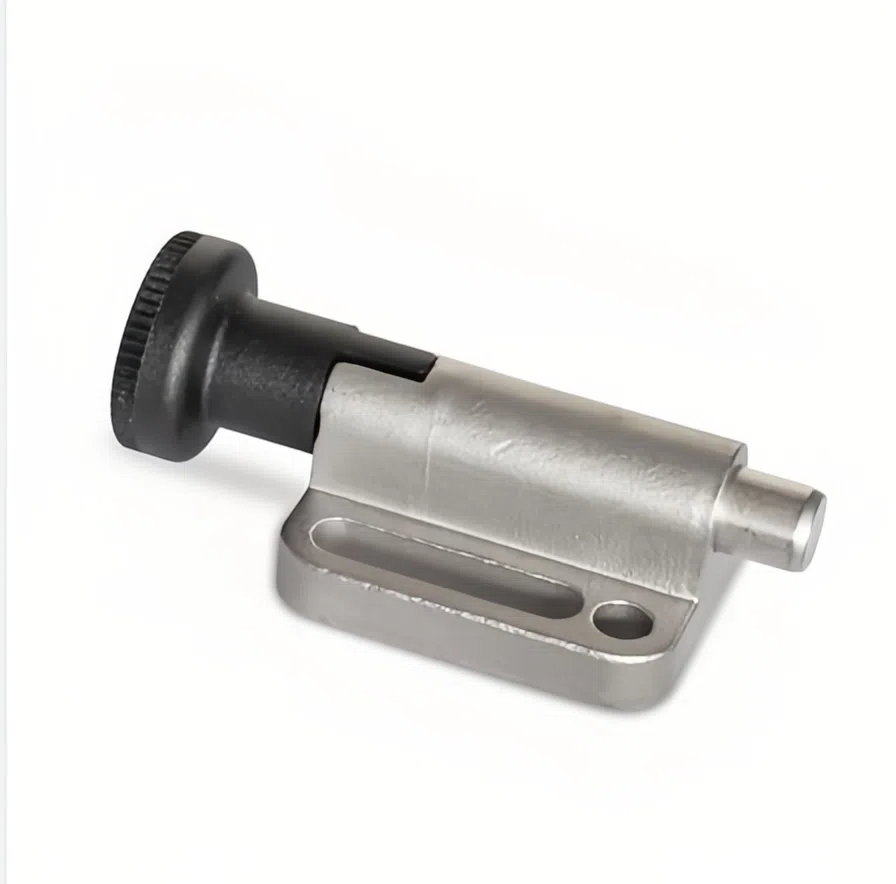
Spring Loaded Locating Pin
Spring Loaded Pin Lock
Related Article