How Does Ball Lock Mounting System Work
author: Lucia Liu
2025-11-19
Table of Contents
What Is Ball Lock Mounting System? Ball Lock Shank: Core Positioning and Locking Mechanism Ball Lock Liner Face Mount Receiver Bushing Back Mount Receiver Bushing Working Principle FAQHow Does Ball Lock Mounting System Work
What Is Ball Lock Mounting System?
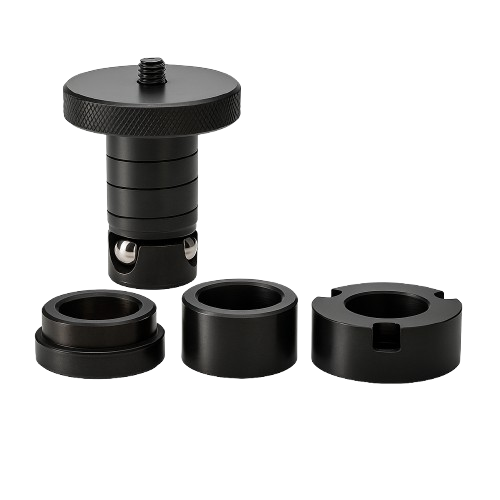
Mocayo ball lock mounting system contains a ball lock shank, ball lock liner, face mount receiver bushing and back mount receiver bushing. The shank featuring ball lock at the side end for inserting into the bushings. All components operate in concert to achieve stable connections and high repeatability. The Ball Lock Mounting System is widely adopted in CNC machining, automated equipment, inspection fixtures, and tooling due to its stability, convenience, and high versatility. It enables rapid assembly and disassembly of modules without compromising precision.
Ball Lock Shank: Core Positioning and Locking Mechanism
The Ball Lock Shank forms the core of the entire Ball Lock Mounting System. Its exterior typically resembles a handle, while its internal structure comprises a locking ball, spring, and central pull pin. When the shank is inserted into a mating hole, the locking ball expands outward under pressure from the pull pin, achieving precise mechanical locking.
Most users select either stainless steel or black oxided steel material based on their requirements.
The Ball Lock Shank forms the core of the entire Ball Lock Mounting System. Its exterior typically resembles a handle, while its internal structure comprises a locking ball, spring, and central pull pin. When the shank is inserted into a mating hole, the locking ball expands outward under pressure from the pull pin, achieving precise mechanical locking.
Most users select either stainless steel or black oxided steel material based on their requirements.
Ball Lock Liner
The Ball Lock Liner is a guide bushing mounted on a base or fixture, primarily tasked with providing precise positioning for shank insertion. Its inner bore undergoes precision machining to minimize deviation and ensure stable contact at the connection point.
The Ball Lock Liner is a guide bushing mounted on a base or fixture, primarily tasked with providing precise positioning for shank insertion. Its inner bore undergoes precision machining to minimize deviation and ensure stable contact at the connection point.
Face Mount Receiver Bushing
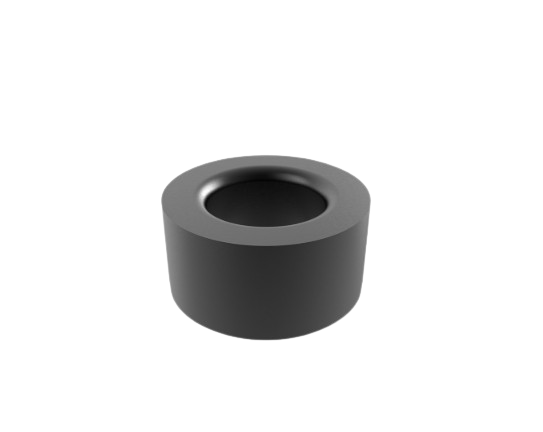
The Face Mount Receiver Bushing is secured to fixtures or tooling via surface mounting. Featuring a ring-shaped bushing structure, it typically employs countersunk screws for fastening, enabling rapid installation on tooling surfaces.
The Face Mount Receiver Bushing is secured to fixtures or tooling via surface mounting. Featuring a ring-shaped bushing structure, it typically employs countersunk screws for fastening, enabling rapid installation on tooling surfaces.

Back Mount Receiver Bushing
Unlike surface mounting, the Back Mount Receiver Bushing secures from the fixture's rear side, making it more suitable for structures with surface layout constraints. This back-mount approach keeps fixture surfaces cleaner while enabling secure connections even in space-constrained environments.
Unlike surface mounting, the Back Mount Receiver Bushing secures from the fixture's rear side, making it more suitable for structures with surface layout constraints. This back-mount approach keeps fixture surfaces cleaner while enabling secure connections even in space-constrained environments.

Working Principle
The operating principle of the Ball Lock Mounting System is straightforward, yet its precision construction enables exceptionally high positioning efficiency and repeatability. The entire process primarily consists of three steps: insertion, locking, and release. When the operator inserts the Ball Lock Shank into the Ball Lock Liner, the guide bushing minimizes misalignment, enabling the shank to quickly find the correct position. As the shank gradually enters the receiver bushing, the internal locking ball remains retracted to facilitate smooth insertion.
At this stage, the bushing material—such as stainless steel—plays a crucial role in providing wear resistance and corrosion protection.
The operating principle of the Ball Lock Mounting System is straightforward, yet its precision construction enables exceptionally high positioning efficiency and repeatability. The entire process primarily consists of three steps: insertion, locking, and release. When the operator inserts the Ball Lock Shank into the Ball Lock Liner, the guide bushing minimizes misalignment, enabling the shank to quickly find the correct position. As the shank gradually enters the receiver bushing, the internal locking ball remains retracted to facilitate smooth insertion.
At this stage, the bushing material—such as stainless steel—plays a crucial role in providing wear resistance and corrosion protection.
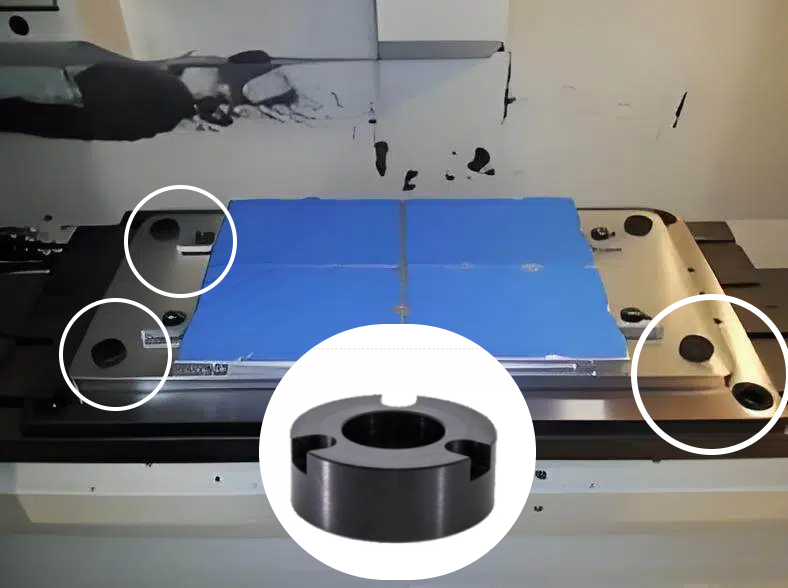
When the shank is fully seated, the center pull pin forces the locking ball to expand outward, ensuring tight contact with the inner wall of the receiver bushing to form a stable lock. At this point, the system achieves the following objectives:
• Securely holds the fixture
• Maintains high repeatability accuracy
• Securely holds the fixture
• Maintains high repeatability accuracy
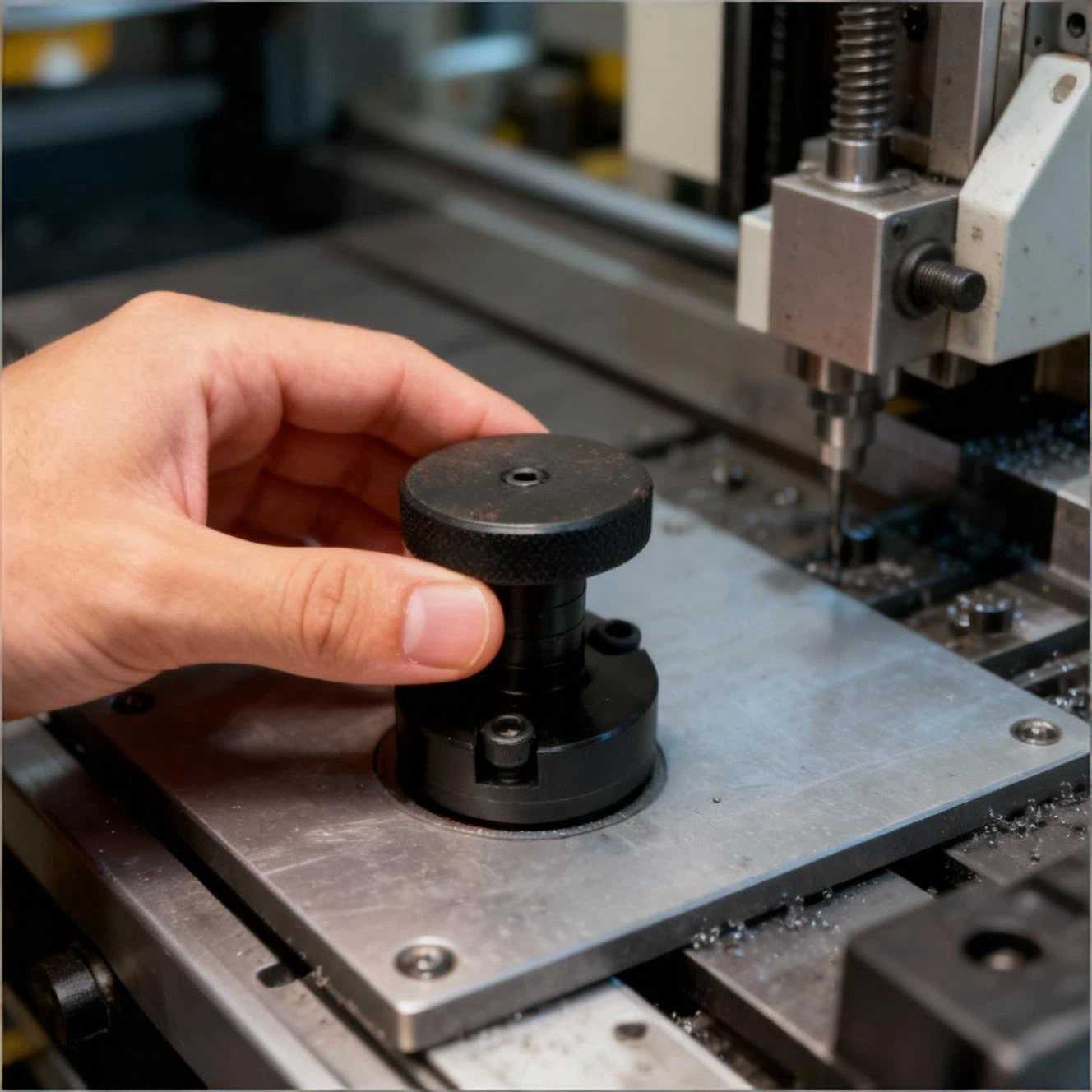
When the operator pulls the button or pull ring on the Ball Lock Shank, the center pull pin moves in the opposite direction, causing the locking ball to retract. At this point, the shank can be easily pulled out, enabling rapid tooling changeover. The entire process takes only a few seconds, significantly reducing production changeover time.
FAQ
Q: Where's the ball lock mounting system installed?
A: The bushings are usually installed into the fixture plates whereas the ball lock shank is inserted into the tapered groove. The multiple plates are connected together in this way for repetitive use.
Q: Do you offer any plates?
A: Sorry we don't provide any sort of metal plates.
Q: How long does the lead time take?
A: It usually takes 10-15 days.
Choose our ball lock components for smooth changeovers and pair them with a precise ball lock mounting system to boost efficiency.
Indexing Plunger Redefines Cooking Precision: The Engineered Lid Positioning System for Modern Cookware
Indexing Plunger Ensures Positive Locking: The Precision Solution for Electric Scooter Frame Security
Related Article
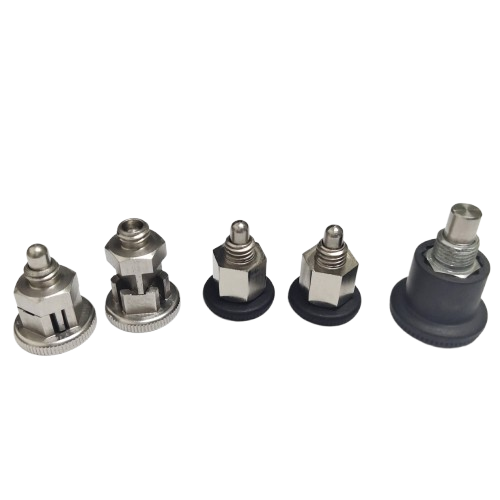
Explore the application of stainless steel materials for customizing mini indexing plungers based on specific operational environments and suitable spaces.
How To Make A Mini Indexing Plunger
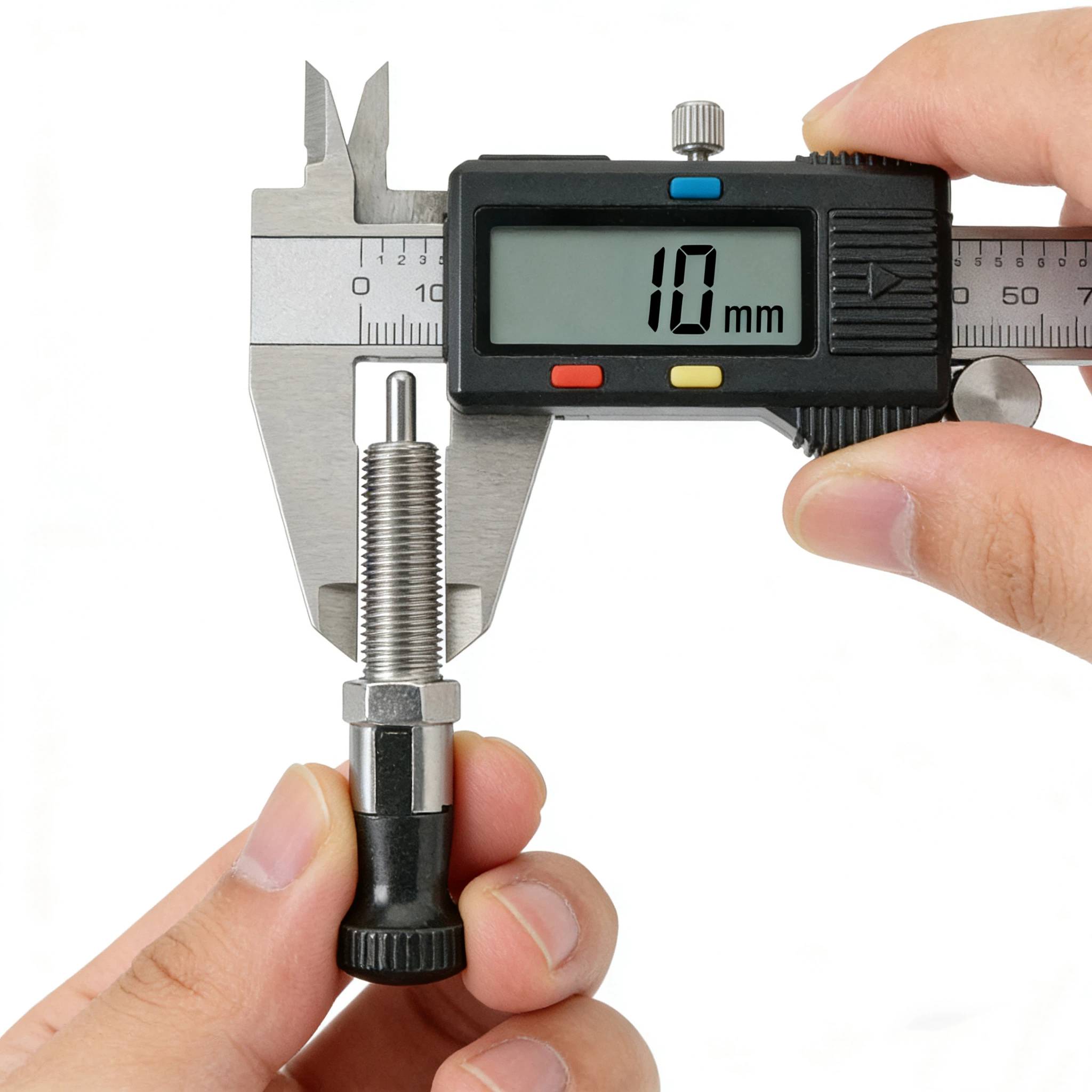
Discover how to choose correct size for indexing elements with confidence. Get precise recommendations that improve positioning accuracy, durability, and overall system performance.
How To Choose Correct Size For Indexing Elements