How To Prevent Rusting
author: Lucia Liu
2025-08-19
How To Prevent Rusting
In metal manufacturing and mechanical applications, preventing rust has always been a core concern for engineers and manufacturers. How to Prevent Rusting is not only a common technical topic but also a crucial aspect of ensuring the long-term operation of equipment and controlling maintenance costs. As industrial applications demand increasing reliability and durability, selecting the appropriate materials and components has become particularly critical. In this context, Mocayo Company's quick release pins, with their excellent rust-resistant properties and user-friendly operation, have emerged as the ideal choice for industrial users.

Metals, especially iron-containing alloys, are highly prone to chemical reactions with oxygen in the air in humid environments, forming iron oxide, commonly known as rust. This rust not only damages the appearance of the metal but, more importantly, weakens its strength and stability, thereby shortening the lifespan of the equipment. For equipment that needs to be used in humid, corrosive environments over the long term, “How to Prevent Rusting” has become a problem that must be addressed.
Common rust prevention methods include:
Surface coating protection: Applying paint, powder coating, or rust-preventive oil to isolate the metal from air and moisture.
Metal plating: Methods such as electroplating with zinc or nickel form a protective layer to enhance corrosion resistance.
Selecting stainless steel materials: inherently reducing rusting through the material's own corrosion-resistant properties.
Regular cleaning and maintenance: removing dust, oil stains, and corrosive media to prevent long-term accumulation and oxidation.
These methods each have their own advantages and disadvantages, but in actual engineering applications, they often need to be combined to achieve the best results.
Mocayo Quick Release Pins' Rust Prevention Advantages
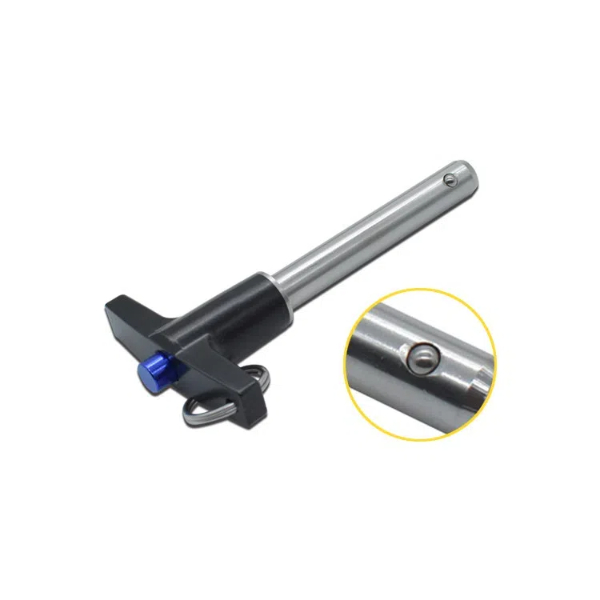
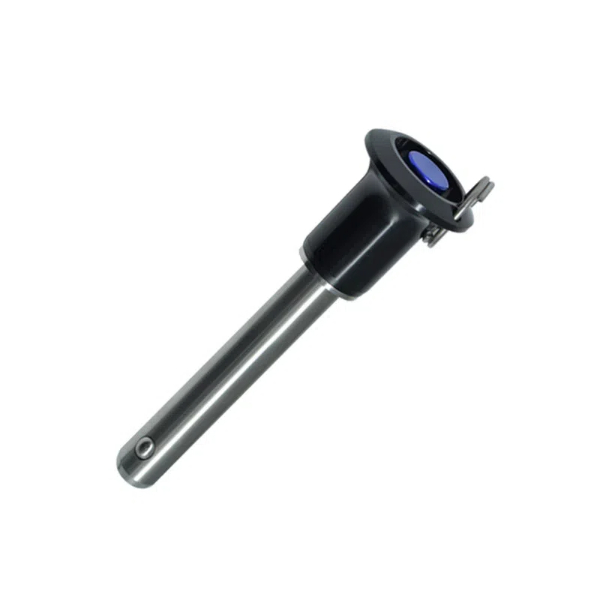
When addressing the issue of “How to Prevent Rusting,” Mocayo's quick release pins offer an efficient solution. Quick release pins are a type of fastening component designed for quick insertion and removal, commonly used in mechanical assembly, mold positioning, and equipment maintenance. Their primary advantage lies not only in their ease of use but also in their material selection and manufacturing process, ensuring superior rust prevention performance.
High-Quality Stainless Steel Materials
Mocayo's quick release pins primarily utilize stainless steel grades such as 303, 304, 316, and 17-4PH. These materials exhibit excellent oxidation resistance and corrosion resistance, effectively preventing rust even in humid or salt fog environments.
Mocayo's quick release pins primarily utilize stainless steel grades such as 303, 304, 316, and 17-4PH. These materials exhibit excellent oxidation resistance and corrosion resistance, effectively preventing rust even in humid or salt fog environments.
Precision processing and surface treatment
The products undergo rigorous surface treatment processes during production, further enhancing their rust resistance. This meticulous process ensures that quick release pins maintain their smooth finish and high performance even after prolonged use.
The products undergo rigorous surface treatment processes during production, further enhancing their rust resistance. This meticulous process ensures that quick release pins maintain their smooth finish and high performance even after prolonged use.
Durability and reliability
Compared to ordinary steel fasteners, Mocayo's quick release pins have a longer service life and lower maintenance costs, making them the preferred choice for industries requiring high strength and corrosion resistance
Compared to ordinary steel fasteners, Mocayo's quick release pins have a longer service life and lower maintenance costs, making them the preferred choice for industries requiring high strength and corrosion resistance
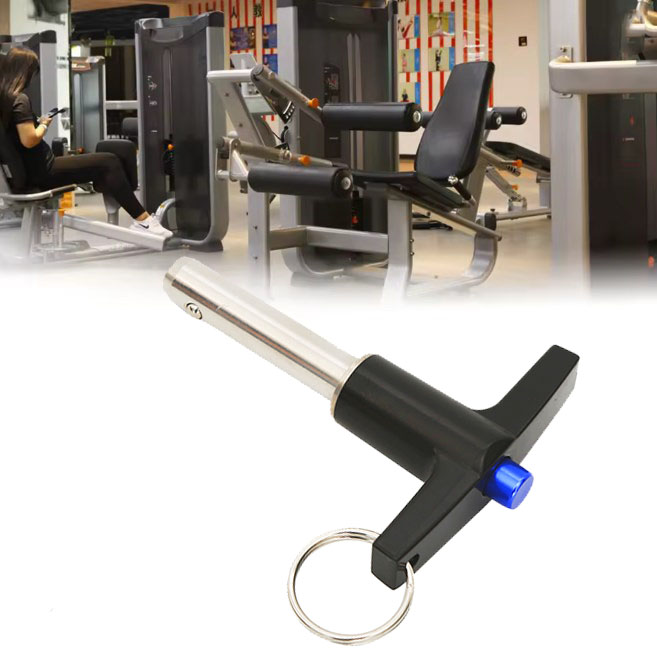
Typical Applications of Quick Release Pins
How to Prevent Rusting is not just a theoretical issue, but a critical requirement in practical applications. Mocayo's quick release pins have been widely adopted across multiple industries, helping customers effectively address rusting challenges:
- Mechanical Assembly and Disassembly
During the daily assembly and maintenance of mechanical equipment, quick release pins enable rapid insertion, removal, and positioning, saving operational time. Additionally, the rust-resistant properties of stainless steel ensure that equipment remains stable even in humid environments.
- Aerospace Industry
For aerospace equipment, components must not only be lightweight but also highly corrosion-resistant. Mocayo's quick release pins are precision-machined and heat-treated to ensure reliability in high-stress working environments.
- Marine and Outdoor Equipment
Marine environments are highly humid with high salt fog concentrations, making them one of the most corrosive environments for metal. Here, preventing rusting is critical. Quick release pins made from 316 stainless steel offer unmatched corrosion resistance, making them ideal for applications such as ships and port machinery.
- Automated Production Lines
Automated production lines require frequent component replacement, calibration, and maintenance. The quick release pins' rapid operation capabilities combined with superior corrosion resistance significantly enhance production line efficiency and equipment lifespan.
How to prevent rusting and keep systems reliable? Mocayo quick release pin ensures strong stainless steel performance, easy release function, and superior resistance to rust for multiple industries.
Types of Heat Treatment
CNC Tool Changer Efficiency
Related Article
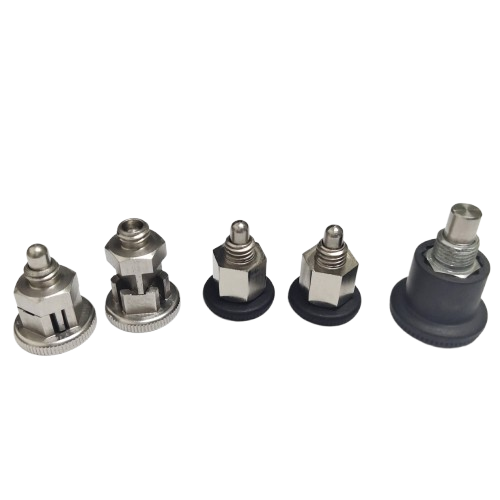
Explore the application of stainless steel materials for customizing mini indexing plungers based on specific operational environments and suitable spaces.
How To Make A Mini Indexing Plunger
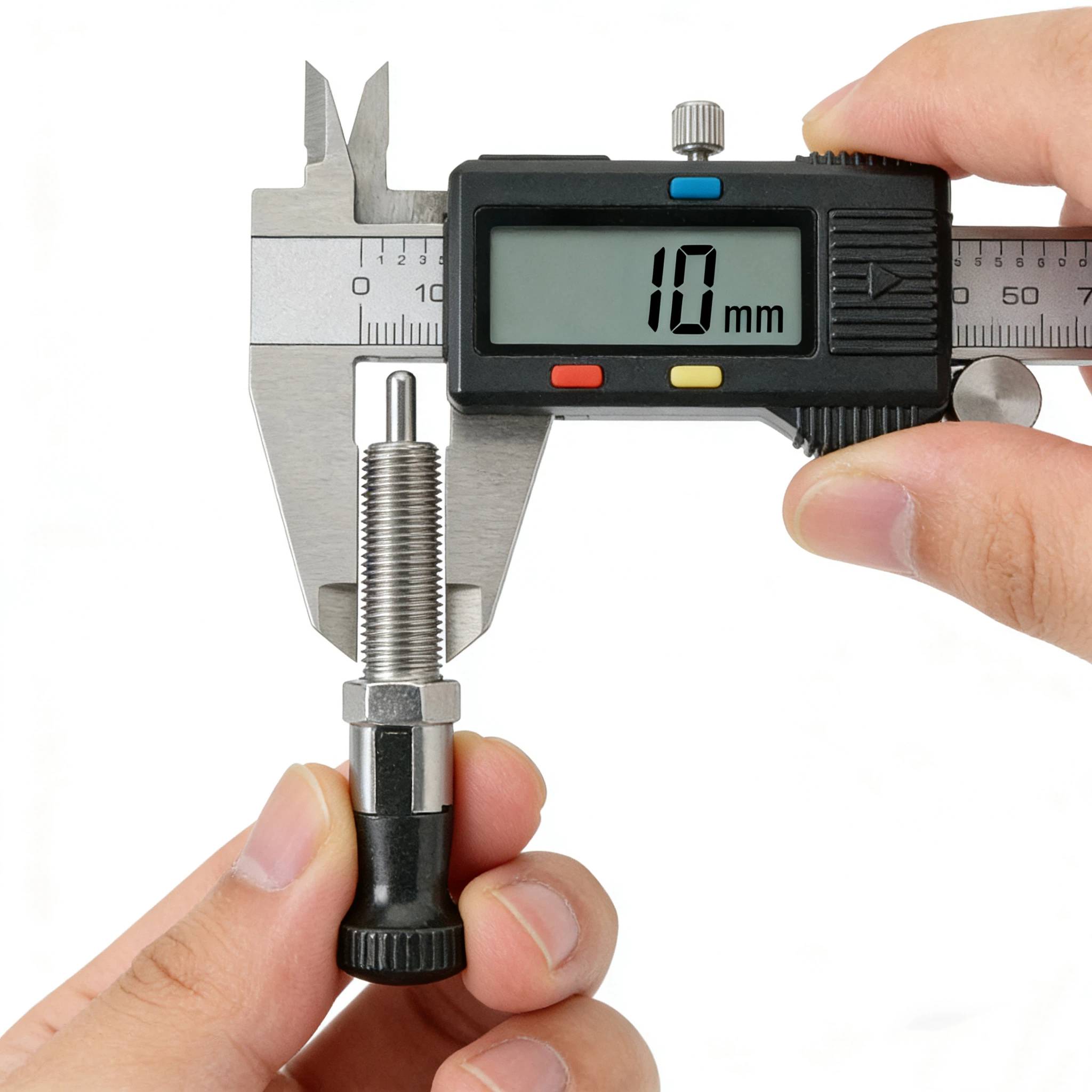
Discover how to choose correct size for indexing elements with confidence. Get precise recommendations that improve positioning accuracy, durability, and overall system performance.
How To Choose Correct Size For Indexing Elements