How To Use Ball Nose Spring Plunger
author: Lucia Liu
2025-11-25
How To Use Ball Nose Spring Plunger
Table of Contents
In modern machining, fixture design, and equipment assembly, the growing demand for repeatable positioning, limiting, and holding forces has brought various positioning components into focus. Among these, the compact, responsive, and easy-to-install ball nose spring plunger plays a critical role in both industrial production and spring loaded mechanisms.

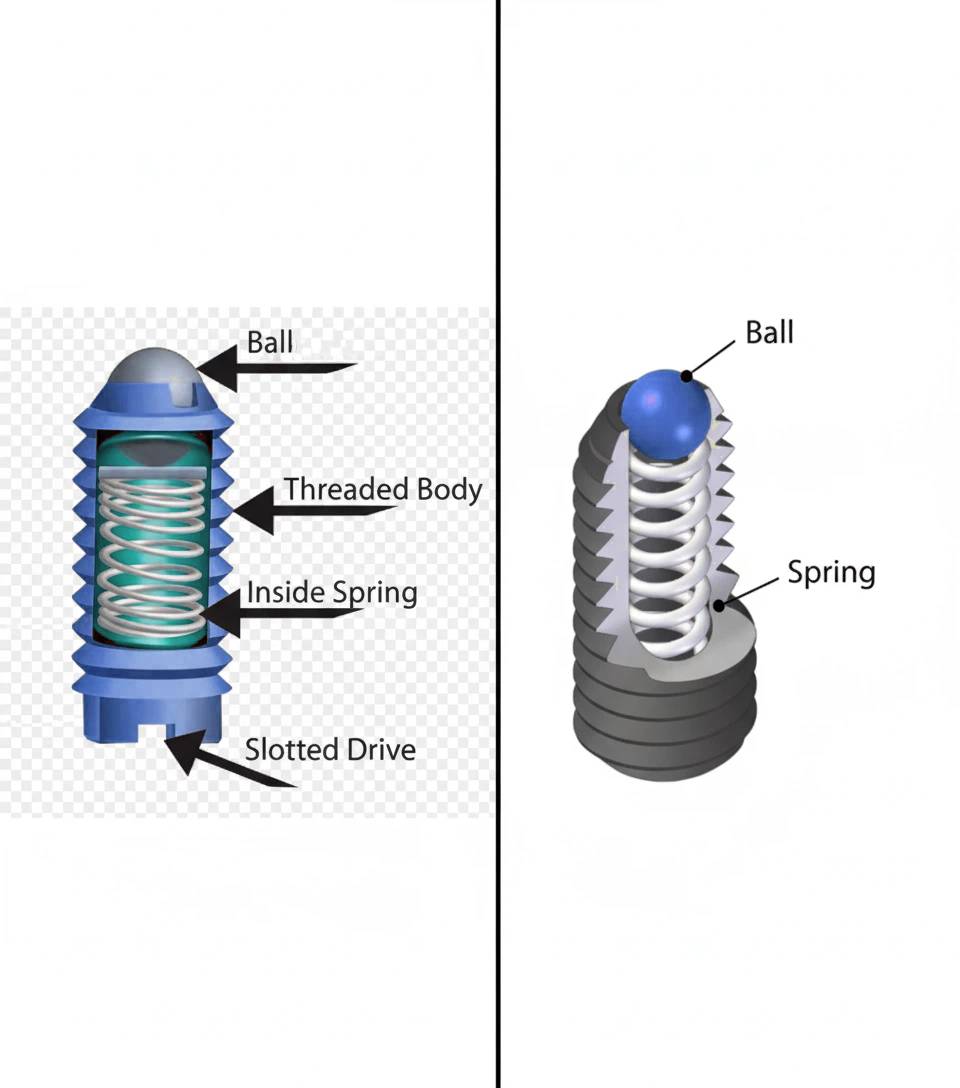
A typical ball nose spring plunger features a threaded cylindrical structure composed of the following components:
• Threaded housing: Serves as the mounting body, typically manufactured from stainless steel or alloy steel to ensure wear resistance and strength.
• Internal spring: Provides continuous thrust to maintain the ball tip in an outward-pushing state.
• Ball nose: The critical contact and positioning component, available in stainless steel, plastic (e.g., POM, PA), or other materials.
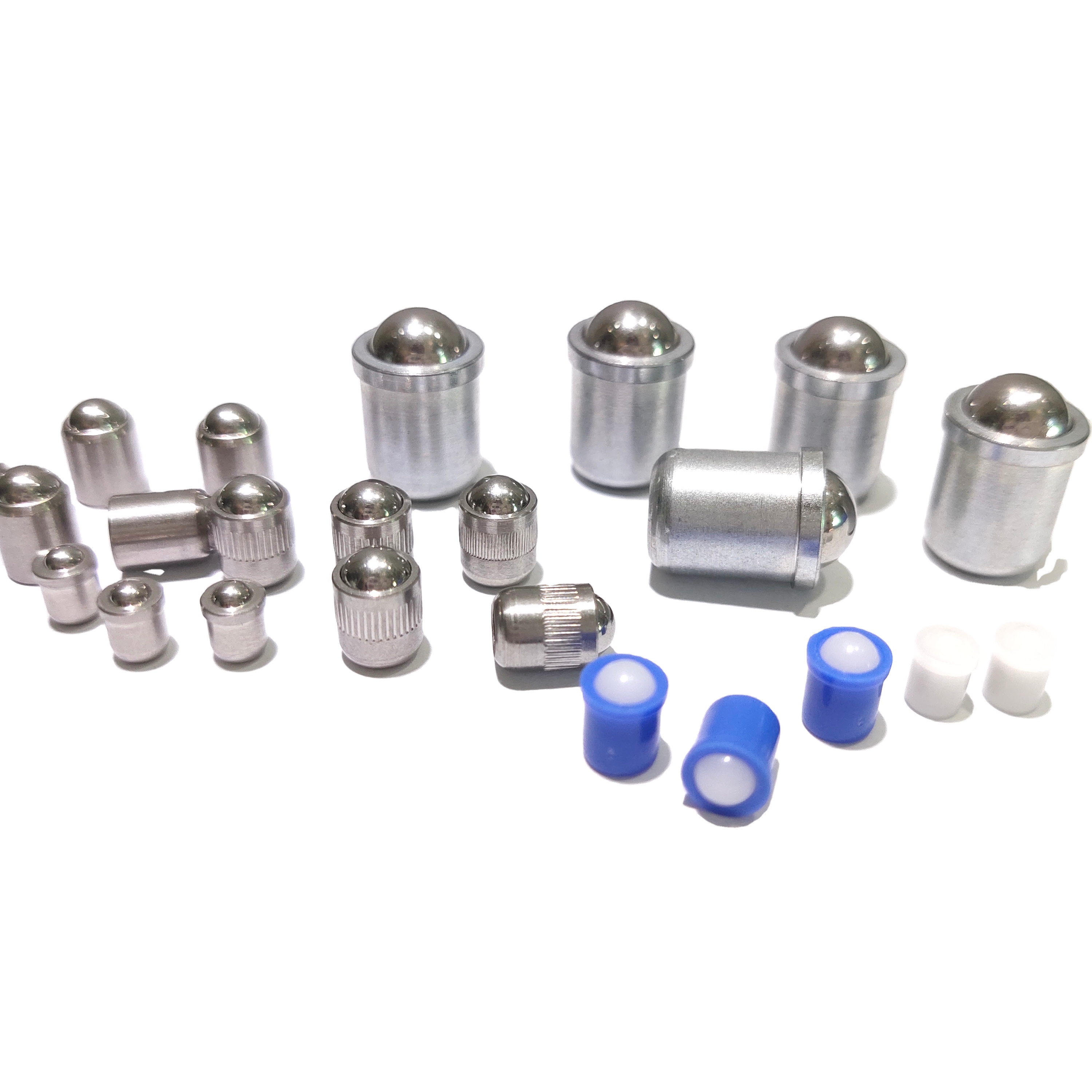
In recent years, to meet diverse application requirements, manufacturers have introduced stainless steel versions of ball nose spring plungers for enhanced corrosion resistance. Simultaneously, plastic ball nose designs have been developed to deliver more stable performance in scenarios involving sensitive material contact or light loads.
• Threaded housing: Serves as the mounting body, typically manufactured from stainless steel or alloy steel to ensure wear resistance and strength.
• Internal spring: Provides continuous thrust to maintain the ball tip in an outward-pushing state.
• Ball nose: The critical contact and positioning component, available in stainless steel, plastic (e.g., POM, PA), or other materials.
In recent years, to meet diverse application requirements, manufacturers have introduced stainless steel versions of ball nose spring plungers for enhanced corrosion resistance. Simultaneously, plastic ball nose designs have been developed to deliver more stable performance in scenarios involving sensitive material contact or light loads.
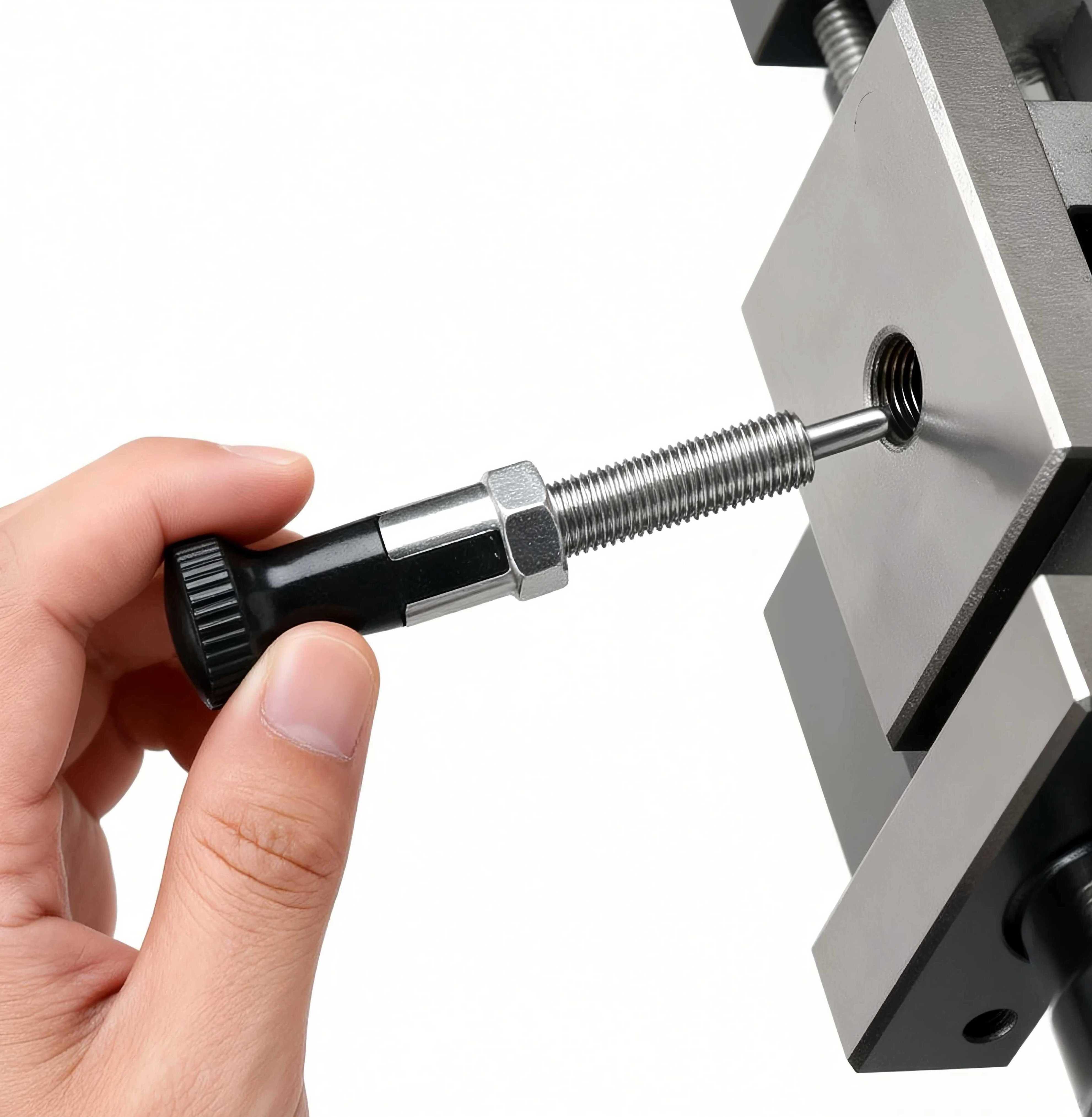
The ball nose spring plunger is extremely intuitive to use, with installation steps remaining largely consistent across applications such as mechanical assembly, tooling fixtures, electronic devices, and slide rail positioning structures.
Step 1: Verify Threaded Hole Specifications
Users must machine standard threaded holes in equipment or workpieces. Since ball nose spring plungers typically use metric or imperial specifications, ensure thread compatibility before installation to prevent misalignment, stripped threads, or instability.
Step 2: Screw the Ball Nose Spring Plunger into the Hole
Using an Allen wrench or screwdriver, gently screw the ball nose spring plunger into the hole. Without applying excessive force, the plunger will achieve stable fixation.
Step 3: Adjust depth and preload
The installation position affects the thrust and positioning effectiveness between the ball head and contact surface. Users should fine-tune the installation depth according to equipment requirements to optimize spring force performance.
Step 4: Verify Smooth Ball Movement
After installation, gently push the ball head to test for smooth elasticity and unrestricted extension/retraction. If the ball head sticks, it may indicate debris in the threaded hole or misaligned threads.
Step 1: Verify Threaded Hole Specifications
Users must machine standard threaded holes in equipment or workpieces. Since ball nose spring plungers typically use metric or imperial specifications, ensure thread compatibility before installation to prevent misalignment, stripped threads, or instability.
Step 2: Screw the Ball Nose Spring Plunger into the Hole
Using an Allen wrench or screwdriver, gently screw the ball nose spring plunger into the hole. Without applying excessive force, the plunger will achieve stable fixation.
Step 3: Adjust depth and preload
The installation position affects the thrust and positioning effectiveness between the ball head and contact surface. Users should fine-tune the installation depth according to equipment requirements to optimize spring force performance.
Step 4: Verify Smooth Ball Movement
After installation, gently push the ball head to test for smooth elasticity and unrestricted extension/retraction. If the ball head sticks, it may indicate debris in the threaded hole or misaligned threads.
Working Principle
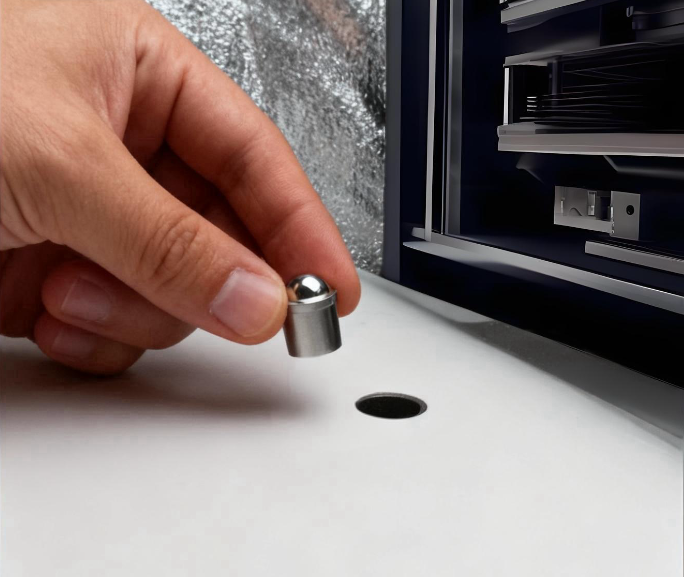
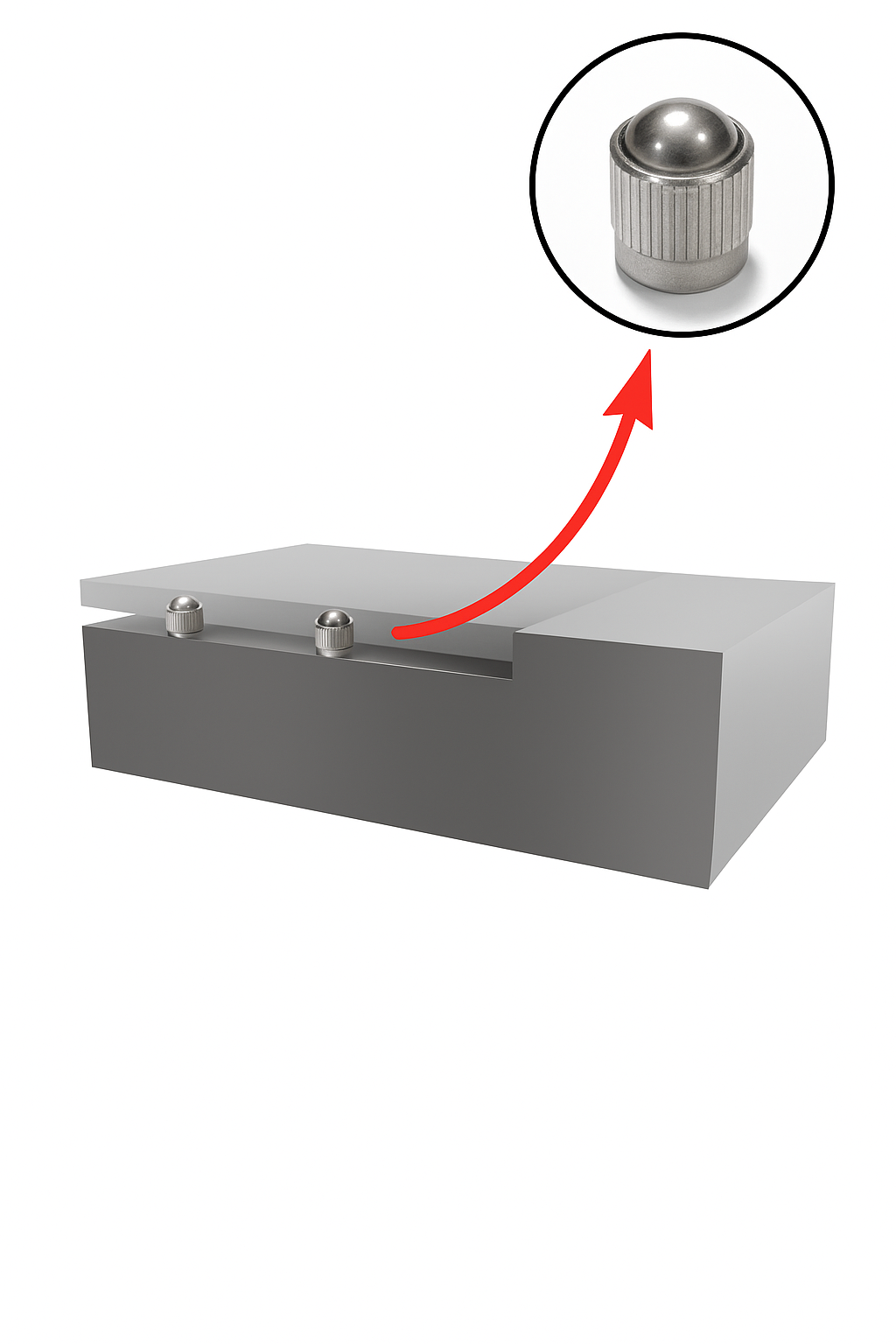
The core principle of the ball nose spring plunger involves generating axial pressure through an internal spring, which keeps the ball nose protruding outward. When the ball nose contacts a device surface or slide groove, the spring force creates a slight engagement or temporary retention effect between the ball nose and the contact surface, achieving the objectives of "positioning" or "limiting."
Typical Applications of Ball Nose Spring Plungers
1.Fixture Positioning System
Fixtures often require repeated positioning, and the stable spring force provided by ball nose spring plungers enables rapid workpiece alignment, enhancing production efficiency. Plungers made of stainless steel better withstand coolant and oil contamination in machining environments.
Fixtures often require repeated positioning, and the stable spring force provided by ball nose spring plungers enables rapid workpiece alignment, enhancing production efficiency. Plungers made of stainless steel better withstand coolant and oil contamination in machining environments.
2.Movable Damping or Positioning Structures for Mechanical Equipment
Mechanical guide rails, slideways, adjustment rods, and similar structures often utilize ball nose spring plungers to provide subtle damping, ensuring smoother operation while also serving as positioning elements.
Mechanical guide rails, slideways, adjustment rods, and similar structures often utilize ball nose spring plungers to provide subtle damping, ensuring smoother operation while also serving as positioning elements.
3.Precision Positioning in Electronic Devices or Small Mechanisms
Plastic ball joints (POM, PA, PC) provide gentle positioning without damaging structural surfaces, making them suitable for electronic enclosures, panel mechanisms, and button assemblies.
Plastic ball joints (POM, PA, PC) provide gentle positioning without damaging structural surfaces, making them suitable for electronic enclosures, panel mechanisms, and button assemblies.


FAQ
Q: What Thread Size Do You Provide?
A: We offer the thread size of M3 ~ M16.
Q: How Long Does Your Lead Time Take?
A: 10-15 days.
Q: Does The Ball Nose Spring Plunger Comply With MS/NASM Standards?
A: Yes. We also provide imperial sizes and metric sizes.
Optimize production using strong, low-wear ball nose spring plunger. Buy now!
Custom Indexing Plunger Special Application Design
Improve Production Accuracy and Speed with Indexing Plungers
Related Article
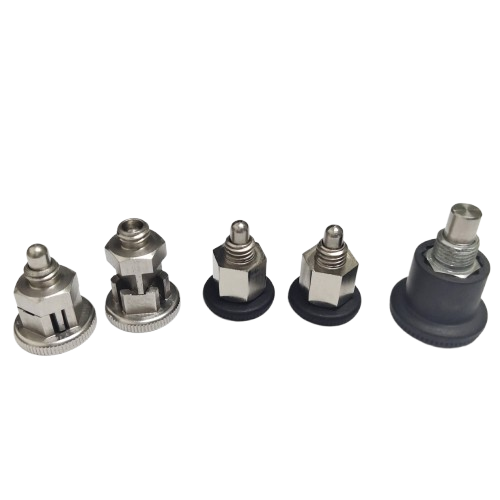
Explore the application of stainless steel materials for customizing mini indexing plungers based on specific operational environments and suitable spaces.
How To Make A Mini Indexing Plunger
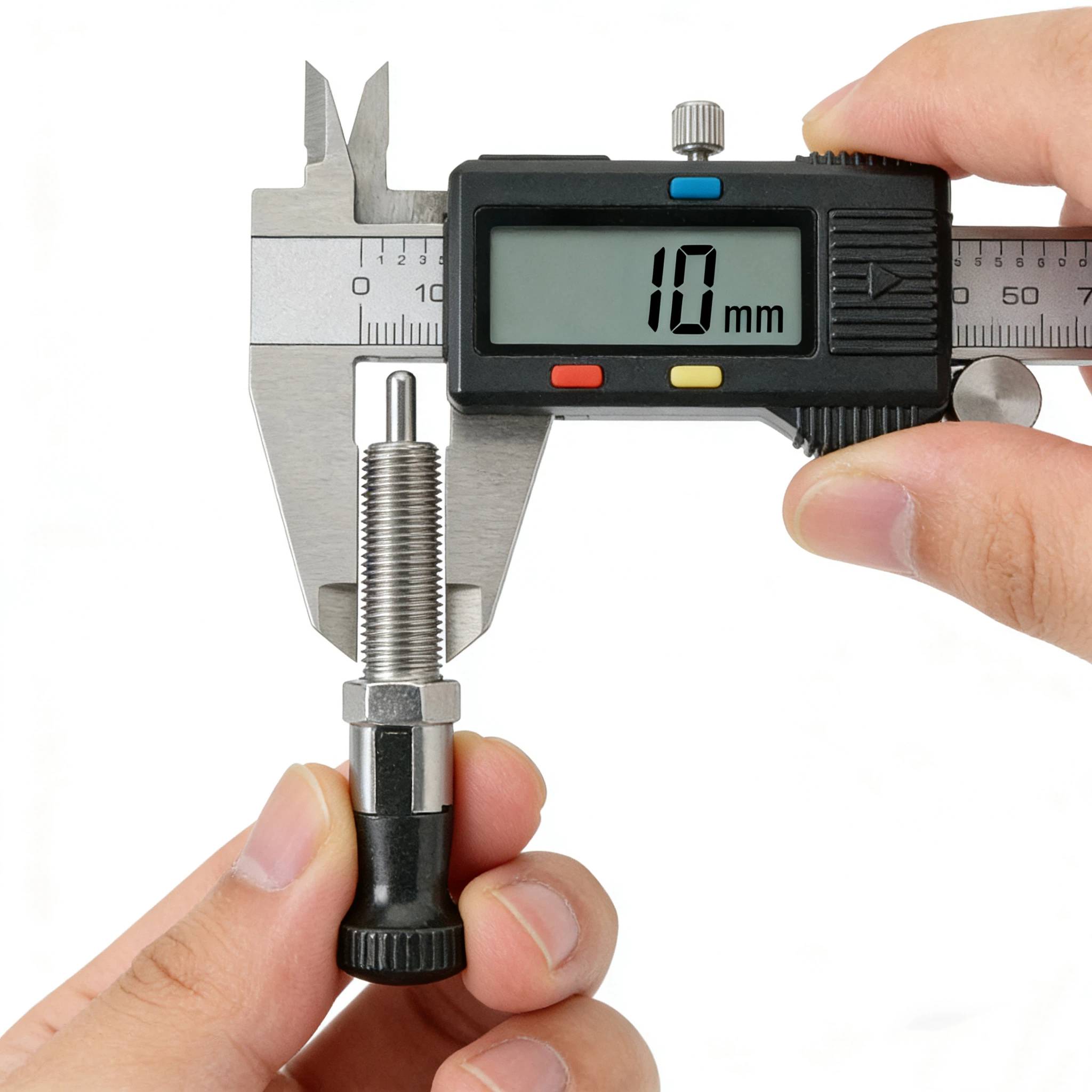
Discover how to choose correct size for indexing elements with confidence. Get precise recommendations that improve positioning accuracy, durability, and overall system performance.
How To Choose Correct Size For Indexing Elements