How To Use Indexing Plunger Latch Mechanisms With Pull Knob
author: Lucia Liu
2025-12-01
Table of Contents
How To Use Indexing Plunger Latch Mechanisms With Pull Knob
In modern machinery, adjustable frames, and lightweight structures, the importance of positioning and spring loaded mechanisms continues to grow. Among these, Indexing Plunger Latch Mechanisms with Pull Knobs stand out for their simple operation, stable construction, and flexible installation.

Structure and Appearance Characteristics
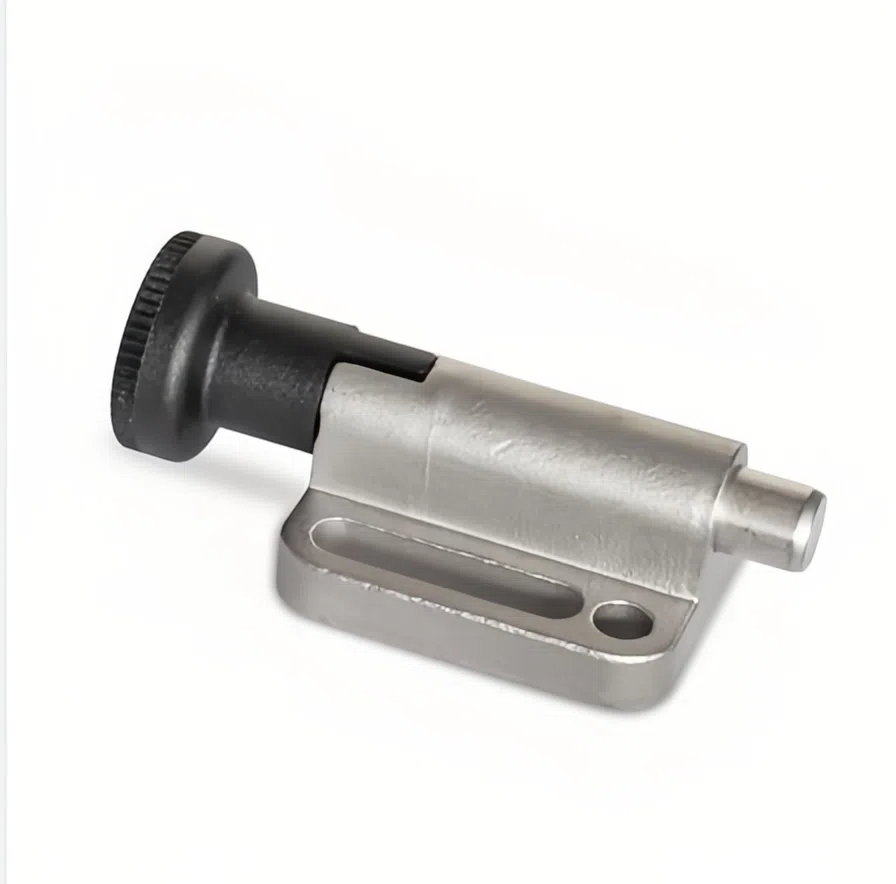
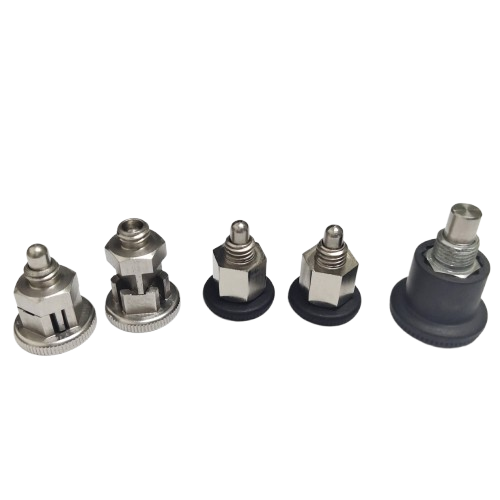
Visually, Indexing Plunger Latch Mechanisms With Pull Knob typically consist of a metal housing, internal spring, indexing pin, and external pull knob.
Visually, Indexing Plunger Latch Mechanisms With Pull Knob typically consist of a metal housing, internal spring, indexing pin, and external pull knob.
Using Indexing Plunger Latch Mechanisms with Pull Knob is highly intuitive and requires no specialized training to master. The operation involves the following steps:
1.Manually Pull Up the Pull Knob (Plastic Handle)
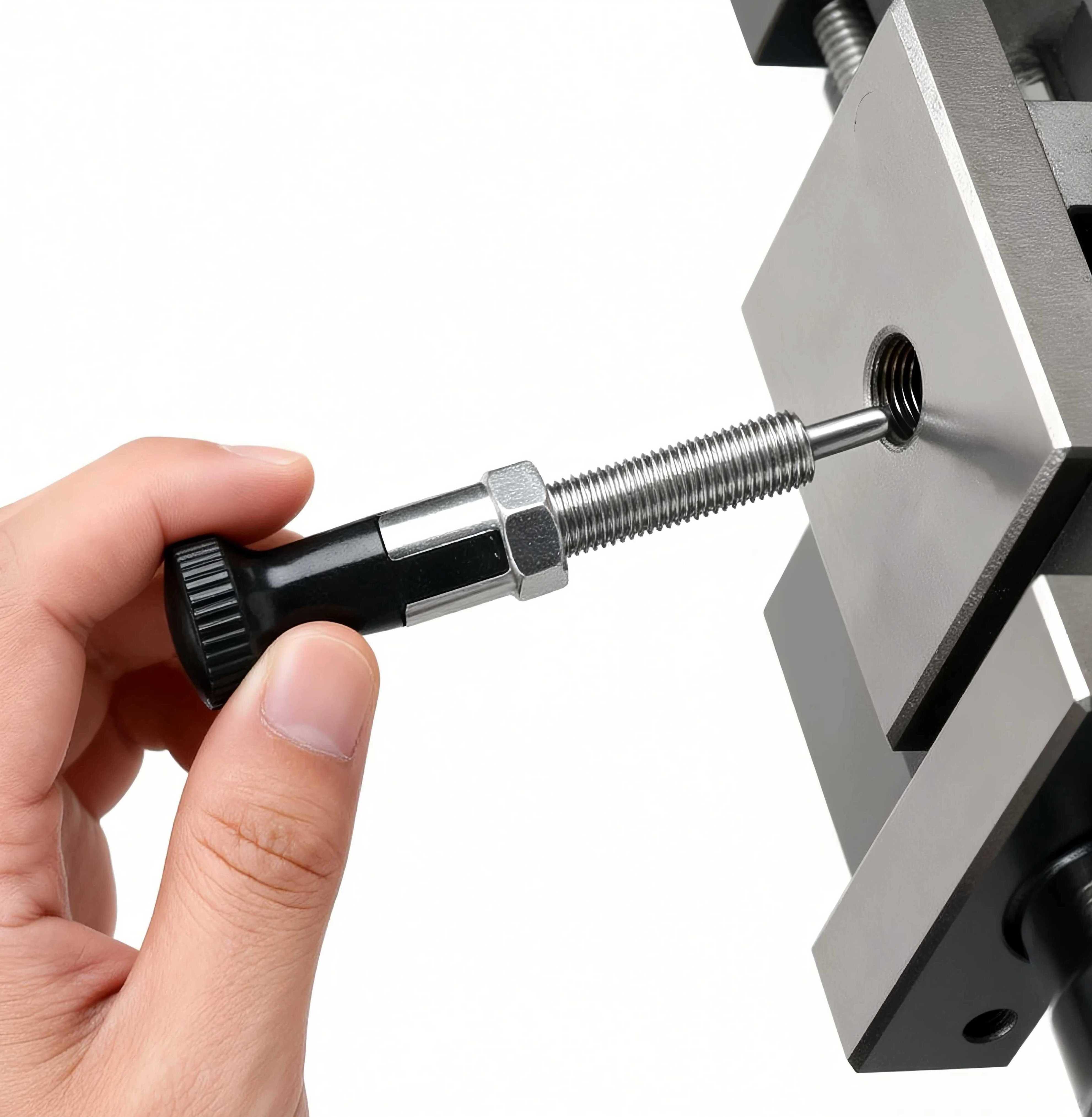
The user grasps the rear end of the plastic handle and pulls backward, causing the front metal plunger to retract into the housing. This action releases the device's original positioning, allowing the mechanism to enter a free-sliding state.
2.Adjust the device position
With the pin retracted, the device component can be moved, rotated, or slid into the target position. This process imposes no additional stress on thin-walled structures or lightweight equipment.
3.Release the Pull Knob
Upon releasing the knob, an internal spring immediately pushes the pin forward, automatically engaging it into the hole to complete mechanical locking. Thanks to the high-precision machining of the stainless steel pin, this action is rapid, reliable, and achieves high positioning accuracy.
4.Repeatable Operation
For equipment requiring frequent position adjustments, this process can be repeated safely and repeatedly. The plastic handle effectively reduces user fatigue during prolonged operation.
As Indexing Plunger Latch Mechanisms with Pull Knob are exceptionally suited for lightweight structures, the combination of stainless steel construction and plastic handle design achieves a balance between operational feel and durability.
1.Manually Pull Up the Pull Knob (Plastic Handle)
The user grasps the rear end of the plastic handle and pulls backward, causing the front metal plunger to retract into the housing. This action releases the device's original positioning, allowing the mechanism to enter a free-sliding state.
2.Adjust the device position
With the pin retracted, the device component can be moved, rotated, or slid into the target position. This process imposes no additional stress on thin-walled structures or lightweight equipment.
3.Release the Pull Knob
Upon releasing the knob, an internal spring immediately pushes the pin forward, automatically engaging it into the hole to complete mechanical locking. Thanks to the high-precision machining of the stainless steel pin, this action is rapid, reliable, and achieves high positioning accuracy.
4.Repeatable Operation
For equipment requiring frequent position adjustments, this process can be repeated safely and repeatedly. The plastic handle effectively reduces user fatigue during prolonged operation.
As Indexing Plunger Latch Mechanisms with Pull Knob are exceptionally suited for lightweight structures, the combination of stainless steel construction and plastic handle design achieves a balance between operational feel and durability.
Working Principle: Precise Coordination Between Spring and Pin
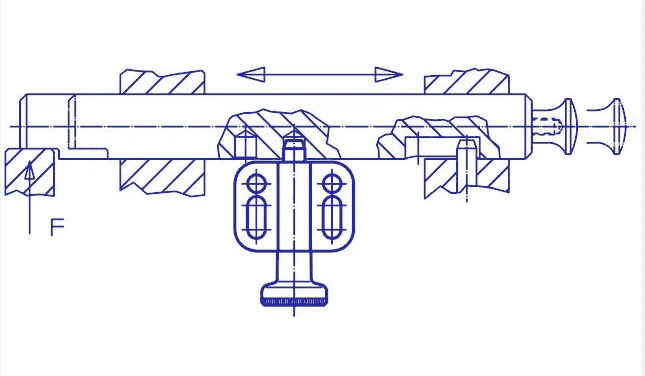
The flange design would be mounted horizonally on the platform to position or fix with another part. The flange + adjustable mounting hole design makes it suitable for a wide range of mechanical systems, including frames, thin-walled structures, sliding/telescopic structures, and more. It achieves rapid and reliable mechanical positioning through a spring + pin + locking mechanism.
The flange design would be mounted horizonally on the platform to position or fix with another part. The flange + adjustable mounting hole design makes it suitable for a wide range of mechanical systems, including frames, thin-walled structures, sliding/telescopic structures, and more. It achieves rapid and reliable mechanical positioning through a spring + pin + locking mechanism.
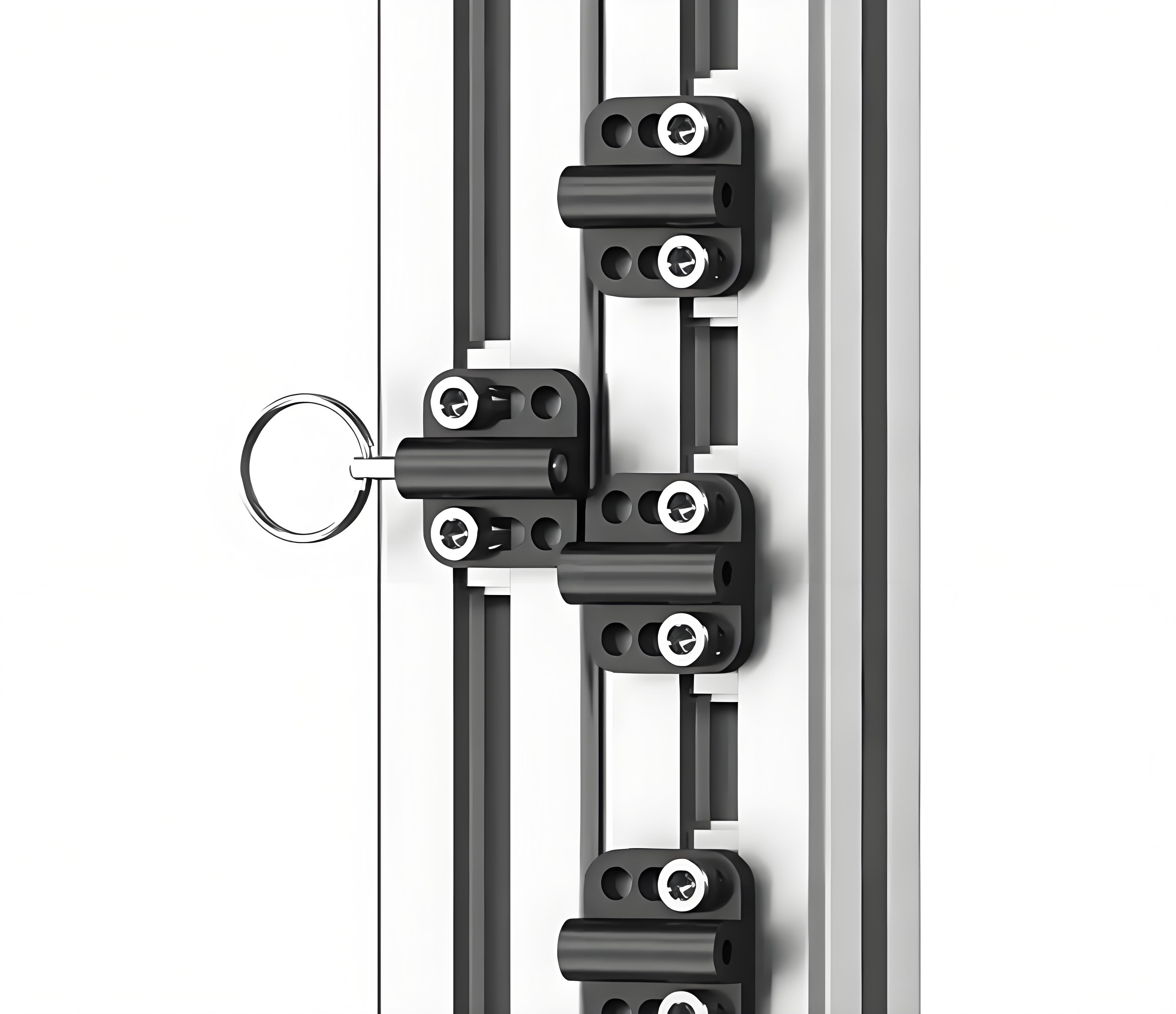
Indexing Plunger Latch Mechanisms With Pull Knob offer extensive application scenarios, particularly suited for equipment requiring rapid positioning, frequent adjustments, or light-load locking:
• Adjustable components in mechanical equipment: Enable quick repositioning of mechanisms
• Instrument panels or door panel structures: Control open and closed positions
• Telescopic structures and slide rail systems: Secure locking at varying lengths or angles
• Adjustable components in mechanical equipment: Enable quick repositioning of mechanisms
• Instrument panels or door panel structures: Control open and closed positions
• Telescopic structures and slide rail systems: Secure locking at varying lengths or angles
FAQ
Q: What materials do you provide for Indexing Plunger Latch Mechanisms With Pull Knob?
A: We offer RoHs and Tuvland certified stainless steel and durable plastic.
Q: How long does it take for lead time?
A: 10-15 days.
Q: Do you offer the deign of pull ring?
A: Yes, we have the pull knob and pull ring options.
Q: What materials do you provide for Indexing Plunger Latch Mechanisms With Pull Knob?
A: We offer RoHs and Tuvland certified stainless steel and durable plastic.
Q: How long does it take for lead time?
A: 10-15 days.
Q: Do you offer the deign of pull ring?
A: Yes, we have the pull knob and pull ring options.
Achieve fast and secure adjustments with the Indexing Plunger Latch Mechanism, built for durability and consistent mechanical locking.
Indexing Plunger Tooless Adjustment Mechanism
How Does The Indexing Plunger Achieve Precise Indexing
Related Article
Explore the application of stainless steel materials for customizing mini indexing plungers based on specific operational environments and suitable spaces.
How To Make A Mini Indexing Plunger
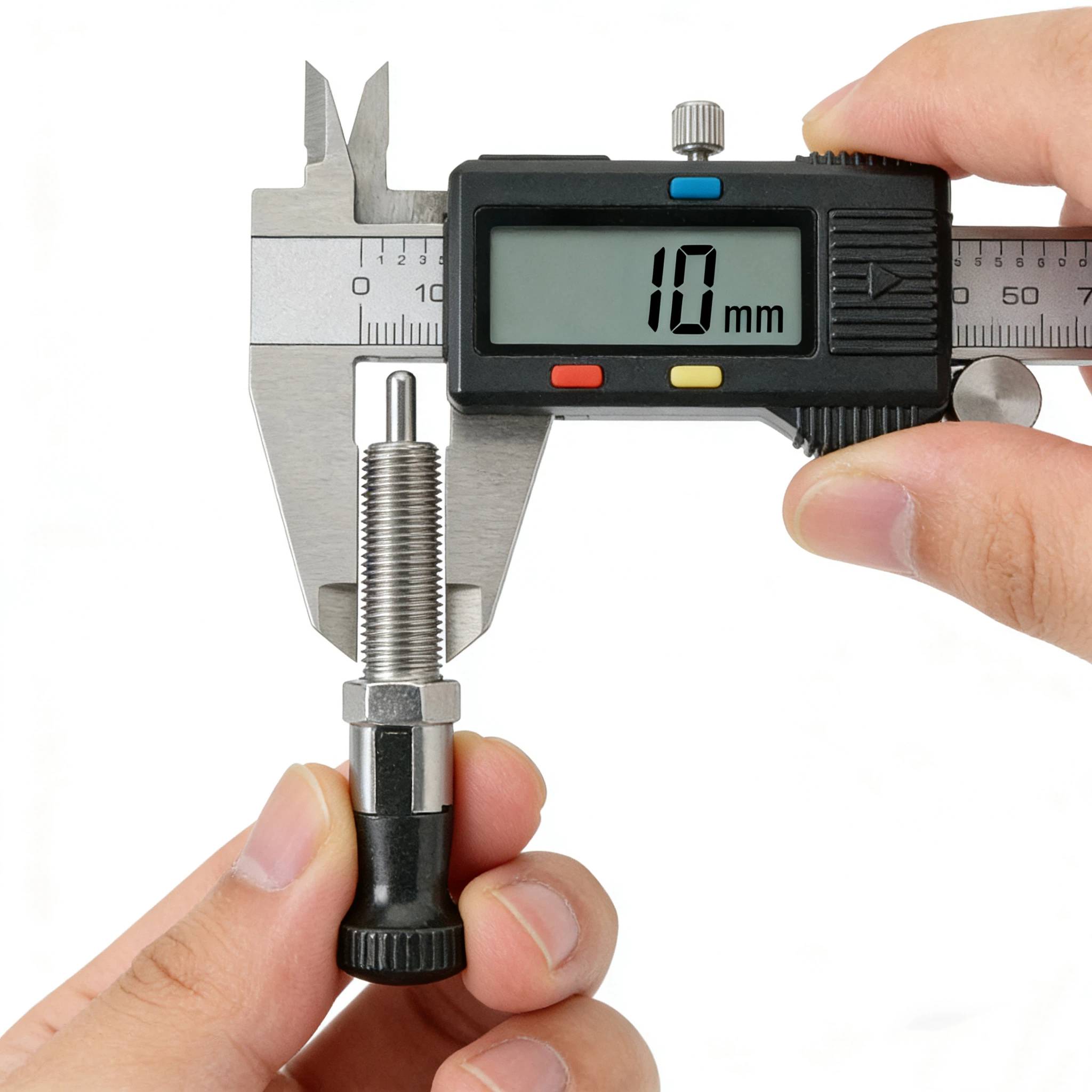
Discover how to choose correct size for indexing elements with confidence. Get precise recommendations that improve positioning accuracy, durability, and overall system performance.
How To Choose Correct Size For Indexing Elements