How To Use Spring Loaded Index Plunger
author: Lucia Liu
2025-10-22
Table of Contents
1. Core Function & Key Features of Spring Loaded Index Plunger
2. Structure & Working Principle
3. Installation & Usage Instructions
4. Application Scenarios
5. FAQ
1. Core Function & Key Features of Spring Loaded Index Plunger
2. Structure & Working Principle
3. Installation & Usage Instructions
4. Application Scenarios
5. FAQ
How To Use Spring Loaded Index Plunger
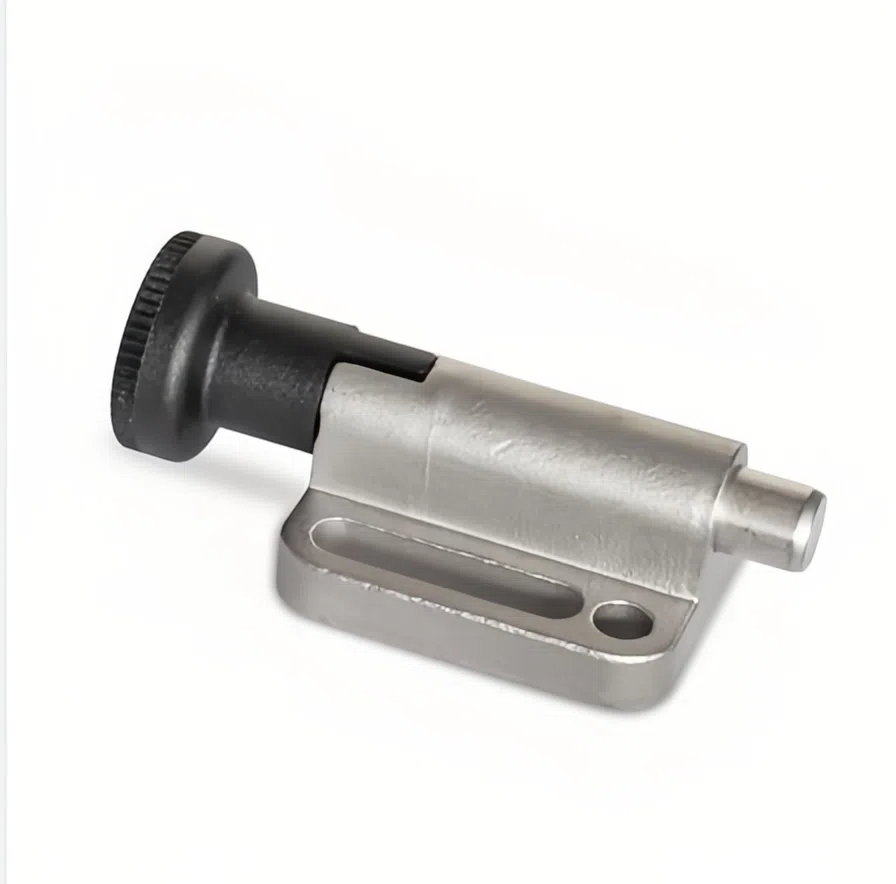
In the field of modern mechanical manufacturing and assembly, the spring-loaded index plunger is an extremely common and critical small mechanical component. Despite its compact size, it plays an indispensable role in precise positioning, rapid locking, and disassembly processes within equipment. Its presence can be observed across automated machinery, fixture systems, tooling positioning, and various industrial machinery.
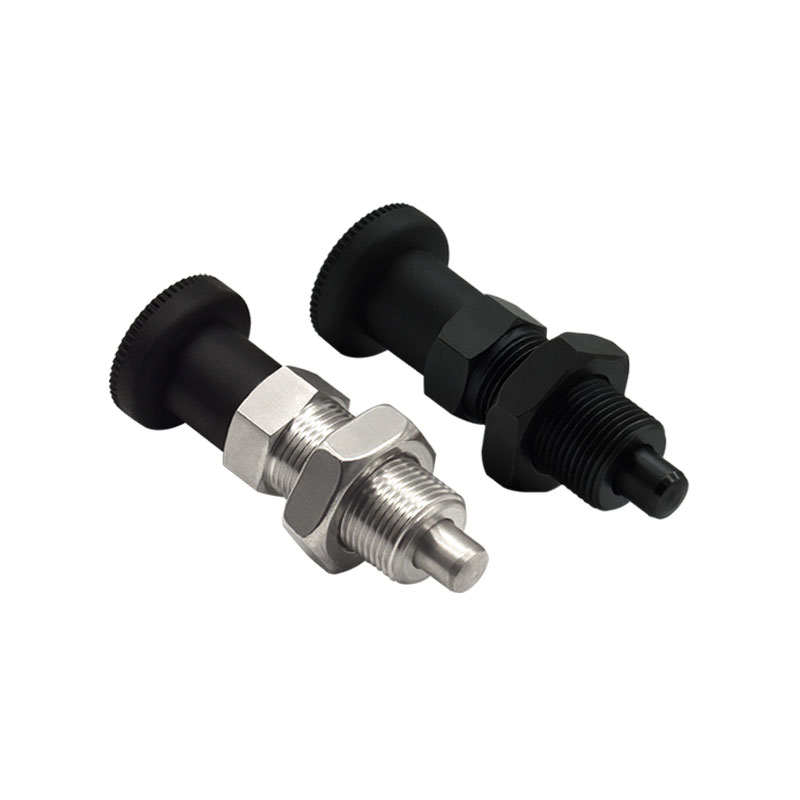
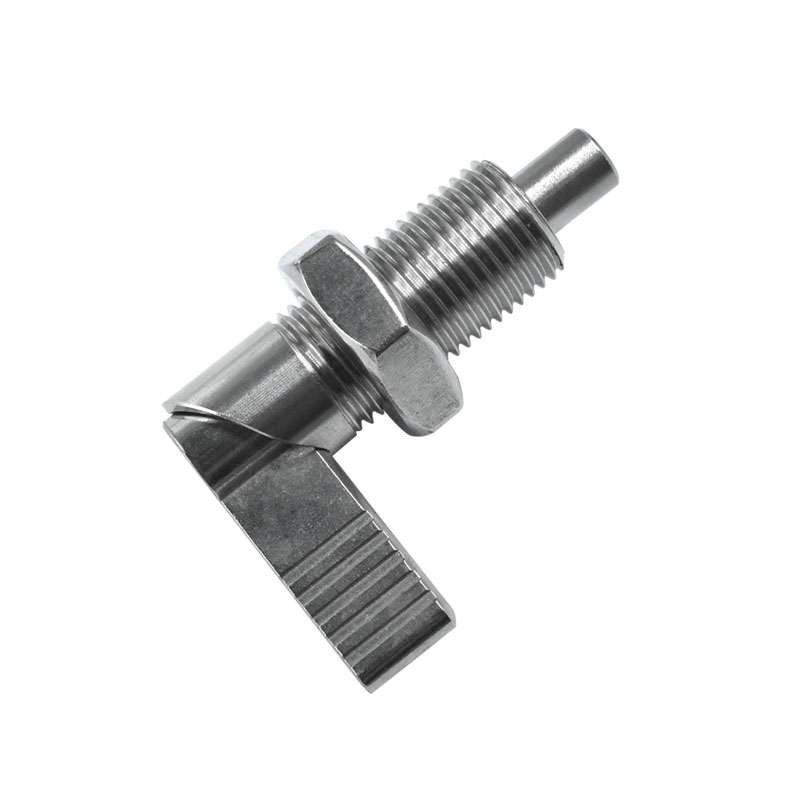
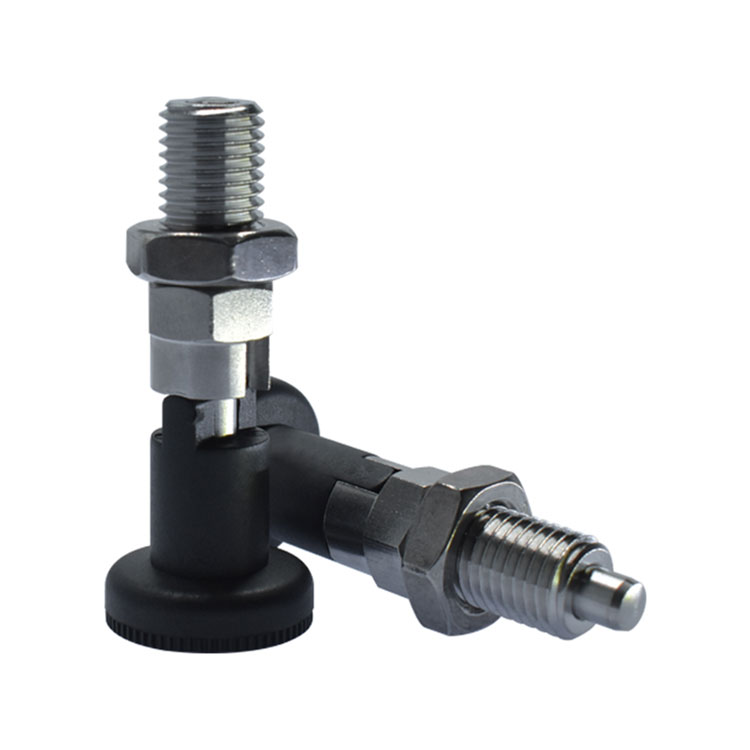
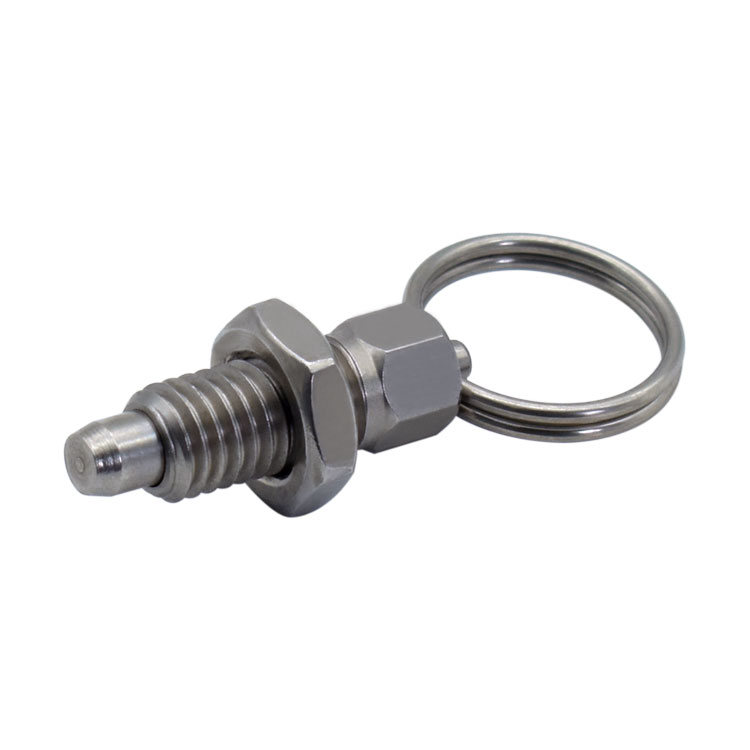
The core function of the Spring Loaded Index Plunger lies in providing repeatable, reliable positioning. Its internal spring mechanism automatically resets after operation, enabling the indexing pin to extend or retract rapidly for swift mechanical positioning.
Incorporating such indexing pins into equipment allows workpieces or components to lock precisely at specific positions, with release achievable through simple manual operation. This design significantly enhances assembly efficiency and operational safety.
Key features include:
Automatic Reset Mechanism: Internal springs ensure the plunger rod automatically returns to its initial position after operation.
High-Precision Positioning: Maintains minimal repeat positioning error, suitable for equipment requiring high positional accuracy.
Diverse Structural Designs: Available in multiple configurations including handle-mounted, pull-ring, and threaded mounting options to accommodate various installation needs.
Durable Materials: Common materials include carbon steel, alloy steel, and stainless steel. Stainless steel indexing plungers are particularly favored in outdoor or humid environments due to their superior corrosion resistance.
Incorporating such indexing pins into equipment allows workpieces or components to lock precisely at specific positions, with release achievable through simple manual operation. This design significantly enhances assembly efficiency and operational safety.
Key features include:
Automatic Reset Mechanism: Internal springs ensure the plunger rod automatically returns to its initial position after operation.
High-Precision Positioning: Maintains minimal repeat positioning error, suitable for equipment requiring high positional accuracy.
Diverse Structural Designs: Available in multiple configurations including handle-mounted, pull-ring, and threaded mounting options to accommodate various installation needs.
Durable Materials: Common materials include carbon steel, alloy steel, and stainless steel. Stainless steel indexing plungers are particularly favored in outdoor or humid environments due to their superior corrosion resistance.
Structure & Working Principle
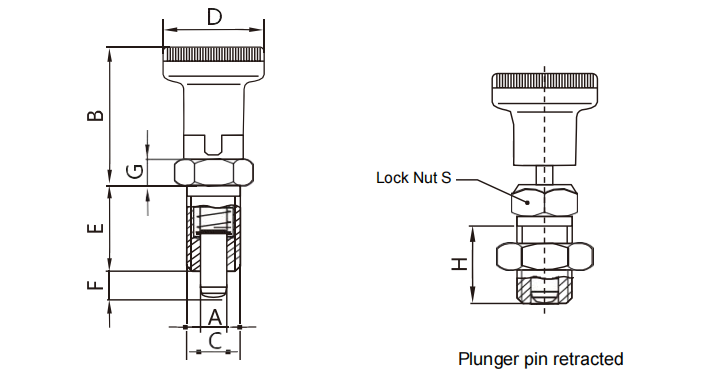
To use the Spring Loaded Index Plunger correctly, it is essential to understand its structure and operating principle. It typically consists of the following main components:
Housing: Serves as the outer casing, usually made of stainless steel or alloy steel, providing support and protection.
Pin: The key positioning component that extends into the locating hole.
Spring: Provides the restoring force, causing the pin to automatically extend after release.
Handle/Knob: Used for manual or mechanical pulling operation.
To use the Spring Loaded Index Plunger correctly, it is essential to understand its structure and operating principle. It typically consists of the following main components:
Housing: Serves as the outer casing, usually made of stainless steel or alloy steel, providing support and protection.
Pin: The key positioning component that extends into the locating hole.
Spring: Provides the restoring force, causing the pin to automatically extend after release.
Handle/Knob: Used for manual or mechanical pulling operation.
Working Principle:
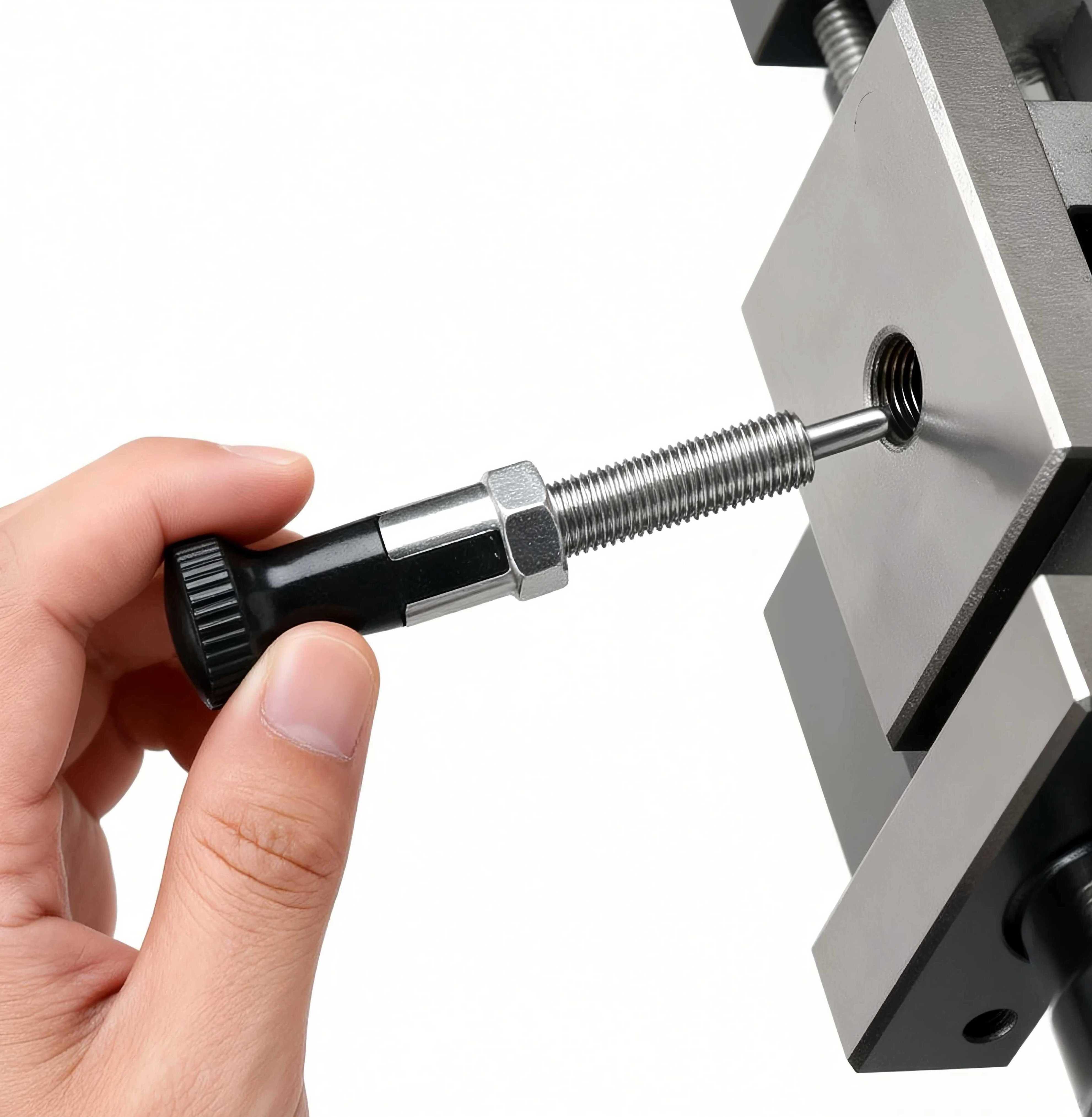
In the unoperated state, the internal spring pushes the pin to extend into the positioning hole, achieving locking. When the operator pulls or presses the handle, the pin is compressed and withdraws from the positioning hole, thereby releasing the lock. Upon release, the spring force acts again, causing the pin to automatically extend and re-enter the hole to complete the reset.
This “auto-extension—manual release—auto-reset” cycle streamlines equipment assembly, switching, and adjustment processes.
Particularly when employing stainless steel indexing plungers, the internal spring and plunger maintain smooth operation and stability in high-humidity, highly corrosive environments. This makes them ideal for food machinery, marine equipment, or laboratory instruments.
In the unoperated state, the internal spring pushes the pin to extend into the positioning hole, achieving locking. When the operator pulls or presses the handle, the pin is compressed and withdraws from the positioning hole, thereby releasing the lock. Upon release, the spring force acts again, causing the pin to automatically extend and re-enter the hole to complete the reset.
This “auto-extension—manual release—auto-reset” cycle streamlines equipment assembly, switching, and adjustment processes.
Particularly when employing stainless steel indexing plungers, the internal spring and plunger maintain smooth operation and stability in high-humidity, highly corrosive environments. This makes them ideal for food machinery, marine equipment, or laboratory instruments.
Installation & Usage Instructions
Proper installation is essential for ensuring the long-term reliable operation of the Spring Loaded Index Plunger. While installation methods may vary slightly, the general procedure is as follows:
Bore Preparation
Machine the locating hole according to product specifications. Hole diameter tolerances must meet recommended standards, and deburr the hole opening.
Ensure the mounting surface is flat to prevent positioning errors caused by tilt.
Secure Installation
For threaded indexing pins, tighten to the torque specified in the manual.
For press-fit or direct-mount types, ensure proper interference fit.
Align the spring direction with the positioning hole orientation.
Operational Guidelines
When pulling or pushing the pin rod, avoid forced rotation.
After releasing, verify the pin rod has fully retracted into position.
In high-precision assemblies, Spring Loaded Index Plungers may interface with fixtures, guide rails, or tooling plates. Regularly inspect pin protrusion length and hole alignment to prevent positioning errors caused by wear.
Proper installation is essential for ensuring the long-term reliable operation of the Spring Loaded Index Plunger. While installation methods may vary slightly, the general procedure is as follows:
Bore Preparation
Machine the locating hole according to product specifications. Hole diameter tolerances must meet recommended standards, and deburr the hole opening.
Ensure the mounting surface is flat to prevent positioning errors caused by tilt.
Secure Installation
For threaded indexing pins, tighten to the torque specified in the manual.
For press-fit or direct-mount types, ensure proper interference fit.
Align the spring direction with the positioning hole orientation.
Operational Guidelines
When pulling or pushing the pin rod, avoid forced rotation.
After releasing, verify the pin rod has fully retracted into position.
In high-precision assemblies, Spring Loaded Index Plungers may interface with fixtures, guide rails, or tooling plates. Regularly inspect pin protrusion length and hole alignment to prevent positioning errors caused by wear.
Application Scenarios
Spring Loaded Index Plungers find extensive use across nearly all mechanical structures requiring rapid positioning and repeatable mounting. Typical applications include:
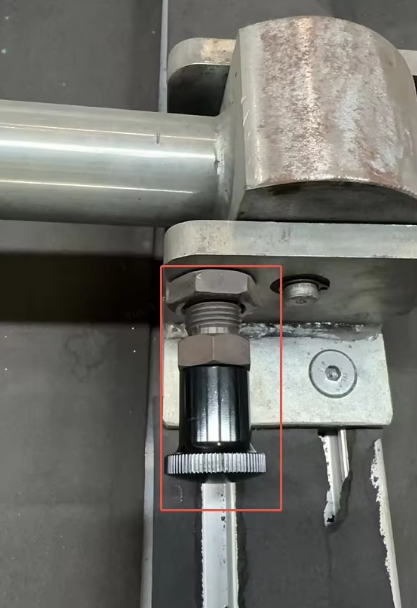
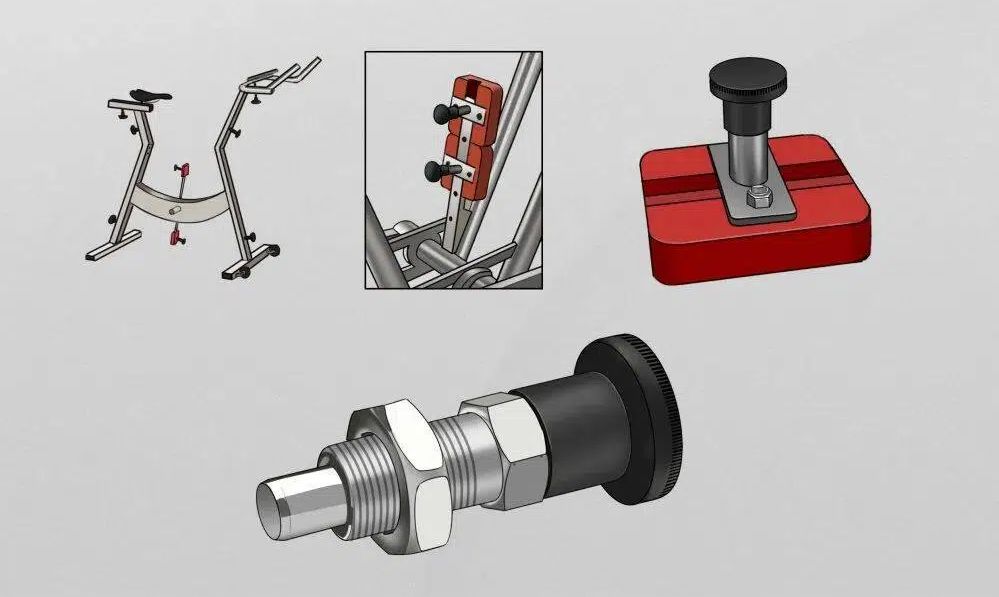
Automated Fixture and Tooling Positioning: Enables rapid workpiece loading/unloading to enhance production efficiency.
Mechanical Adjustment Devices: Positions adjustable platforms or slide rails.
Medical and Inspection Equipment: Ensures precise repeatable positioning and secure locking.
Aerospace and Transportation Equipment: Stainless steel indexing plungers maintain stable operation in high-humidity or salt-fog environments.
FAQ
Q: Do your Spring Loaded Index Plungers comply with MS/NAS Standards?
A: Yes, our indexing plungers strictly comply with those international standards.
Q: What's the MOQ of index plunger?
A:100
Q: How long does your lead time take?
A: About 10-15 days.
Our spring loaded index plungers ensure durability, quick locking, and reliable performance in any industrial setup.
Indexing Plungers Revolutionize Industrial Printing: Ensuring Precision in Modular Print Head Systems
Precise Positioning and Reliable Locking: Indexing Plungers Play a Central Role in Car Seat Adjustment Systems
Related Article
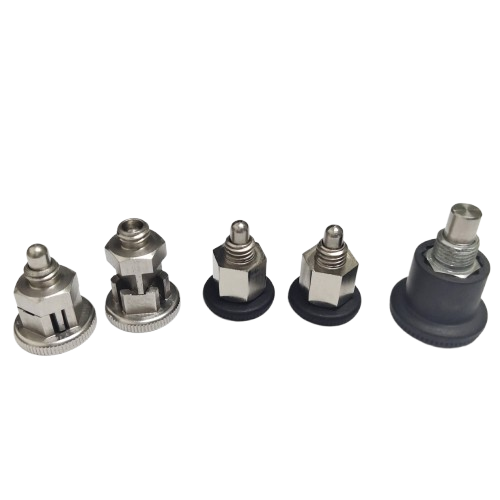
Explore the application of stainless steel materials for customizing mini indexing plungers based on specific operational environments and suitable spaces.
How To Make A Mini Indexing Plunger
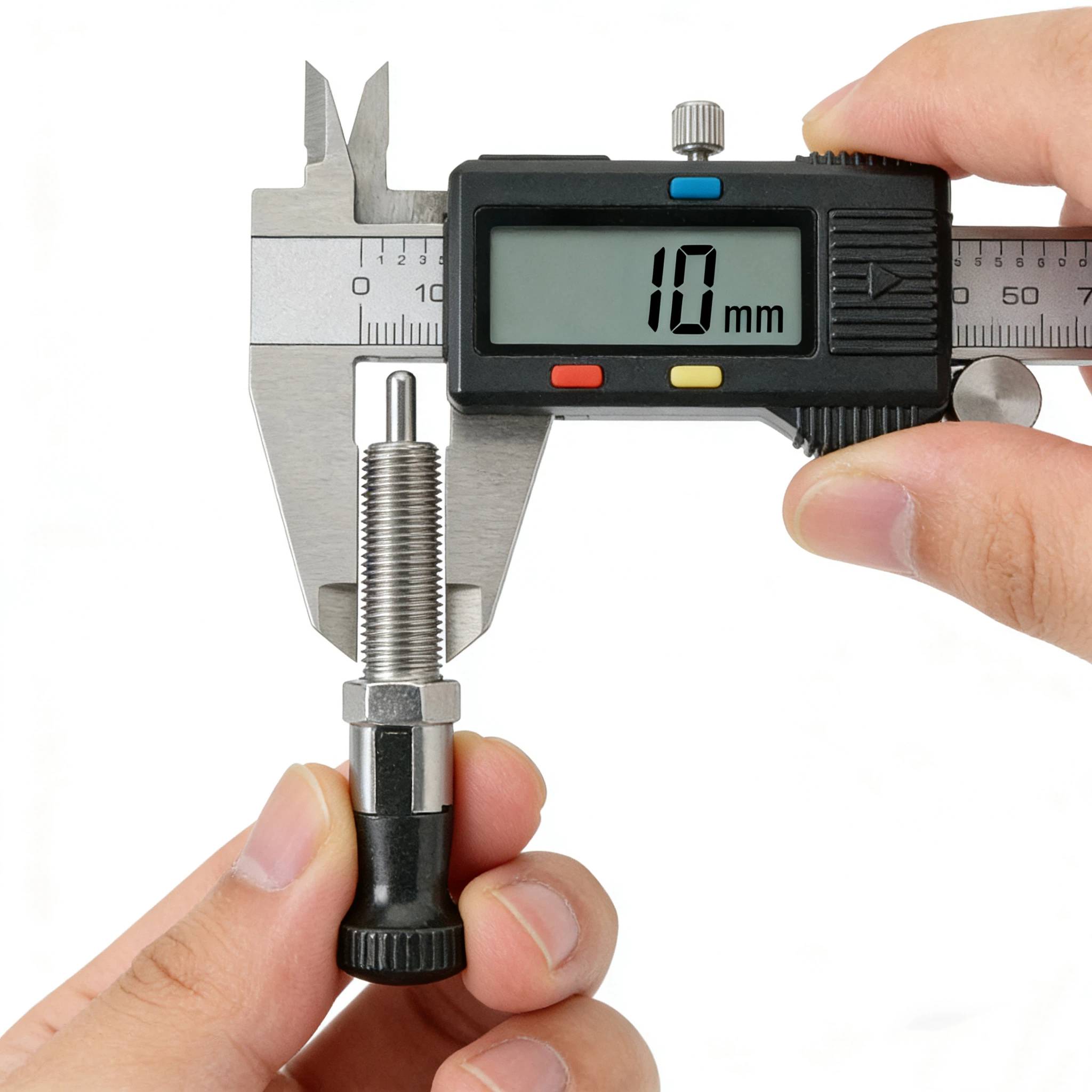
Discover how to choose correct size for indexing elements with confidence. Get precise recommendations that improve positioning accuracy, durability, and overall system performance.
How To Choose Correct Size For Indexing Elements