Index Plungers
Index Plungers: Precision Positioning and Secure Locking in Modern Engineering
Introduction
In the field of mechanical and industrial engineering, precise positioning and secure locking of movable parts are critical for operational efficiency and safety. Index plungers, also known as indexing plungers or spring plungers with lock-out function, serve as essential components in machinery, fixtures, and assemblies where repeatable, accurate positioning is necessary. Their robust functionality and ease of use make them indispensable in a wide range of applications across industries such as automotive, aerospace, packaging, automation, and medical equipment.
This article explores the mechanics, types, applications, benefits, and standard specifications of index plungers in detail.
What Are Index Plungers?
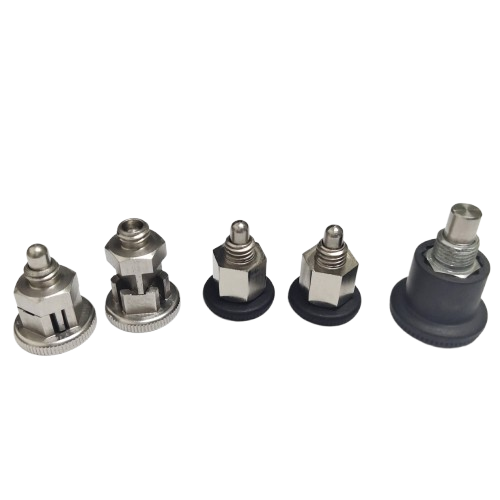
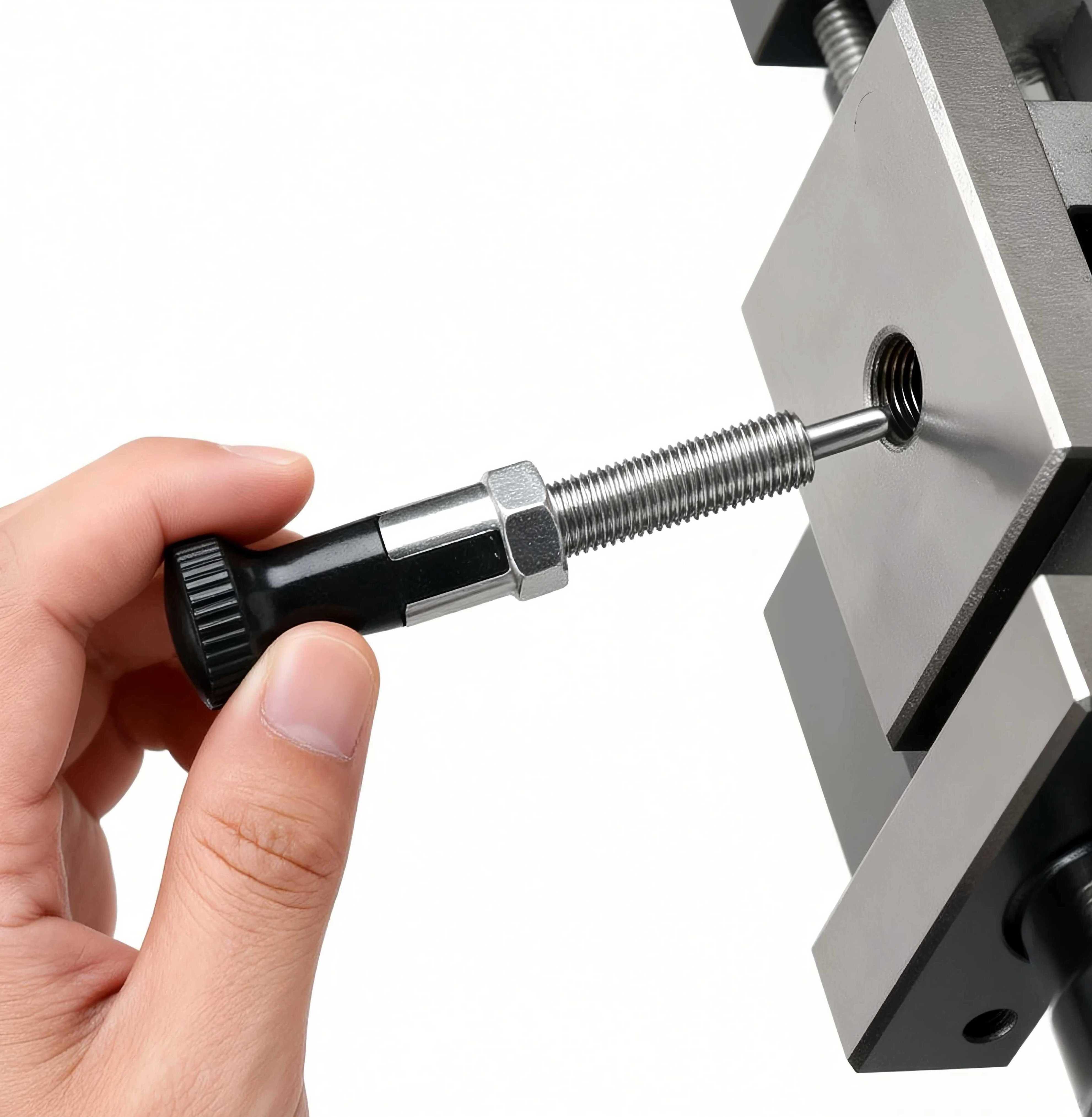
Index plungers are mechanical components that allow for the accurate positioning and locking of machine parts in predetermined locations. These devices feature a spring-loaded pin or plunger that can be engaged or disengaged manually or automatically. When engaged, the plunger locks into a hole or notch in the mating part, securing it in place. When the plunger is retracted, the part is free to move.
Typically used in indexing mechanisms, the plungers are ideal for repetitive operations where precision and durability are paramount.

Key Components and Operation
An index plunger consists of several key components:
-
Plunger Pin: The main locking element, usually made of hardened steel or stainless steel, that enters the indexing hole.
-
Spring Mechanism: Ensures automatic return of the plunger pin to its engaged position.
-
Threaded Body: Allows easy installation into mating parts.
-
Knob or Handle: Enables manual retraction of the plunger pin for repositioning.
-
Lock-Out Feature: Some versions allow the pin to remain retracted by rotating the knob, useful for temporary disengagement.
Types of Index Plungers
There are various types of index plungers designed to meet specific application requirements:
-
With or Without Lock-Out: Plungers with lock-out mechanisms can be held in the retracted position, while those without will return automatically.
-
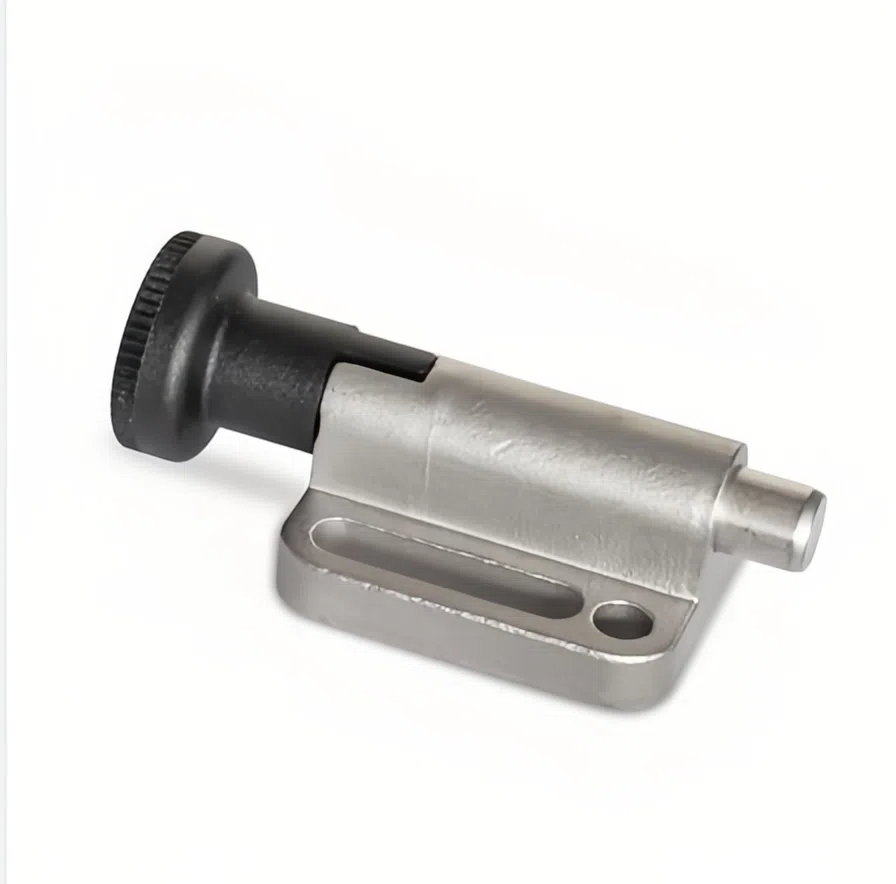
Threaded Body or Flange Type: Depending on the mounting requirements, users can choose from different body styles.
-
Pull Knob, L-Handle, or T-Handle: Different handle types offer flexibility in actuation and ergonomics.
-
Precision Index Plungers: Designed for applications requiring tight tolerances and high repeatability.
-
Miniature Index Plungers: Used in compact systems where space is limited.
Material Options
The choice of materials impacts the performance and durability of index plungers:
-
Steel (Zinc-Plated or Black Oxide Finish): Offers high strength and cost-effectiveness for general use.
-
Stainless Steel (AISI 303, 304, 316): Provides corrosion resistance for outdoor or sanitary environments.
-
Plastic or Thermoplastic Knobs: Lightweight and resistant to chemicals; available in different colors.
-
Aluminum Bodies: Used in lightweight applications.
Standard Applications of Index Plungers
Index plungers are widely used in:
-
Machine Tools: For securing movable parts such as doors, guards, and tables.
-
Conveyor Systems: To fix modular sections or guide rails.
-
Automated Machinery: For positioning jigs and fixtures.
-
Medical and Laboratory Equipment: For securing movable components with hygienic design requirements.
-
Packaging Machinery: To allow quick changes of guides, rails, or modules.
-
Adjustable Furniture and Fixtures: For locking in user-preferred positions.
Advantages of Using Index Plungers
-
Reliable Locking: Prevents unintended movement and enhances safety.
-
Ease of Use: Simple manual actuation enables quick operation.
-
Durability: Withstands repeated engagement without performance loss.
-
Space Efficiency: Compact design enables use in tight spaces.
-
Customizability: Wide range of sizes and types to suit diverse needs.
Installation and Maintenance
Proper installation ensures optimal performance:
-
Thread Engagement: Use appropriate thread engagement for secure installation.
-
Alignment: Ensure the plunger aligns with the indexing hole to prevent wear.
-
Lubrication: Periodic lubrication enhances service life.
-
Inspection: Check for spring tension and plunger wear over time.
Industry Standards and Compliance
Many manufacturers follow international standards to ensure compatibility and reliability:
-
DIN 6325
-
ISO 8752
-
RoHS Compliance
-
REACH Compliance
Certifications are often necessary in industries with strict quality and safety requirements.
Standard Size Table (Metric Series)
| Thread Size | Plunger Diameter (mm) | Total Length (mm) | Spring Force (N) | Lock-Out Option |
|---|---|---|---|---|
| M6 x 1 | 3 | 25 | 4 – 6 | Optional |
| M8 x 1.25 | 4 | 30 | 6 – 8 | Optional |
| M10 x 1.5 | 5 | 35 | 8 – 10 | Optional |
| M12 x 1.75 | 6 | 40 | 10 – 12 | Optional |
| M16 x 2 | 8 | 50 | 12 – 14 | Optional |
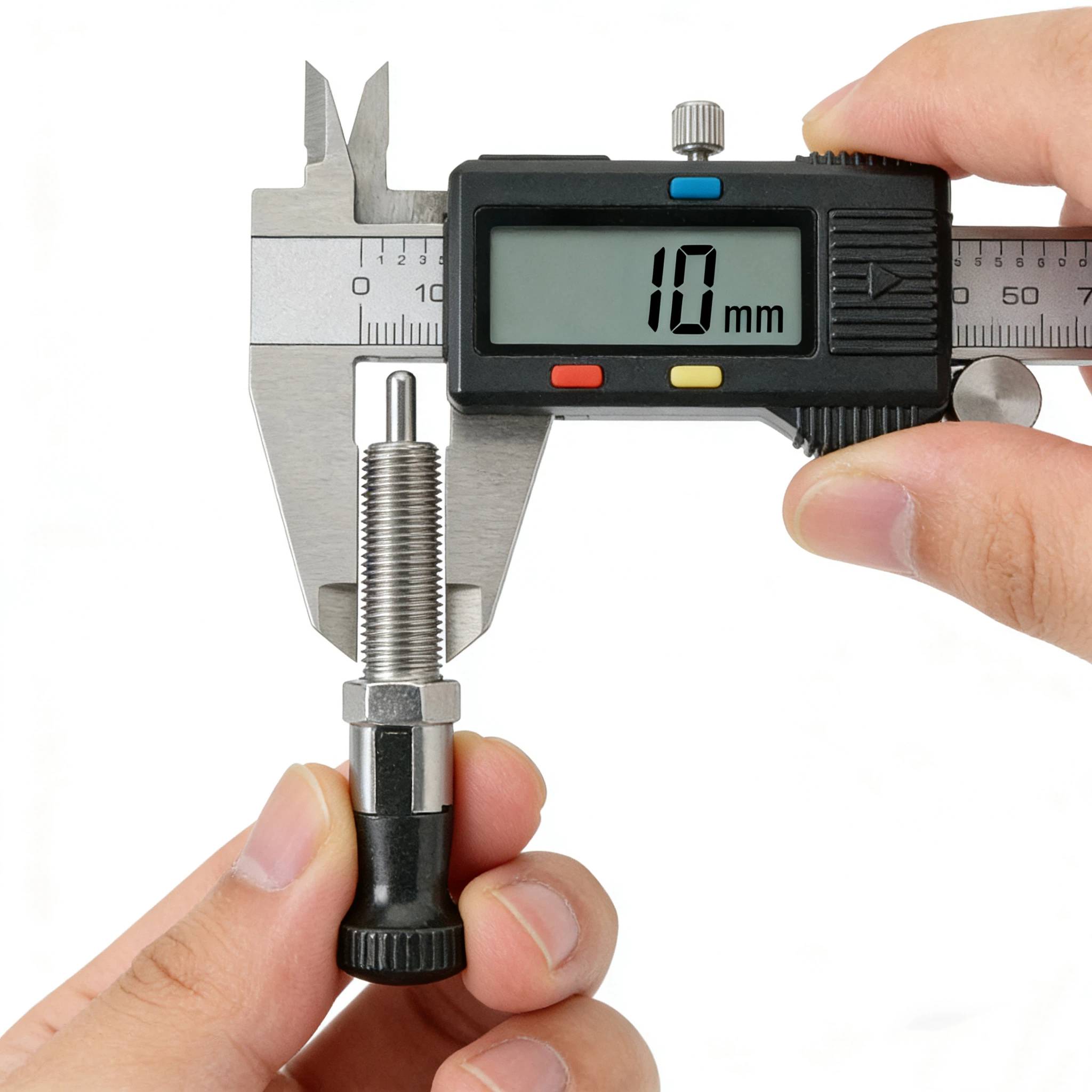
| M20 x 2.5 | 10 | 60 | 14 – 18 | Optional |
Note: Variations exist depending on manufacturer specifications and application needs.
Custom and Specialty Solutions
For unique requirements, manufacturers offer:
-
Custom Plunger Lengths and Diameters
-
Color-Coded Knobs for Identification
-
High-Temperature or Chemical-Resistant Materials
-
Integrated Sensors for Smart Systems
-
Special Threads or Mounting Styles
Custom index plungers help improve workflow efficiency and align with specific equipment designs.
Future Trends and Technological Integration
The role of index plungers is evolving with new technologies:
-
Smart Indexing Systems: Integration with sensors for automated feedback.
-
Additive Manufacturing: 3D printing for customized shapes and rapid prototyping.
-
Eco-Friendly Materials: Use of recyclable and sustainable components.
-
Miniaturization: Development of micro-index plungers for compact devices.
These trends will continue to enhance the functionality, adaptability, and sustainability of indexing solutions.
Index plungers are a fundamental component in modern mechanical design, offering simple yet highly effective solutions for secure and repeatable positioning. Their adaptability, range of sizes, and ergonomic designs make them suitable for countless applications, from high-tech equipment to everyday industrial systems. As technology evolves, the importance of precision and efficiency will drive further innovation in index plunger design, ensuring these devices remain integral to mechanical engineering for years to come.
Explore our index plungers for precise positioning and reliable performance in industrial applications. Durable and efficient, they ensure smooth operation. Contact us for custom solutions tailored to your needs.
Quick Release Mechanism
Spring Loaded Push Pin
Related Article