Indexing Plunger Uses
Contents
Table of Contents
Indexing Plunger Uses
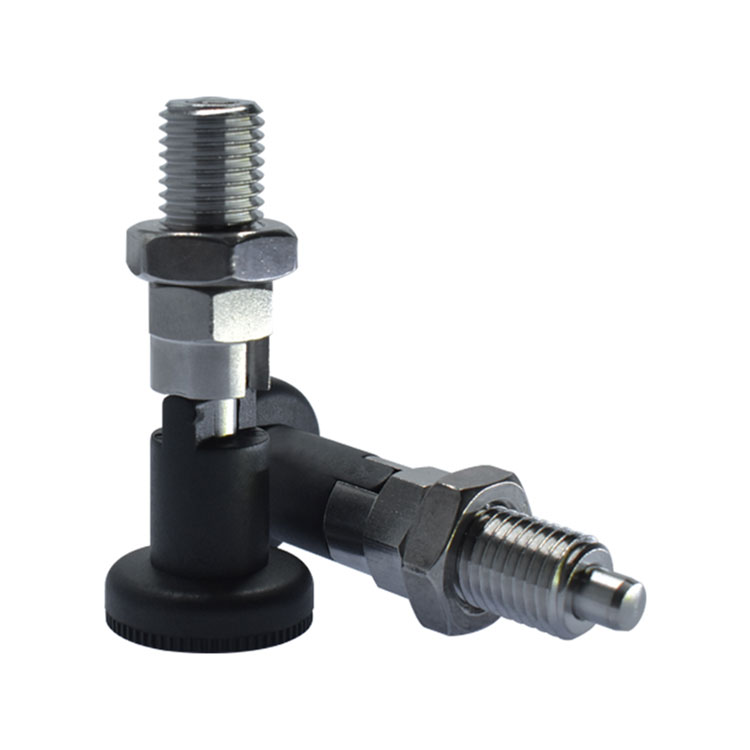
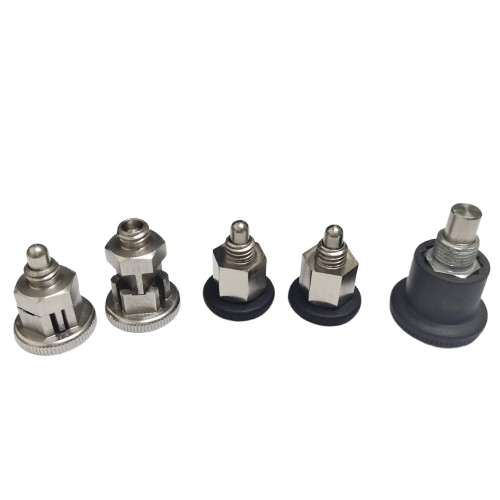
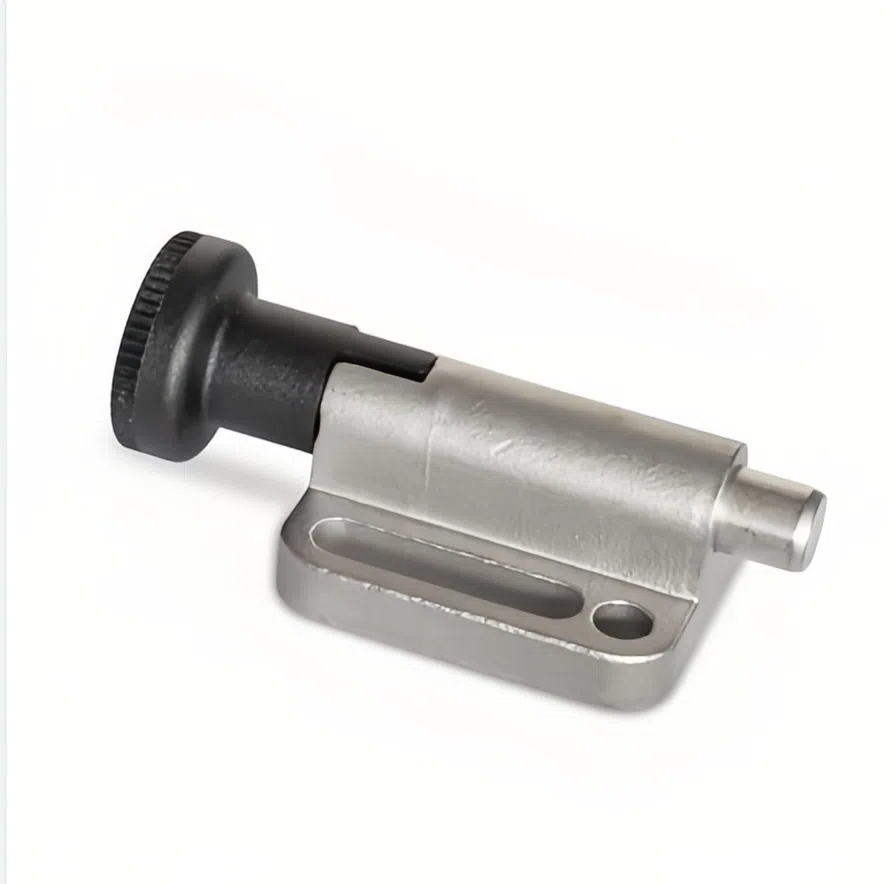
Indexing plungers are mechanical components that utilize spring force to achieve rapid positioning or locking. They typically consist of the following parts:
- Body: Generally made of stainless steel or carbon steel, providing the mounting and fixed foundation for the plunger.
- Plunger Pin: Responsible for inserting into holes or slots to complete positioning or locking actions.
- Spring: Provides thrust force to automatically reset the plunger pin.
- Handle or Pull Ring: Enables manual operation for quick release or locking of the plunger.
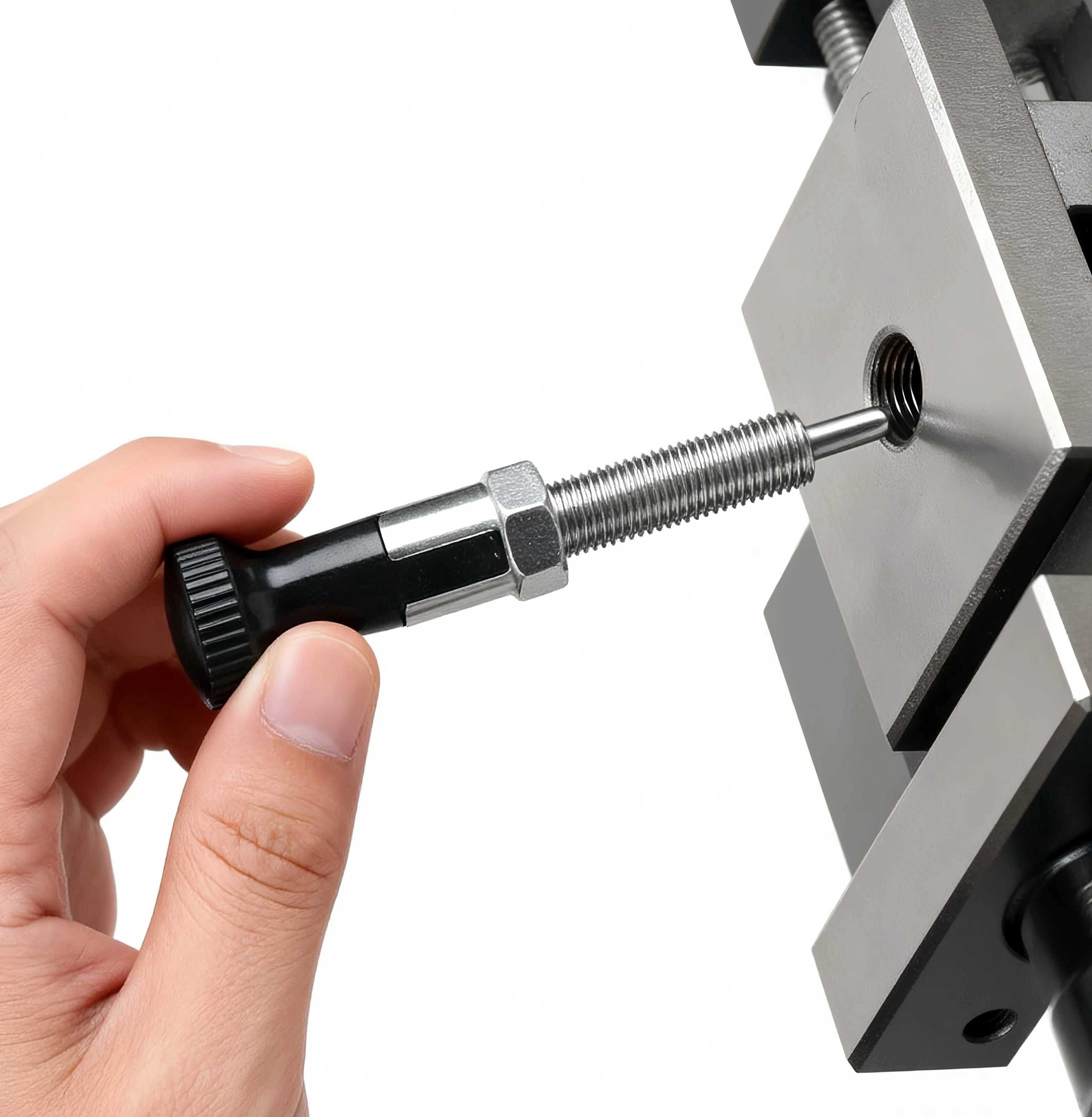
Through this simple structure, indexing plungers enable efficient operation in areas requiring frequent positioning or adjustment. For example, the operator need only lightly pull the handle for the plunger pin to disengage from the hole, allowing component movement; upon release, spring force automatically re-engages the plunger into the positioning hole for secure locking.
The core function of indexing plungers is to achieve precise component positioning and controlled locking. Within complex mechanical systems, numerous components require repeated positional adjustments while maintaining stability and preventing displacement after adjustment. Indexing plungers provide the optimal solution for this requirement.
- Precision Positioning: Ensures repeatable positioning accuracy through mechanical plunger construction.
- Simple Operation: Unlocking and locking achieved by pulling or rotating the handle.
- Compact Design: Minimal installation space, ideal for high-density mechanical layouts.
- Exceptional Durability: Constructed from premium stainless steel or hardened steel for wear resistance and corrosion protection.
The operating principle of indexing plungers is quite straightforward:
When the operator pulls up or rotates the handle, the plunger pin is drawn out of its positioning hole by spring force, placing the device in an adjustable state. Upon releasing the handle, the spring pushes the plunger pin back into the hole, re-engaging the locking mechanism.
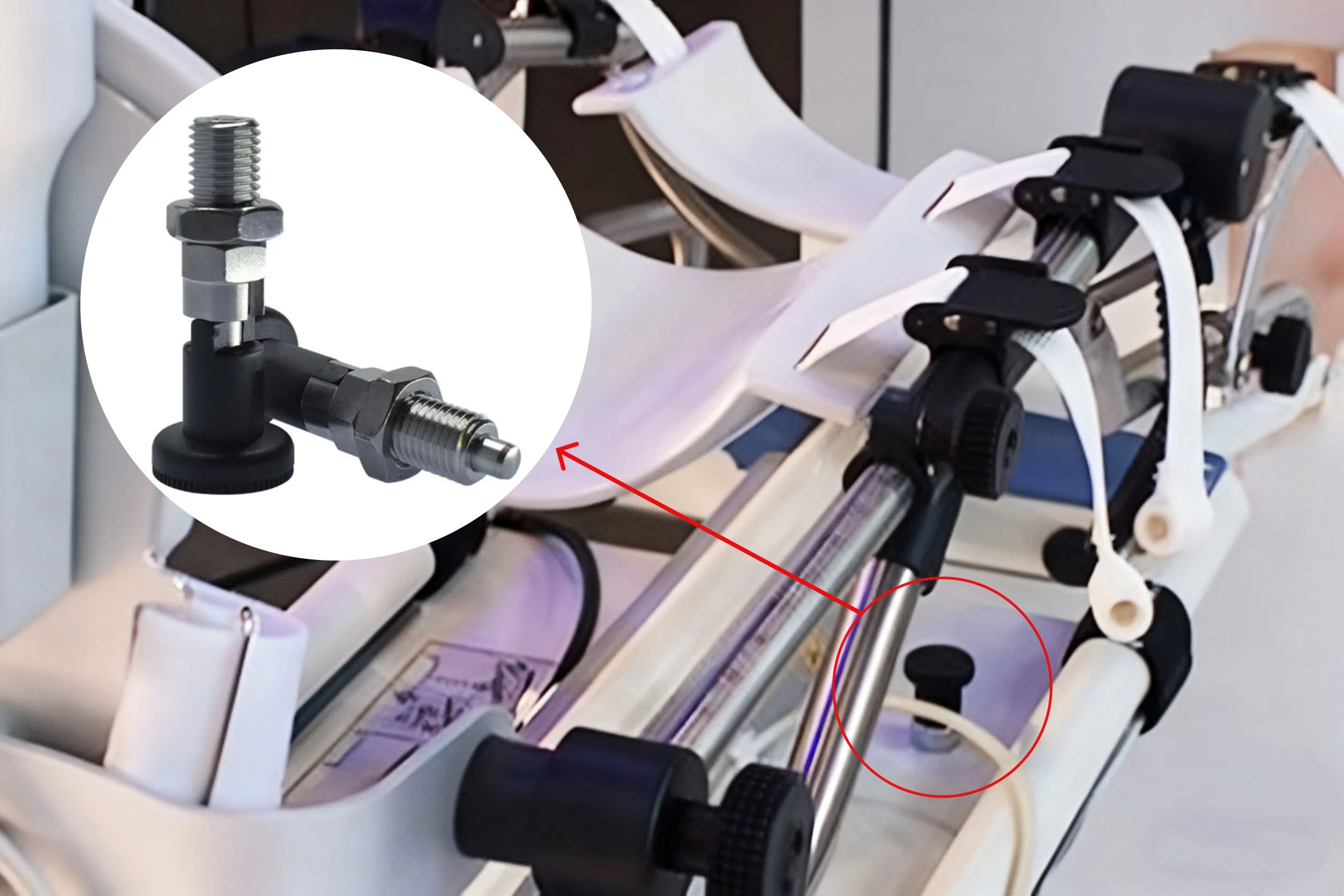
Due to their compact structure, reliable positioning, and ease of operation, indexing plungers are widely used across industrial sectors:
1. Machinery Adjustment and Positioning
Used for positioning and locking mechanisms, sliding rails, or height-adjustable platforms.
2. Tooling Fixtures
Enable rapid positioning and repeatable clamping to enhance production efficiency.
3. Automation Equipment
Serve as positioning components for conveyors or adjustable modules, ensuring consistent alignment.
4. Transportation and Aerospace Machinery
Employed in foldable or sliding structures to maintain part stability under vibration conditions.
Whether on light industrial assembly lines or heavy-duty machining equipment, indexing plungers play a critical role in precise positioning and secure fastening.
The best indexing plunger uses include machinery alignment and height adjustment. Our indexing plungers deliver strength, reliability, and effortless handling.
Ensures Secure and Rapid Setup of Stage Lighting: The Critical Role of Ball Locking Pins in Performance Environments
Ensures Safe and Quick Adjustments in Fitness Equipment: The Essential Role of Ball Locking Pins
Related Article