Is Aluminium A Metal
Is Aluminium A Metal?
Introduction
Is aluminium a metal? This is a question often asked in both academic and industrial contexts. As one of the most abundant elements in the Earth’s crust and a material used widely across construction, transportation, packaging, and electronics, aluminium plays an essential role in modern society. Understanding whether aluminium qualifies as a metal is important for professionals working in materials science, manufacturing, and engineering, as well as for students and general science enthusiasts. In this comprehensive article, we’ll answer the question "Is aluminium a metal?" by exploring its position on the periodic table, its chemical and physical properties, its historical and industrial uses, and its comparison with other metals.
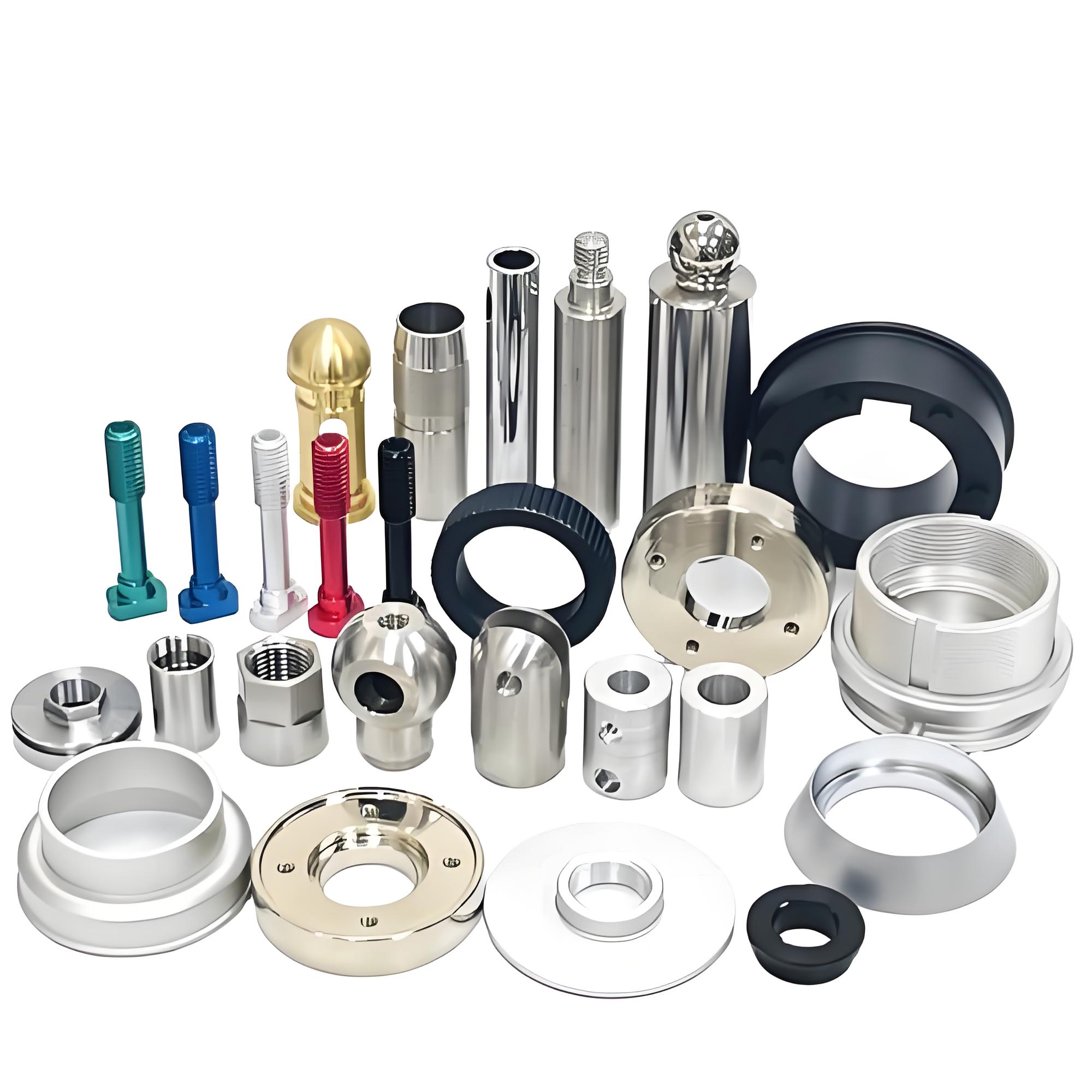
Aluminium, spelled "aluminum" in American English, is a chemical element with the symbol Al and atomic number 13. It is a silvery-white, soft, non-magnetic metal. With a low density and high strength-to-weight ratio, aluminium is known for its corrosion resistance and excellent thermal and electrical conductivity. These characteristics make it indispensable in numerous industries.
To understand the answer to the question Is aluminium a metal?, we must first understand what defines a metal. Metals typically exhibit properties such as high electrical and thermal conductivity, malleability, ductility, luster, and the ability to form positive ions (cations). Let’s investigate whether aluminium meets these criteria.
Aluminium in the Periodic Table
Aluminium is located in Group 13 (IIIA) of the periodic table, alongside elements such as boron, gallium, indium, and thallium. These elements are often referred to as the boron group or the aluminium group. Among these, boron is a metalloid, while the rest, including aluminium, are metals.
The answer to Is aluminium a metal? begins here. According to its placement and group characteristics, aluminium is classified unequivocally as a metal. This classification is not merely symbolic—it is based on a range of consistent properties observed in laboratory and industrial settings.
Physical and Chemical Properties of Aluminium
To delve deeper into the question Is aluminium a metal?, we need to explore its physical and chemical attributes.
-
Luster: Aluminium has a shiny, metallic surface when polished.
-
Conductivity: It conducts electricity and heat very well, almost as efficiently as copper.
-
Malleability and Ductility: It can be rolled into thin sheets (foil) or drawn into wires, confirming its malleability and ductility.
-
Density: It has a low density (2.7 g/cm³), making it lightweight compared to many other metals.
-
Melting and Boiling Points: It melts at 660.3°C and boils at 2,470°C, typical of metallic elements.
-
Reactivity: Aluminium readily forms compounds with oxygen, fluorine, and other nonmetals, which is characteristic of metals.
These properties affirmatively answer the question: Is aluminium a metal? Yes, it most certainly is.
Formation of Ions and Metallic Bonds
Aluminium atoms readily lose three electrons to form Al³⁺ ions, a key feature of metallic elements. This capacity to form positive ions is a defining characteristic of metals. In solid aluminium, atoms share a "sea" of delocalized electrons, creating metallic bonds that contribute to its conductivity and mechanical strength.
The question Is aluminium a metal? becomes even clearer when we analyze its electron configuration and bonding behavior. It checks all the boxes typical of metallic elements.
Alloys and Industrial Applications
One reason why the question Is aluminium a metal? comes up so often is due to its use in alloys. Aluminium is seldom used in its pure form. Instead, it is alloyed with elements such as copper, magnesium, silicon, and zinc to improve strength and durability.
Some common aluminium alloys include:
-
2024: High strength, used in aerospace
-
6061: Versatile and corrosion-resistant, used in construction
-
7075: High strength-to-weight ratio, used in cycling and climbing equipment
These applications rely on aluminium's metallic nature. The metal’s ability to blend with other elements while retaining metallic properties is another strong indicator that aluminium is indeed a metal.
Aluminium vs Other Metals
To reinforce the answer to Is aluminium a metal?, let's compare aluminium with other well-known metals.
| Property | Aluminium | Iron | Copper |
|---|---|---|---|
| Electrical Conductivity | High | Moderate | Very High |
| Density (g/cm³) | 2.7 | 7.9 | 8.9 |
| Corrosion Resistance | Very High (oxide layer) | Moderate | Low (oxidizes easily) |
| Malleability | High | Moderate | High |
| Magnetic Properties | Non-magnetic | Magnetic | Non-magnetic |
Clearly, aluminium shares key traits with established metals like copper and iron, even outperforming them in areas like corrosion resistance and weight. This comparative analysis supports the clear and consistent answer to Is aluminium a metal?
Environmental and Economic Importance
Aluminium is also significant from an environmental and economic perspective. Recycling aluminium uses only 5% of the energy required to extract it from ore. This energy efficiency has made it one of the most recycled materials in the world. The economic value and sustainability of aluminium further confirm its role as a vital metal in the 21st century.
Why the Confusion?
Despite the overwhelming evidence, some people still ask Is aluminium a metal? This may be due to its lightness and relatively low melting point, which are unusual among structural metals. Others may be confused by its appearance, which can be dull when oxidized. However, these traits are superficial and do not change the fact that aluminium exhibits all the core properties of metals.
Scientific and Industrial Consensus
In science and industry, there is no ambiguity. Aluminium is a metal. Institutions like the International Union of Pure and Applied Chemistry (IUPAC) and industries worldwide classify it as such. Engineers, metallurgists, chemists, and material scientists work with aluminium daily, fully recognizing it as a metallic element.
So, Is aluminium a metal? The answer is a resounding yes. Aluminium fits all the criteria used to define metals: it conducts heat and electricity, is malleable and ductile, forms positive ions, and possesses a metallic luster. Its widespread use in industrial and technological applications, from aerospace to packaging, would not be possible if it weren’t a metal.
Understanding the nature of aluminium helps professionals make better decisions in materials engineering, environmental management, and manufacturing. The repeated exploration of the question Is aluminium a metal? throughout this article underscores not only the scientific clarity of its classification but also the significance of aluminium as one of the most versatile and sustainable metals available today.
Is aluminium a metal? Learn about its lightweight, durable properties and applications in industrial, automotive, and machinery fields. Discover how aluminium enhances modern manufacturing.
What Is The Price Of Aluminum Right Now
Can Stainless Steel Rust
Related Article