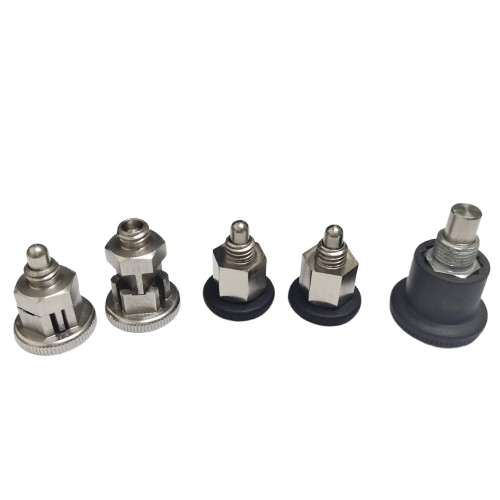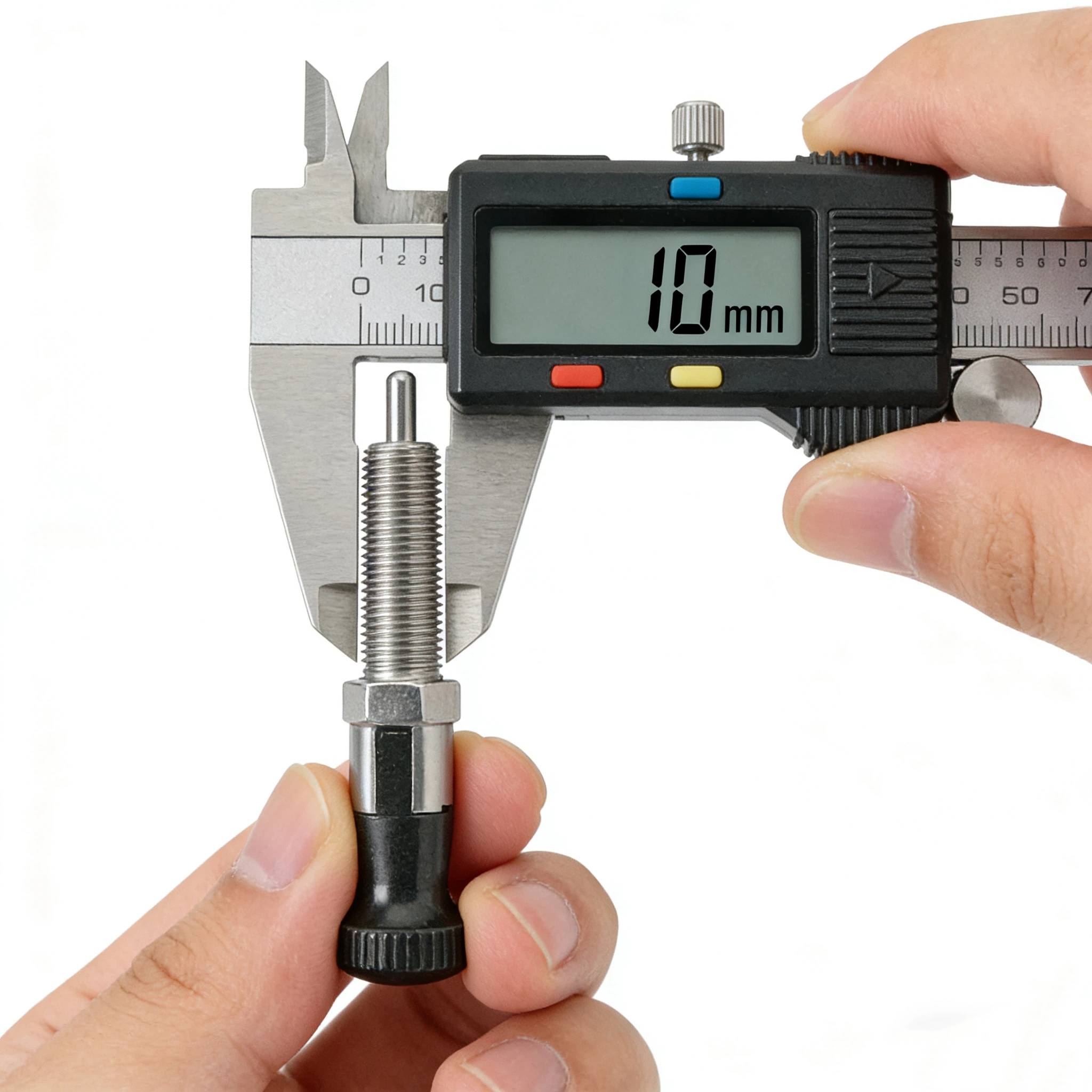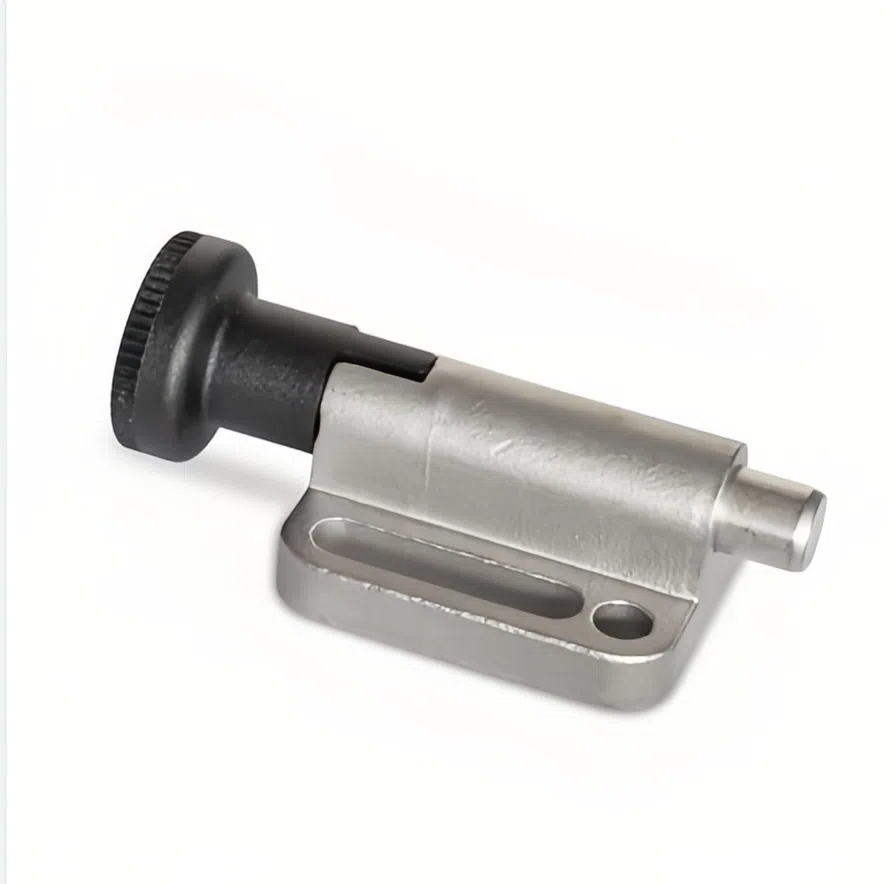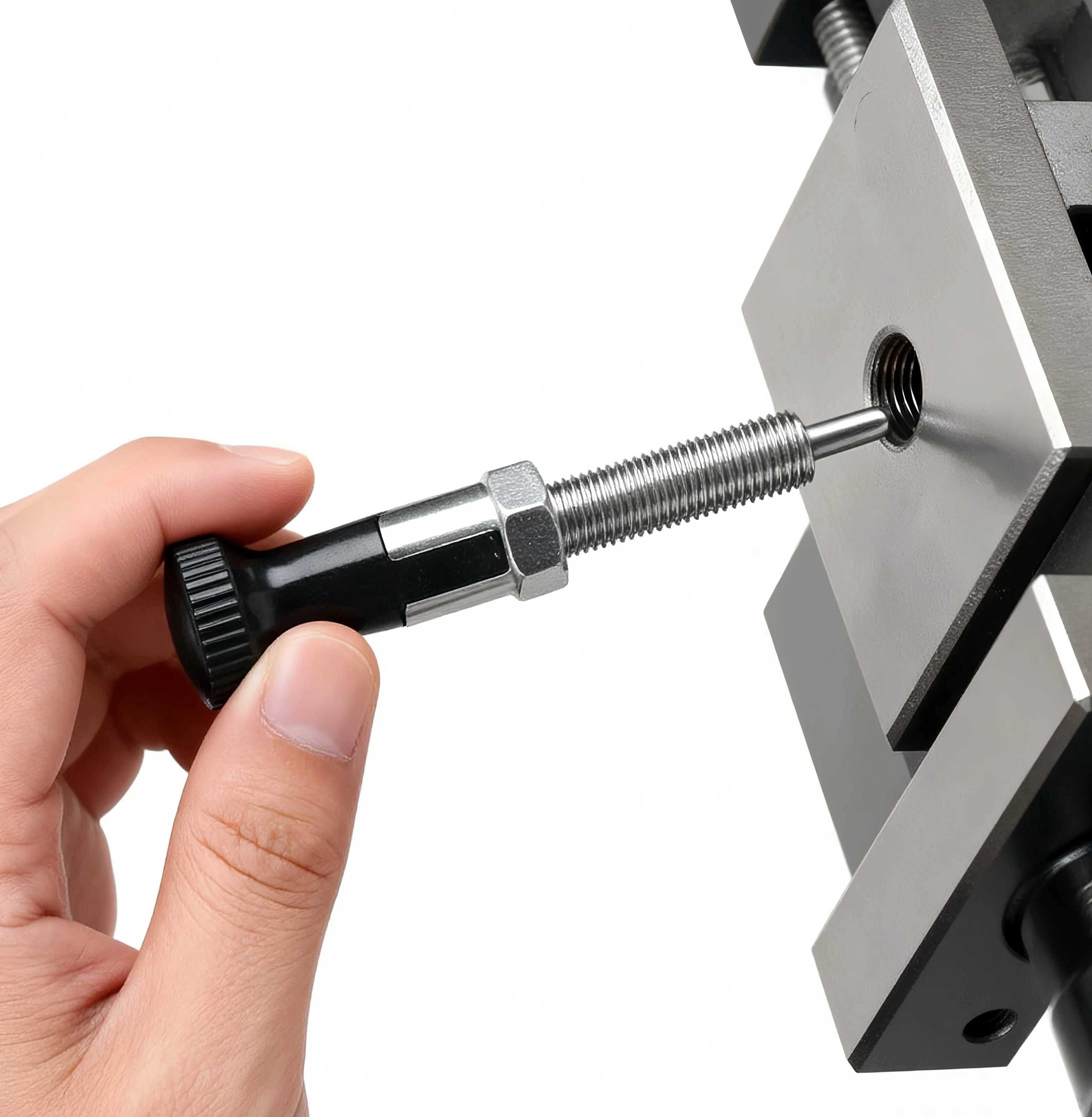
Loaded Pin
Loaded Pins: The Hidden Force Behind Precision Engineering
Introduction
In the vast world of mechanical engineering and industrial design, certain components, although small in size, play monumental roles in ensuring functionality, safety, and performance. Among these unsung heroes is the Loaded Pin, an integral device used across industries to provide secure fastening, accurate positioning, and repeatable engagement in dynamic systems. From aerospace to robotics, loaded pins—often in the form of spring-loaded pins or locking pins—deliver essential support in complex assemblies.
This in-depth article explores the design, applications, engineering advantages, material choices, market trends, and future innovations surrounding loaded pins. Whether you’re a mechanical engineer, procurement specialist, or technical enthusiast, this guide will help you understand why loaded pins are a cornerstone of precision systems.
What Is a Loaded Pin?
A Loaded Pin is a mechanical fastener that incorporates an internal spring or preload mechanism. This spring loading ensures that the pin can either retract or lock into place with consistent force, enabling applications such as alignment, indexing, engagement, or latching.
Loaded pins come in many variations, including:
-
Spring-Loaded Pins
-
Locking Pins
-
Quick Release Pins
-
Detent Pins
-
Indexing Pins
These pins can operate in push-pull mechanisms, where the user applies a force to retract or engage the pin, and the internal spring automatically returns it to its neutral position. This functionality ensures reliability and ease of use in high-cycle environments.
Types of Loaded Pins
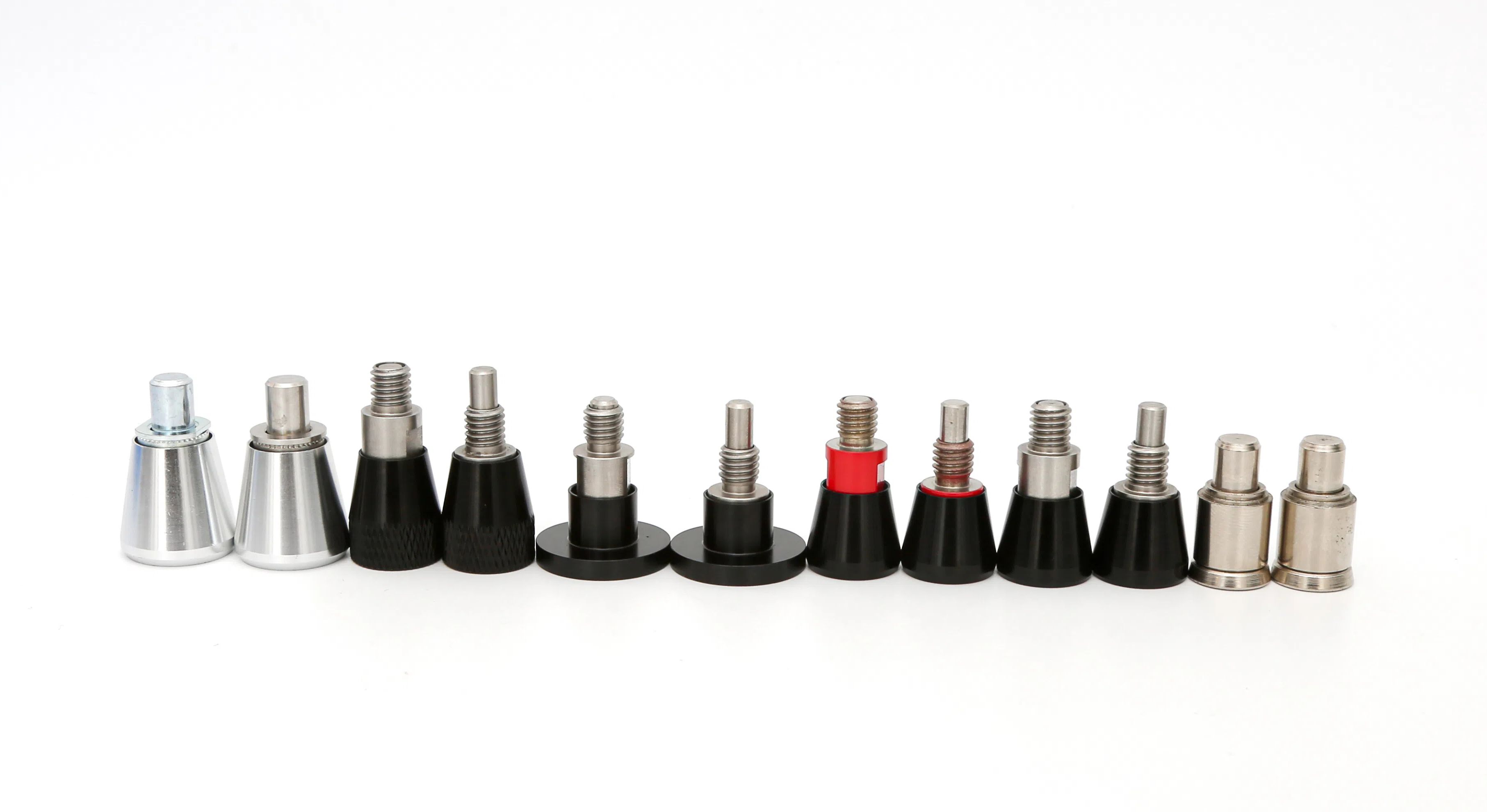
1. Spring-Loaded Pins
These are pins equipped with internal compression springs that allow the pin to automatically retract or extend based on user input. Commonly used in locating and alignment operations.
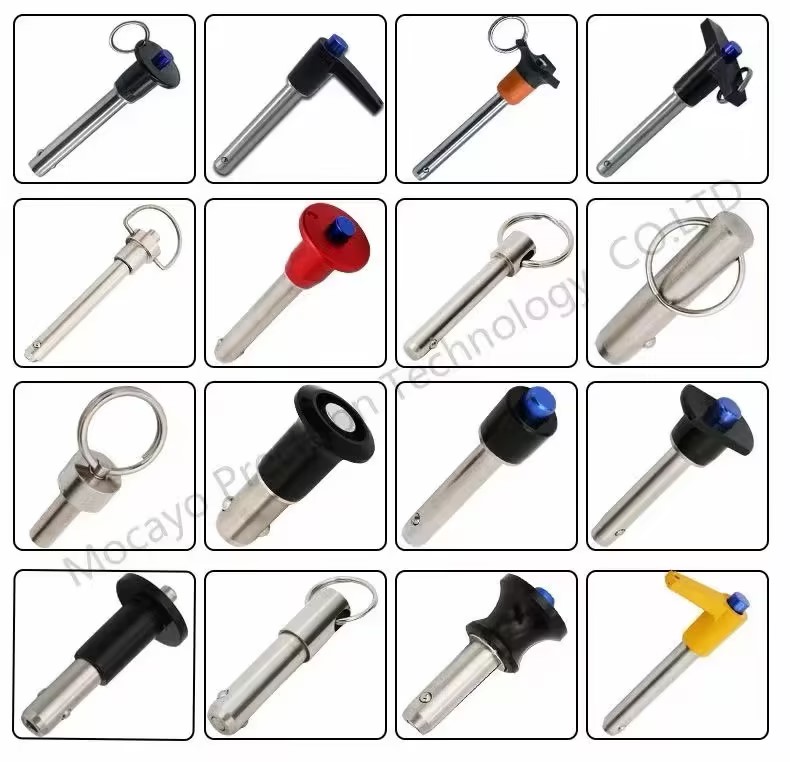
2. Quick Release Pins
Feature a spring-loaded button that allows for quick insertion and removal without the need for tools. Ideal for applications requiring frequent assembly/disassembly.
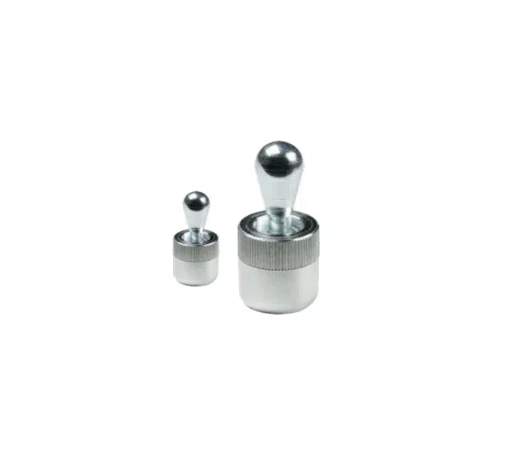
3. Locating Pins
Include positive locking mechanisms to prevent accidental disengagement. They’re common in aerospace and safety-critical systems.
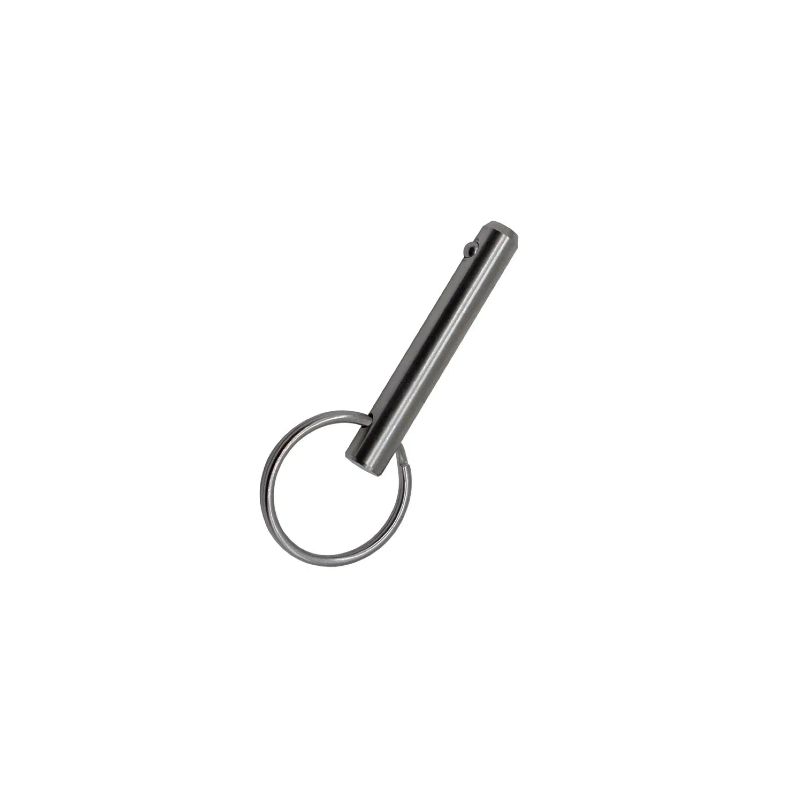
4. Detent Pins
Have a spring-loaded ball bearing near the tip, which secures the pin in place once inserted. Useful in jigs, fixtures, and modular systems.
5. Indexing Pins
Spring-loaded devices used to precisely align or position components in repetitive setups or adjustable assemblies.
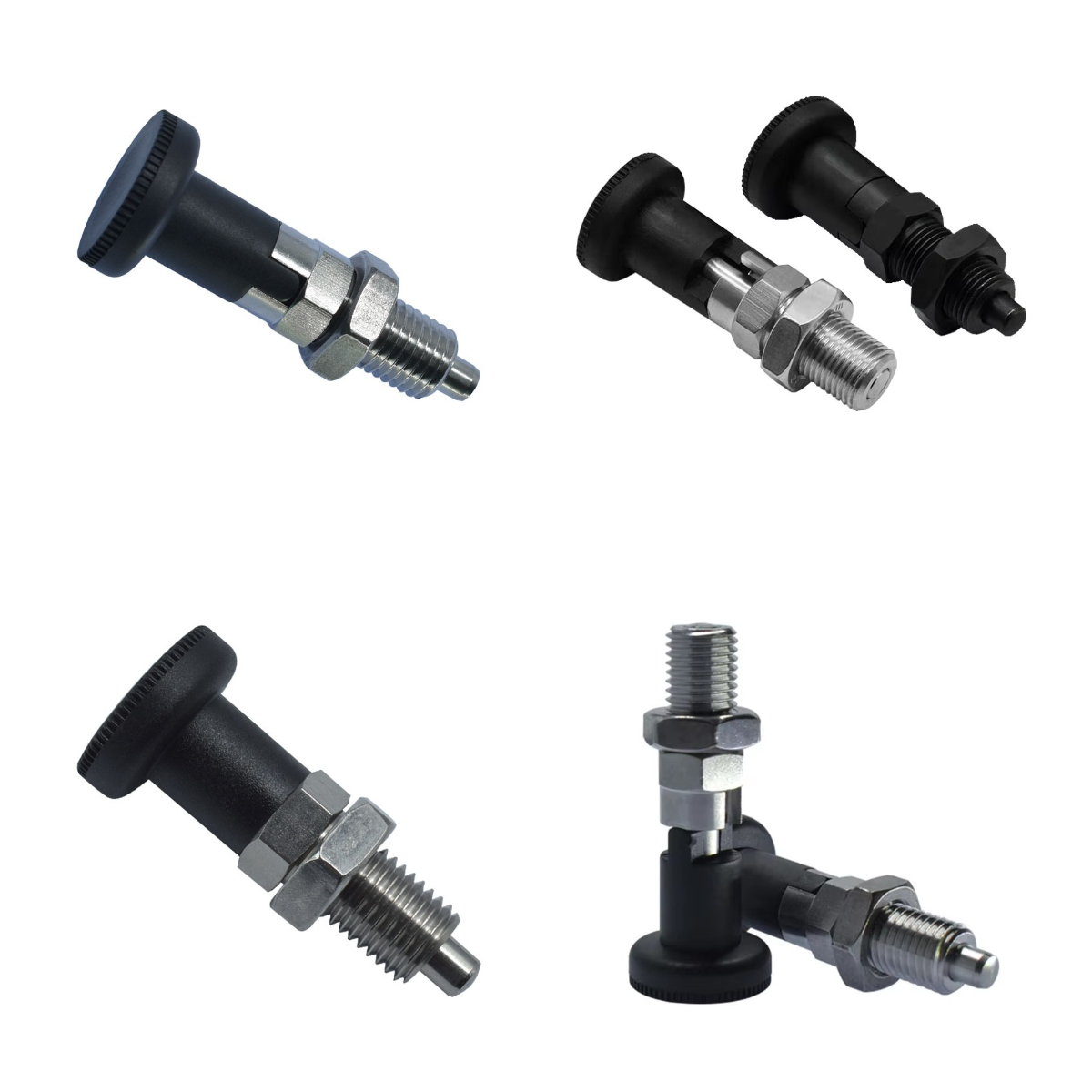
Core Design and Working Principle
The loaded pin is based on a simple mechanical concept: store mechanical energy in a spring to control movement or holding force.
Main Components:
-
Body or Shaft: The cylindrical portion that houses the spring and acts as the structural component.
-
Spring Mechanism: Usually a compression spring that delivers consistent force.
-
Button, Handle, or Head: Allows the user to actuate the pin manually.
-
Tip or Locking Element: Can be a ball, tapered tip, or grooved section that engages with a corresponding part in the assembly.
When actuated, the spring compresses to allow the pin to retract. Once released, the spring pushes the pin or locking feature back into place, securing the system automatically.
Key Materials Used in Loaded Pins
Choosing the right material is essential for loaded pins, as they must withstand mechanical loads, environmental exposure, and wear.
Common Materials:
-
Stainless Steel (304, 316, 17-4PH): Excellent corrosion resistance, high strength, ideal for marine and aerospace use.
-
Carbon Steel (1045, 4130): Strong and cost-effective, suitable for general industrial use.
-
Brass: Used in light-duty or non-magnetic applications.
-
Aluminum: Lightweight, corrosion-resistant, often anodized for extra protection.
-
Thermoplastics (POM, Nylon): Ideal for low-load applications where weight, electrical insulation, or chemical resistance is important.
Surface Treatments:
-
Passivation (for stainless steel)
-
Zinc or Nickel Plating (for steel)
-
Anodizing (for aluminum)
Engineering Advantages of Loaded Pins
Loaded pins are favored for their unique blend of simplicity and effectiveness. Here are their core advantages:
-
Fast and Reliable Engagement: Enables quick assembly and disassembly without tools.
-
Consistent Spring Force: Ensures reliable mechanical performance even under dynamic conditions.
-
Compact Design: Suitable for use in tight spaces.
-
Durability: High-cycle designs can withstand thousands or millions of actuations.
-
Safety: Many variants offer secure locking to prevent accidental disengagement.
-
Customization: Can be tailored to specific force requirements, dimensions, or materials.
Applications of Loaded Pins Across Industries
1. Aerospace and Aviation
-
Used in seat locking, cargo handling, panel mounting, and emergency mechanisms.
-
Positive-locking and quick-release pins are essential in high-vibration environments.
2. Automotive
-
Found in adjustable seat components, modular tooling, and vehicle assembly fixtures.
3. Medical Devices
-
Used in surgical instruments, diagnostic tools, and adjustable stands where precision is critical.
4. Industrial Machinery
-
Enable quick changeovers, modular jigs, and positioning systems on production lines.
5. Robotics and Automation
-
Facilitate easy part interchangeability and precise position locking in dynamic robotic setups.
6. Military and Defense
-
Offer rugged and dependable locking mechanisms in weapons systems, transport gear, and field tools.
Standards and Specifications
Loaded pins often comply with international engineering standards to ensure interchangeability and performance:
| Standard | Region | Relevance |
|---|---|---|
| ANSI B18.8 | USA | Pin dimensions and tolerances |
| DIN 1444 | Germany | Spring pin specifications |
| NASM17985 | USA | Aerospace-grade quick release pins |
| ISO 8752 | International | Spiral spring pins |
Manufacturers may also offer proprietary designs for niche applications.
Installation and Maintenance Guidelines
Proper installation and maintenance can significantly extend the life and performance of a loaded pin.
Installation Tips:
-
Match the diameter of the pin with the mating hole with proper clearance.
-
Use the correct installation torque (if threaded).
-
Ensure spring preload is not exceeded during operation.
Maintenance:
-
Inspect regularly for wear or corrosion.
-
Lubricate where needed, especially in high-cycle or exposed environments.
-
Replace pins showing signs of fatigue or failure.
Customization and Special Options
Manufacturers like Mocayo Precision Technology Co., Ltd. offer customized solutions for specific needs:
-
Custom diameter and length
-
Color-coded handles for identification
-
Safety tether holes
-
Engraved part numbers
-
High-temperature springs
-
Non-standard locking mechanisms
Customized loaded pins are essential in applications that demand tight tolerances, non-standard materials, or unique actuation requirements.
Emerging Trends and Innovations
Smart Pins
-
Sensors integrated into locking pins for real-time feedback in high-tech systems.
Miniaturized Pins
-
Designed for wearables, microsurgical tools, and IoT devices.
Corrosion-Proof Pins
-
Advanced materials like Titanium and PEEK being used for extreme environments.
Magnetic and Electrical Variants
-
Incorporate electrical contacts or magnetic latching for multifunctional performance.
Choosing the Right Loaded Pin
Selecting the correct loaded pin requires consideration of several factors:
-
Load requirements
-
Environment (temperature, humidity, exposure)
-
Frequency of engagement
-
Corrosion resistance
-
Installation method
-
Regulatory compliance
Collaboration between design engineers and component suppliers can help identify the best solution.
Upgrade your hardware with loaded pins, offering secure and precise fastening for industrial, automotive, and machinery applications. Durable, reliable, and easy to use—perfect for efficient and seamless operations.
While often overlooked in favor of larger, more visible components, Loaded Pins are essential to the smooth, efficient, and safe operation of mechanical systems across all industries. Their blend of precision, versatility, and mechanical efficiency ensures they’ll remain a critical part of engineering solutions in the decades to come.
From facilitating quick assembly in aerospace applications to providing dependable alignment in factory automation systems, the loaded pin proves that sometimes the smallest components have the biggest impact.
Ball Locking Bolts
Micro Spring Plunger
Related Article