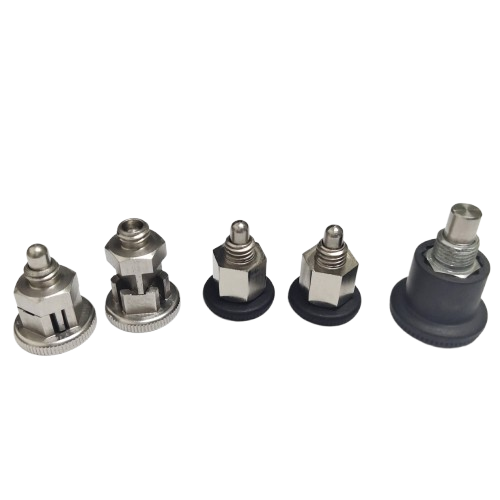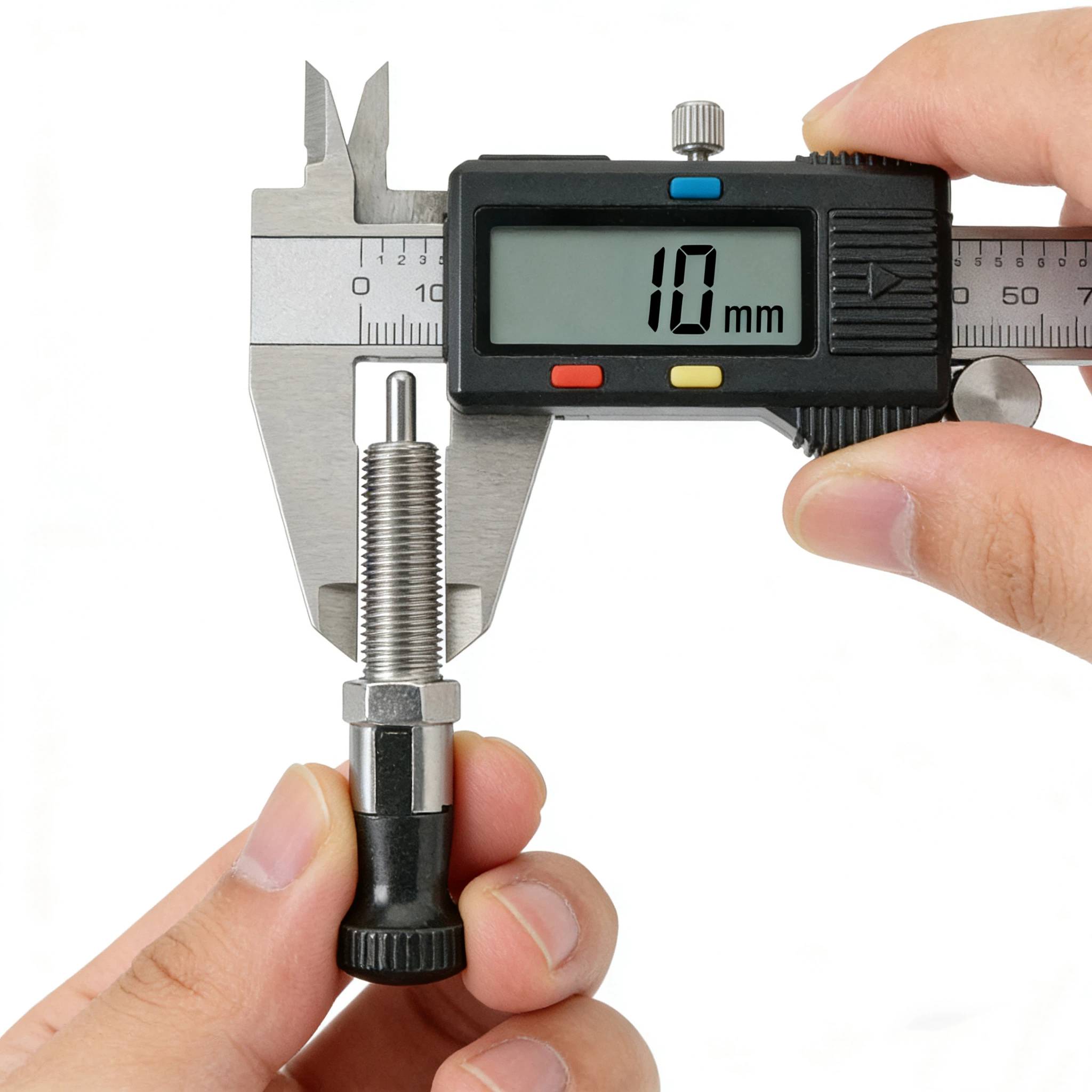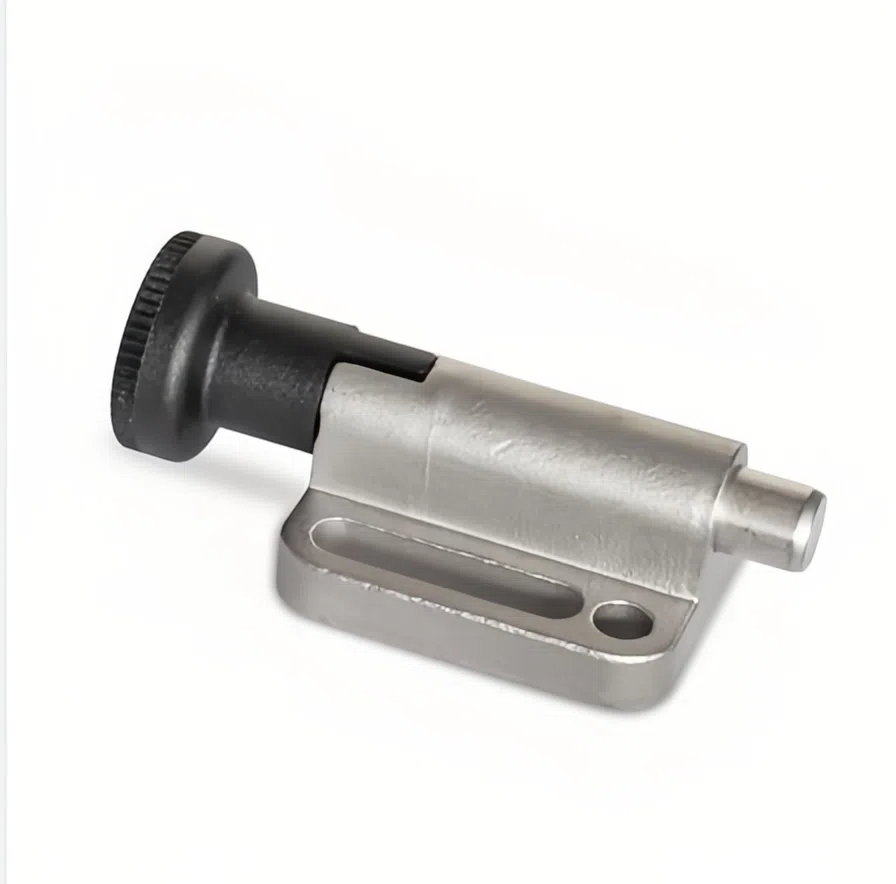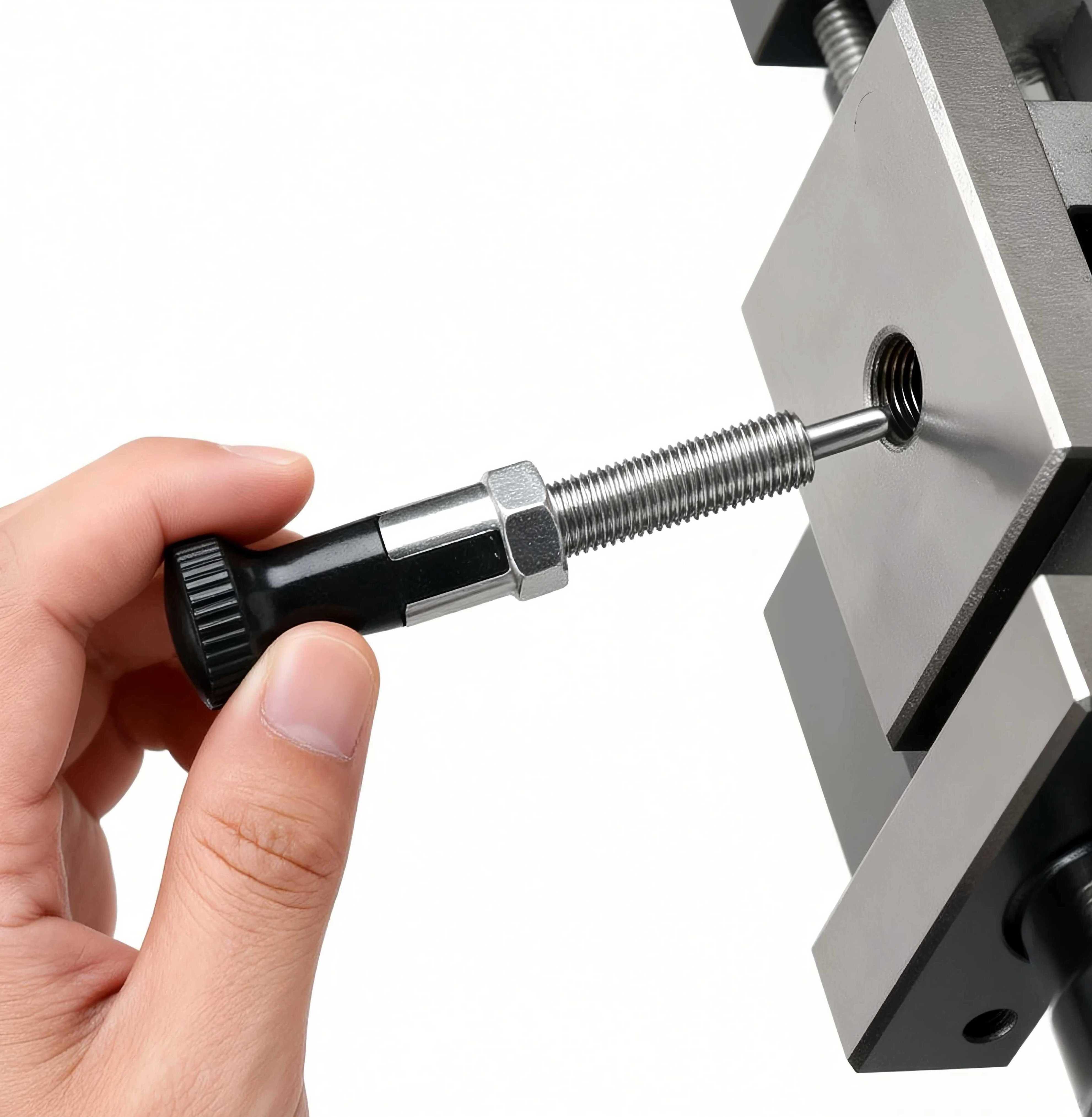
Locking Pull Pin Latch
Unlocking Versatility: A Deep Dive into Locking Pull Pin Latches
Introduction to Locking Pull Pin Latches
Locking pull pin latches are critical mechanical components used in a wide range of industrial and mechanical applications where secure yet quick adjustments or connections are needed. These devices combine reliability, strength, and ease of use in environments where repeat positioning, fastening, or securing elements is frequent and essential. Industries from aerospace to agricultural equipment rely heavily on these small but powerful pins to streamline operations, enhance safety, and reduce downtime.


What Is a Locking Pull Pin Latch?
A locking pull pin latch is a mechanical fastening device typically consisting of a pin body, a spring-loaded mechanism, a handle (often a T-Handle or ring), and a locking feature. When the handle is pulled, the pin retracts or disengages from its fixed position. Releasing the handle re-engages the pin, often locking it in place automatically.
The locking mechanism ensures the pin stays securely in its designated position and cannot disengage unintentionally due to vibration, pressure, or misuse—making it ideal for safety-critical applications.

Key Components and Functionality
1. Pin Shaft
Made from stainless steel or hardened steel, the pin shaft is the main body of the latch that inserts into the application housing or holes.
2. Spring Mechanism
The internal spring provides the tension that drives the pin back into place once released, enabling automatic re-engagement.
3. Handle Type
Handles come in various designs: ring handles, T-handles, L-handles, and even custom shapes for ergonomic or specific usage.
4. Locking Mechanism
The locking mechanism can include detent balls, push-to-lock designs, or twist locks, depending on the required application.
5. Housing or Collar
This part helps mount or stabilize the pin within a frame or structure, offering support and alignment.
Advantages of Locking Pull Pin Latches
-
Quick Operation: Enables fast removal and reinsertion without tools.
-
Secure Locking: Spring-loaded and mechanical locks ensure safety.
-
High Load Capacity: Withstands significant pressure and tension.
-
Versatile Materials: Available in stainless steel, aluminum, zinc-plated steel.
-
Durability: Designed for long service life, even in harsh environments.
-
Customizability: Can be manufactured to suit non-standard dimensions or loads.
Applications Across Industries
1. Aerospace
In aircraft interiors, locking pull pin latches secure adjustable seating, tray tables, and access panels. Lightweight stainless steel or aluminum options are often chosen to meet weight constraints.
2. Automotive
Used in adjustable steering columns, seating mechanisms, or to secure detachable equipment in utility vehicles.
3. Construction and Heavy Machinery
They secure gates, hatches, tools, and equipment attachments, with high-strength options designed to withstand outdoor or rugged use.
4. Medical Equipment
Mobile beds, adjustable carts, and lab equipment benefit from precision locking pull pin latches to maintain positioning without fail.
5. Marine and Offshore Applications
Corrosion-resistant pins are essential in ships and offshore platforms for equipment locking and safety latching.
Types of Locking Pull Pin Latches
1. Ball Lock Pins
These feature one or more spring-loaded balls near the tip. Pulling the handle retracts the balls, allowing the pin to be inserted or removed.
2. T-Handle Quick Release Pins
Perfect for tool-free manual adjustments, these are common in heavy-duty and repetitive operations.
3. Positive Lock Pins
With a button or twist-to-lock feature, these prevent accidental disengagement due to vibration or motion.
4. Detent Pins
Contain an internal spring and detent mechanism to offer firm yet releasable engagement.
5. L-Handle Pins
Provide an ergonomic option for more grip or specific motion directions in insertion/removal.
Choosing the Right Locking Pull Pin Latch
To choose the appropriate latch for your application, consider the following:
-
Material Requirements (e.g., stainless steel for corrosion resistance)
-
Load and Shear Strength
-
Handle Design and Accessibility
-
Environmental Conditions (temperature, moisture, chemicals)
-
Frequency of Use
-
Size and Tolerances
Common Materials and Their Properties
| Material | Features | Ideal Use Case |
|---|---|---|
| Stainless Steel | Corrosion-resistant, strong | Marine, medical, outdoor equipment |
| Hardened Steel | High load resistance, less flexible | Construction, heavy-duty equipment |
| Aluminum | Lightweight, corrosion-resistant | Aerospace, transport |
| Zinc-Plated Steel | Economical, basic protection | General mechanical systems |
Maintenance and Safety Considerations
-
Regular Inspection: Check for wear, deformation, or loss of spring tension.
-
Lubrication: Helps maintain smooth operation and prevents corrosion.
-
Cleaning: Especially important in food, medical, or corrosive environments.
-
Replacement Schedule: Based on frequency of use and safety requirements.
Recent Innovations in Locking Pull Pins
Modern locking pull pin latches have seen innovations including:
-
Push-button positive locking
-
Color-coded handles for identification
-
Load-indicator models
-
Miniaturized versions for precision equipment
-
Integrated tether systems to prevent loss
Global Standards and Compliance
These components are often manufactured to comply with standards like:
-
ISO 898-1
-
ASME B18.3
-
DIN ISO 2340 / 2341
-
RoHS and REACH Compliance
Following standards ensures interchangeability and reliability across global applications.
Customization Options for OEMs and Engineers
For specific applications, manufacturers offer custom options:
-
Unique diameters or lengths
-
Handle branding or logos
-
Anodized color coatings
-
Custom thread configurations
-
High-temperature materials
This level of flexibility allows integration into high-performance systems across industries.
Environmental and Sustainability Aspects
Stainless steel locking pull pins are known for their recyclability, durability, and energy-efficient lifecycle. Manufacturers increasingly emphasize low-waste machining, eco-friendly packaging, and sustainable sourcing to meet green certification standards.
Market Trends and Future Outlook
The global industrial fasteners market, which includes locking pull pin latches, is projected to grow steadily due to increased automation, rising aerospace production, and expanding industrial machinery sectors.
Future trends include:
-
Smart locking pins with sensors
-
Increased use of composites and advanced alloys
-
Digital traceability and barcode integration
-
Modular, multi-use pin assemblies
Enhance your hardware with locking pull pin latches, offering secure and quick-release functionality for gates, panels, and industrial equipment. Durable, reliable, and easy to use—perfect for seamless operations.
Small Pins, Big Impact
Locking pull pin latches, though modest in size, have a monumental impact on industrial performance, safety, and efficiency. As industries evolve and systems become more automated and compact, the importance of reliable fastening mechanisms continues to grow.
Whether for adjustable hospital beds or high-load construction gear, choosing the right locking pull pin can be the difference between seamless operation and critical failure. With ongoing innovation and adherence to international standards, these pins remain a cornerstone in mechanical design and safety.
Micro Spring Plunger
Ball Spring Plungers
Related Article