How Are Quick Release Pins Made
How Are Quick Release Pins Made? A Look into the Manufacturing Process
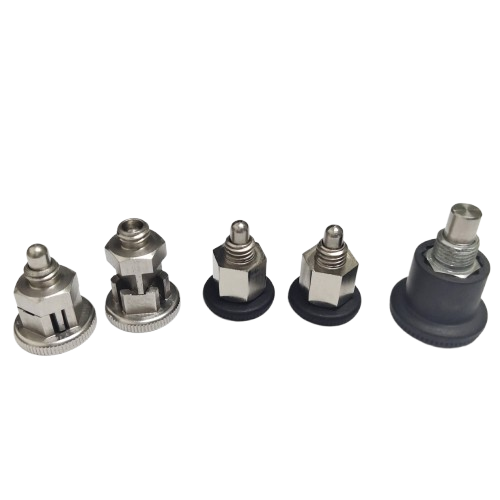
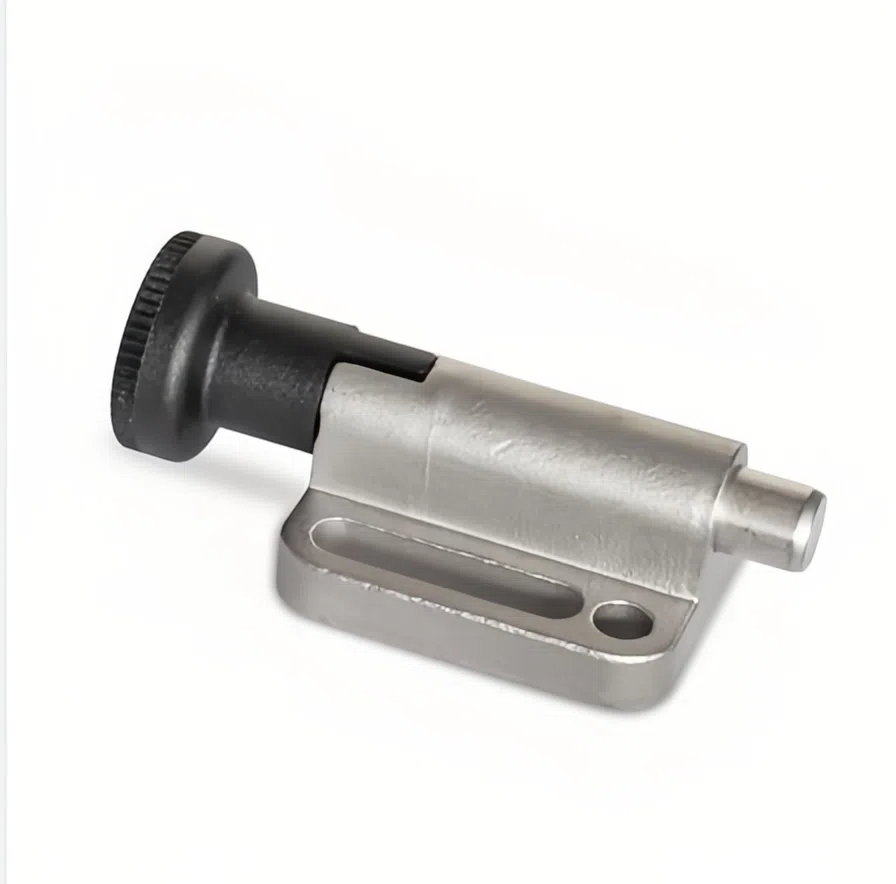
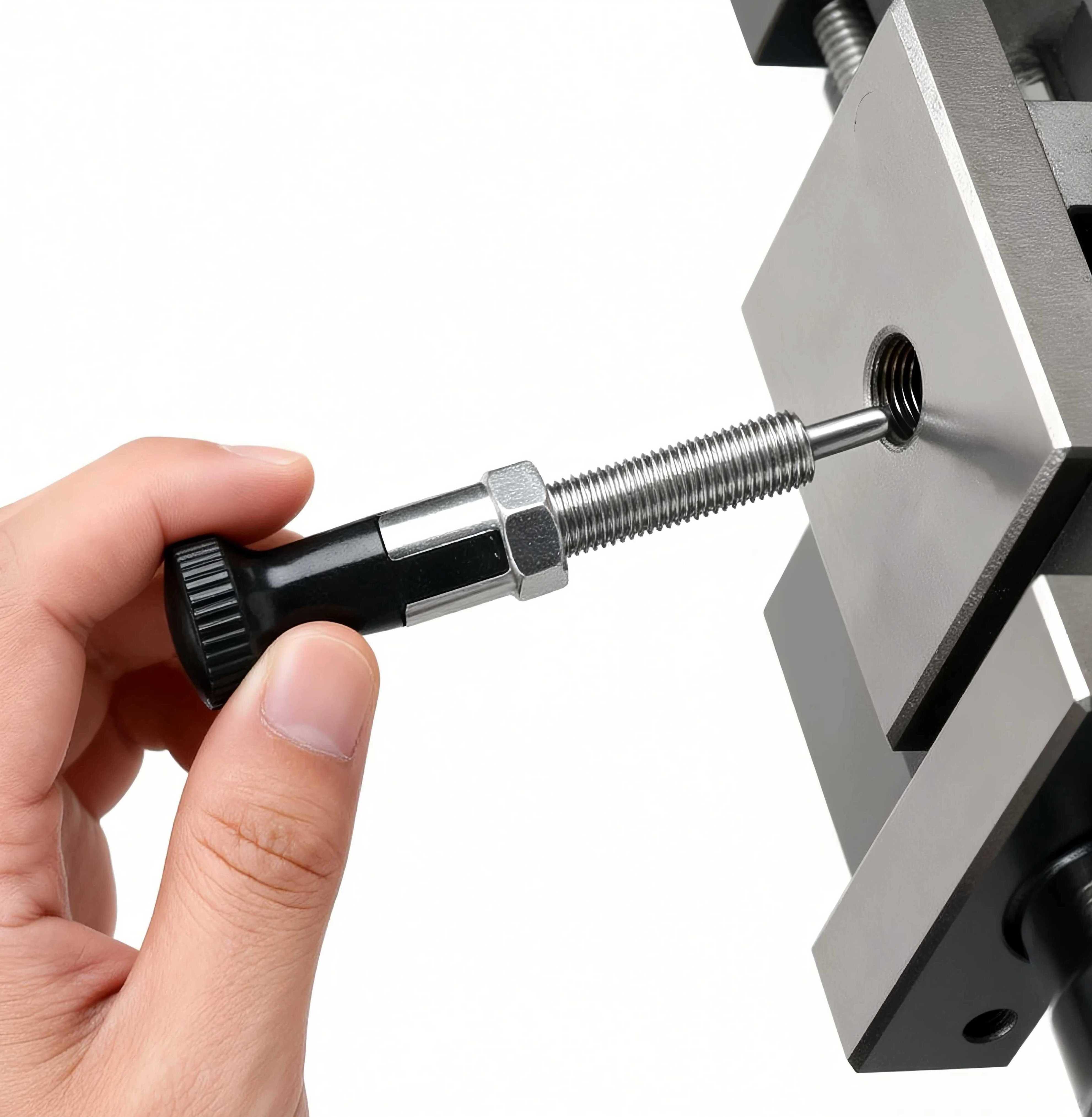
Quick release pins, essential components in various industries, are known for their efficiency and reliability. These pins, used in applications ranging from aerospace to furniture assembly, are designed for easy insertion and removal. But how are they made? Let’s delve into the manufacturing process of quick release pins.
1. Design and Engineering
The production of quick release pins begins with meticulous design and engineering. Manufacturers use CAD (Computer-Aided Design) software to create precise blueprints, ensuring the pins meet specific strength, durability, and functionality requirements. Factors such as load capacity, material selection, and intended use are carefully considered during this phase.

2. Material Selection
Quick release pins are typically made from high-strength materials like stainless steel, aluminum, or carbon steel. The choice of material depends on the application. For instance, stainless steel is preferred for its corrosion resistance, while aluminum is chosen for its lightweight properties. The selected material is then cut into blanks, which serve as the raw material for the pin.

3. Machining and Shaping
The blanks are fed into CNC (Computer Numerical Control) machines, which shape them into the desired form. This process involves cutting, drilling, and threading to create the pin’s body, head, and locking mechanism. Precision is key here, as even minor deviations can affect the pin’s performance.

4. Heat Treatment
To enhance durability and strength, the pins undergo heat treatment. This process involves heating the pins to a specific temperature and then cooling them rapidly. Heat treatment ensures the pins can withstand high stress and repeated use without deforming or breaking.

5. Surface Finishing
After machining and heat treatment, the pins are subjected to surface finishing processes such as polishing, plating, or coating. These treatments not only improve the pins’ appearance but also provide additional protection against corrosion, wear, and environmental factors.

6. Assembly and Quality Control
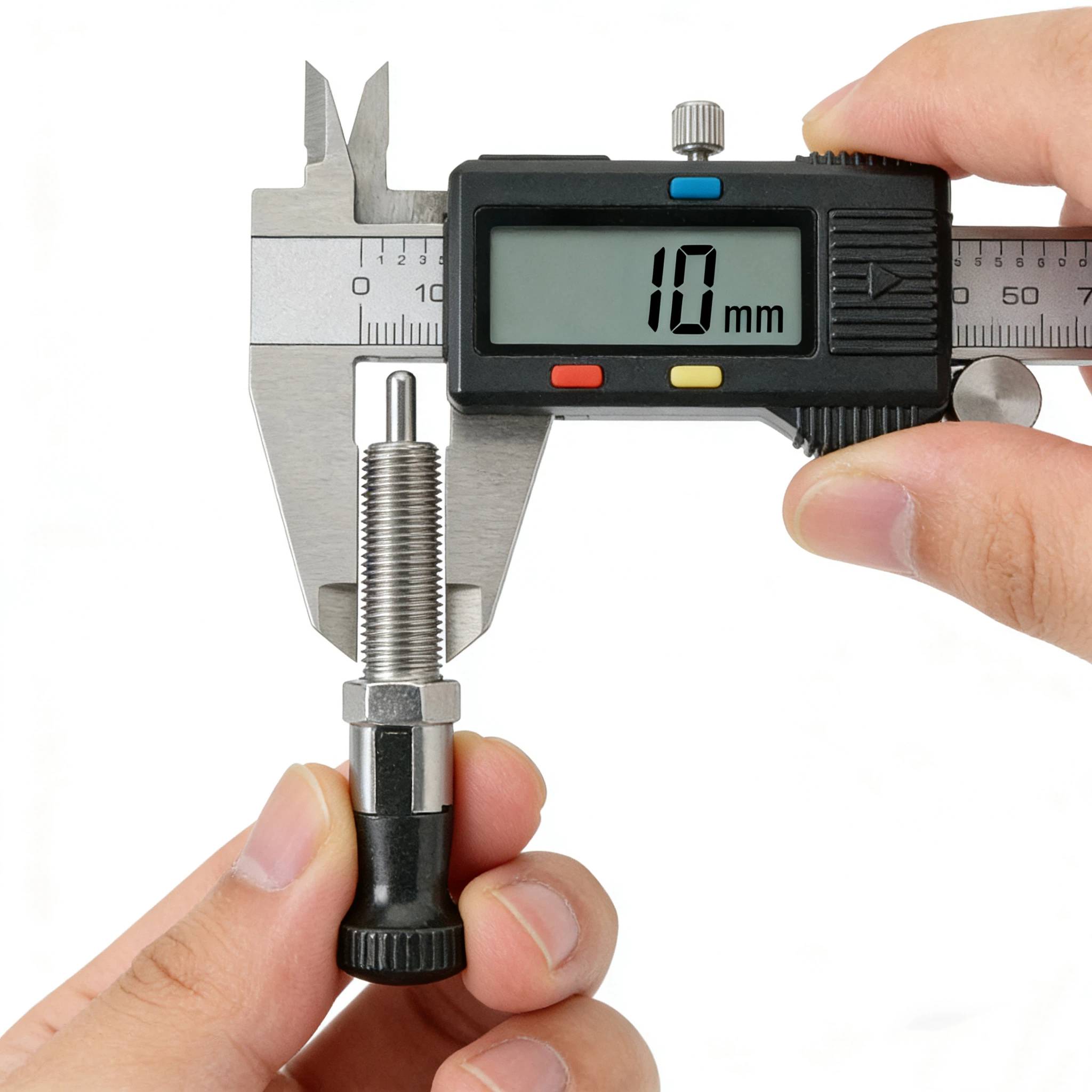
The final step involves assembling the components, including the pin body, spring, and locking mechanism. Each pin is rigorously tested for functionality, strength, and safety. Quality control measures, such as load testing and dimensional checks, ensure that only pins meeting the highest standards are shipped to customers.

Explore our locking quick release pins for secure and efficient fastening in industrial applications. Durable and reliable, they ensure quick assembly and disassembly. Contact us for custom solutions today.
How Do Spring Plungers Work
what is a fastener
Related Article