Magnets Attract To What Metals
Magnets Attract To What Metals
Understanding Magnetic Behavior in Metals
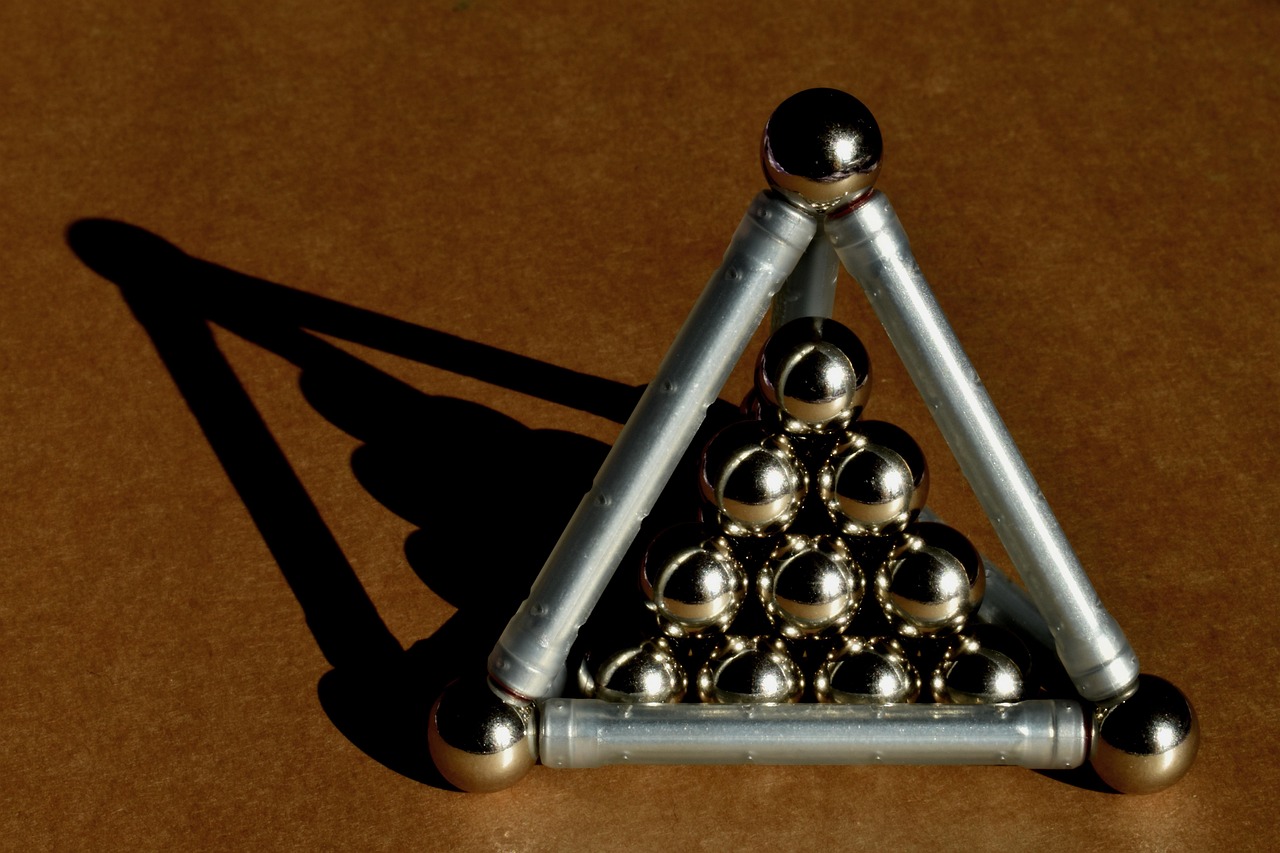
In industrial manufacturing, understanding the magnetic characteristics of metals is essential. When it comes to the question "Magnets attract to what metals?", the answer lies primarily in ferromagnetic materials—metals that are strongly attracted to magnets due to their atomic structure. These include pure iron, nickel, cobalt, and various alloys containing them. They possess unpaired electron spins, allowing them to form magnetic domains.
For instance, carbon steel is one of the most magnetic common materials, with a magnetic permeability over 5,000—thousands of times higher than air—making it highly responsive to magnetic fields. Uncover magnets attract to what metals with examples of ferromagnetic materials used in precision tools, machinery, and high-performance parts.
Magnetism in Stainless Steel
The magnetic properties of stainless steel are more complex:
-
400 Series stainless steels (e.g., 430): Ferritic structure, strongly magnetic
-
300 Series stainless steels (e.g., 304, 316): Austenitic structure, generally non-magnetic
-
Cold working can induce weak magnetism in some austenitic stainless steels
So, when discussing magnets attract to what metals, stainless steel may or may not be included—depending on its grade and processing history.
How to Test Magnetic Properties of Metals
There are several methods to determine if a metal is magnetic:
-
Basic magnet test: Place a simple magnet on the surface for a qualitative result
-
Gauss meter: Provides quantitative magnetic field strength data
-
Metallographic analysis: Reveals internal structure under a microscope
According to Mocayo’s materials lab, choosing non-magnetic metals is critical for applications near sensitive devices such as MRI machines, where even low magnetism could pose a safety risk.
Smart Material Selection in Engineering Design
When engineers ask "Magnets attract to what metals", they're not just interested in magnetism—they also consider:
-
Mechanical properties
-
Corrosion resistance
-
Thermal behavior
For example, bearing steels must exhibit:
-
High hardness (HRC58–62)
-
Strong toughness (≥27J impact value)
-
Excellent wear resistance
In corrosive environments, material selection becomes more nuanced:
-
Chemical equipment: Hastelloy or titanium alloys
-
Marine engineering: Duplex stainless steel
-
Food machinery: 316L stainless steel (complies with hygiene standards)
Temperature considerations:
-
High temperatures (>500°C): Use nickel-based alloys
-
Low temperatures (<-50°C): Choose austenitic stainless steels
-
Fluctuating temperatures: Require specialized heat treatments
Mocayo engineers emphasize that materials should be evaluated over their full lifecycle, including:
✓ Initial cost
✓ Maintenance expenses
✓ Projected lifespan
✓ End-of-life recyclability
Mocayo Ball Lock Pin – Material Science and Magnetic Behavior
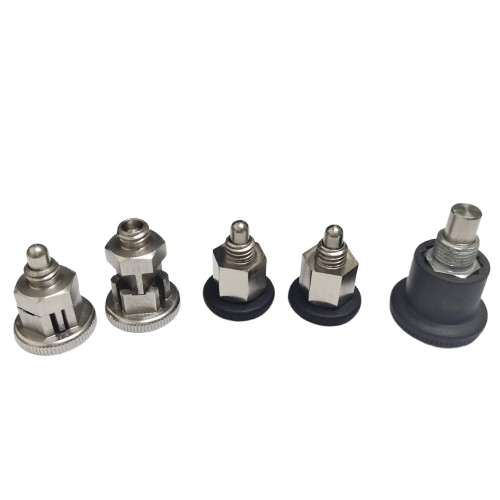
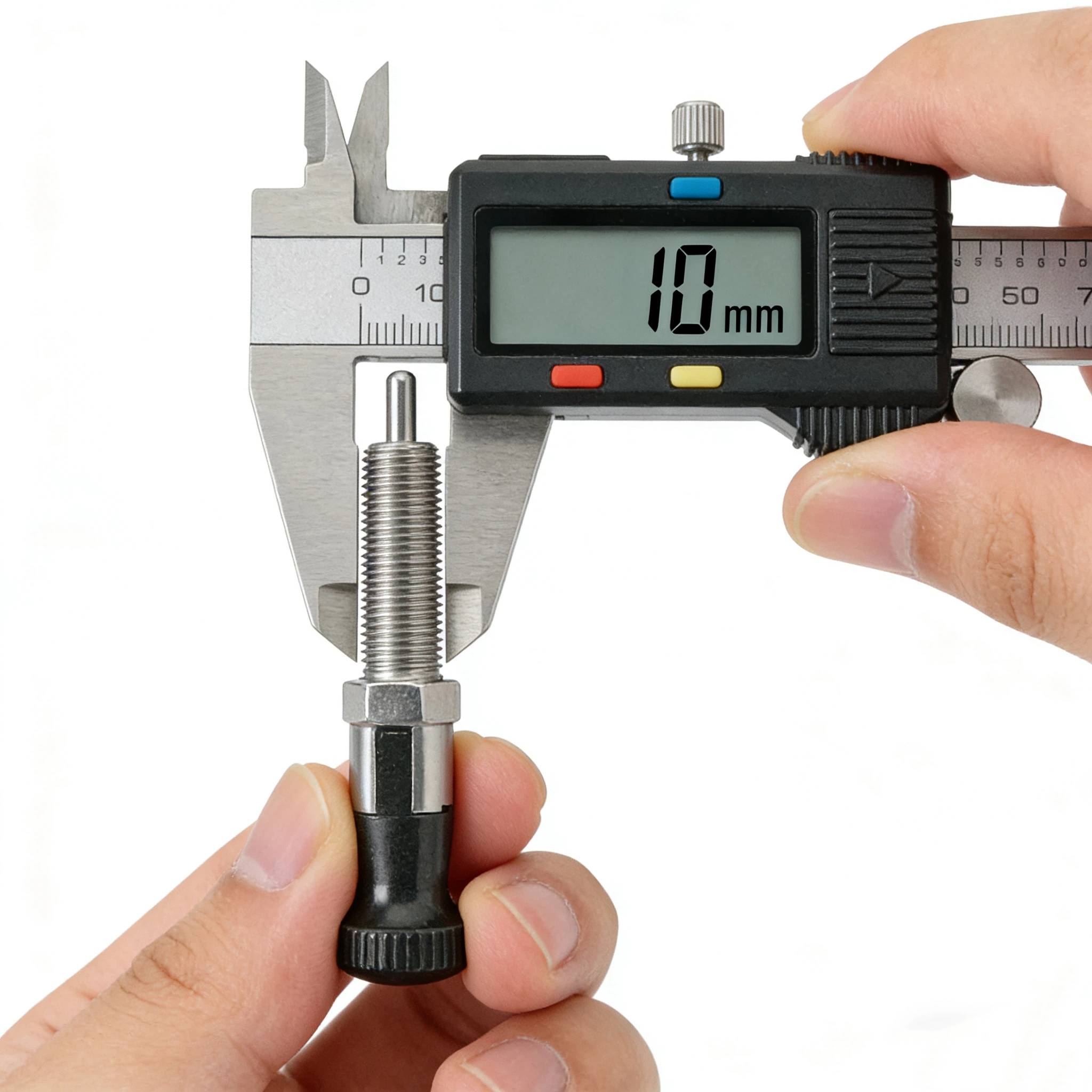
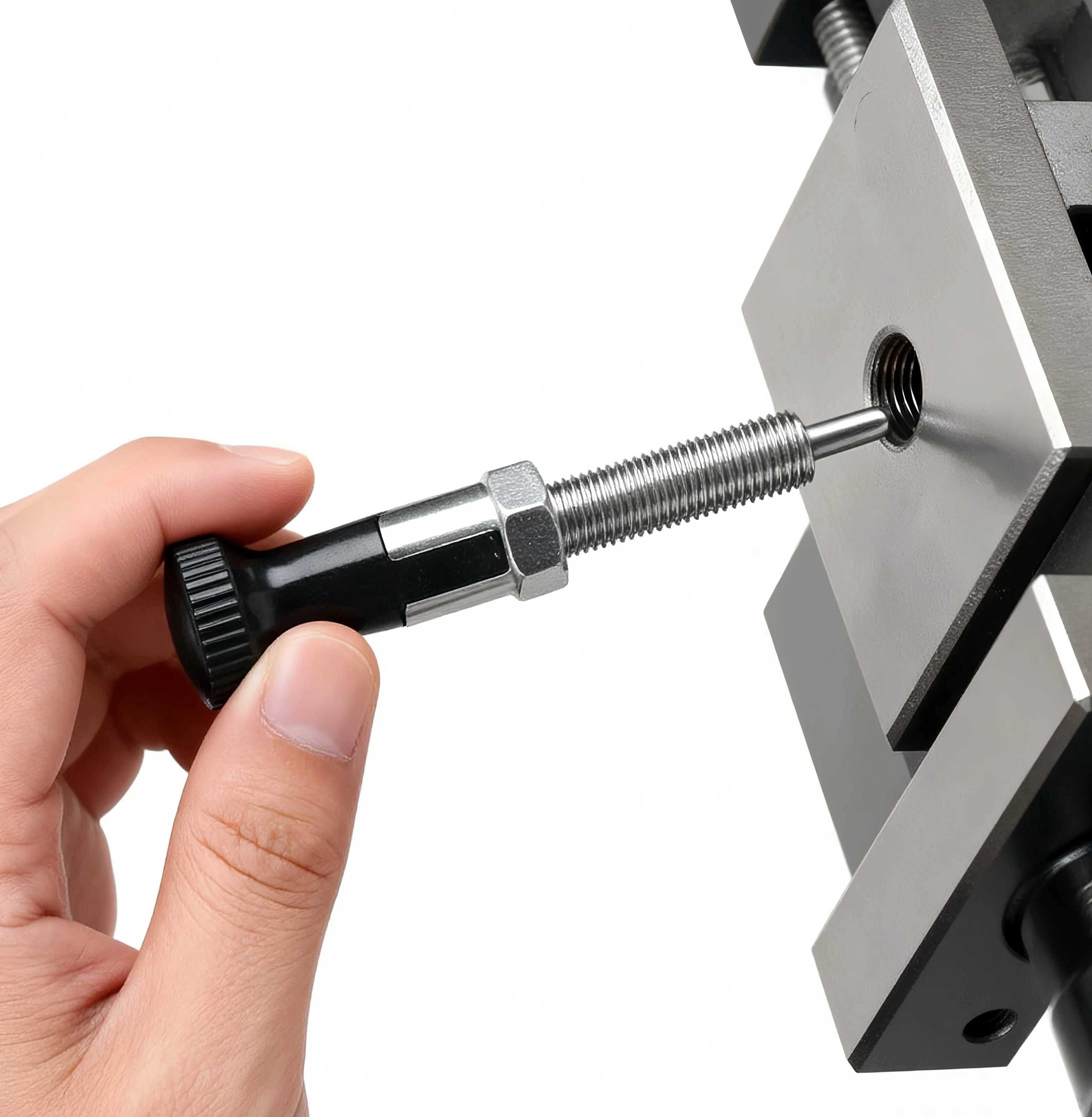
The Mocayo ball lock pin series leverages the latest in materials engineering to offer magnetic and non-magnetic solutions depending on application needs. Answering "Magnets attract to what metals" depends heavily on the composition of each part:
Material Advantages:
-
Main body: 304 or 316 austenitic stainless steel (non-magnetic in standard condition)
-
Ball: 440C stainless steel (magnetic, hardened for durability)
-
Spring: 316 stainless steel (non-magnetic and corrosion-resistant)


Precision Manufacturing Process:
-
Raw material inspection: Spectrometry ensures compositional accuracy
-
CNC machining: Tolerance ±0.005mm
-
Surface treatment: Electro-polishing, Ra ≤ 0.2μm
-
Quality control: 100% dimensional inspection
Performance Highlights:
-
High accuracy: Re-positioning tolerance ±0.01mm
-
Long life: Tested to exceed 500,000 cycles
-
Corrosion resistance: Passes 500-hour salt spray test
-
Reliability: Failure rate <0.1%
Application Recommendations:
-
Positioning in automated assembly lines
-
Fixture locking in precision instruments
-
Medical device component integration
-
Food machinery quick connect systems
When choosing between magnetic and non-magnetic components, especially for parts like the ball lock pin, it’s essential to understand magnets attract to what metals and how that affects real-world performance.
Consult with Mocayo for the Right Material
✔ Free material selection advice
✔ Custom engineering solutions
✔ Sample testing services
✔ Bulk order discounts available
Whether you need magnetic or non-magnetic ball lock pin components, or you’re simply wondering magnets attract to what metals, our team is here to support your project with technical precision and materials expertise.
Can Stainless Steel Rust-Stainless Steel Spring Plunger
How to Get Rust Off Metal-Indexing Plunger
Related Article