Pin Plunger
Pin Plunger: Precision Components for Secure Locking and Positioning
Introduction
In the world of mechanical engineering and industrial automation, precision and reliability are crucial. One component that plays a significant role in achieving these goals is the pin plunger. Whether used in tooling fixtures, robotics, manufacturing equipment, or consumer products, pin plungers provide reliable locking, positioning, indexing, and alignment. This article offers an in-depth look at pin plungers—their function, types, design features, materials, industrial applications, standards, and benefits.
What is a Pin Plunger?
A pin plunger is a mechanical device designed to provide accurate and secure positioning between two components. It consists of a spring-loaded pin that can be manually or automatically retracted and extended. When engaged, the pin locks the component in place; when disengaged, it allows for movement or adjustment.
Pin plungers are vital in assembly lines, molds, machines, and mechanical assemblies where components need to be temporarily fixed or indexed during operations.


Key Features of Pin Plungers
-
Spring-Loaded Mechanism: Allows for smooth engagement and retraction.
-
Precision Machining: Ensures high accuracy in fit and function.
-
Various Head Designs: Available with flat, dome, or pull-ring heads for easy operation.
-
Compact Form Factor: Suitable for tight or constrained spaces.
-
Durable Materials: Built to withstand repeated cycles and harsh environments.
Types of Pin Plungers
There are several types of pin plungers designed for specific applications:
-
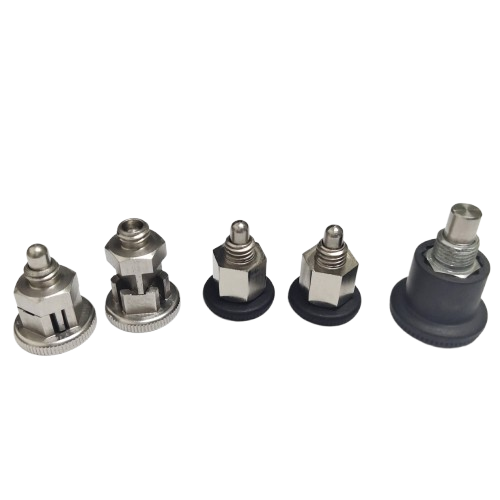
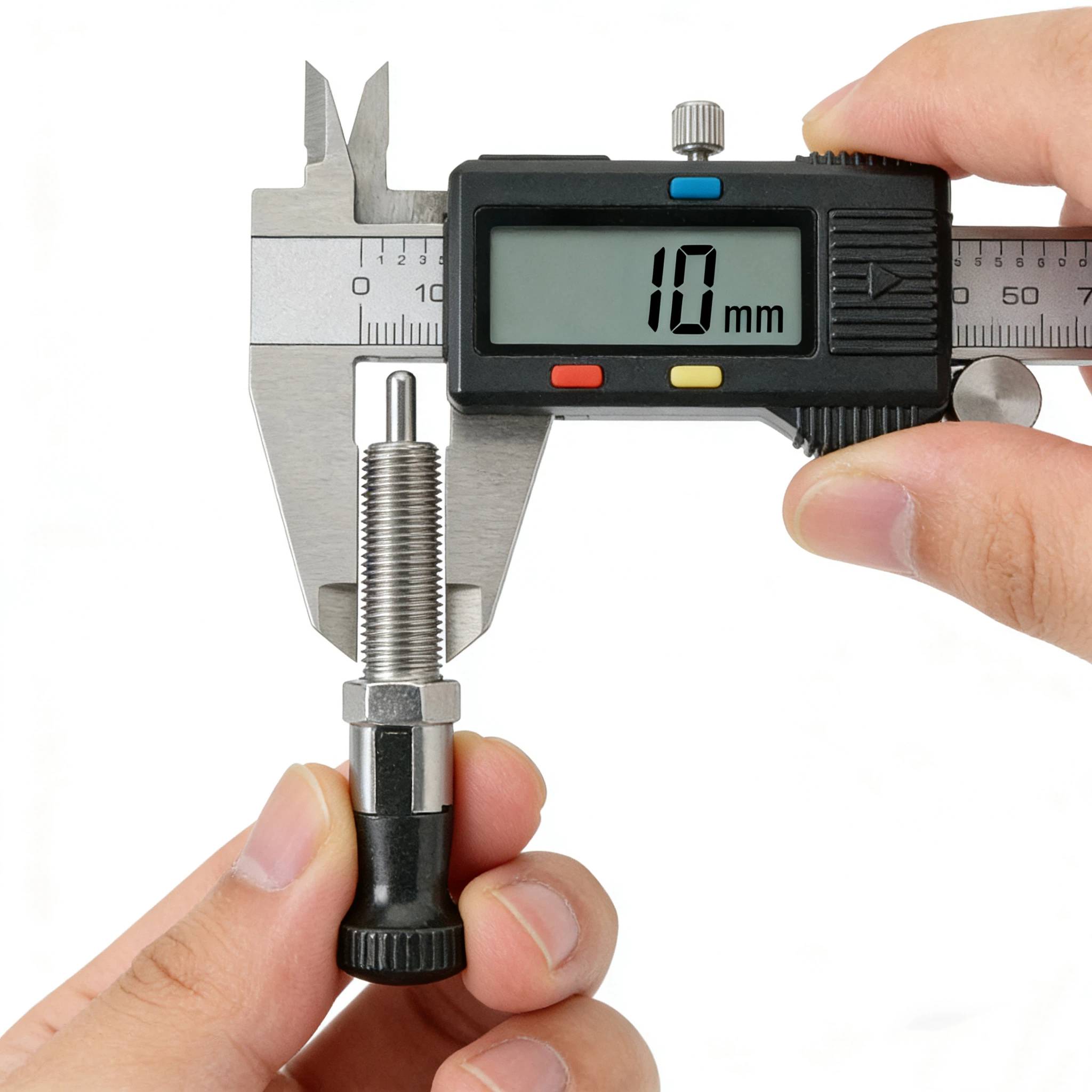
Threaded Pin Plungers: These come with external threads for easy installation into panels or plates.
-
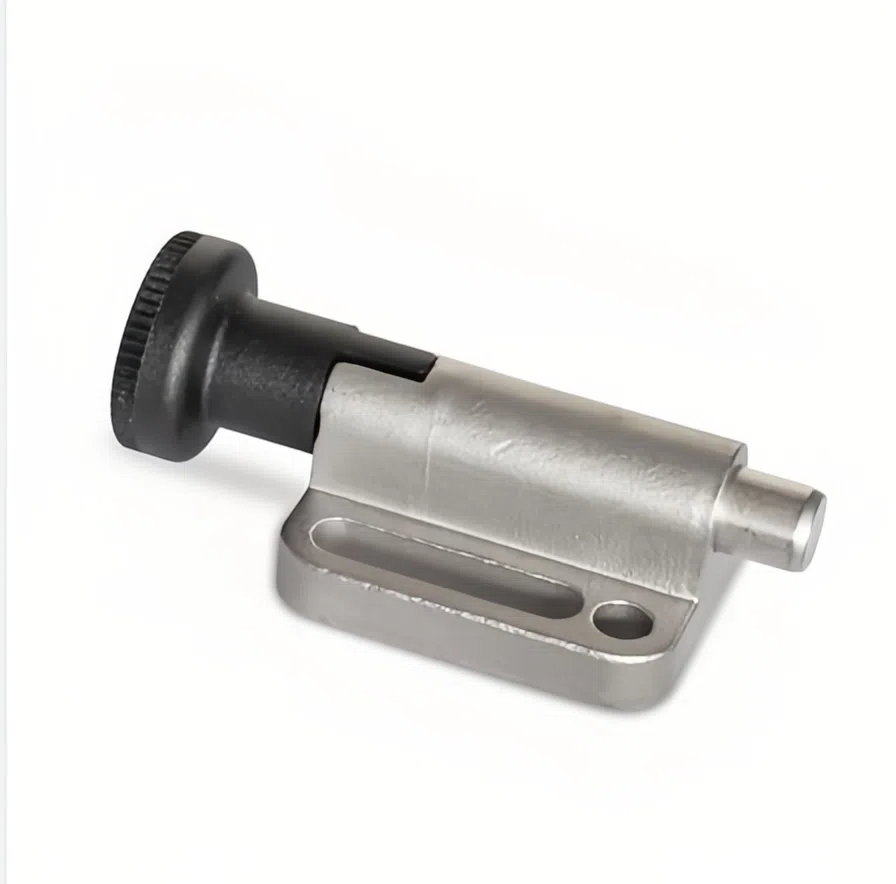
Press-Fit Pin Plungers: Designed to be pressed into position without threads.
-
Lock-Out Pin Plungers: Include a mechanism to hold the plunger in a retracted position.
-
Ball Nose vs. Flat Nose: Ball nose plungers provide smoother engagement for angled surfaces, while flat noses offer firm contact.
-
Manual vs. Automatic Reset: Some models retract manually while others reset automatically using a spring.
Working Mechanism
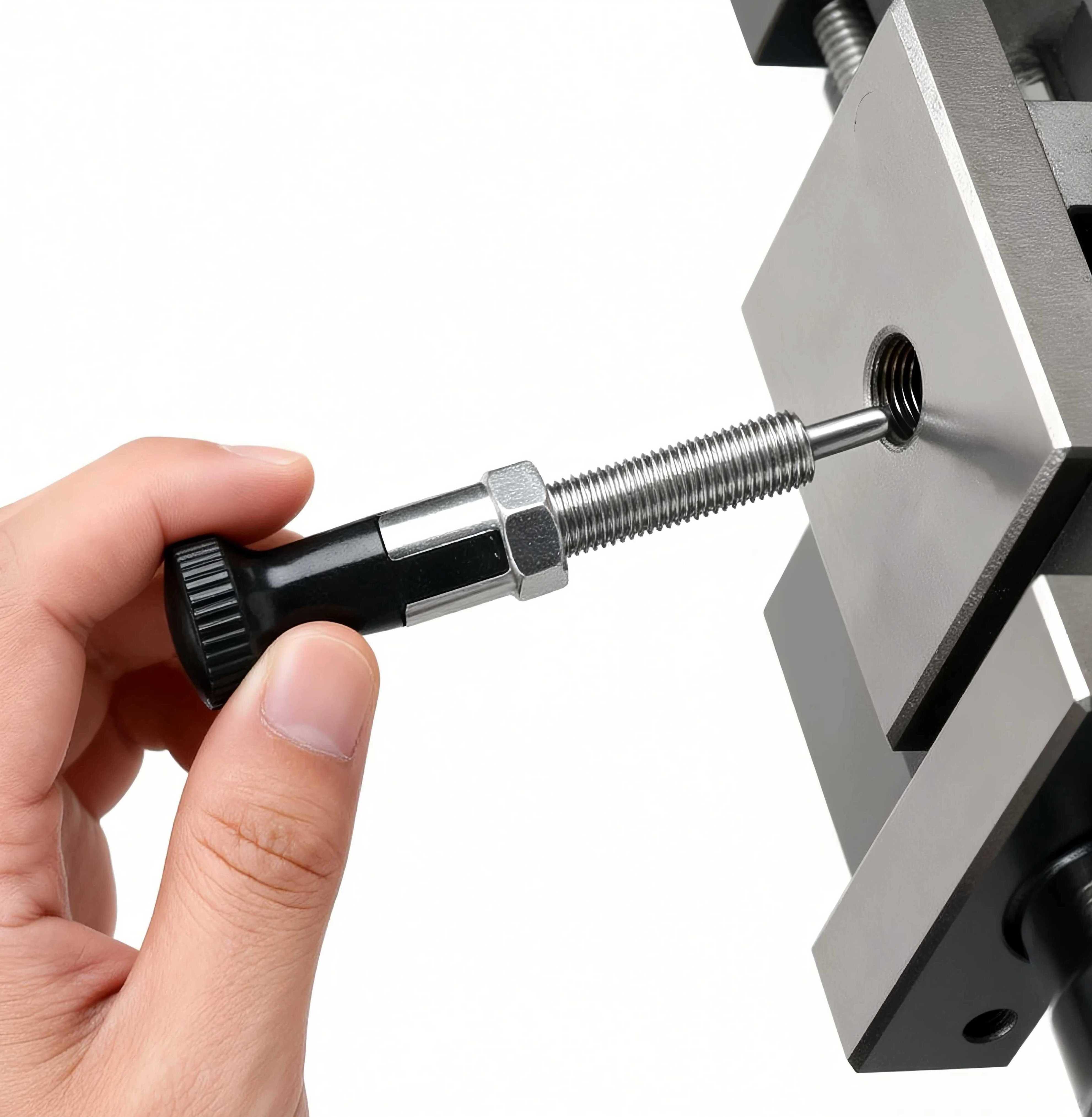
The mechanism of a pin plunger is relatively simple but effective. The internal spring exerts pressure to push the pin outward into the locking or indexing hole. When retraction is needed, force is applied to the pin head or actuator, compressing the spring and pulling the pin back inside the housing. Once released, the spring returns the pin to its original position.
Materials and Surface Treatments
Pin plungers are made from high-quality materials to ensure durability and corrosion resistance:
-
Stainless Steel (304/316): Ideal for corrosive or high-humidity environments.
-
Alloy Steel: Heat-treated for strength, often coated with black oxide or zinc.
-
Brass: Used for non-sparking or decorative applications.
-
Plastic or Polymer: Used in light-duty applications with minimal load.
Common surface treatments include:
-
Black Oxide Coating
-
Zinc Plating
-
Electropolishing (for stainless steel)
-
Passivation
Standard Dimensions Table
| Thread Size | Plunger Diameter | Body Length | Pin Length | Material Options | Thread Type |
|---|---|---|---|---|---|
| M6 x 1.0 | 3 mm | 15 mm | 4 mm | SS304, Steel | Metric |
| M8 x 1.25 | 4 mm | 18 mm | 6 mm | SS316, Steel, Brass | Metric |
| M10 x 1.5 | 5 mm | 22 mm | 8 mm | SS304, Alloy Steel | Metric |
| M12 x 1.75 | 6 mm | 25 mm | 10 mm | Steel, SS316 | Metric |
| 1/4-20 UNC | 3 mm | 16 mm | 5 mm | Stainless, Brass | Imperial |
| 5/16-18 UNC | 4 mm | 20 mm | 6 mm | Steel, Alloy Steel | Imperial |
Applications of Pin Plungers
Pin plungers are used across numerous industries and applications:
-
Manufacturing Equipment: For positioning of tools, dies, and moving parts.
-
Automation Systems: In robotics and conveyors for part alignment.
-
Medical Devices: For locking components with high precision.
-
Automotive: Used in test rigs, jigs, and removable components.
-
Aerospace and Defense: Lightweight, corrosion-resistant variants used in cockpit and fuselage assemblies.
-
Consumer Electronics: For precise actuation in compact designs.
Advantages of Pin Plungers
-
Repeatability: High precision in repeated engagement and disengagement.
-
Efficiency: Fast and easy operation enhances workflow.
-
Versatility: Wide variety of types and sizes for custom applications.
-
Durability: Withstands thousands of cycles without performance degradation.
-
Cost-Effective: Reduces downtime and maintenance in assembly and tooling.
Installation Guidelines
-
Threaded Versions: Require tapped holes for secure mounting.
-
Press-Fit Types: Use proper press tools to avoid deformation.
-
Orientation: Ensure correct alignment for consistent plunger movement.
-
Mounting Depth: Must be suitable for full engagement of the plunger pin.
Maintenance and Care
Although designed for durability, pin plungers benefit from routine checks:
-
Clean Regularly: Remove dust, dirt, or debris that may hinder motion.
-
Lubrication: Apply light machine oil to moving parts if needed.
-
Inspect for Wear: Replace units showing signs of deformation or spring fatigue.
-
Avoid Overloading: Adhere to recommended force and load ratings.
Standards and Certifications
Pin plungers may conform to international standards for quality and safety:
-
DIN 6325 / DIN 7979: Common European standards for spring-loaded pins.
-
ASME B18.8.2: U.S. standard for plunger pins and detent pins.
-
RoHS / REACH: Compliance with environmental safety regulations.
-
ISO 9001: Many manufacturers are certified for quality management systems.
Customization Options
Custom pin plungers can be manufactured to suit unique applications. Options include:
-
Custom Thread Sizes and Lengths
-
Special Head Shapes or Pull Rings
-
Colored Plunger Heads for Identification
-
Increased Spring Force for Heavy-Duty Use
Challenges and Considerations
-
Cycle Life: In high-use environments, select models designed for long life.
-
Contamination: In dusty or dirty settings, choose sealed or enclosed designs.
-
Temperature Extremes: Ensure material selection matches thermal demands.
Emerging Trends and Innovations
-
Magnetic Locking Versions: Combine mechanical and magnetic holding for added precision.
-
Sensor Integration: Smart plungers with built-in sensors for automated systems.
-
Miniaturization: Micro plungers for electronics and medical devices.
-
Corrosion-Resistant Alloys: Advanced alloys for marine and chemical environments.
High-quality pin plunger and pin plungers for precise positioning, locking, and fastening applications in industrial and mechanical systems.
Pin plungers are indispensable components in modern mechanical design. Their ability to deliver reliable, repeatable, and precise positioning makes them a core part of many industrial solutions. Whether you are designing for robotics, aerospace, automotive, or general machinery, understanding and selecting the right pin plunger can greatly enhance performance, safety, and operational efficiency. As technology advances, so too does the versatility and potential of this simple yet powerful component.
Locking Quick Release Pins
Quick Release Mechanism
Related Article