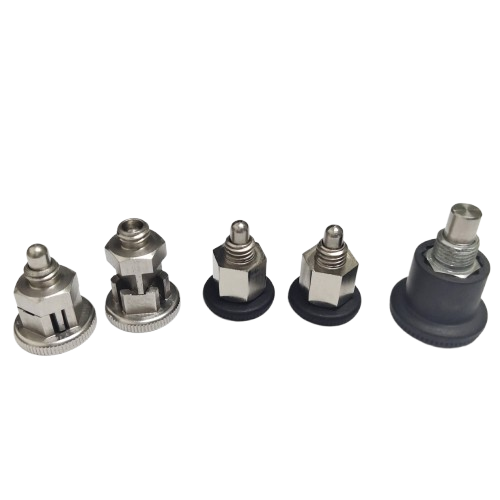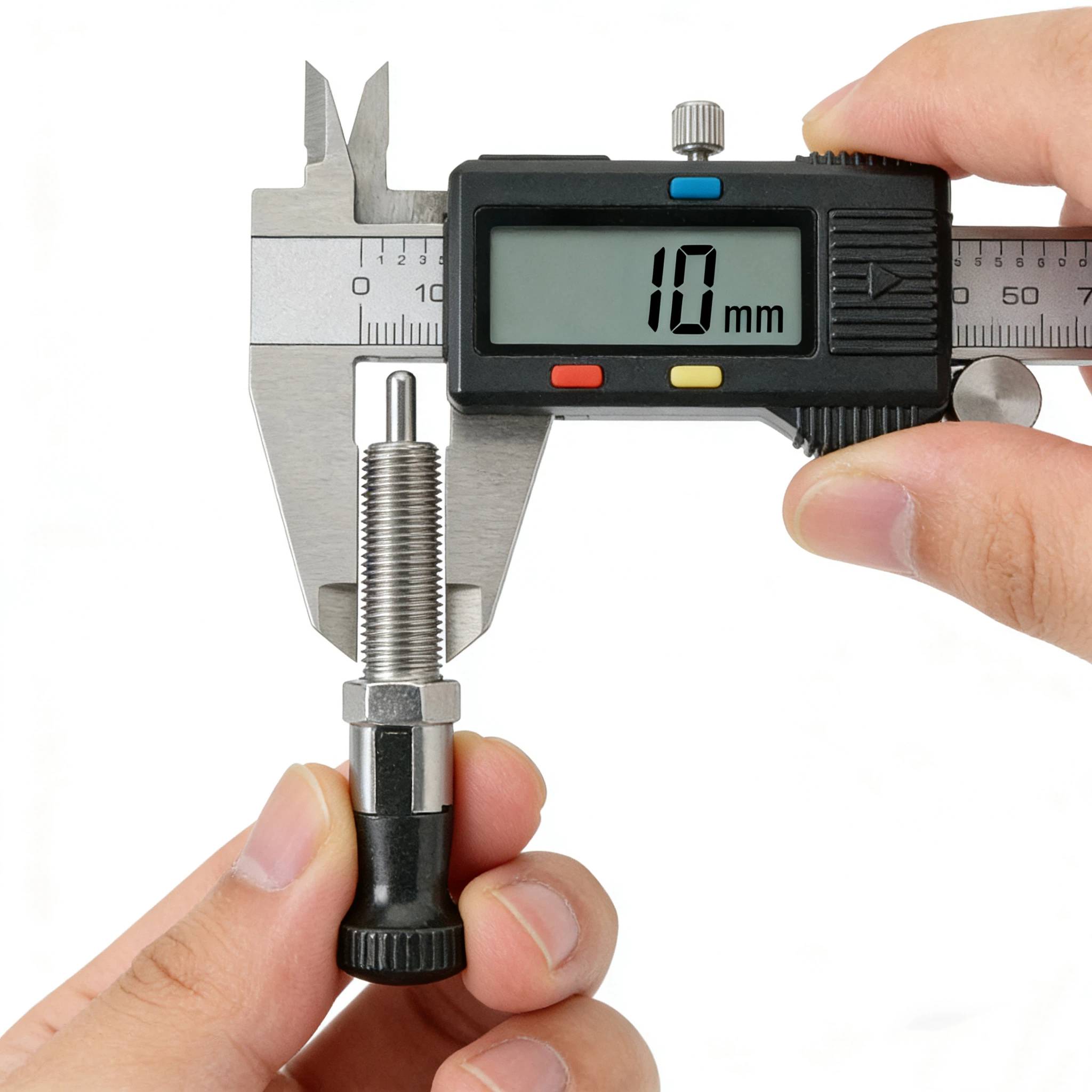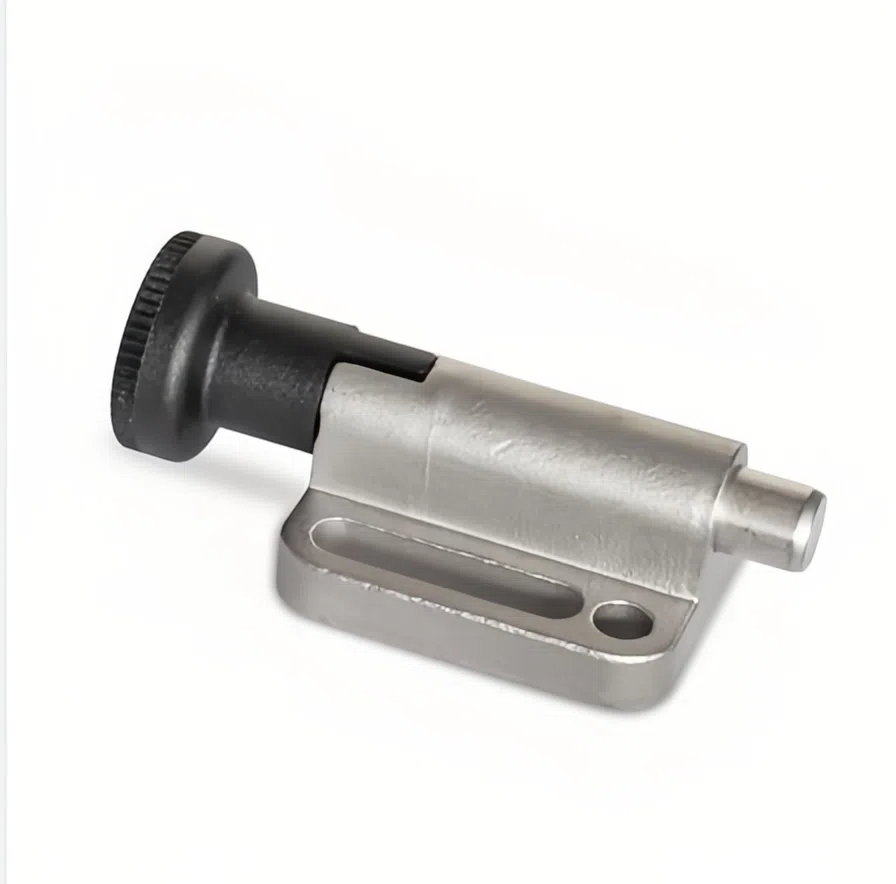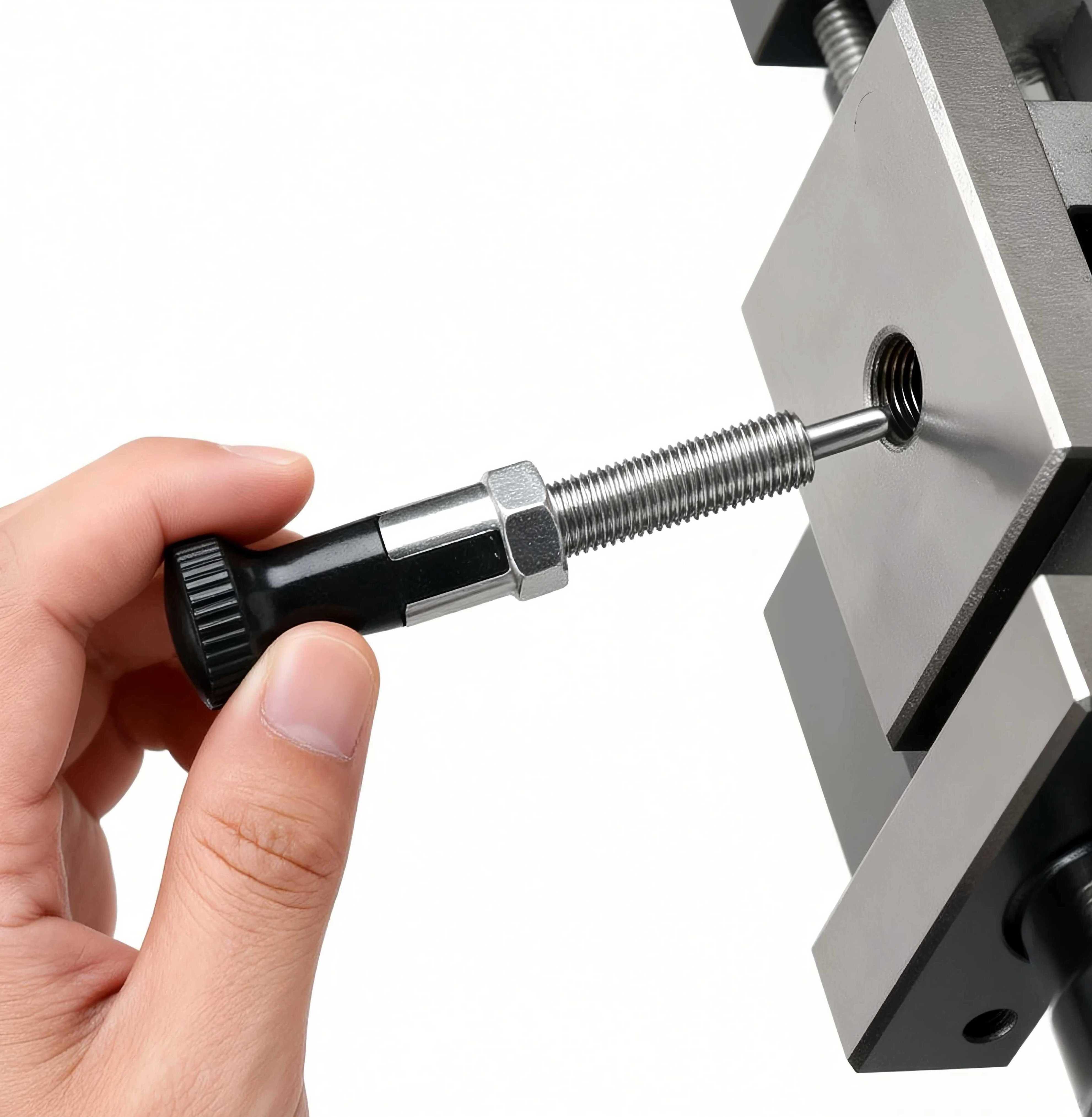
Positive Lock Pin
The Critical Role of Positive Lock Pins in Modern Engineering
Introduction to Positive Lock Pins
Positive Lock Pins are an essential type of fastening hardware widely used in industries where secure, repeatable, and reliable locking mechanisms are required. These mechanical components are specifically designed to ensure that critical assemblies remain firmly locked during operation, while still allowing for quick and easy removal or repositioning when necessary.
Used across aerospace, automotive, marine, medical, manufacturing, and heavy machinery sectors, Positive Lock Pins are valued for their strength, safety, and efficiency. In this in-depth article, we will explore the design, function, applications, manufacturing standards, and market relevance of Positive Lock Pins in today’s precision-driven world.

What Are Positive Lock Pins?
Positive Lock Pins are a subclass of quick-release pins characterized by their secure engagement and mechanical locking mechanism. Once inserted into a corresponding hole or part, these pins engage a locking device—usually a ball or detent system—that prevents unintended withdrawal.
Unlike standard pins or clips, Positive Lock Pins require deliberate action to unlock, which reduces the chances of accidental disengagement due to vibration, misalignment, or user error. This positive locking action provides added safety and control in high-load or critical performance scenarios.

Design and Mechanical Operation
The typical Positive Lock Pin consists of the following key components:
-
Pin Body: The shaft, often cylindrical or tapered, inserted into the assembly.
-
Locking Mechanism: Typically a spring-loaded ball or wedge system that expands to secure the pin.
-
Actuation Handle or Button: Triggers the retraction of the locking balls for removal.
-
Retaining Ring or Groove: Sometimes included to interface with safety cables or tethers.
The mechanism works through a simple "push-and-click" or "pull-to-release" functionality. Upon insertion, spring-loaded balls expand into the housing or socket to create a firm lock. To disengage, the button or handle must be actuated to retract the balls or latches.
Materials and Surface Finishes
Positive Lock Pins are manufactured from a variety of materials, each selected based on strength, corrosion resistance, and environmental conditions. Common materials include:
-
Stainless Steel (304, 316) – Corrosion-resistant and durable, ideal for marine and medical uses.
-
Alloy Steel (e.g., 4130, 4140) – High tensile strength, often used in aerospace and automotive.
-
Aluminum Alloys – Lightweight options for lower-stress applications.
-
Titanium – High strength-to-weight ratio and corrosion resistance for aerospace and medical use.
Surface treatments can include:
-
Zinc or Nickel Plating
-
Black Oxide Coating
-
Anodizing (for aluminum)
-
Passivation (for stainless steel)
These finishes enhance longevity, resistance to rust, and aesthetics depending on the use case.
Types of Positive Lock Pins
Positive Lock Pins are available in a wide range of configurations to suit various mechanical requirements:
Single-Acting Ball Lock Pins
These pins lock automatically upon insertion and are released by pressing a central button or pulling a ring.
Double-Acting Pins
Require manual action for both locking and unlocking, suitable for high-security applications.
T-Handle Lock Pins
Feature a T-shaped handle for easy operation in gloved environments or tight spaces.
L-Handle and Ring Handle Pins
Used for pull-actuated applications with limited clearance.
Button-Actuated Quick Release Pins
The most common design, suitable for fast operation and one-handed use.
Applications in Industry
Positive Lock Pins are ubiquitous in sectors where safety and speed are crucial. Some key applications include:
Aerospace and Defense
-
Fastening of removable panels
-
Securing landing gear mechanisms
-
Flight control and test equipment
Automotive Manufacturing
-
Fixture locking in assembly lines
-
Engine test rigs
-
Seat frame adjustment pins
Construction and Heavy Equipment
-
Quick adjustment of excavator arms
-
Telescopic booms and cranes
-
Scaffolding and safety barriers
Medical Equipment
-
Surgical tool locking
-
Adjustable patient beds and mobility devices
Marine and Offshore
-
Boat deck fittings
-
Hatch locking
-
Modular support systems
Advantages of Using Positive Lock Pins
The unique features of Positive Lock Pins make them the preferred option for many engineers and designers:
-
Reliable Safety: Eliminates accidental disengagement even in high-vibration environments.
-
Quick Operation: Can be removed and re-inserted without the use of tools.
-
Reusability: Built for long-term service with thousands of locking cycles.
-
Versatility: Available in a wide variety of sizes, handles, and materials.
-
Compact Design: Offers high strength in small, efficient packaging.
Standard Sizes and Specifications
Positive Lock Pins follow common industrial standards to ensure interoperability and design consistency. Below is a representative table of standard pin diameters and grip lengths:
| Pin Diameter (inches) | Grip Length (inches) | Handle Type | Material |
|---|---|---|---|
| 1/4 | 1.00 – 3.00 | Button or T-Handle | 17-4PH SS |
| 3/8 | 1.00 – 4.00 | Ring Handle | 4130 Alloy |
| 1/2 | 1.00 – 5.00 | T-Handle | 316 SS |
| 5/8 | 1.50 – 6.00 | L-Handle | Aluminum Alloy |
| 3/4 | 2.00 – 8.00 | Double-Acting Handle | Titanium |
Note: Custom sizes and special coatings available upon request.
Manufacturing Process
Creating a high-quality Positive Lock Pin involves multiple precision steps:
-
Material Selection and Cutting
-
CNC Machining of Shaft and Handle
-
Assembly of Ball Lock Mechanism
-
Heat Treatment (for alloy pins)
-
Surface Finishing
-
Spring Tension Testing
-
Load and Fatigue Testing
-
Final Quality Inspection and Packaging
Each pin is engineered to meet strict tolerance and performance requirements, ensuring consistent reliability under load.
Customization and OEM Capabilities
For manufacturers such as Mocayo Precision Technology Co., Ltd., custom engineering is a key part of their product offering. OEM clients benefit from:
-
Branding and part number engraving
-
Customized handle shapes and lengths
-
Material combinations tailored to specific needs
-
Non-standard pin diameters or extended grip lengths
-
CAD model integration for design compatibility
Global Market Demand and Trends
With the growth of modular systems, electric vehicles, and mobile medical devices, the demand for Positive Lock Pins is increasing globally. Trends shaping the market include:
-
Miniaturization: Micro-sized pins for electronics and surgical tools.
-
Smart Integration: Embedded RFID tags for inventory tracking.
-
Eco-Materials: Recyclable and low-carbon manufacturing options.
-
3D Printed Prototyping: Faster development of custom geometries.
Maintenance and Operational Best Practices
While Positive Lock Pins are low-maintenance, certain practices can extend their lifespan:
-
Clean regularly, especially in dusty or corrosive environments.
-
Check spring tension and ball function before critical use.
-
Apply lubricant to prevent seizing in extreme conditions.
-
Replace if any deformation or wear is observed.
Certifications and Compliance
Manufacturers of Positive Lock Pins often adhere to globally recognized standards such as:
-
ISO 9001:2015 – Quality Management Systems
-
AS9100 – Aerospace Sector Requirements
-
RoHS/REACH – Material Safety and Environmental Regulations
-
MIL-SPEC – For defense applications
Compliance with these certifications ensures product integrity, repeatability, and safety for critical applications.
Case Study: Positive Lock Pins in Aerospace Ground Support
One of the most demanding uses of Positive Lock Pins is in aerospace ground equipment (AGE). A large aircraft manufacturer needed a solution to quickly secure engine stands during transit and servicing. Standard locking methods proved unreliable due to vibration and operator error.
Solution: Custom stainless-steel Positive Lock Pins with T-handles were developed, offering high strength, corrosion resistance, and effortless manual operation.
Outcome: The pins reduced setup time by 35%, improved safety, and passed 50,000 cycle tests without failure.
Enhance your hardware with positive lock pins, offering secure and reliable fastening for industrial, automotive, and machinery applications. Durable, easy to use, and perfect for efficient and seamless operations.
Positive Lock Pins stand as a critical element in modern mechanical design and manufacturing. Their unique combination of secure locking, ease of use, and robust performance under stress makes them irreplaceable across high-demand industries. As innovation continues to push the boundaries of safety, efficiency, and compact design, the role of Positive Lock Pins will grow even more integral in the mechanical ecosystem.
For industries seeking safety without sacrificing speed, and strength without losing flexibility, Positive Lock Pins remain a proven, indispensable choice.
Ball Spring Plungers
Flat Head Quick Release Pins
Related Article