Positive Locking Device
author: Lucia Liu
2025-07-17
Positive Locking Device
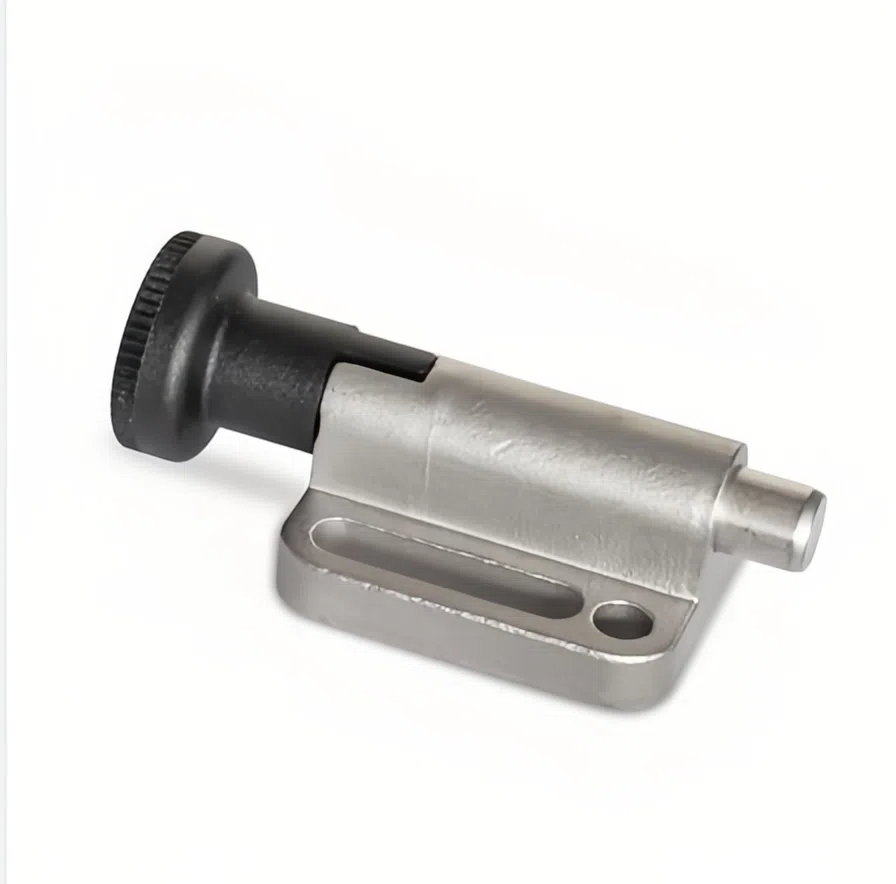
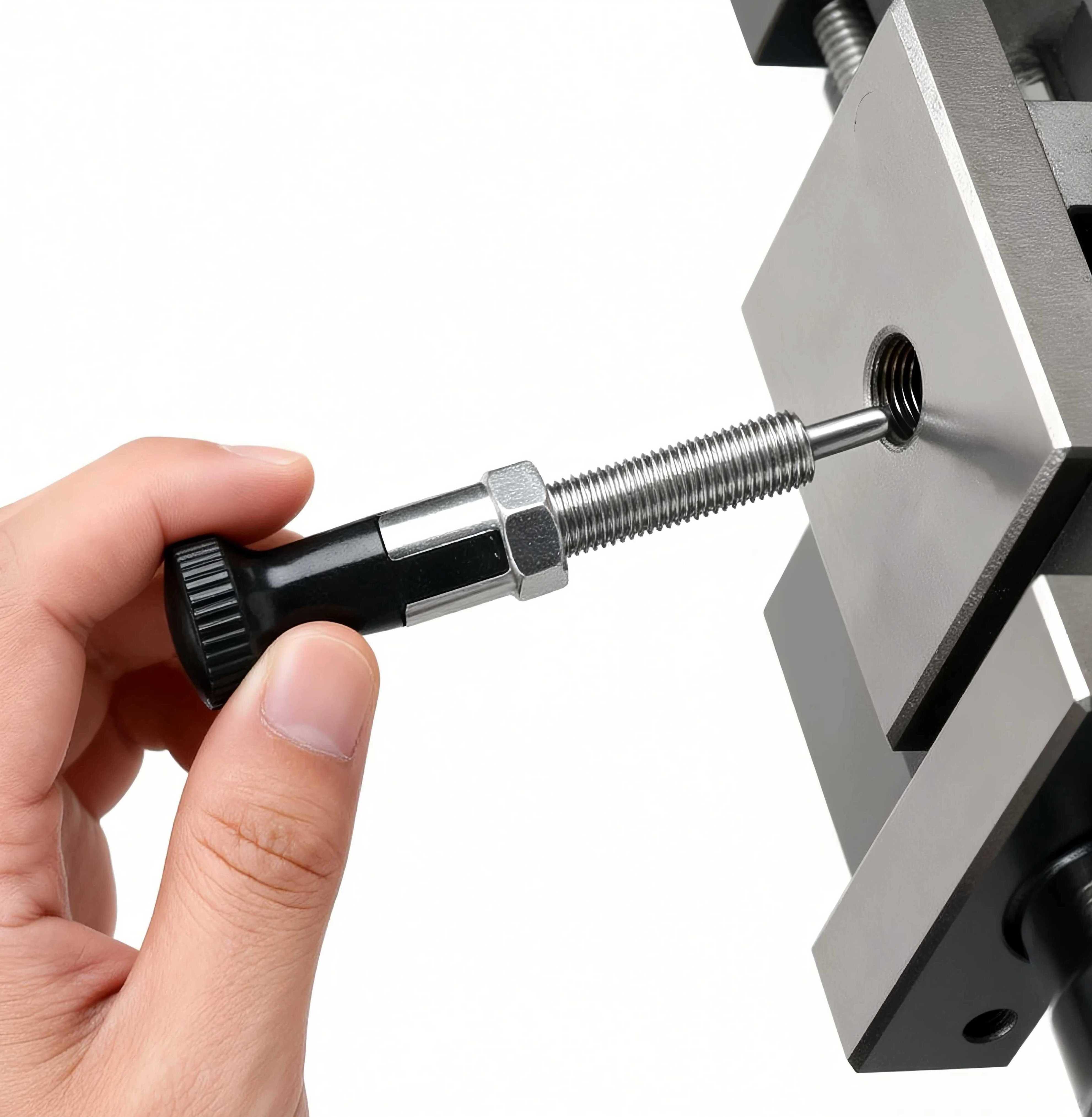
In modern industrial manufacturing, product stability, safety and efficiency have become the core elements of enterprise competition. Especially in frequent assembly and disassembly scenarios, how to quickly and accurately complete the positioning and fixing of components directly affects production efficiency and operational safety. This has led to the widespread use of Positive Locking Device. In this article, we will start from the basic concept, introduce one of its common products - Ball Lock Pin, to help engineers and purchasers to better choose the right locking components.

What is a Positive Locking Device?
A Positive Locking Device is a structural device designed to prevent accidental loosening or slipping of connected parts during operation, ensuring the structural stability of equipment. It differs from traditional threaded connections or elastic clips in that it has a defined locking mechanism that provides a high retention force once the connection is made, as well as good reusability.
A Positive Locking Device is a structural device designed to prevent accidental loosening or slipping of connected parts during operation, ensuring the structural stability of equipment. It differs from traditional threaded connections or elastic clips in that it has a defined locking mechanism that provides a high retention force once the connection is made, as well as good reusability.
Structure and Working Principle of Ball Lock Pin
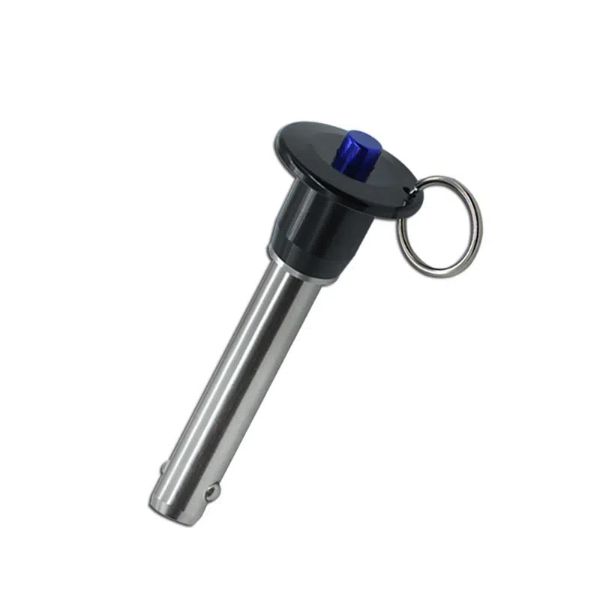
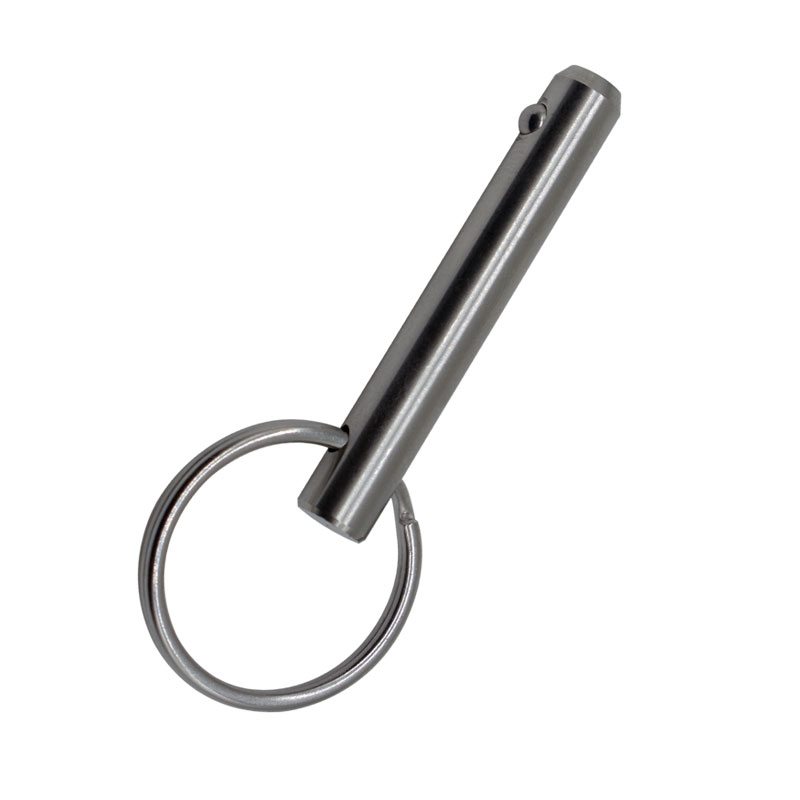
As a common form of Positive Locking Device, Ball Lock Pin is widely favored for its compact structure and ease of use. It consists of a pin, a ball lock, a spring and a button, and can be inserted and released by a simple button operation.
As a common form of Positive Locking Device, Ball Lock Pin is widely favored for its compact structure and ease of use. It consists of a pin, a ball lock, a spring and a button, and can be inserted and released by a simple button operation.
Application Scenarios of Ball Lock Pin
Ball Lock Pin is widely used in the following industrial fields and assembly tasks:
Ball Lock Pin is widely used in the following industrial fields and assembly tasks:
Workholding Fixture Positioning: In CNC machining or mold making, it is used to quickly change parts and improve repeatable positioning accuracy.
Aerospace ground equipment: For connecting moving parts, preventing loosening and making them easy to replace on site.
Automated assembly lines: For fast docking and positioning during the switching or adjustment of equipment modules.
Secure with confidence using our durable positive locking device. Ideal for applications that demand both strength and efficiency.
In today's increasingly complex industrial systems, choosing the right locking components is critical to improving product performance and operational safety, and the Positive Locking Device represents not only a locking method, but also a sign of engineering reliability. By utilizing proven solutions, such as Ball Lock Pins, organizations can increase assembly efficiency and ease of maintenance while maintaining safety.
If you're looking for a reliable locking product, we recommend starting with the structural design, learning more about the features of various Positive Locking Devices, and selecting the right type of product based on the actual usage environment to improve overall operational efficiency and equipment stability.
If you're looking for a reliable locking product, we recommend starting with the structural design, learning more about the features of various Positive Locking Devices, and selecting the right type of product based on the actual usage environment to improve overall operational efficiency and equipment stability.
CNC Automation for Mass Production
Secure Your Parts: Spring Plungers
Related Article
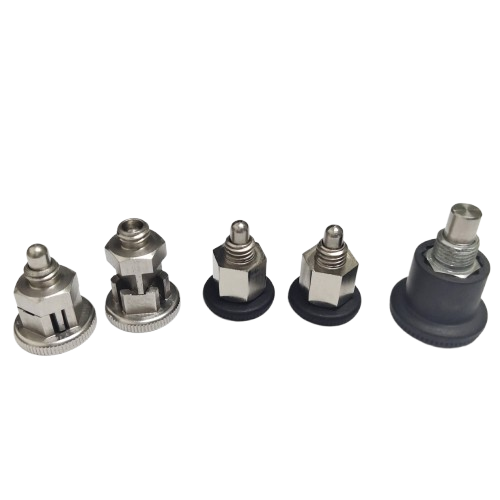
Explore the application of stainless steel materials for customizing mini indexing plungers based on specific operational environments and suitable spaces.
How To Make A Mini Indexing Plunger
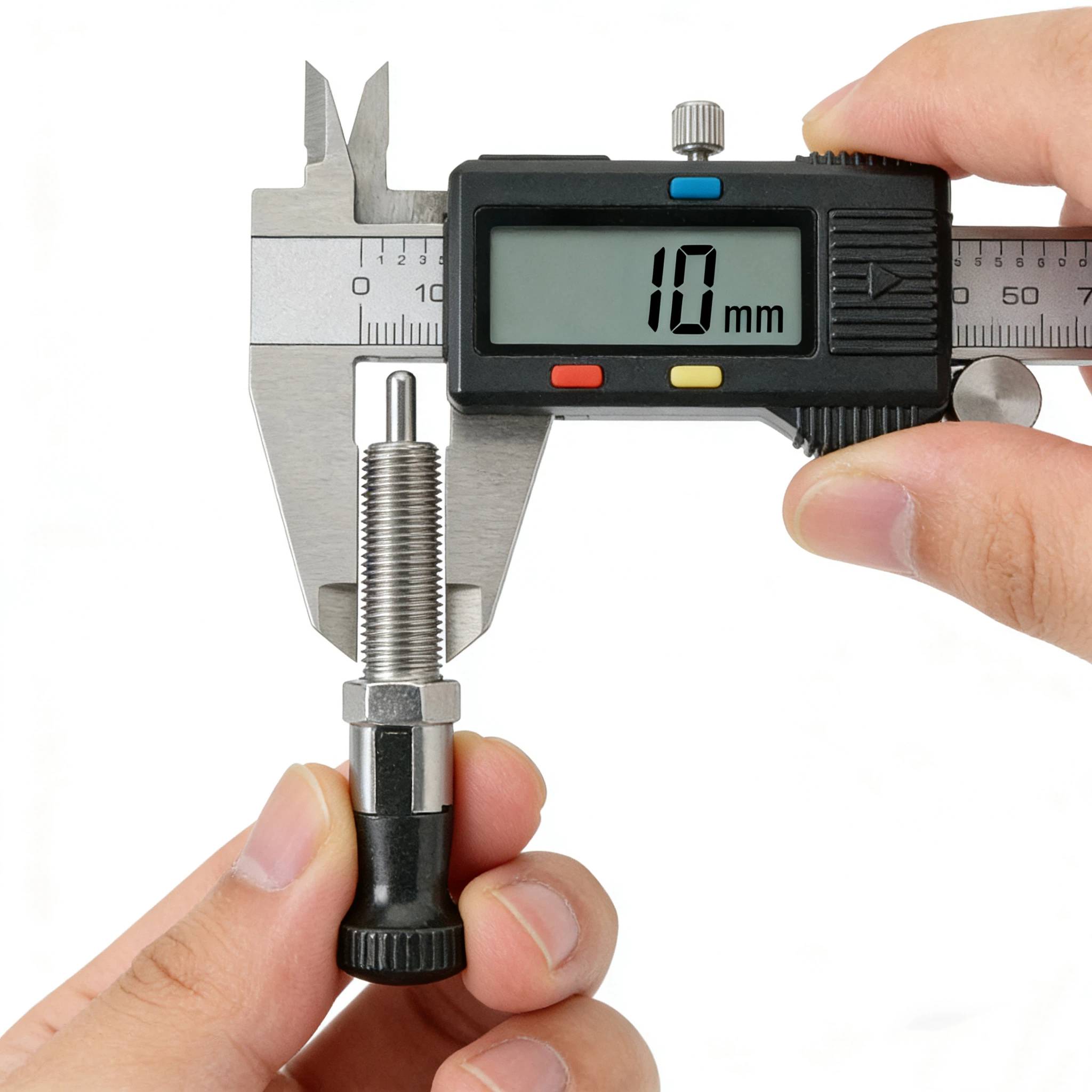
Discover how to choose correct size for indexing elements with confidence. Get precise recommendations that improve positioning accuracy, durability, and overall system performance.
How To Choose Correct Size For Indexing Elements