Press Fit Ball Plunger
Press Fit Ball Plungers: Secure and Efficient Fastening Solutions
Introduction
In the fast-evolving world of mechanical engineering, components that offer both reliability and ease of installation are in high demand. Press Fit Ball Plungers have emerged as a standout solution, combining secure fastening with a simple, tool-free installation process. These devices are widely used in industries ranging from automotive to consumer electronics, providing precise positioning and vibration-resistant locking. But what exactly are Press Fit Ball Plungers, and why are they so effective? This article explores their design, applications, and benefits.
What Are Press Fit Ball Plungers?
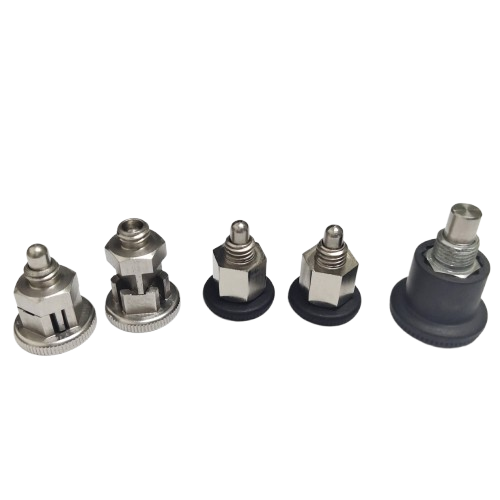
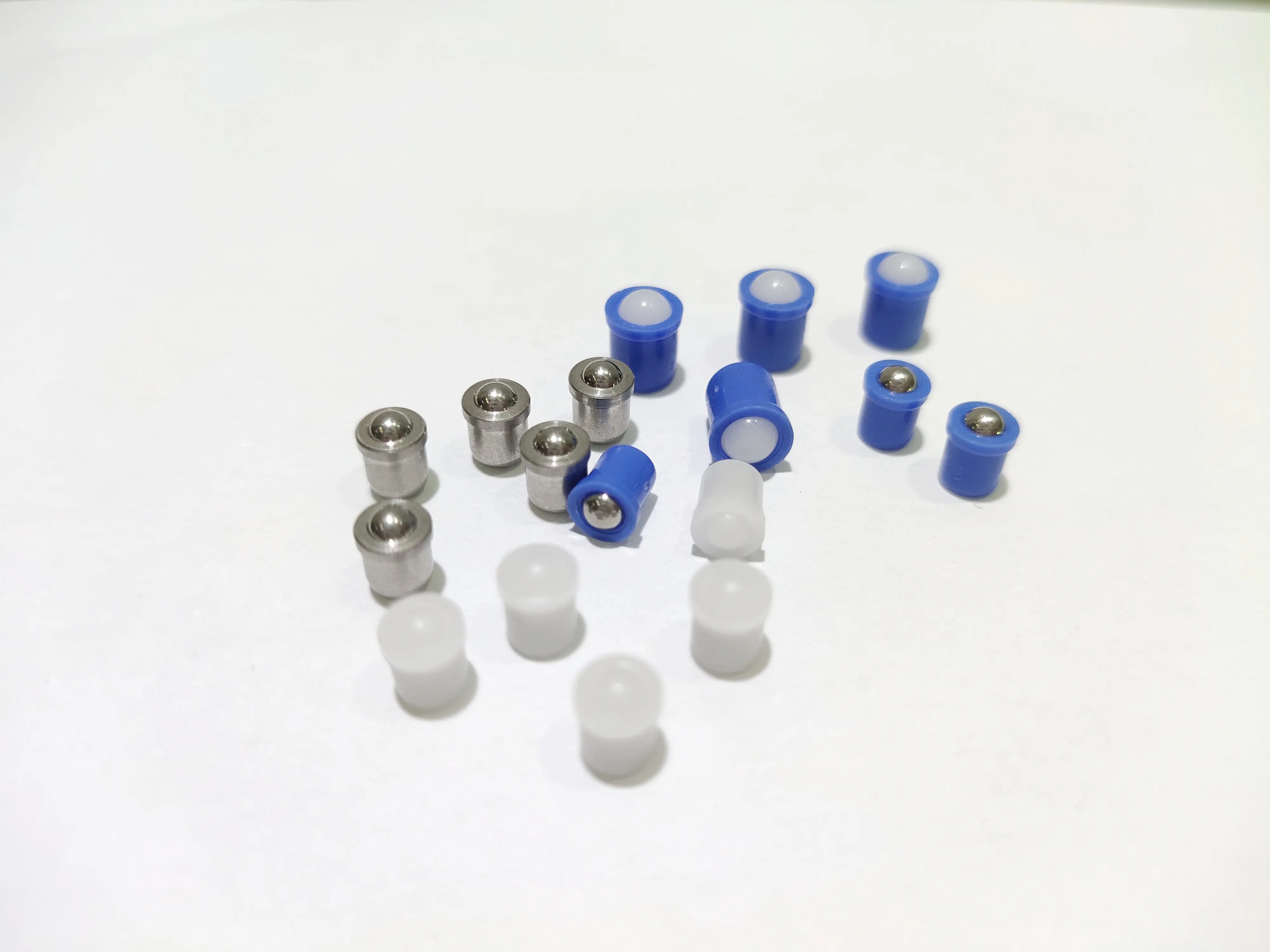
Press Fit Ball Plungers are compact mechanical fasteners designed to lock or position components securely. They consist of a cylindrical body, a spring-loaded ball, and a press-fit mechanism that allows the plunger to be installed directly into a pre-drilled hole without additional hardware. The ball protrudes from the plunger’s tip, engaging with a detent (a recess or hole) to hold parts in place. Made from materials like stainless steel or engineered plastics, they are built for durability and resistance to wear, corrosion, and harsh environments.
Key Features and Benefits
-
Tool-Free Installation: The press-fit design enables quick, secure installation without screws, adhesives, or specialized tools.
-
Vibration Resistance: The spring-loaded ball maintains consistent pressure, preventing accidental disengagement.
-
Precision Positioning: Ensures accurate alignment and repeatable adjustments in dynamic applications.
-
Durability: Corrosion-resistant materials and robust construction ensure longevity in demanding conditions.
-
Space-Saving Design: Compact size makes them ideal for applications with limited space.
How Do Press Fit Ball Plungers Work?
The operation of Press Fit Ball Plungers is straightforward:
-
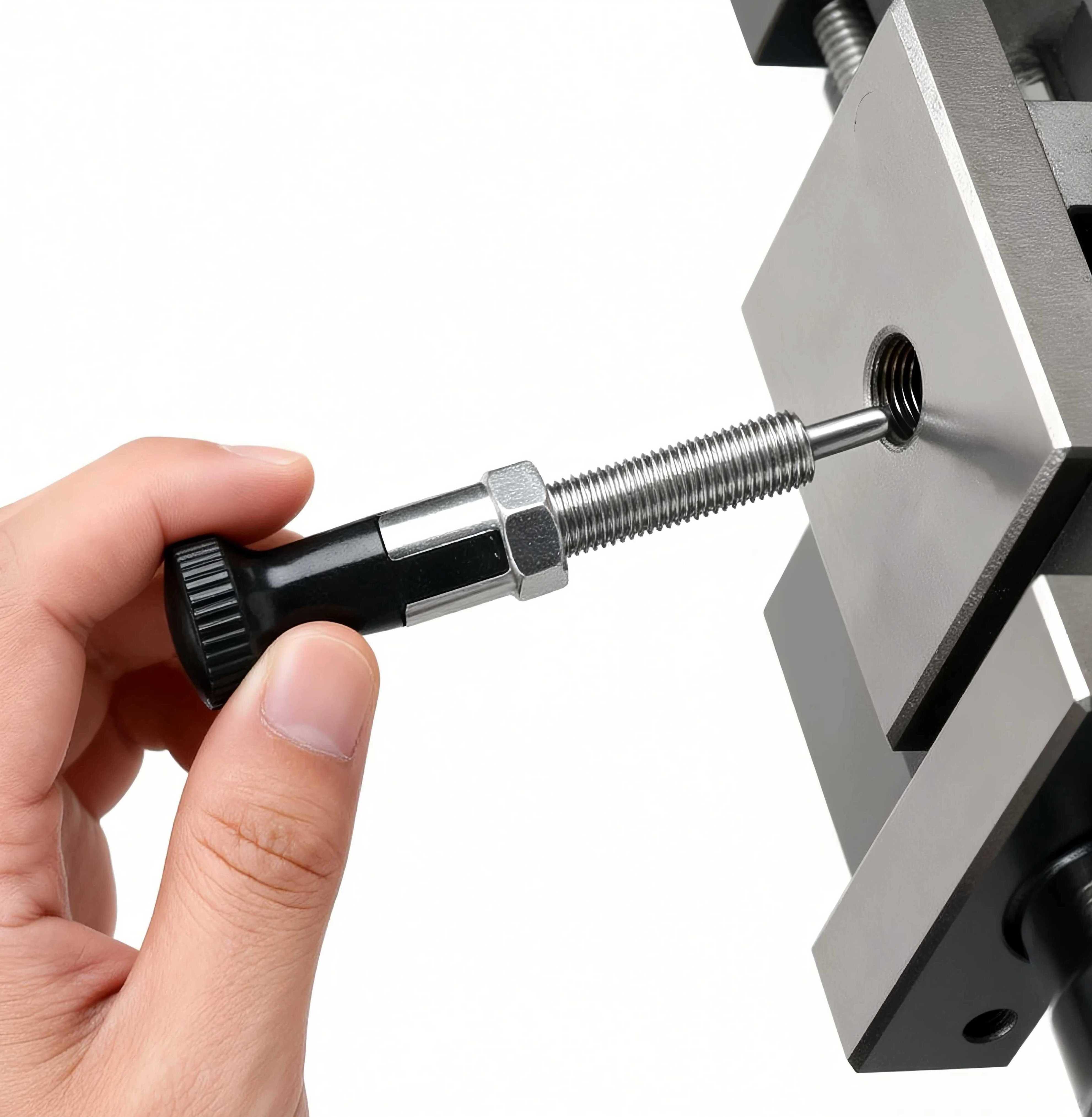
Installation: The plunger is pressed into a pre-drilled hole with a tight tolerance, creating a friction fit that holds it securely.
-
Engagement: The spring-loaded ball protrudes from the plunger’s tip, locking into a corresponding detent on a mating component.
-
Adjustment: To reposition components, force is applied to overcome the spring tension, allowing the ball to retract and disengage.
-
Re-engagement: Once aligned, the ball snaps back into the detent, securing the components in place.
This simple mechanism ensures reliable performance in applications requiring frequent adjustments or temporary locking.
Applications Across Industries
Press Fit Ball Plungers are used in diverse sectors, including:
-
Automotive: Securing panels, adjusting seat mechanisms, and locking foldable components.
-
Industrial Machinery: Aligning jigs, fixtures, and tooling systems.
-
Consumer Electronics: Positioning hinges in laptops, tablets, and foldable devices.
-
Aerospace: Fastening lightweight panels and access doors.
-
Medical Devices: Ensuring precise adjustments in surgical instruments and imaging equipment.
Standard Sizes and Configurations
Press Fit Ball Plungers are available in standardized dimensions to suit various applications:
-
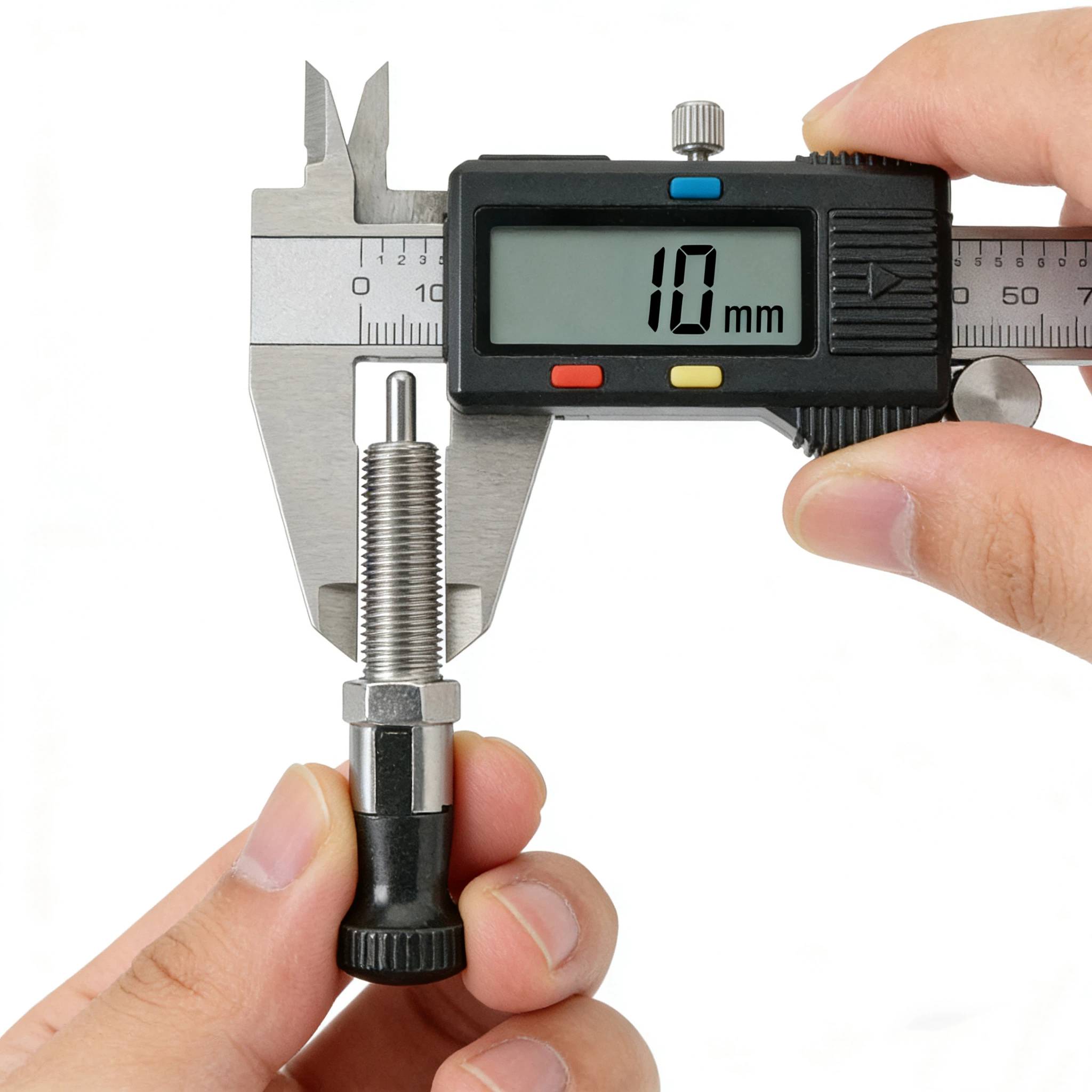
Body Diameter: Ranges from 3 mm to 12 mm (metric) or 1/8" to 1/2" (imperial).
-
Spring Force: Customizable to provide light, medium, or heavy retention pressure.
-
Ball Material: Options include stainless steel (for durability) or nylon (for non-marring applications).
-
Body Material: Stainless steel, aluminum, or engineered polymers for corrosion resistance.
Advantages Over Traditional Fasteners
-
Simplified Assembly: Eliminates the need for screws, nuts, or threaded holes.
-
Cost-Effective: Reduces labor and hardware costs through faster installation.
-
Low Maintenance: No lubrication required, and the sealed design minimizes contamination.
-
Adaptability: Suitable for both static and dynamic applications.
Challenges and Considerations
While Press Fit Ball Plungers offer significant benefits, users should consider:
-
Hole Tolerance: Requires precise hole sizing to ensure a secure press fit.
-
Load Capacity: Not ideal for extremely high-stress applications.
-
Material Compatibility: Ensure the plunger material matches environmental conditions (e.g., temperature, chemicals).
Innovations in Press Fit Ball Plungers
Recent advancements include:
-
Self-Lubricating Materials: Reducing friction and wear in high-cycle applications.
-
Hybrid Designs: Combining metal bodies with polymer balls for noise reduction.
-
Smart Sensors: Integrating IoT-enabled sensors to monitor engagement and wear in real time.
Expert Insights
Dr. Laura Simmons, a mechanical design engineer, notes:
"Press Fit Ball Plungers are a game-changer for industries prioritizing speed and precision. Their ability to deliver secure, repeatable positioning without complex installation makes them indispensable in modern manufacturing."
Discover our press fit ball plungers for precise positioning and reliable performance in industrial applications. Durable and efficient, they ensure smooth operation. Contact us for custom solutions tailored to your needs.
Double Ended Spring Plunger
Pull Ring Spring Plunger
Related Article