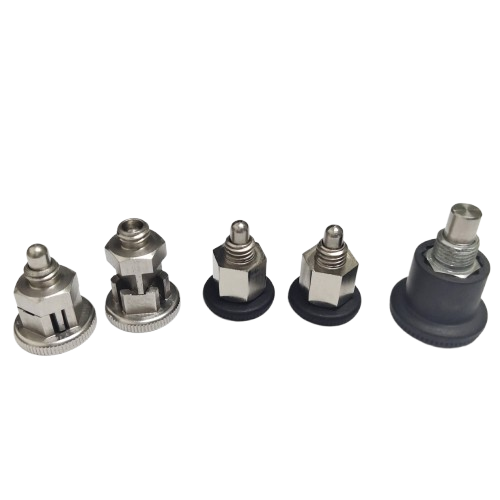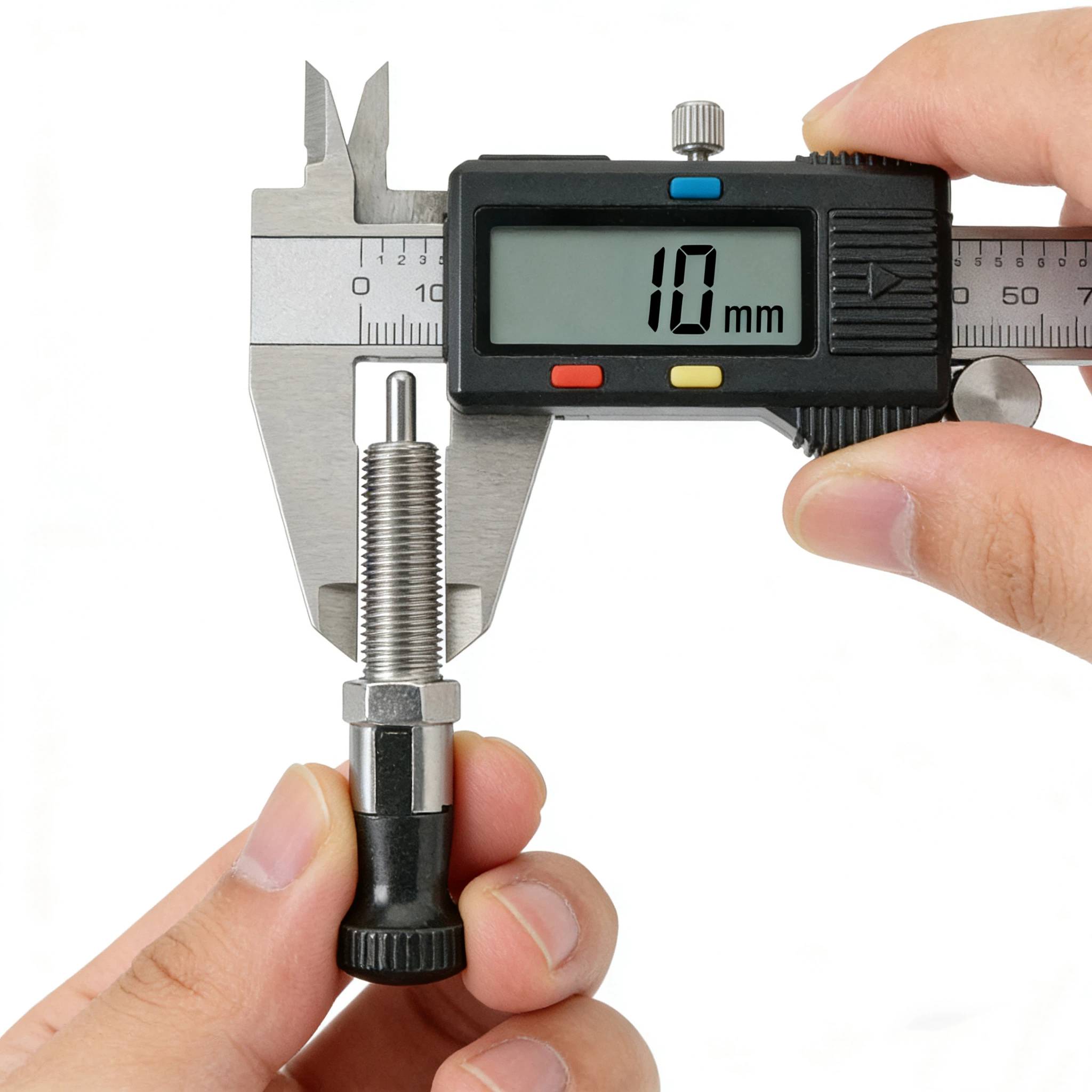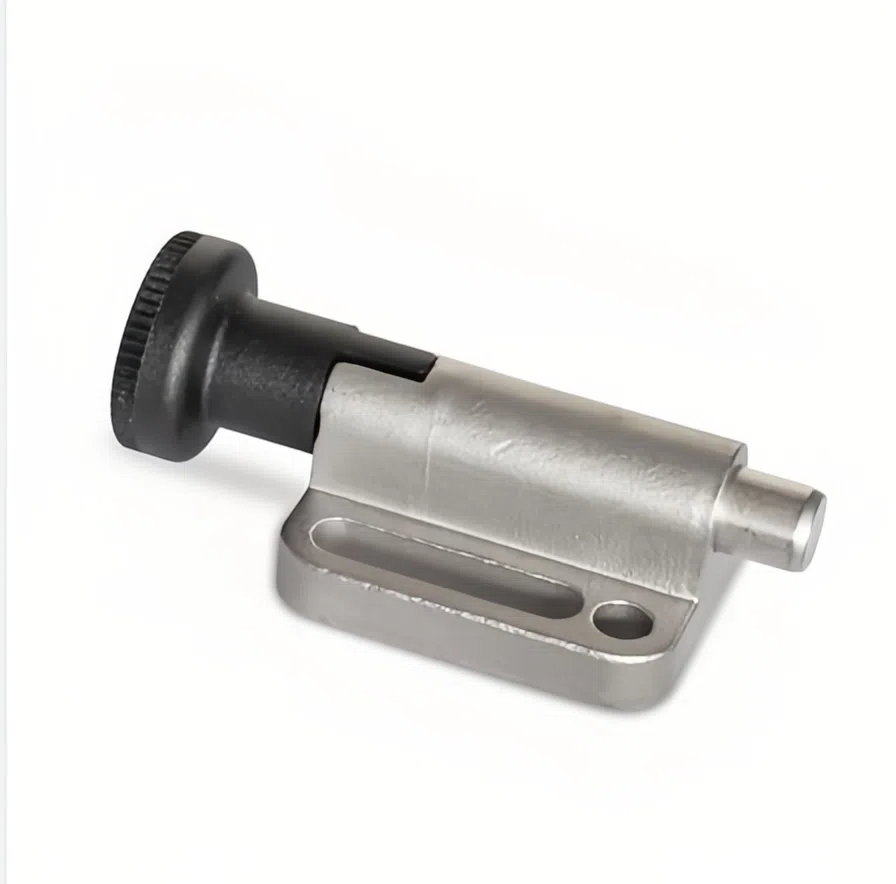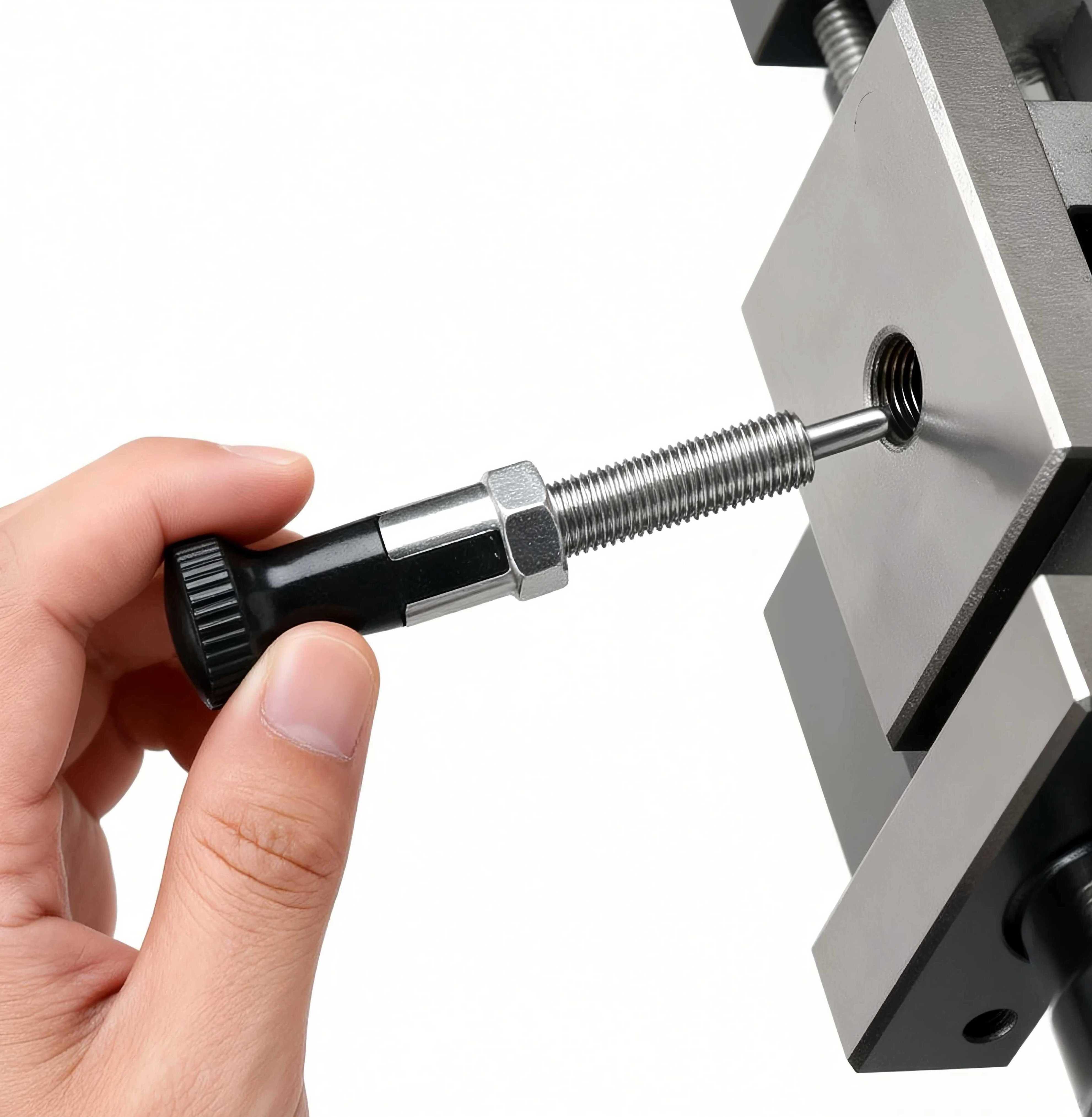
Quick Locking Mechanism
Quick Locking Mechanism: Enhancing Efficiency and Safety in Fastening Systems
Introduction
The demand for efficient, secure, and user-friendly fastening solutions has surged with the progression of modern engineering and design across industries. One such innovation that has gained widespread attention is the Quick Locking Mechanism. These mechanisms are specially engineered to provide rapid assembly and disassembly without the need for traditional tools or prolonged procedures. Their importance is most notable in sectors where time, precision, and reliability are critical. This article explores the fundamentals of quick locking mechanisms, their types, operational principles, applications, and advantages, as well as future trends and considerations for implementation.
What Is a Quick Locking Mechanism?
A quick locking mechanism is a type of fastening system designed to join or secure components quickly and reliably. These mechanisms enable users to engage or disengage a lock with minimal effort, often involving a simple push, twist, or snap. Unlike conventional fasteners such as bolts or screws, quick locking systems prioritize ease of use, speed, and consistency.

Core Components and Working Principle
The quick locking mechanism typically consists of the following elements:
-
Locking Pin or Stud: The central component that enters a mating hole or slot.
-
Actuating Element: This could be a button, lever, or handle used to engage/disengage the lock.
-
Locking Balls or Lugs: These hold the pin in place when engaged.
-
Spring System: Provides the necessary tension for locking and unlocking.
When actuated, the locking mechanism either compresses or releases the internal springs and locking balls/lugs, enabling the pin to be inserted or removed quickly. Upon release, the mechanism returns to its default locked state, securing the components together.
Key Advantages
-
Rapid Engagement and Release
-
Tool-Free Operation
-
Consistent and Reliable Locking Force
-
Compact and Lightweight Design
-
Reduced Downtime in Assembly/Disassembly
Types of Quick Locking Mechanisms
Quick locking mechanisms are available in various designs based on the application needs. Some of the most common types include:
-
Push-Button Quick Lock: Features a button that, when pressed, allows the pin or stud to retract or engage.
-
Quarter-Turn Locks: Require a 90-degree turn to lock or unlock, commonly used in panels and access doors.
-
Ball Lock Pins: Use internal balls that expand to hold the pin securely in a bore.
-
Latch Mechanisms: Include mechanical latches that snap into place and are released via lever or tab.
-
Cam Locks: Utilize cam motion to secure the pin or shaft within a mating component.
Applications Across Industries
Quick locking mechanisms are integral to a wide range of industries:
-
Aerospace and Aviation: Used in tool-less access panels, seat assemblies, and component fixtures.
-
Automotive: For removable panels, modular systems, and quick-change tooling.
-
Medical Devices: Enables rapid equipment assembly and disassembly with precision.
-
Defense and Military: Offers secure and quick-lock capability for gear, weapons, and field equipment.
-
Manufacturing: Used in jigs, fixtures, and automated equipment requiring frequent reconfiguration.
-
Consumer Products: In furniture, sports gear, electronics, and more.
Material and Design Considerations
The effectiveness of a quick locking mechanism heavily depends on material selection and design accuracy:
-
Materials:
-
Stainless steel: For corrosion resistance and strength.
-
Aluminum: Lightweight applications.
-
High-strength plastics: In consumer or non-load-bearing uses.
-
-
Surface Treatments:
-
Anodizing for aluminum parts.
-
Passivation or black oxide for steel components.
-
-
Design Considerations:
-
Tolerances for fit and function.
-
Ergonomics for user interface.
-
Load capacity and fatigue resistance.
-
Advantages Over Traditional Fasteners
Quick locking mechanisms offer distinct advantages compared to screws, nuts, and bolts:
-
Speed: Installation/removal in seconds.
-
Repeatability: Reliable performance over thousands of cycles.
-
Safety: Reduced risk of improper fastening.
-
No Tool Requirement: Ideal for field use and emergency scenarios.
Design Challenges and Solutions
Despite their benefits, quick locking mechanisms can pose challenges:
-
Wear and Tear: High cycle usage may degrade components. Solution: Use wear-resistant materials.
-
Misalignment: Poor alignment may affect locking performance. Solution: Incorporate guiding features.
-
Corrosion: In harsh environments, corrosion can inhibit movement. Solution: Use sealed or treated components.
Customization and Modularity
Manufacturers offer tailored solutions for specific client needs:
-
Custom sizes and shapes
-
Integrated safety features (double-locking systems)
-
Color coding for easy identification
-
Logo or branding options for OEMs
Installation Guidelines
For optimal performance:
-
Ensure alignment of mating parts
-
Apply consistent insertion force
-
Verify locking engagement through tactile or audible cues
-
Conduct regular inspection for wear or contamination
Maintenance and Inspection
Routine checks can extend the life and reliability of quick locking mechanisms:
-
Visual inspection for corrosion or deformation
-
Functional testing to ensure engagement force
-
Cleaning using appropriate solvents to remove debris
Market Trends and Innovations
-
Smart Locking Mechanisms: Integration of sensors to monitor lock status.
-
Lightweight Composites: Use of carbon fiber and polymers for aviation and automotive.
-
3D Printed Prototypes: Accelerates R&D for customized applications.
-
Miniaturization: Development of micro-locking systems for electronics and medical devices.
Environmental Considerations
As sustainability becomes a focus, manufacturers are moving toward:
-
Recyclable materials
-
Lead-free and hazardous-substance-free finishes
-
Energy-efficient production techniques
Case Studies
-
Aerospace Seat Assembly:
-
Problem: Long installation time with screws.
-
Solution: Quick locking push-button pins.
-
Result: 75% reduction in assembly time.
-
-
Medical Equipment Panel Access:
-
Problem: Risk of tool loss in sterile environments.
-
Solution: Quarter-turn cam locks.
-
Result: Safe, tool-free access and reduced contamination risk.
-
Discover high-performance quick locking mechanisms for fast, secure, and reliable connections in precision engineering and industrial applications.
Quick locking mechanisms have transformed how components are fastened, offering unmatched convenience, safety, and efficiency. From aerospace to consumer electronics, these mechanisms have found essential applications wherever speed, precision, and repeatability matter. As industries continue to evolve and demand smarter, safer, and more sustainable solutions, the role of quick locking mechanisms will only grow stronger. Investing in these systems not only streamlines operations but also improves product reliability and user satisfaction in a world where time and performance are critical.
Spring Loaded Fasteners
Locking Quick Release Pins
Related Article