Quick Release Mechanism-How Does A Quick Release Pin Work
Quick Release Mechanism – How Does A Quick Release Pin Work
1. Introduction to Mocayo Quick Release Pins
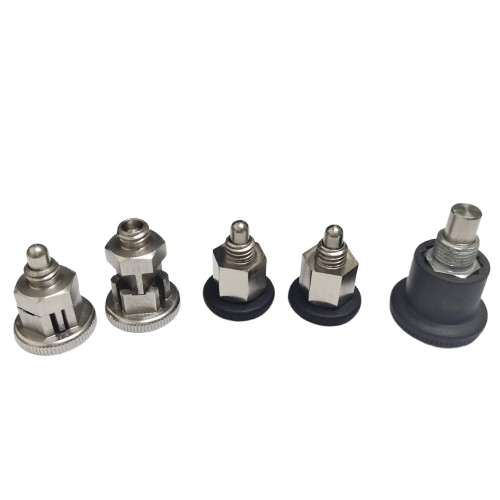
Mocayo Precision Technology, a manufacturer with over a decade of experience in precision mechanical components, specializes in the design and production of high-performance Quick Release Pins. We are committed to providing global industries with reliable, durable, and easy-to-operate fastening solutions. Our product line covers various styles including straight shank, T-handle, L-ring, and push-button types. Material options range from stainless steel and carbon steel to aluminum alloys, with customizable surface treatments like zinc plating, anodizing, and black oxide.

Each Quick Release Pin from Mocayo is engineered with precision and reliability in mind. The compact internal Quick Release Mechanism ensures quick engagement and release, eliminating the need for tools. This improves assembly speed and operational efficiency, particularly in sectors such as aerospace, automation, industrial fixtures, and mechanical maintenance. When asking How Does A Quick Release Pin Work, look no further than Mocayo for an answer rooted in superior engineering.
2. Quick Release Mechanism: How Does It Work?
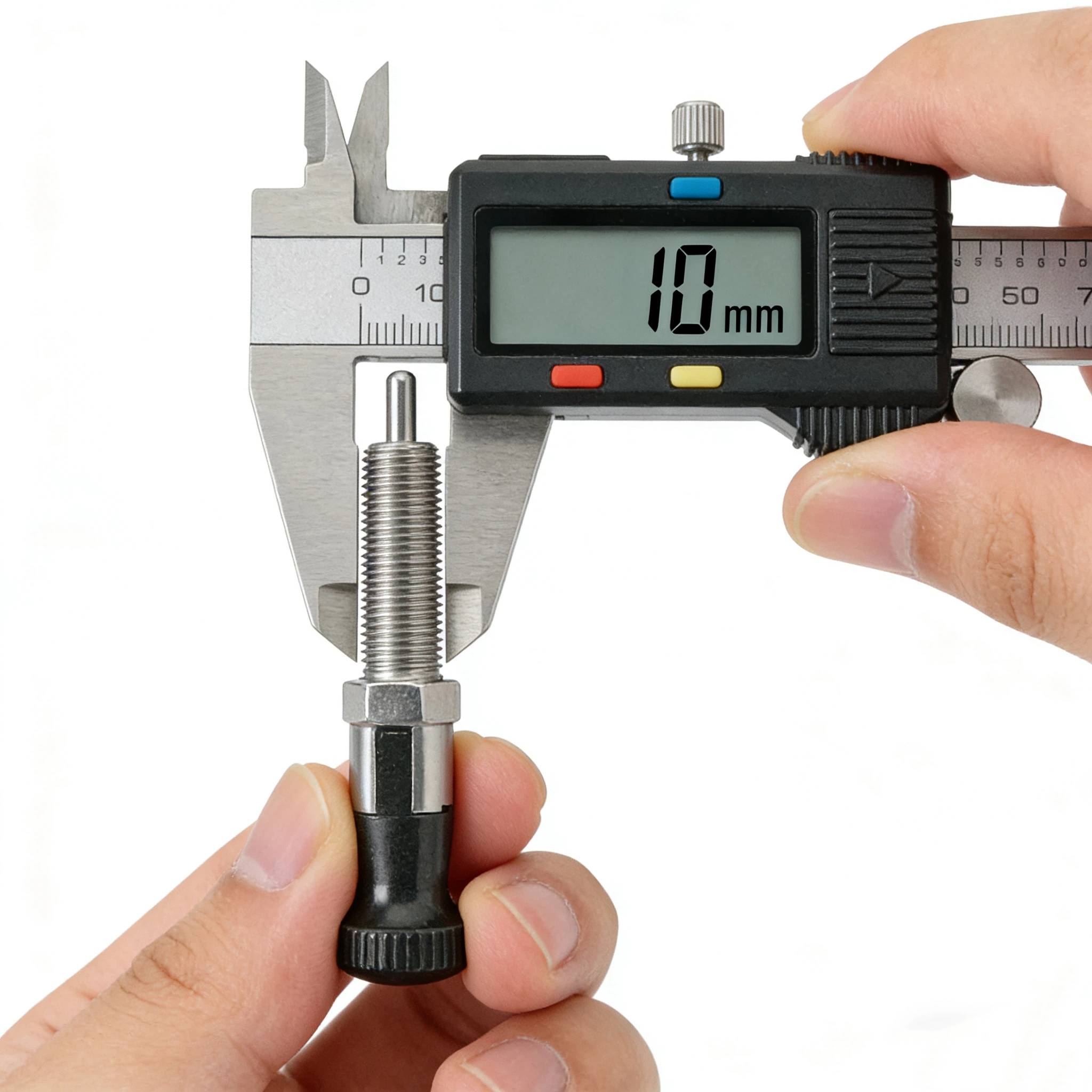
At its core, a Quick Release Mechanism allows for rapid installation and removal of mechanical components without tools. Understanding How Does A Quick Release Pin Work means breaking down its key components: the pin body, locking balls, internal spring, and a user-operated actuator such as a button or ring handle.
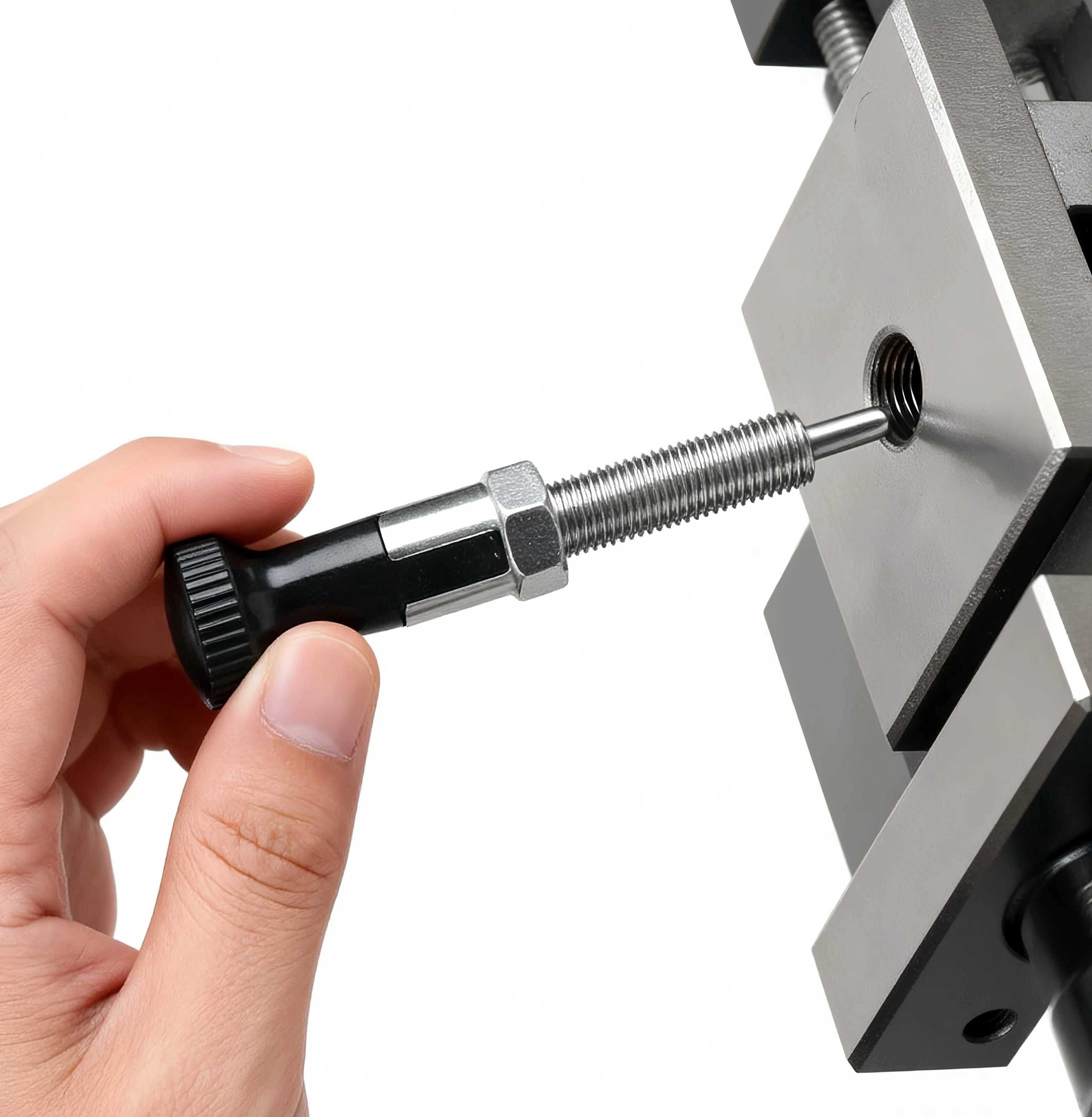
When the actuator is engaged—either by pressing or pulling—it compresses the spring, retracting the locking balls into the pin shaft. This allows the pin to be inserted or removed from a hole or fixture. Once released, the spring returns to its original state, forcing the locking balls outward to secure the pin in place. This simple yet effective Quick Release Mechanism allows operators to install or remove components in seconds.
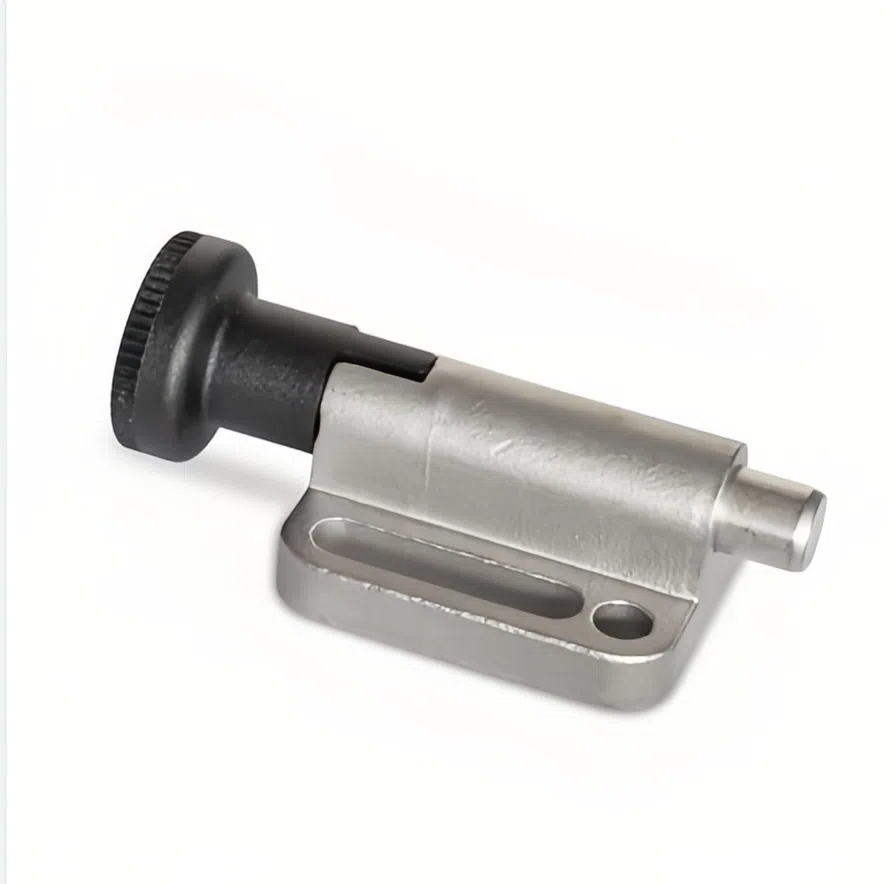
There are different types of Quick Release Pins, each suited for specific applications. For example, ball-lock types offer balanced holding force ideal for high-load conditions, while push-button pins allow single-handed operation in confined spaces. Regardless of the design, the underlying principle of How Does A Quick Release Pin Work remains focused on ease, efficiency, and security.
The mechanism can be further enhanced with anti-vibration features, corrosion-resistant materials, and high-strength alloys to meet diverse industrial demands. From light-duty applications to high-stress environments, Quick Release Mechanisms offer unmatched flexibility and reliability.
3. Applications and Benefits of Quick Release Mechanisms
Quick Release Pins serve a vital role across various sectors. In manufacturing automation, they enable swift changeover of machine modules. In jigs and fixtures, they support rapid alignment and locking. In aerospace and transportation, they provide secure connections that are easy to access during maintenance.
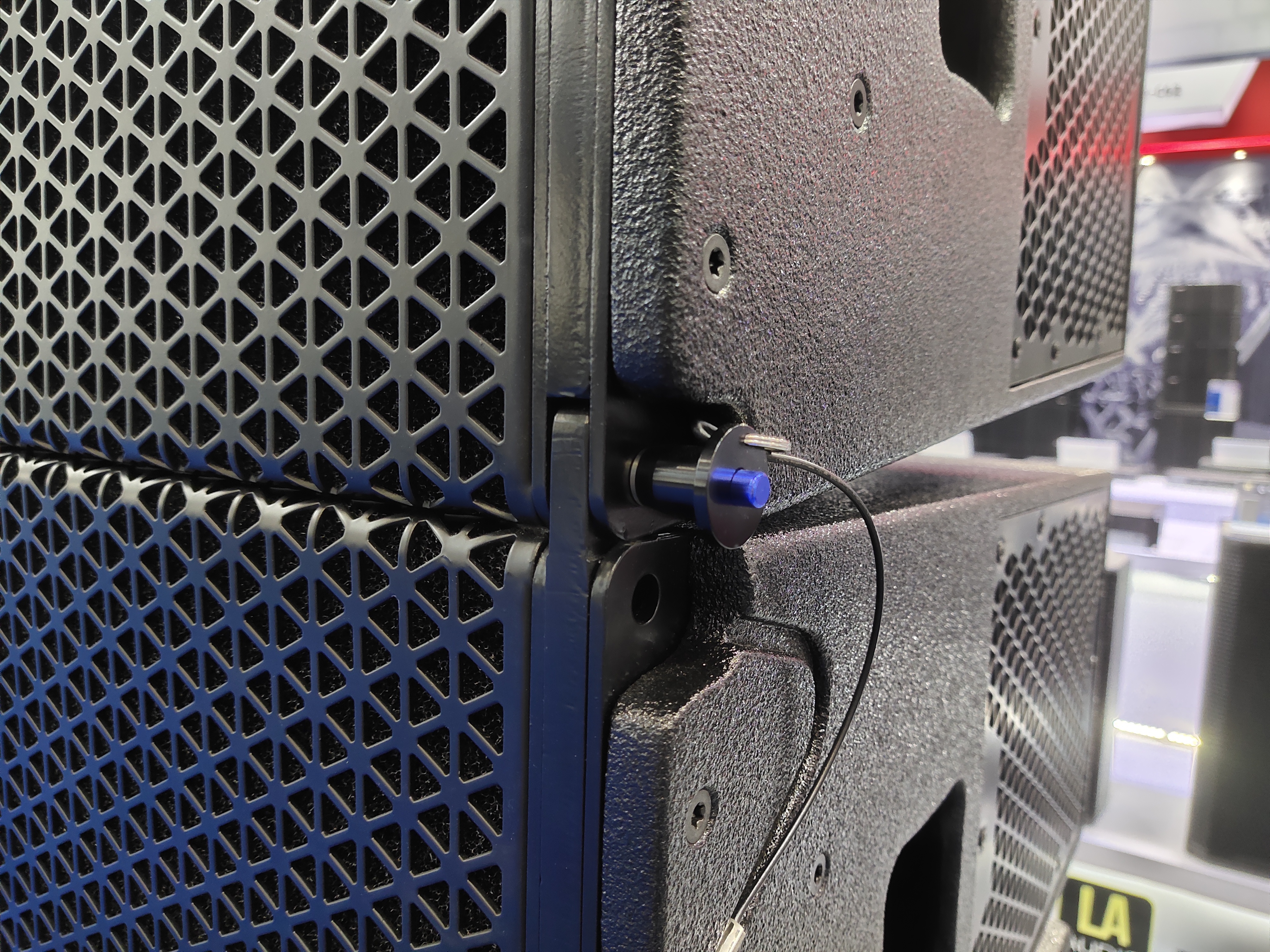
The main benefits of a well-designed Quick Release Mechanism include tool-free operation, time savings, repeatable precision, and structural stability under dynamic load. Unlike threaded fasteners, Quick Release Pins reduce the risk of over-tightening or misalignment. Whether in high-volume production lines or maintenance-intensive environments, understanding How Does A Quick Release Pin Work can lead to substantial gains in productivity and safety.
At Mocayo, our Quick Release Pins are not only durable and efficient but also designed with user comfort and operational simplicity in mind. Our extensive catalog and customization capabilities ensure that clients find the exact product to meet their needs—both in standard and highly specialized use cases.
Quick release mechanism explained in detail—discover how does a quick release pin work in various industrial applications with efficiency and precision.
Ball Lock Mechanism-Quick Release Locking Pin
Quick Release Pins: Mechanism, Function & Types
Related Article