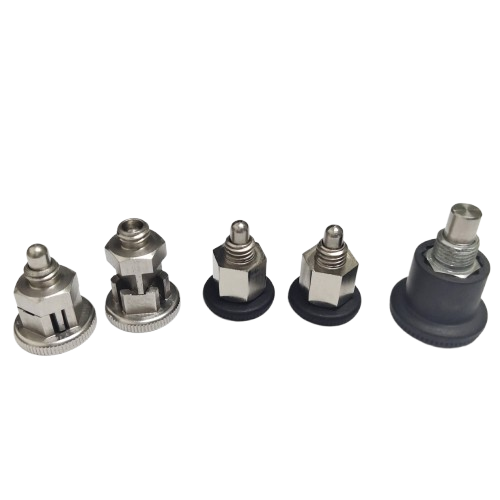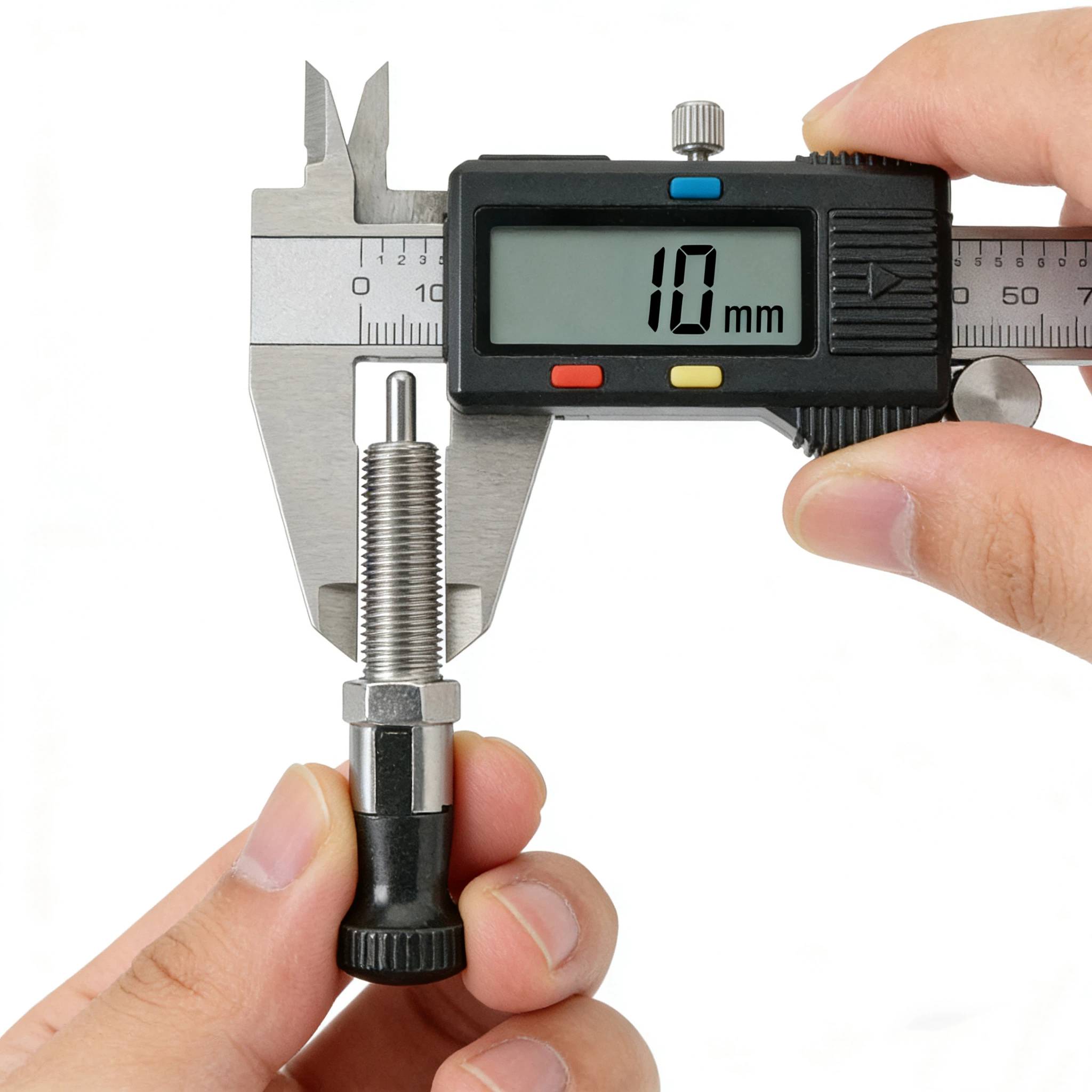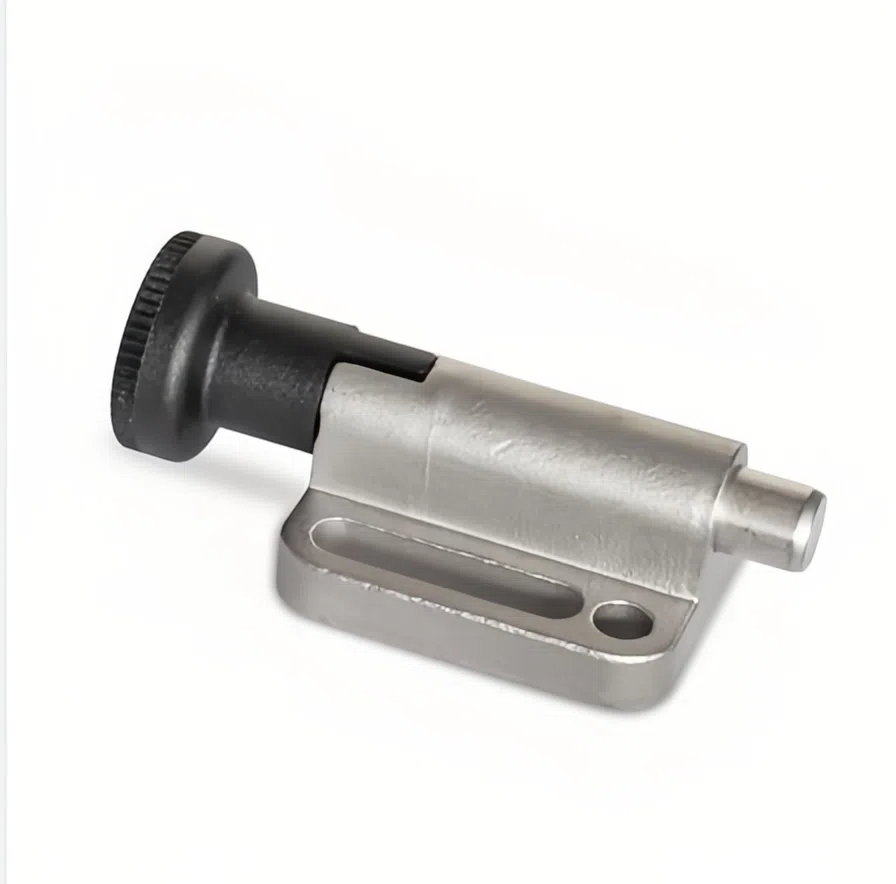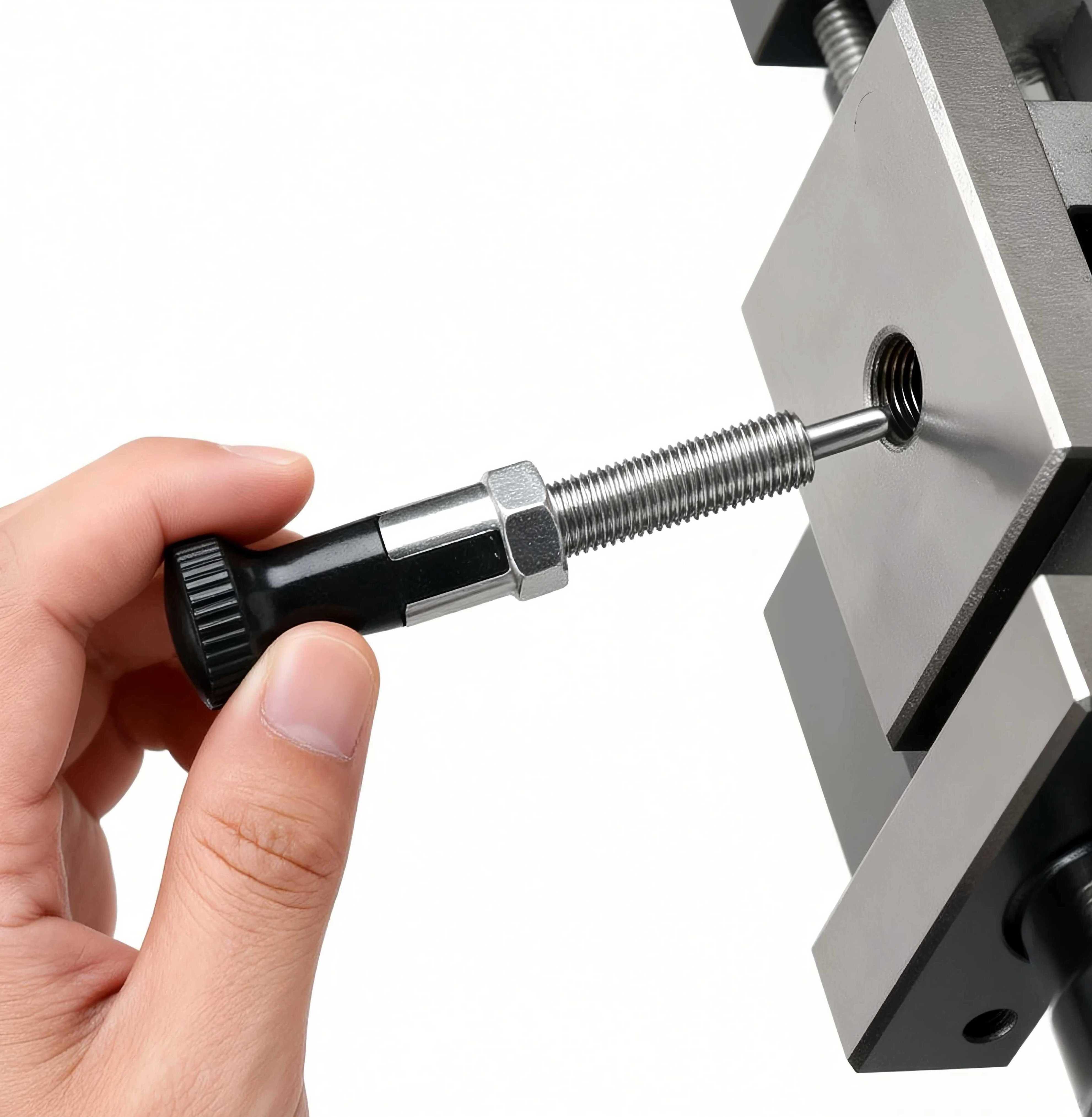
Quick Release Mechanism
Quick Release Mechanism: Enhancing Efficiency and Safety Across Industries
Introduction
The evolution of mechanical systems has always been driven by the need for increased efficiency, precision, and safety. Among the many innovations that support these objectives, the quick release mechanism stands out as a transformative technology. Used in applications ranging from aerospace to everyday consumer products, quick release mechanisms enable fast, secure, and repeatable assembly and disassembly of components without the need for tools. This article provides a comprehensive exploration of quick release mechanisms, their working principles, design types, material options, industry applications, advantages, and future trends.
What is a Quick Release Mechanism?
A quick release mechanism is a mechanical system that allows for the rapid connection and disconnection of parts. Unlike traditional fasteners, which often require tools to operate, quick release systems can typically be engaged or disengaged manually. The mechanism is designed to provide both speed and reliability in connecting two components while maintaining a high level of security and load-bearing capacity.

Key Features
-
Tool-less Operation: Eliminates the need for wrenches or screwdrivers.
-
Repeatability: Ensures components can be reassembled in exactly the same configuration.
-
Durability: Engineered for multiple cycles of use without degradation.
-
Safety: Prevents accidental disengagement under load or vibration.
Types of Quick Release Mechanisms
Quick release mechanisms are engineered in various forms to meet different functional and structural requirements:
-
Quick Release Pins: Used to lock or hold components in place. Includes T-handle, ball lock, detent, and ring handle designs.
-
Ball Lock Mechanisms: Utilize spring-loaded balls that engage into a locking groove. Common in industrial and aerospace applications.
-
Latch Mechanisms: Often used for enclosures and covers, providing both locking and quick access.
-
Cam and Lever Systems: Used in bicycles and medical devices where torque-adjustable clamping is required.
-
Push Button Release: Offers one-touch operation, ideal for compact or ergonomic designs.
-
Snap Fit Connectors: Frequently used in electronics and consumer devices.
Working Principles
Quick release mechanisms generally operate based on mechanical interlocking, spring force, and sometimes cam action. When engaged, the mechanism locks components firmly. Disengagement is typically achieved through manual action, such as pulling a pin, pressing a button, or rotating a handle. Some mechanisms incorporate secondary locks or indicators for added safety.
Material Selection and Surface Treatments
The choice of material depends on the intended use, load requirements, environmental conditions, and cost constraints:
-
Stainless Steel: Offers corrosion resistance and strength; ideal for medical, marine, and food processing.
-
Carbon Steel: Cost-effective and strong; often used with zinc plating or black oxide finish.
-
Aluminum: Lightweight and corrosion-resistant; used in aerospace and portable equipment.
-
Plastic and Composite Materials: Used for lightweight or non-conductive applications.
Common surface treatments include:
-
Anodizing: Enhances corrosion resistance and appearance (for aluminum parts).
-
Passivation: Improves corrosion resistance of stainless steel.
-
Zinc Plating: Protects steel from rust and wear.
Applications Across Industries
Quick release mechanisms are versatile and have penetrated nearly every industrial sector:
-
Aerospace and Aviation: For rapid assembly and maintenance of aircraft interiors, panels, and equipment mounts.
-
Automotive: Used in racing seats, battery terminals, and engine components.
-
Medical Devices: Enable secure yet removable connections in surgical instruments and diagnostic tools.
-
Manufacturing and Automation: Employed in tool changers, fixtures, conveyor systems, and jigs.
-
Consumer Products: Seen in bicycles, baby car seats, and camera mounts.
-
Military and Defense: Used in weapon mounts, backpacks, and vehicle panels.
Advantages of Quick Release Mechanisms
-
Time Saving: Reduces assembly/disassembly time significantly.
-
User-Friendly: Allows easy operation even by untrained personnel.
-
Increased Uptime: Minimizes downtime in manufacturing and service operations.
-
Design Flexibility: Adaptable to custom configurations and applications.
-
Improved Ergonomics: Eliminates the strain of using tools in tight spaces.
Design Considerations
When incorporating a quick release mechanism into a system, engineers must consider:
-
Load Capacity: Must withstand operational and safety loads.
-
Environmental Conditions: Exposure to moisture, chemicals, or temperature extremes.
-
Cycle Life: Should meet the expected number of engagement cycles.
-
Safety Features: Secondary locking or visual indicators may be required.
-
Ergonomics: Handle or button must be accessible and easy to actuate.
Standards and Quality Certifications
To ensure performance, reliability, and safety, quick release mechanisms often comply with industry standards, such as:
-
ISO 8752 / ISO 2338: Relating to pins and fasteners.
-
ASME B18.8.2: Standards for retaining pins.
-
RoHS and REACH: Compliance for material safety in European markets.
-
FDA and CE: For medical device components.
Challenges in Quick Release Mechanism Design
Despite their benefits, designers face several challenges:
-
Balancing Security and Speed: Ensuring the connection is fast yet cannot be accidentally released.
-
Material Compatibility: Preventing galvanic corrosion in mixed-metal assemblies.
-
Miniaturization: Maintaining performance in increasingly compact designs.
-
Cost Management: Balancing performance and affordability, especially in mass production.
Maintenance and Safety Guidelines
To ensure long-term performance:
-
Routine Inspections: Check for wear, corrosion, and misalignment.
-
Lubrication: Periodic greasing of mechanical parts, especially under high cycles.
-
Cleaning: Regular cleaning in dusty or corrosive environments.
-
Training: Operators should understand proper usage to prevent misuse.
Case Studies
-
Aerospace Panel Mounting: A major aircraft manufacturer adopted ball lock quick release pins for interior panel mounting, reducing installation time by 70%.
-
Medical Cart Design: A healthcare equipment company integrated push-button quick release systems into mobile carts, enabling faster maintenance and improved hygiene compliance.
-
Automotive Battery Replacement: Motorsports teams used cam lever quick release clamps for fast battery changes during races, enhancing efficiency under pressure.
Discover our quick release mechanisms for secure and efficient fastening in industrial applications. Durable and reliable, they ensure smooth operation. Contact us for custom solutions tailored to your needs.
Quick release mechanisms represent a significant advancement in mechanical design, streamlining operations across numerous industries. Their ability to provide fast, reliable, and repeatable connections enhances productivity, safety, and user experience. As technology progresses, we can expect even more innovative and intelligent quick release solutions that will further redefine performance standards in engineering and product design.
Whether for a complex aerospace system or a simple consumer product, the integration of a quick release mechanism is a testament to engineering ingenuity focused on efficiency and excellence.
Pin Plunger
Index Plungers
Related Article