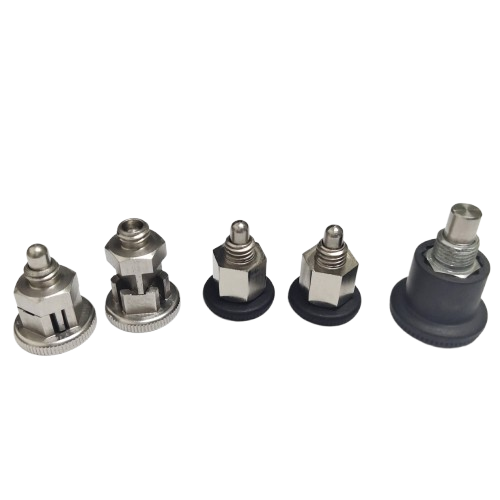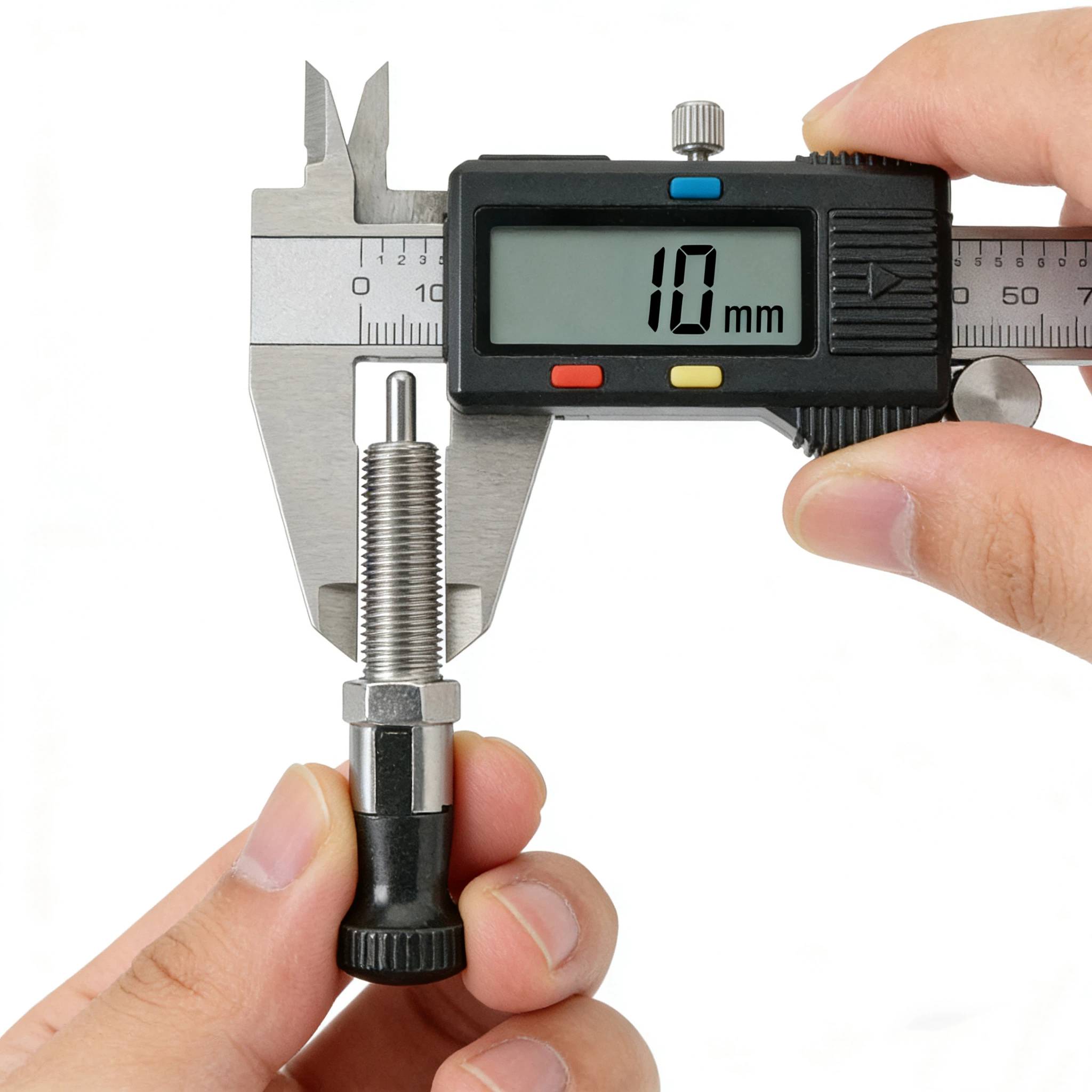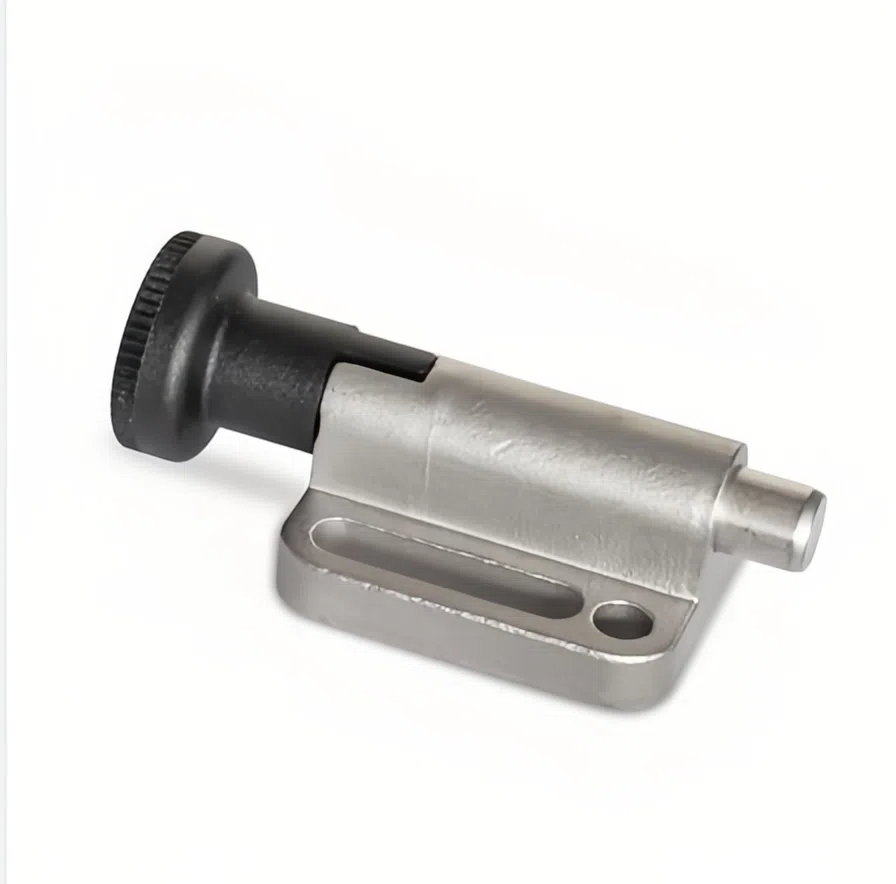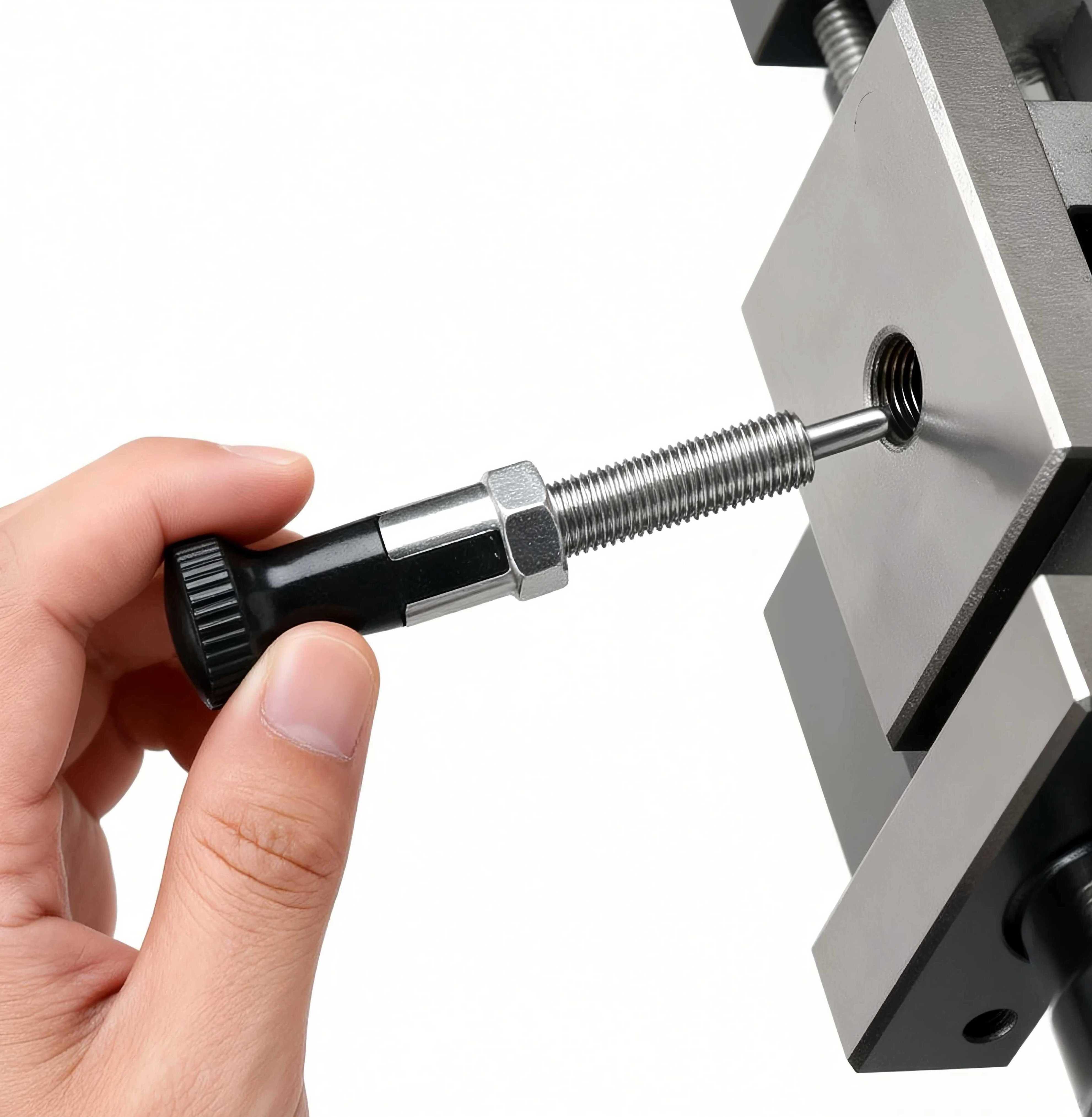
Quick Release Pin With Lanyard
Quick Release Pin with Lanyard: A Complete Guide to Versatile and Secure Fastening
Introduction: The Growing Demand for Quick Action Fasteners
In today’s manufacturing, aerospace, marine, and defense industries, the need for secure, efficient, and easily operable fastening solutions has never been more essential. Among the wide array of fastening devices, Quick Release Pins with Lanyards stand out as a unique combination of speed, safety, and practicality. These specialized pins provide a dependable way to connect and disconnect components quickly while minimizing the risk of loss or misplacement—thanks to the addition of a lanyard.
This article dives deep into the design, functionality, applications, and standards of Quick Release Pins with Lanyards, offering engineers, purchasers, and maintenance professionals a full understanding of this indispensable hardware solution.
What Is a Quick Release Pin with Lanyard?
A Quick Release Pin is a mechanical fastener that allows for tool-free, rapid engagement and disengagement of mating parts. When combined with a lanyard—a flexible tether made of wire, chain, or synthetic fiber—it offers additional safety and convenience by preventing the pin from being dropped or lost.
Key Components:
-
Pin Body: Usually cylindrical, made from stainless steel, alloy steel, or aluminum.
-
Ball Locking Mechanism: Spring-loaded balls secure the pin in place inside a mating hole.
-
Button/Plunger: Pressing the button retracts the balls for insertion/removal.
-
Grip Length: Usable length between the head and locking balls.
-
Lanyard: Attached to the head or body, and anchored to the equipment frame or mounting point.
This integration ensures quick operation, reliability, and component retention in both dynamic and static systems.

Working Principle of a Quick Release Pin
The mechanism is straightforward but ingenious:
-
Push the button or handle, compressing an internal spring.
-
Locking balls retract into the shank of the pin.
-
Insert the pin into the aligned holes of two or more components.
-
Release the button, allowing the balls to expand and lock inside the assembly.
-
The pin remains securely in place until the button is pressed again.
This entire action takes just seconds and requires no tools, making it ideal for repetitive or field operations.
Role of the Lanyard: Added Safety and Efficiency
While the core function of the pin is to lock components, the lanyard adds critical value in many operational contexts:
-
Prevents loss: Keeps the pin tethered to the assembly, even when removed.
-
Easy retrieval: Especially useful when working with gloves or in tight spaces.
-
Essential in outdoor/field use: Prevents dropping pins in water, mud, or inaccessible areas.
-
Supports fast-paced assembly: No time wasted searching for misplaced pins.
Lanyards are available in coated wire rope, stainless steel cable, plastic-coated chain, or nylon cord, depending on environmental and strength requirements.
Types of Quick Release Pins with Lanyard
Depending on application, environment, and load requirements, Quick Release Pins with Lanyards come in multiple designs:
1. Button Handle Ball Lock Pins with Lanyard
-
Common design with an easy push-button.
-
Great for general industrial use.
2. T-Handle Pins with Lanyard
-
Ergonomic grip for increased leverage.
-
Ideal for larger assemblies or gloved operation.
3. Ring Handle Pins
-
Loop-shaped head allows use with carabiners or ropes.
-
Perfect for aerospace or marine usage.
4. Detent Pins with Lanyard
-
Simple spring-loaded detent balls.
-
Lower load capacity but cost-effective for light-duty tasks.
5. Key Lock Pins
-
Require a key to unlock.
-
Used in high-security or safety-critical systems.
Materials and Finishes
Pin Body Materials:
| Material | Benefits | Typical Use |
|---|---|---|
| Stainless Steel | Corrosion resistance, strength | Marine, medical, food processing |
| Alloy Steel | High tensile strength | Aerospace, tooling, automotive |
| Aluminum | Lightweight, non-magnetic | Drones, robotics, aerospace |
Lanyard Types:
| Type | Coating/Feature | Best For |
|---|---|---|
| Stainless Steel Cable | PVC or Nylon Coated | Corrosive or marine environments |
| Nylon Cord | Flexible and non-conductive | Electronics, temporary setups |
| Ball Chain | Decorative or light-duty | Consumer goods, display systems |
Surface finishes include zinc plating, black oxide, passivation, anodizing, or PTFE coatings to improve corrosion resistance and wear.
Applications Across Industries
Quick Release Pins with Lanyards are used extensively in industries requiring precision, speed, and reusability. Some of the most common applications include:
Aerospace
-
Tooling fixtures and ground support equipment
-
Removable panels and cargo restraints
Automotive Manufacturing
-
Quick-change jigs, frames, and testing assemblies
Marine
-
Deck components, hatch locking, and rigging attachments
Construction and Scaffolding
-
Modular scaffolding, braces, and guardrail systems
Medical Equipment
-
Surgical tables, imaging devices, mobility aids
Robotics and Automation
-
Changeable tool heads and positioning arms
Advantages of Quick Release Pins with Lanyard
Here’s why engineers and technicians rely on these fasteners:
Loss Prevention: The lanyard ensures that even in high-motion environments, the pin remains attached.
One-Hand Operation: Ideal for situations where speed and ease are critical.
Durability: Designed for hundreds or thousands of insertions/removals without degradation.
Safety: Prevents accidental disengagement through spring tension and ball-lock mechanisms.
Cost-Efficiency: Reduces the need for frequent replacements or repairs due to loss.
Standard Sizes and Specifications
Metric Dimensions Table
| Pin Diameter (mm) | Grip Length (mm) | Overall Length (mm) | Ball Diameter (mm) | Lanyard Length (mm) |
|---|---|---|---|---|
| 5 | 10 – 30 | 30 – 50 | 2.5 | 150 – 300 |
| 6 | 15 – 50 | 40 – 70 | 3 | 150 – 400 |
| 8 | 20 – 60 | 50 – 90 | 4 | 200 – 600 |
| 10 | 25 – 80 | 60 – 110 | 5 | 200 – 800 |
| 12 | 30 – 100 | 80 – 140 | 6 | 300 – 1000 |
Standards Met
-
ISO 2340 / 2341
-
ASME B18.8.2
-
NASM17985 (Military ball lock pins)
-
RoHS / REACH Compliant
Custom lengths, diameters, and lanyard attachments available upon request.
Installation Tips
Proper use ensures maximum lifespan and performance:
-
Align holes accurately before inserting the pin.
-
Ensure the ball section is fully engaged with the mating hole.
-
Attach the lanyard anchor securely to a fixed point on the assembly.
-
Inspect regularly for dirt, corrosion, or damage.
-
Use lubrication or dry film coating in high-use or harsh environments.
Maintenance and Safety Best Practices
-
Visually inspect before and after each use.
-
Avoid using pins where the ball cannot fully engage.
-
Apply corrosion inhibitors if used in marine or acidic environments.
-
Replace immediately if spring tension weakens or the button sticks.
-
Ensure lanyard crimps or loops are intact.
Customization Options
Leading manufacturers (like Mocayo Precision Technology) offer tailor-made options to meet your industry-specific needs:
-
Color-coded heads for fast identification
-
Laser-engraved serial numbers or logos
-
Security versions with tamper-proof features
-
Lanyard length and attachment method
-
Magnetic heads or snap hooks on lanyards
The Future of Quick Release Pins
As smart manufacturing and digital tooling become more prevalent, the Quick Release Pin with Lanyard may evolve further with:
-
RFID tags embedded in the pin for tracking and audits
-
Sensor integration to monitor usage cycles
-
Composite material options for aerospace weight reduction
Explore our quick release pins with lanyards for secure and efficient fastening in industrial applications. Durable and reliable, they ensure smooth operation. Contact us for custom solutions tailored to your needs.
Quick Release Pins with Lanyards are not just small accessories—they're critical tools that enhance workflow efficiency, equipment safety, and operational reliability. From marine decks to medical labs, these fasteners prove that the right hardware makes a big difference.
Whether you're looking to improve assembly line performance, enhance worker safety, or avoid costly hardware losses, incorporating Quick Release Pins with Lanyards into your system is a proven way to ensure speed, safety, and simplicity.
Rapid Release Pins
Self Locking Pin
Related Article