Quick Release Pins: Mechanism, Function & Types
Quick Release Pins: Mechanism, Function & Types
- Speed: Rapid install without any tools.
- Security: Reliable lock under various loads.
- Versatility: Fit for different applications requiring repetitive assembly and disassembly.
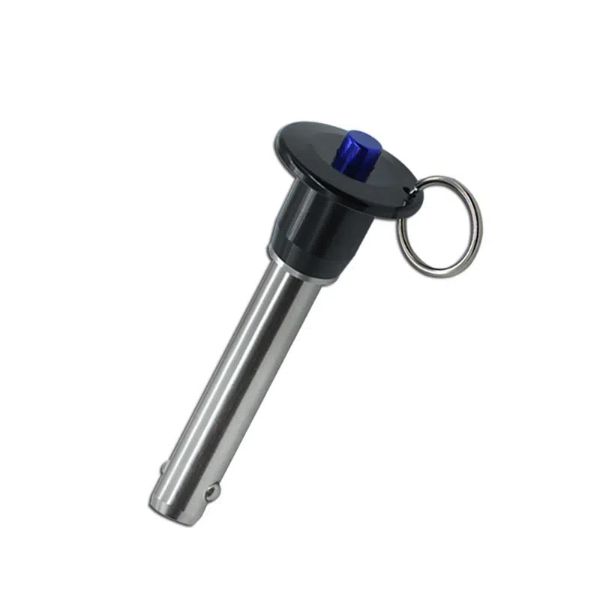
- Button Handle Pins: Feature a push-button mechanism for quick release, ideal for confined areas.
-
T-Handle Pins: Provide a comfortable grip, suitable for applications requiring frequent manual operation.
-
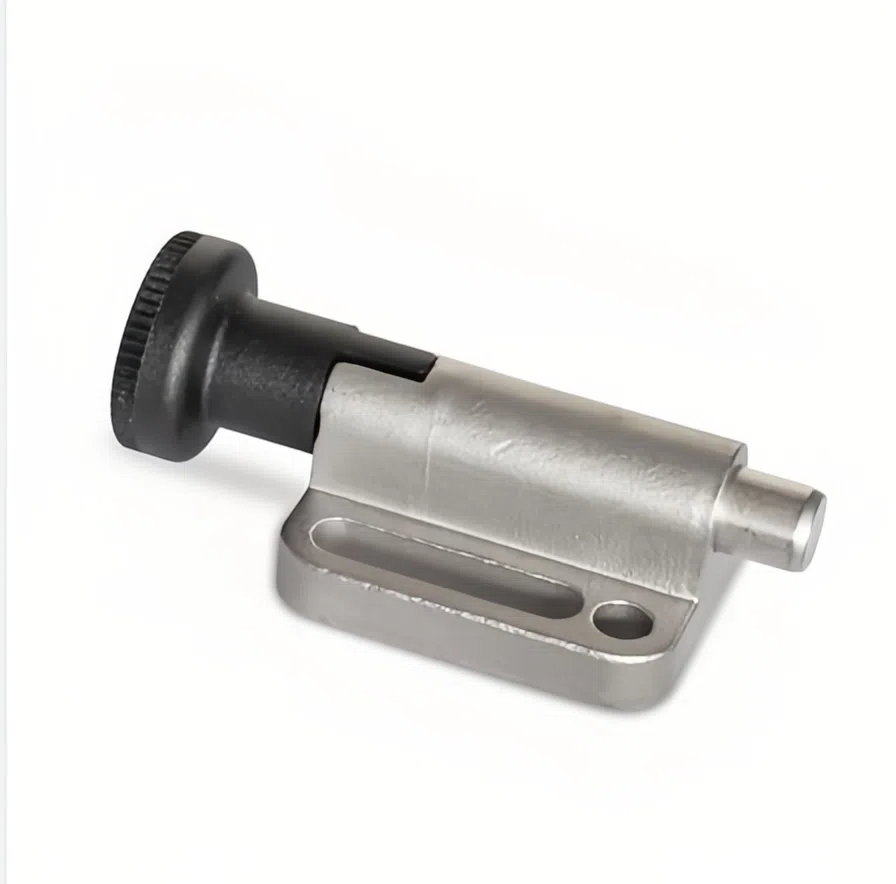
L-Handle Pins: Offer leverage for easy insertion and removal in tight spaces.
-
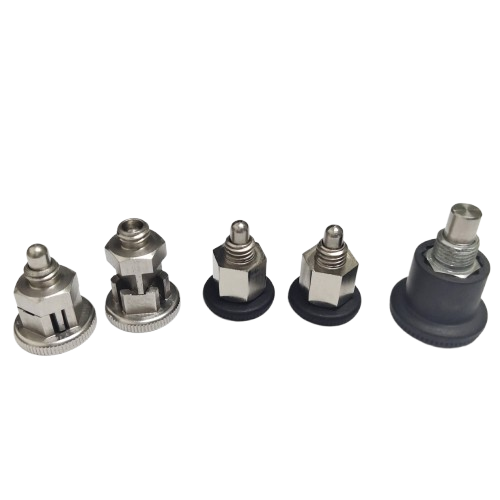
Stainless Steel Detent Pins: The whole quick release pin are made of stainless steel for the application of positioning and fastening.
-
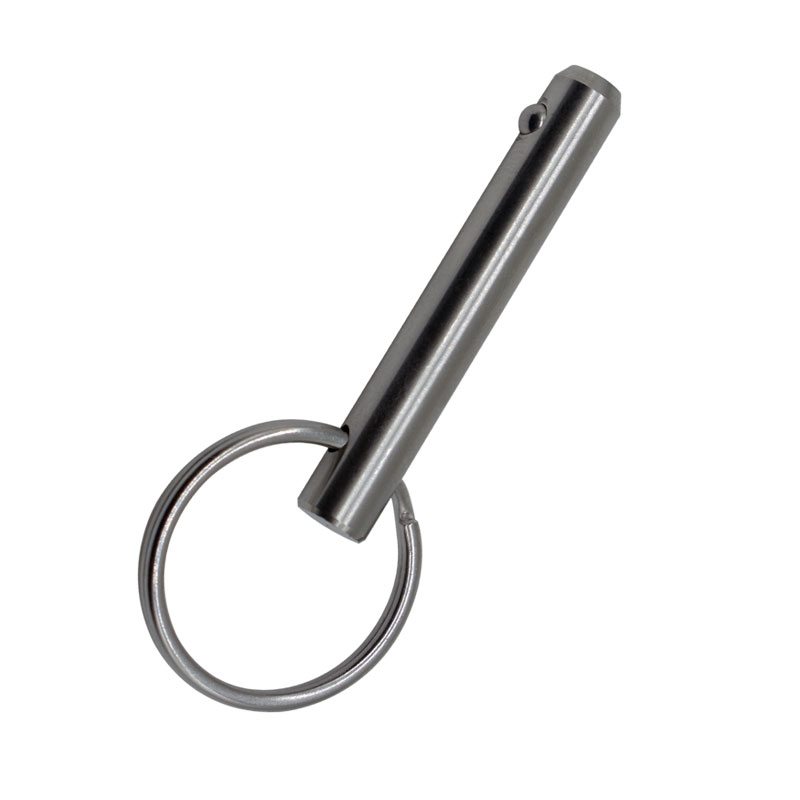
Ring Handle Pins: A ring on the top can be more easily to pull out while working.
- Aerospace: Securing aircraft interiors, panels, cargo holds.
- Automotive:Race car panels, seat adjustments, battery mounts, fast-change tools in repair garages
- Marine:Boat hatches, rigging, seat, security equipment, and removable fittings
- Medical:Adjustable beds,medical imaging devices, mobility aids, and surgical tables.
- Agricultural:Tractor attachments, fencing, plows, and harvest machines.
- Entertainment:Lighting rigs, camera mounts, stage structures, speaker line array
- Sports:Gym equipment, racing go-karts, camping gears.
- Construction:Buckets, blades,scaffolding,heavy machine.
-
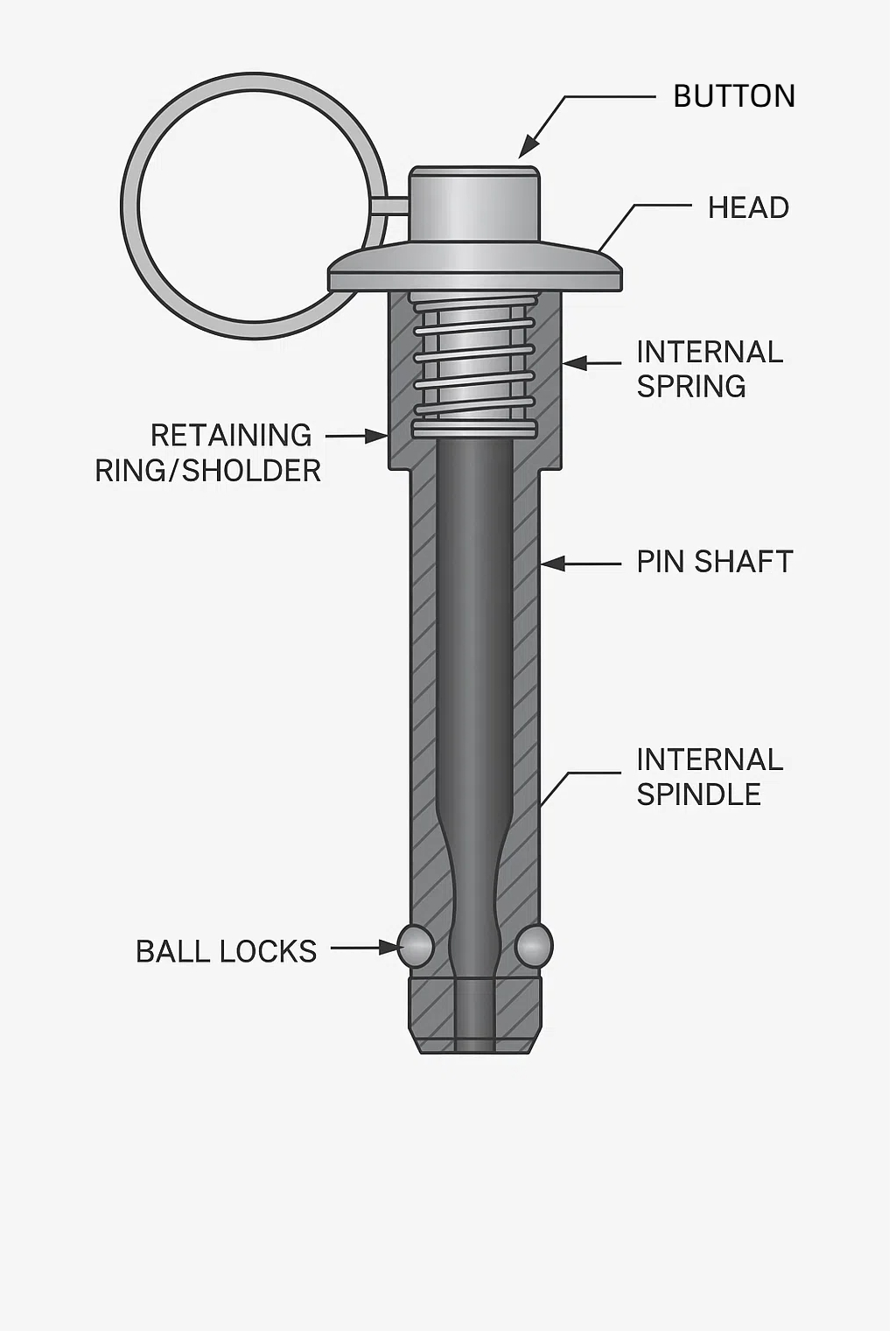
Head:
-
The fixed button component with various shapes to suit different applications
-
Features different configurations for diverse operational requirements
-
-
Button:
-
Located at the top of the pin head
-
Controls the locking mechanism of the pin
-
The primary actuator for release functionality
-
-
Ring:
-
Attached to the head (optional component)
-
Allows connection of lanyards/tethers to prevent loss
-
Can be secured to equipment or other fixed elements
-
-
Internal Spindle:
-
Moves synchronously with the button
-
Features a recessed bottom that aligns precisely above the ball lock
-
Transmits the button's motion to the locking mechanism
-
-
Internal Spring:
-
Compresses when the button is depressed
-
Forces the internal spindle downward
-
Provides the return force for resetting the mechanism
-
-
Pin Shaft:
-
Houses both the internal spindle and locking balls
-
The main structural body of the quick-release pin
-
Designed with precision tolerances for smooth operation
-
-
Retaining Collar:
-
Forms a barrier between the internal spring and pin shaft
-
Installed within the head assembly
-
Maintains proper component alignment
-
-
Ball Lock:
-
Protrudes from the pin shaft to provide positive locking
-
Positioned within the shaft beneath the spindle's recess
-
Engages/disengages via the spindle's vertical movement
-
This precision-engineered system converts simple button pressure into reliable mechanical locking action through coordinated movement of all internal components. The ball lock mechanism provides secure retention while allowing instantaneous release when needed. Explore quick release pins and learn about various types of quick release pins used in aerospace, automotive, and industrial applications for fast, secure, and efficient locking solutions.
Quick Release Mechanism-How Does A Quick Release Pin Work
What Is A Cnc Machine-Indexing Plunger Application in Cnc
Related Article