Self Locking Pin
Self-Locking Pins: A Breakthrough in High-Efficiency Fastening Solutions
Introduction: The Evolution of Fastening Systems
In a world driven by efficiency, safety, and modularity, the methods by which components are fastened together have evolved significantly. Among the most innovative fastening solutions in modern mechanical and structural design is the self-locking pin. This unique device combines the strength of traditional locking mechanisms with the convenience of tool-free, rapid assembly and disassembly.
From aerospace to medical equipment, construction, and advanced manufacturing, self-locking pins have become an essential component across numerous industries. This article will provide an in-depth overview of how self-locking pins work, their construction, key benefits, industry applications, material options, standard sizes, and more.
What Is a Self-Locking Pin?
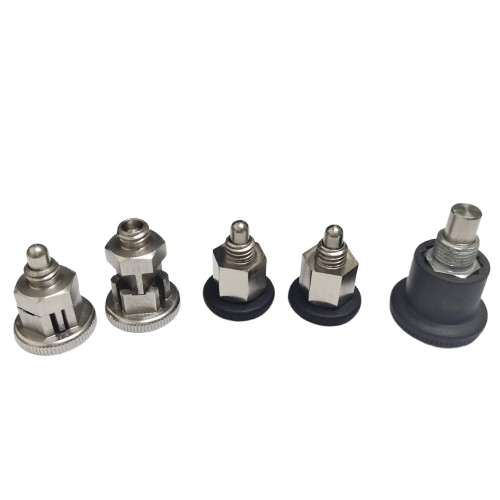
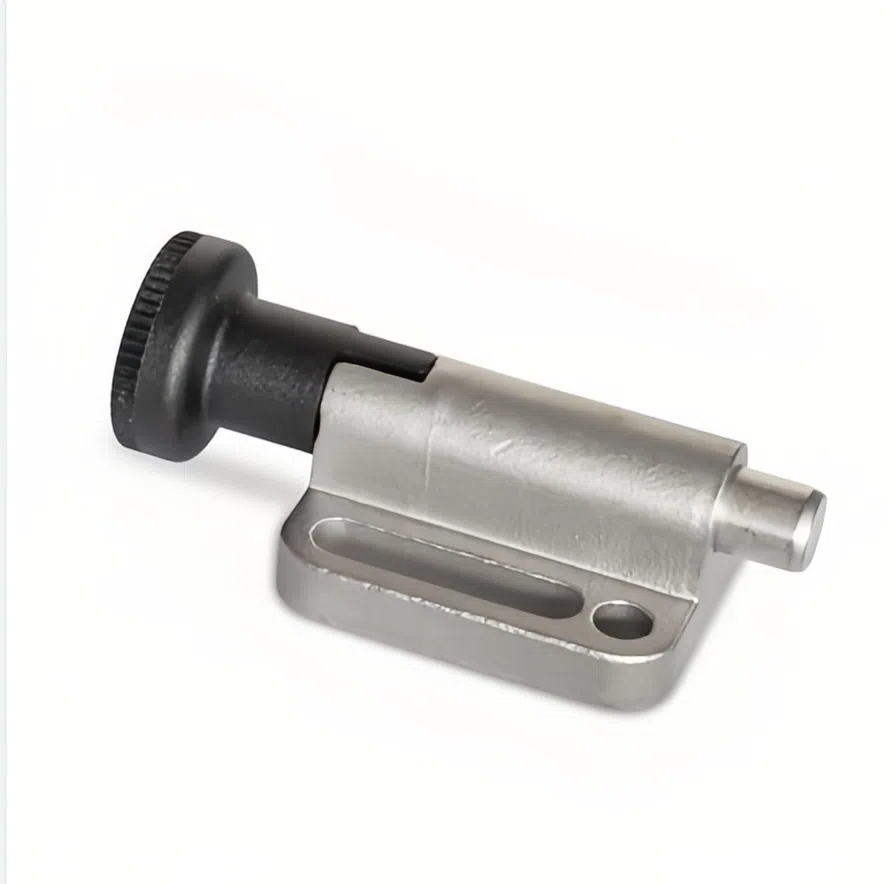
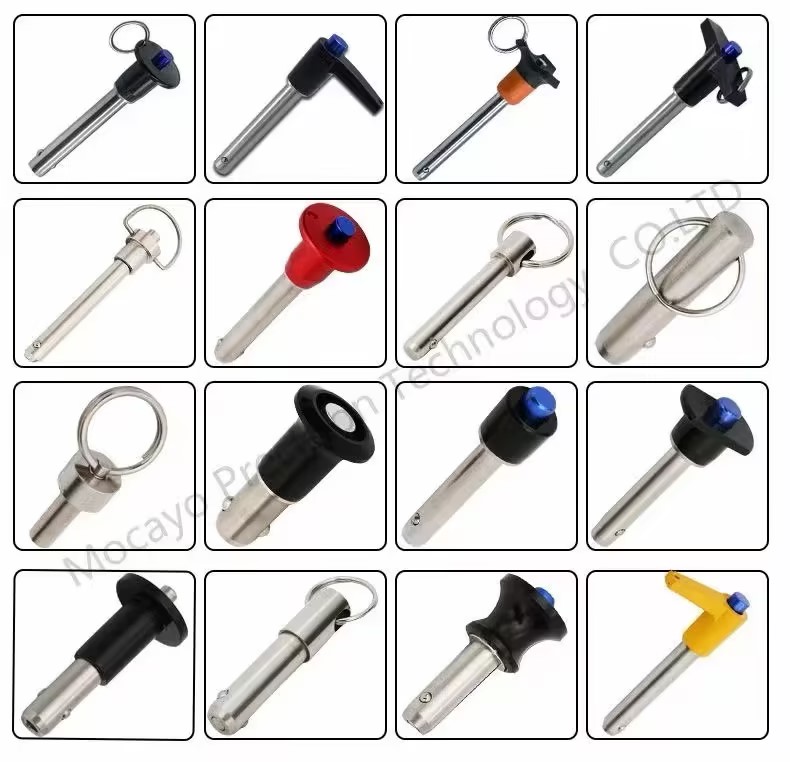
A self-locking pin, also known as an automatic locking pin or push-pull quick release pin, is a fastening component designed for rapid and secure engagement without the use of additional tools. The term "self-locking" refers to the mechanism inside the pin that automatically engages upon insertion and holds the pin firmly in place until a release action is performed.
Typically, self-locking pins feature:
-
A main pin body
-
A spring-loaded locking mechanism
-
Locking balls or a detent system
-
A button, ring, or handle to release the lock
These pins are widely used in applications that demand repeated assembly/disassembly, high retention strength, and user-friendly design.
How Does the Self-Locking Mechanism Work?
The defining feature of a self-locking pin is its automatic engagement once inserted. The mechanism usually operates as follows:
-
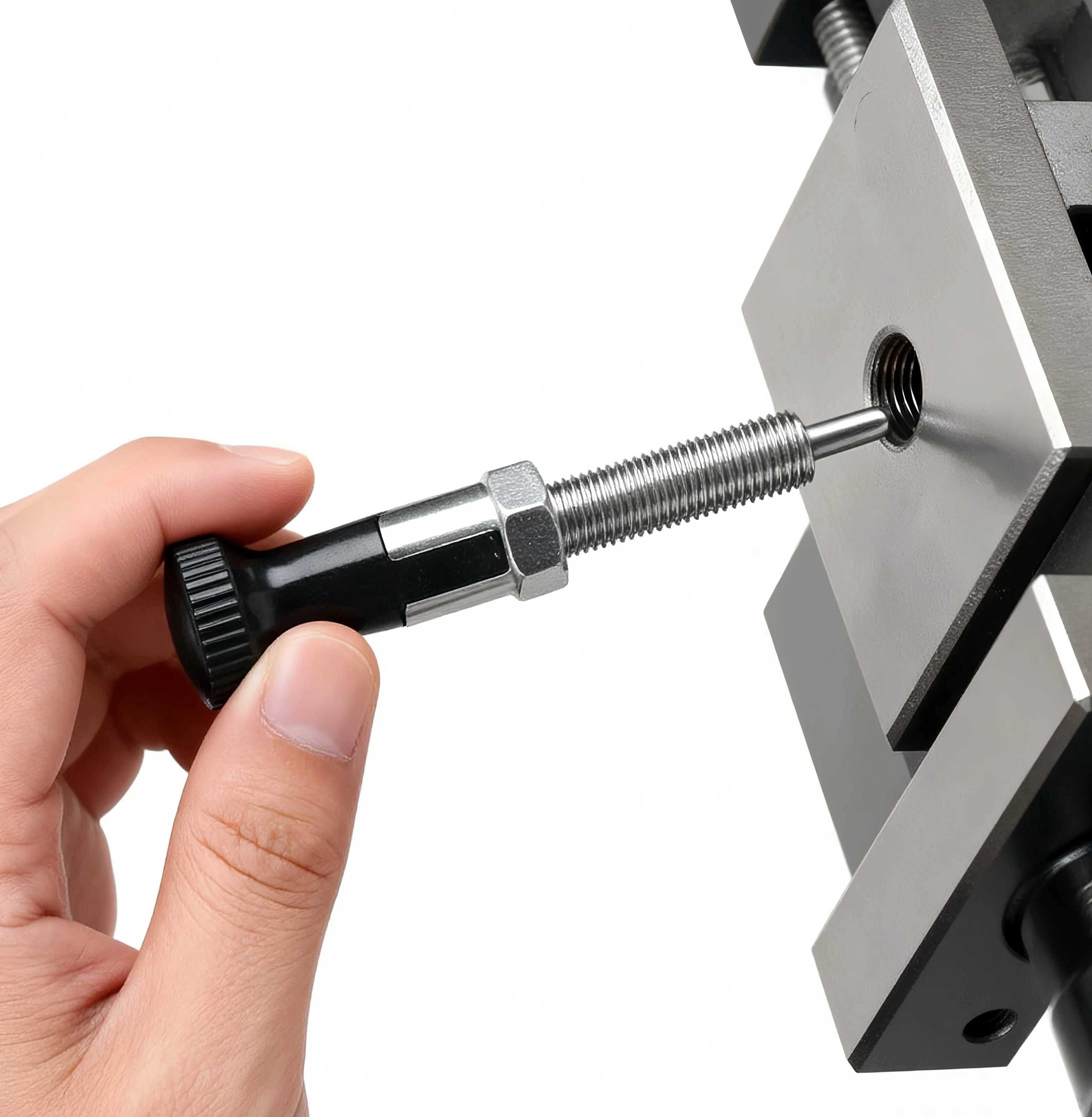
Insertion: The user pushes the pin through aligned holes of two or more components.
-
Automatic Locking: Upon full insertion, locking balls or a locking sleeve expand or snap into place, preventing the pin from being withdrawn unintentionally.
-
Release: A push button, pull ring, or T-handle is used to retract the internal locking mechanism, allowing the pin to be quickly removed.
This system eliminates the need for cotter pins, nuts, or other secondary locking parts, reducing assembly time and minimizing the risk of operator error.
Key Advantages of Self-Locking Pins
1. Tool-Free Operation
Operators can install or remove pins without the use of any hand tools, making the process quick and simple.
2. High Holding Strength
The locking mechanism provides a strong grip and resists accidental removal due to vibration or load.
3. Time & Labor Savings
Rapid changeovers increase efficiency in high-speed production environments or mobile systems.
4. Versatile Designs
Available in a wide range of sizes, materials, and handle styles, they adapt easily to many applications.
5. Compact and Lightweight
Efficient design makes these pins suitable for space-restricted areas and portable equipment.
6. Reusable & Durable
Engineered for long service life with corrosion-resistant materials and precision-manufactured components.
Common Applications of Self-Locking Pins
Aerospace
Used in cabin interior panels, seat locking systems, and maintenance jigs where quick access is crucial.
Automotive and Motorsport
Ideal for tool-free mounting of body panels, racing seats, and modular component installation.
Medical Equipment
Used in surgical tables, diagnostic devices, and quick-change assemblies due to their hygienic, easy-to-clean design.
Industrial Automation
Applied in robotic arms, jigs, fixtures, and conveyor systems for quick tooling swaps and position locking.
Military and Defense
Valued for their ruggedness and reliability in mission-critical hardware such as field equipment, transport vehicles, and weapon mounts.
Marine and Offshore Applications
Preferred in marine environments due to corrosion-resistant stainless steel construction and robust locking systems.
Types of Self-Locking Pins
1. Button-Handle Self-Locking Pins
Feature a push-button for release. Widely used in machinery, marine, and aerospace setups.
2. Ring Handle Pins
Designed for quick release using a pull-ring, suitable for field equipment and manual operations.
3. L-Handle and T-Handle Pins
Provide better grip and leverage, ideal for gloved users or high-torque applications.
4. Detent Pins
Offer a simpler locking solution using a spring-loaded ball that compresses and locks into place. Less secure than full ball-lock pins but suitable for light-duty applications.
Materials and Surface Finishes
Material selection is critical to ensure the pin performs well under various environmental and mechanical conditions.
| Component | Common Materials | Surface Finish Options |
|---|---|---|
| Pin Body | 17-4PH Stainless Steel, 303/316 SS, Carbon Steel | Passivated, Black Oxide, Zinc Plating |
| Locking Balls | Hardened Steel or SS | Polished or Coated |
| Springs | Music Wire, SS316 | Oil Treated, Heat Treated |
| Handle/Button | Aluminum, Stainless Steel, Nylon | Anodized, Painted, Polished |
Standard Sizes and International Norms
Self-locking pins are manufactured according to various international norms including DIN, ISO, NAS, and MS standards.
Standard Size Chart
| Pin Diameter (mm) | Grip Length Range (mm) | Ball Diameter (mm) | Handle Style Options |
|---|---|---|---|
| 5 | 10–40 | 2.0 | Button, Ring, T-Handle |
| 6 | 10–50 | 2.5 | All Types |
| 8 | 20–80 | 3.0 | Ring / Button |
| 10 | 20–100 | 4.0 | T-Handle Preferred |
| 12 | 30–120 | 5.0 | Heavy-Duty T-Handle |
| 16 | 40–150 | 6.5 | Custom CNC Style Available |
Note: Custom sizes, tolerances, and coatings can be offered upon request for OEM applications.
Custom Solutions and OEM Applications
At manufacturers like Mocayo Precision Technology Co., Ltd., customers can order self-locking pins tailored to their exact needs:
-
Special pin lengths and diameters
-
Custom handle shapes with company logos
-
Locking force adjustments
-
Dual-action or safety-lock designs
-
Colored anodizing for differentiation
This capability is especially important for sectors like aviation, medical, and robotics where precision and brand integration are vital.
Safety and Maintenance Considerations
Although self-locking pins are low-maintenance, a few simple practices will extend their lifespan:
-
Regularly inspect locking balls for wear or corrosion
-
Ensure the spring mechanism is responsive
-
Avoid dirt or grease buildup inside the locking cavity
-
Use correct replacement pins to match load and environment
For critical applications, manufacturers often provide traceability with serial numbers or lot coding, ensuring compliance with quality standards such as ISO 9001, AS9100, or FDA regulations.
The Future of Self-Locking Fastening Technology
Innovation in self-locking pins is continuing rapidly, with trends like:
-
Smart fasteners with sensors that confirm engagement
-
Lightweight composite pins for aerospace and EV applications
-
Electromechanical locking for automation systems
-
Eco-friendly manufacturing with recyclable materials and low-waste CNC processes
As industries move toward modular, flexible, and high-speed systems, self-locking pins will remain a cornerstone of precision engineering.
Simple, Secure, and Smart
The self-locking pin is more than just a fastener — it’s an elegant engineering solution designed for the modern world. It enhances productivity, ensures safety, and meets the growing demands for mobility and ease of use across industries.
For engineers, designers, and purchasing teams, choosing self-locking pins means investing in efficiency, durability, and innovation.
Whether you're building aircraft interiors, medical devices, robotic platforms, or modular furniture, this compact component offers unmatched value.
Discover our self-locking pins for secure and efficient fastening in industrial applications. Durable and reliable, they ensure smooth operation. Contact us for custom solutions tailored to your needs.
Quick Release Pin With Lanyard
Ball Locking Mechanism
Related Article