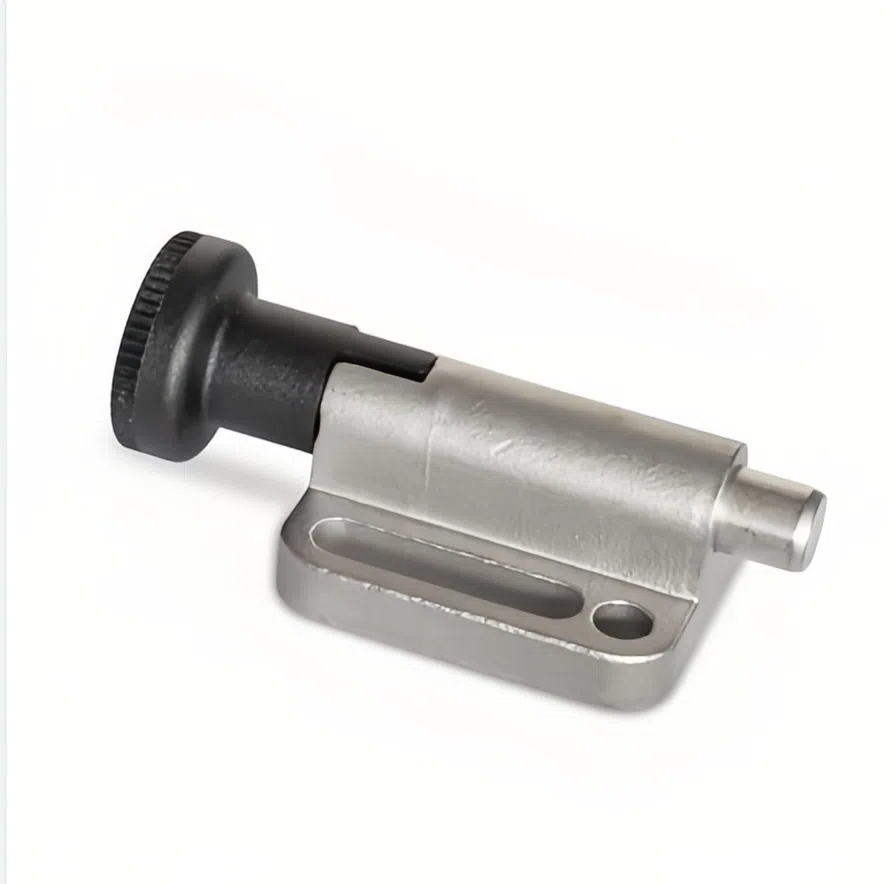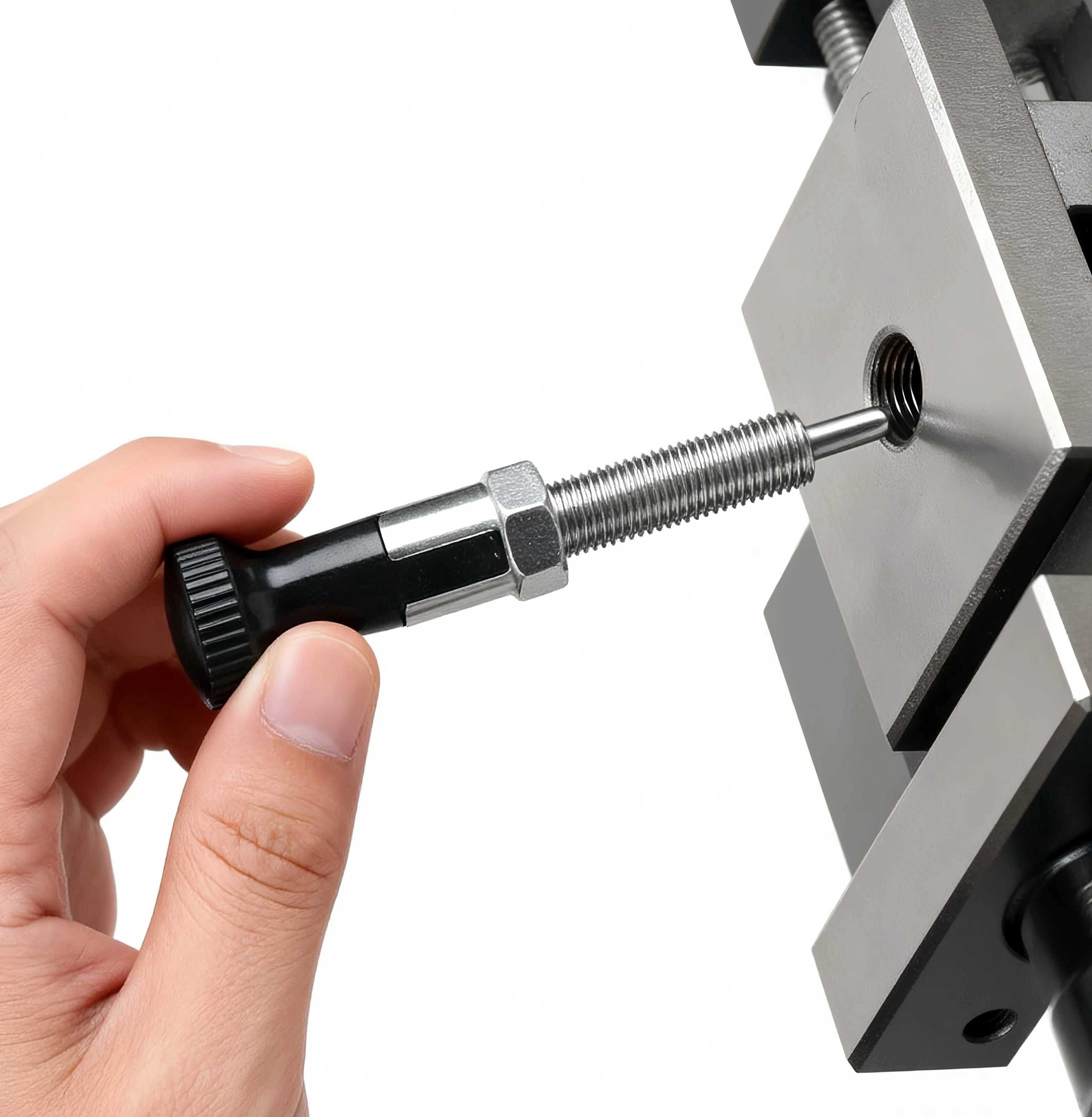
Side Thrust Pins
author: Lucia Liu
2025-03-25
Side Thrust Pins: The Unsung Heroes of Precision Lateral Load Management
Introduction
In the intricate world of mechanical engineering and industrial design, Side Thrust Pins have emerged as critical components for managing lateral forces in high-precision applications. These specialized pins play a pivotal role in everything from industrial automation systems to aerospace assemblies, providing reliable resistance against sideways forces while maintaining precise alignment. Unlike traditional pins designed primarily for axial loads, Side Thrust Pins are engineered specifically to withstand and distribute shear forces, radial loads, and moment stresses – making them indispensable in modern mechanical systems.
This in-depth article explores the engineering principles, material science, application scenarios, and selection criteria for Side Thrust Pins, offering valuable insights for design engineers and maintenance professionals.
What Are Side Thrust Pins?
Side Thrust Pins are precision-engineered cylindrical components designed to:
-
Absorb and distribute lateral forces in mechanical assemblies
-
Maintain alignment between mating components
-
Prevent wear in high-stress contact areas
-
Facilitate smooth motion in linear and rotational systems
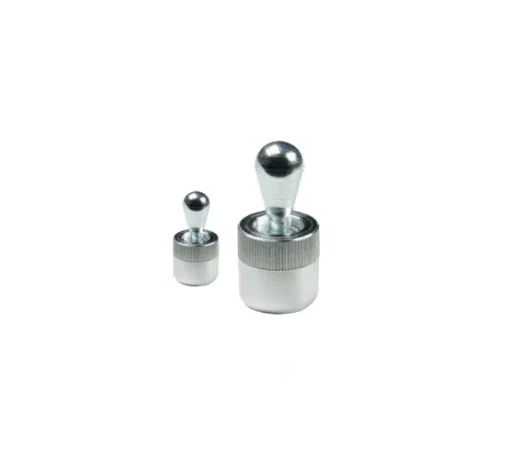
Key Design Features:
-
Hardened Contact Surfaces: Typically 58-62 HRC for wear resistance
-
Precision Ground Diameters: ±0.005mm tolerance common
-
Specialized Coatings: Options include TiN, DLC, or chrome plating
-
Relief Grooves: For lubrication retention and stress distribution
Technical Specifications & Standards
|
Parameter
|
Standard Grade
|
High-Performance Grade
|
|---|---|---|
|
Diameter Range
|
3mm - 50mm
|
1mm - 100mm
|
|
Length Range
|
5mm - 300mm
|
2mm - 500mm
|
|
Material
|
Case-hardened steel
|
Tungsten carbide
|
|
Surface Finish
|
0.4μm Ra
|
0.1μm Ra (mirror)
|
|
Load Capacity
|
500N/mm²
|
1,500N/mm²
|
|
Temperature Range
|
-20°C to +120°C
|
-196°C to +480°C
|
Common Standards:
-
DIN 6325 (Metric)
-
ANSI B18.8.2 (Imperial)
-
ISO 8734 (Dowel Pins)
Material Science Behind Side Thrust Pins
1. Alloy Steels (Standard)
-
Grades: AISI 52100, EN31
-
Treatment: Through-hardened to 60-62 HRC
-
Best For: General industrial applications
2. Stainless Steels
-
Grades: 440C, 17-4PH
-
Advantage: Corrosion resistance
-
Applications: Food processing, marine
3. Exotic Materials
-
Tungsten Carbide: Extreme wear resistance
-
Ceramic: For non-magnetic/EMI-sensitive uses
-
Bronze: Self-lubricating bushings
How Side Thrust Pins Work
Load Distribution Mechanism:
-
Force Application: Lateral load transfers to pin's cylindrical surface
-
Stress Distribution: Pin body spreads load across mating parts
-
Wear Management: Hardened surface resists deformation
-
Alignment Maintenance: Precision diameter keeps components positioned
Failure Prevention Features:
-
Radius Ends: Reduce stress concentrations
-
Oil Grooves: Maintain lubrication film
-
Fluted Designs: For rotational applications
Critical Applications
1. Industrial Robotics
-
Function: Joint pivot points in robotic arms
-
Challenge: Cyclic loading exceeding 1 million cycles
-
Solution: Tungsten carbide pins with DLC coating
2. Automotive Transmissions
-
Use Case: Gear alignment in dual-clutch systems
-
Requirement: <0.01mm runout at 8,000 RPM
-
Special Feature: Micro-polished surfaces
3. Aerospace Actuators
-
Application: Flight control surface linkages
-
Critical Need: Fatigue resistance under vibration
-
Standard: NASM 27595 compliant versions
4. Medical Equipment
-
Implementation: MRI machine components
-
Unique Demand: Non-magnetic materials
-
Solution: Ceramic or titanium pins
Selection Guide
Step 1: Load Analysis
-
Calculate expected shear forces
-
Determine required bearing surface area
Step 2: Environmental Factors
-
Temperature extremes
-
Chemical exposure
-
Cyclic vs. constant loading
Step 3: Motion Requirements
-
Static (press-fit) vs. dynamic (sliding) applications
-
Required surface finish
Step 4: Compliance Needs
-
Industry-specific standards
-
Certification requirements
Installation Best Practices
-
Hole Preparation:
-
Ream to H7 tolerance for press fits
-
Honing for sliding fits
-
-
Press-Fit Techniques:
-
Hydraulic press for diameters >10mm
-
Cryogenic shrinking for delicate assemblies
-
-
Lubrication:
-
Moly-disulfide for high loads
-
Dry-film lubricants for cleanrooms
-
Maintenance & Inspection
Preventative Maintenance Schedule:
-
Monthly: Visual inspection for scoring
-
Quarterly: Dimensional checks
-
Annually: Hardness testing
Failure Signs to Watch For:
-
Brinelling marks
-
Edge spalling
-
Discoloration from overheating
Innovations & Future Trends
-
Smart Pins
-
Embedded strain gauges for load monitoring
-
RFID tags for maintenance tracking
-
-
Advanced Coatings
-
Graphene-enhanced surfaces
-
Self-healing nanocomposites
-
-
Additive Manufacturing
-
Lattice structures for weight reduction
-
Custom geometries impossible with machining
-
Discover our side thrust pins for lateral support and precise positioning in industrial applications. Durable and reliable, they ensure smooth operation. Contact us for custom solutions tailored to your needs.
Side Thrust Pins represent a perfect marriage of mechanical simplicity and engineering sophistication. As machines become more powerful yet precise, these components will continue evolving with smarter materials, embedded sensors, and novel manufacturing techniques.
Quick Release Ball Lock Dowel Pin
Custom Machined Aluminum Parts
Related Article
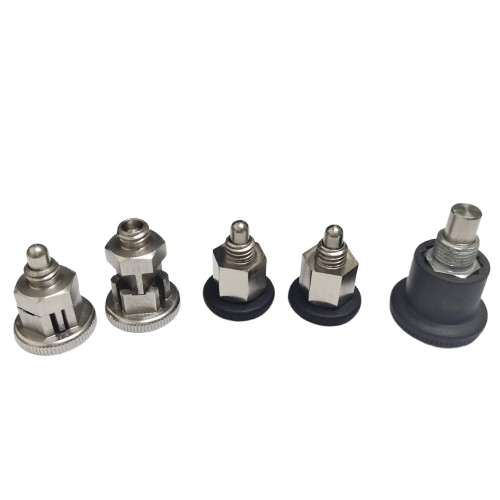
Explore the application of stainless steel materials for customizing mini indexing plungers based on specific operational environments and suitable spaces.
How To Make A Mini Indexing Plunger
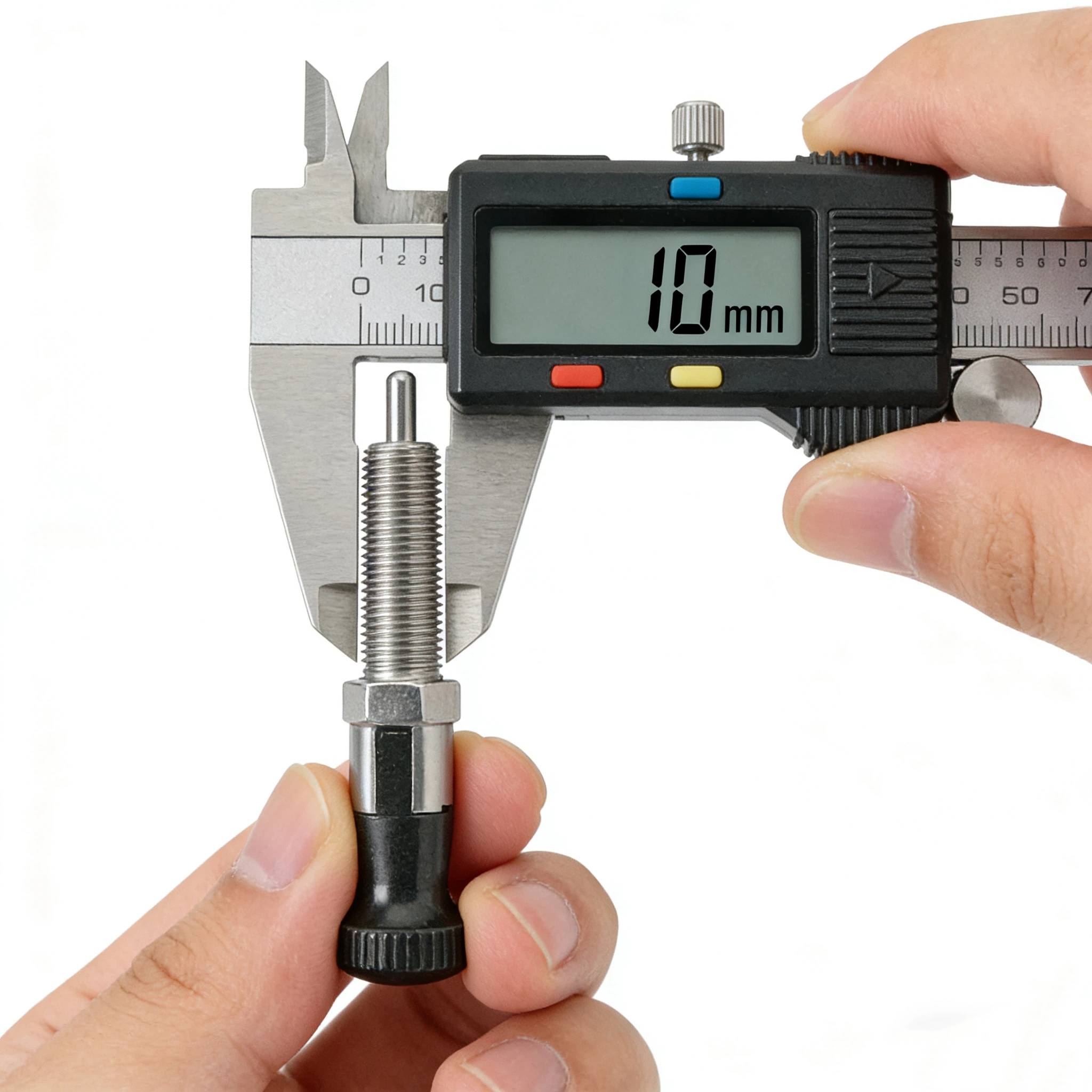
Discover how to choose correct size for indexing elements with confidence. Get precise recommendations that improve positioning accuracy, durability, and overall system performance.
How To Choose Correct Size For Indexing Elements