Spring Loaded Locating Pin
Understanding Spring Loaded Locating Pins: Precision in Positioning and Repeatability
Introduction
In the ever-evolving world of mechanical engineering and industrial manufacturing, precision and repeatability are non-negotiable. These two core principles are the foundation upon which high-quality production rests. One of the most effective yet underrated components that ensures this precision is the spring loaded locating pin. From automotive assembly lines to aerospace applications and precision tooling, these components play a pivotal role in part alignment, workpiece clamping, and fixture reliability.
This article explores the working principles, design features, applications, benefits, types, materials, and standards associated with spring loaded locating pins, delivering a comprehensive insight into why these simple yet powerful devices remain indispensable across countless industries.
What is a Spring Loaded Locating Pin?
A spring loaded locating pin is a type of mechanical fastener designed to locate, align, or position components within a manufacturing or assembly process. It features a spring mechanism that enables the pin to retract and extend easily. This spring action allows for smooth engagement and disengagement, making it ideal for operations that require frequent adjustments or repositioning of parts.
These pins are commonly used in tooling and fixture assemblies where precise part positioning and easy installation/removal are critical. The spring mechanism ensures a consistent force, enabling reliable indexing and repeatable alignment in high-tolerance environments.


Key Design Elements
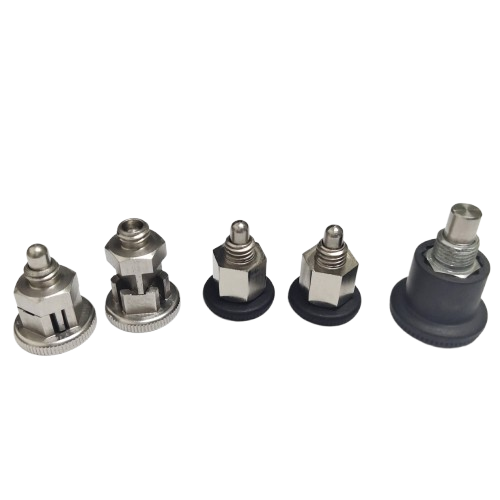
Spring loaded locating pins are engineered with specific structural components that enable their functionality:
-
Body Housing: Usually cylindrical, it holds the entire assembly and provides structural integrity.
-
Pin Shaft: The actual locating element that projects from the housing and interfaces with holes or slots in the workpiece.
-
Spring Mechanism: Provides the load and allows the pin to retract under force.
-
Knob or Button Head: In manual designs, allows easy operation by the user to retract or release the pin.
These design elements can vary depending on the application and industry-specific requirements.
Working Principle of Spring Loaded Locating Pins
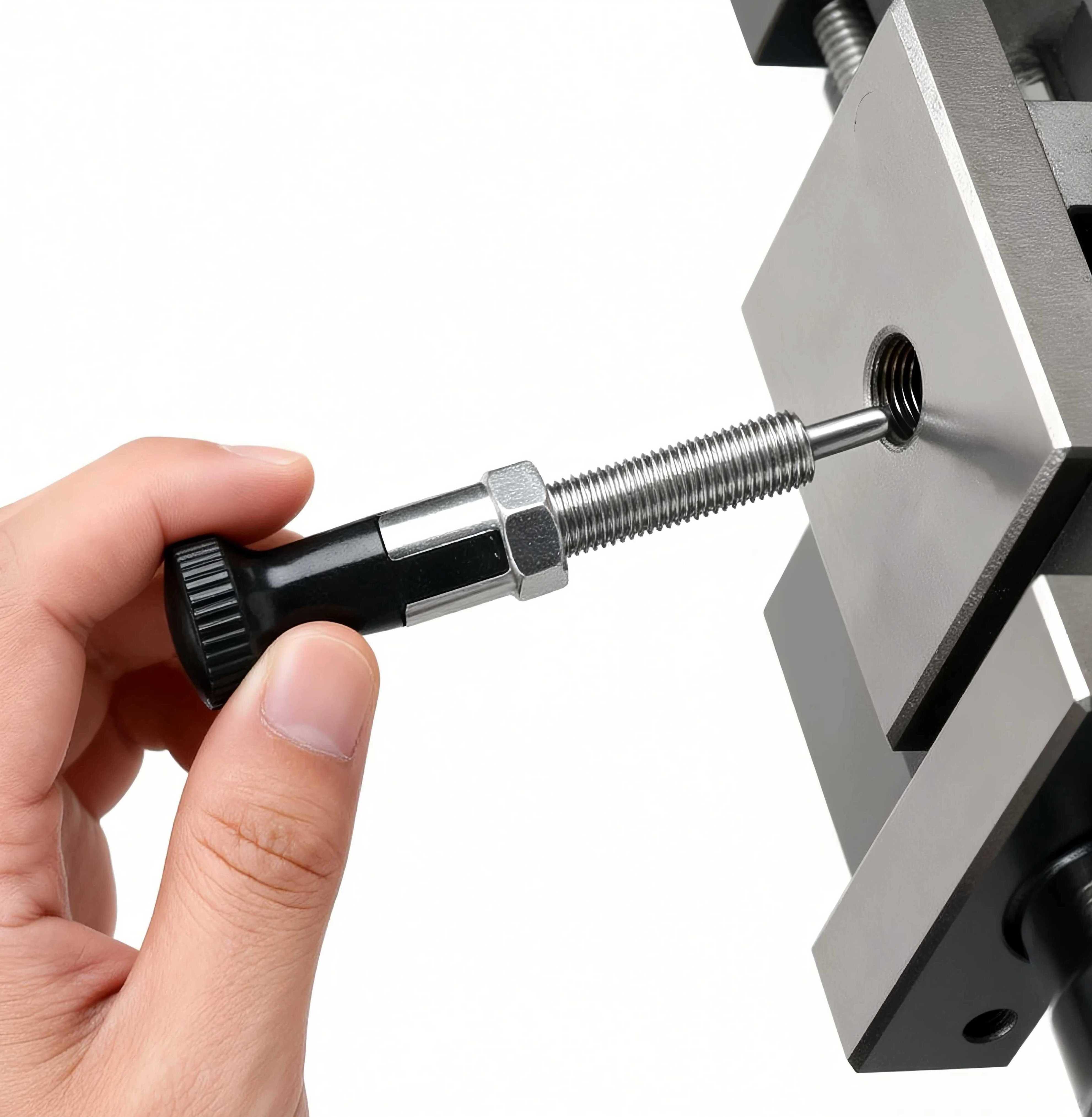
The operating principle is simple yet effective. When the operator applies force to the head of the pin (via a button, lever, or knob), the internal spring compresses, causing the pin shaft to retract into the housing. Once the force is released, the spring returns the pin to its extended position, re-engaging it with the hole or slot.
This operation enables quick engagement and disengagement while maintaining accurate alignment between components. The repeatability provided by the spring ensures consistency across multiple operations and production cycles.
Applications Across Industries
Spring loaded locating pins are versatile components used in a wide range of industrial applications:
1. Automotive Manufacturing
They are used in welding fixtures and assembly lines to position parts like chassis, door panels, and brackets with extreme precision. Quick engagement and disengagement help streamline assembly processes.
2. Aerospace Engineering
In aerospace component assembly, tight tolerances and critical alignment make spring loaded locating pins vital. They are used in jig and fixture design for aircraft skin panels and engine components.
3. Electronics Manufacturing
Miniaturized versions are used in PCB assembly and other delicate processes to accurately position boards and modules without damaging components.
4. Machining and Tooling Fixtures
CNC fixtures and jigs use locating pins to ensure that workpieces are always positioned correctly before cutting, drilling, or engraving operations begin.
5. Packaging Equipment
They provide repeatable alignment for forming and sealing operations in high-speed packaging machinery.
Benefits of Using Spring Loaded Locating Pins
Spring loaded locating pins offer multiple advantages that make them preferred in precision-oriented applications:
-
Quick and Repeatable Positioning: Ensures consistency in high-volume production runs.
-
Ease of Use: Spring operation allows for manual or automated pin retraction.
-
High Durability: Built with wear-resistant materials that endure thousands of cycles.
-
Minimal Downtime: Fast engagement and disengagement reduce setup times.
-
Design Versatility: Available in a variety of styles, sizes, and load capacities to meet diverse requirements.
Types of Spring Loaded Locating Pins
There are various types of spring loaded locating pins, categorized based on actuation method, mounting configuration, and application. Common types include:
1. Manual Spring Loaded Pins
These require the user to manually press a button or pull a knob to retract the pin. Ideal for applications that do not require automation.

2. Cam-Actuated Locating Pins
Use a cam lever to retract the pin, providing mechanical advantage and faster actuation.
3. Pneumatic or Hydraulic Spring Pins
These are retracted using external air or hydraulic pressure and are suitable for automated systems where human intervention is minimal.
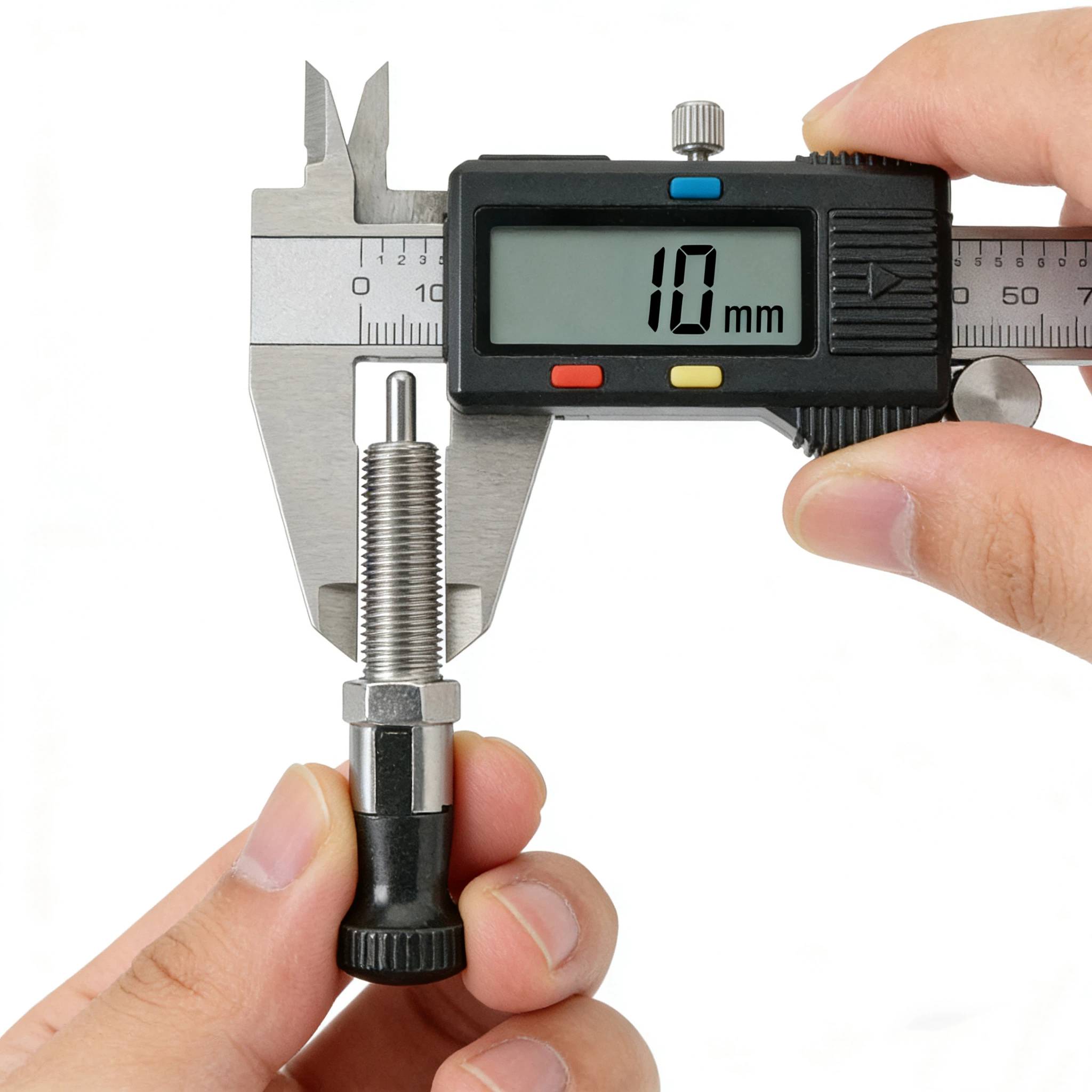
4. Threaded Spring Pins
These come with threaded bodies for easy installation into fixtures or base plates. Ideal for applications requiring firm, screw-in placement.

Materials and Surface Treatments
Material selection for spring loaded locating pins is crucial to ensure strength, wear resistance, and corrosion protection.
-
Body Material: Often made from stainless steel, alloy steel, or hardened tool steel depending on environmental and load requirements.
-
Spring Material: Typically spring steel or stainless spring wire to ensure resilience.
-
Surface Coatings: Zinc plating, black oxide, and passivation are commonly applied for corrosion resistance and improved durability.
Installation and Maintenance Guidelines
Correct installation is essential for optimal performance. Most pins are designed for press-fit or thread-in configurations. Key steps include:
-
Drill and Ream Mounting Holes to the recommended size and tolerance.
-
Install Pin Assembly using appropriate torque or press force.
-
Verify Operation by checking for smooth retraction and engagement.
Maintenance involves periodic inspection for wear, cleaning to remove debris, and lubricating moving parts if needed.
Standard Sizes and Dimensional Chart
Spring loaded locating pins are available in various standard sizes to meet global engineering requirements. Below is a typical size table for reference:
| Pin Diameter (mm) | Retracted Length (mm) | Extended Length (mm) | Thread Size (if applicable) |
|---|---|---|---|
| 5 | 15 | 20 | M6 |
| 6 | 16 | 22 | M8 |
| 8 | 20 | 28 | M10 |
| 10 | 22 | 30 | M12 |
| 12 | 25 | 35 | M16 |
Custom sizes and metric/imperial conversions are also widely available depending on the manufacturer.
Selection Criteria
Choosing the right spring loaded locating pin involves evaluating several factors:
-
Load Requirements: Understand the mechanical load the pin will encounter.
-
Cycle Frequency: Consider the number of engagements per day.
-
Operating Environment: Evaluate exposure to moisture, chemicals, or temperature extremes.
-
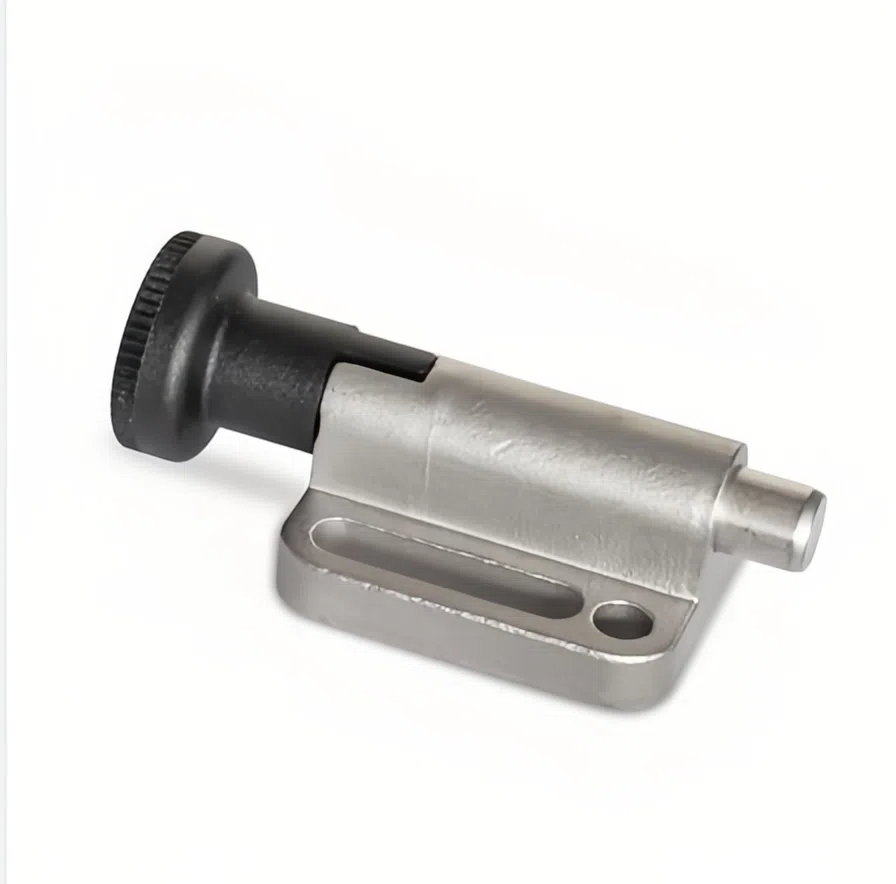
Mounting Method: Select between press-fit, threaded, or flange mount based on fixture design.
-
Head Style: Choose knob, ring, or button head depending on ergonomics and space constraints.
Global Standards and Compliance
Many manufacturers adhere to international standards such as:
-
DIN (German Institute for Standardization)
-
ISO (International Organization for Standardization)
-
ASME (American Society of Mechanical Engineers)
Compliance with these standards ensures compatibility, quality assurance, and safety across international markets.
Future Trends and Innovations
As industries move toward smart manufacturing and automation, the role of intelligent fastening systems, including smart locating pins with sensors for position feedback, is gaining traction. New materials like lightweight alloys and composite bodies are also being adopted to meet modern performance requirements.
In addition, additive manufacturing (3D printing) is beginning to influence the prototyping of spring loaded pins, enabling rapid development of customized shapes and load characteristics.
Enhance your hardware with spring loaded locating pins, offering precise positioning and secure fastening for industrial, automotive, and machinery applications. Durable, reliable, and easy to use—perfect for efficient operations.
The spring loaded locating pin might seem like a small component, but its role in precision alignment, rapid part changeover, and consistent production quality is enormous. Its design, versatility, and performance continue to evolve, making it a staple in modern manufacturing processes.
From improving operational efficiency to reducing downtime, these pins offer a reliable solution in countless applications across automotive, aerospace, electronics, and general industrial manufacturing. As demand for efficiency and repeatability grows, spring loaded locating pins will remain a key enabler in the quest for perfection.
Aluminum Cnc Parts
How Does A Spring Plunger Work
Related Article