Spring Loaded Locking Pin
Understanding the Versatility of Spring Loaded Locking Pins in Modern Engineering
Introduction
In the world of mechanical engineering, where precision, reliability, and speed are paramount, components that offer efficient locking and fastening solutions are indispensable. Among these, Spring Loaded Locking Pins have emerged as critical elements in a wide array of industries—from aerospace to automotive, industrial machinery to consumer products.
This article delves into the functionality, applications, advantages, design variations, and industry standards of spring loaded locking pins, revealing how this small component plays a significant role in innovation and operational efficiency.

What is a Spring Loaded Locking Pin?
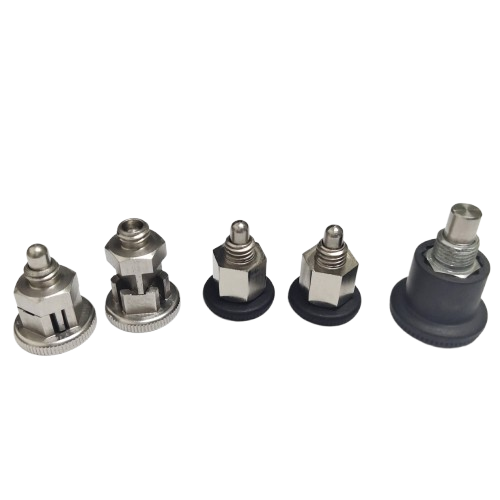
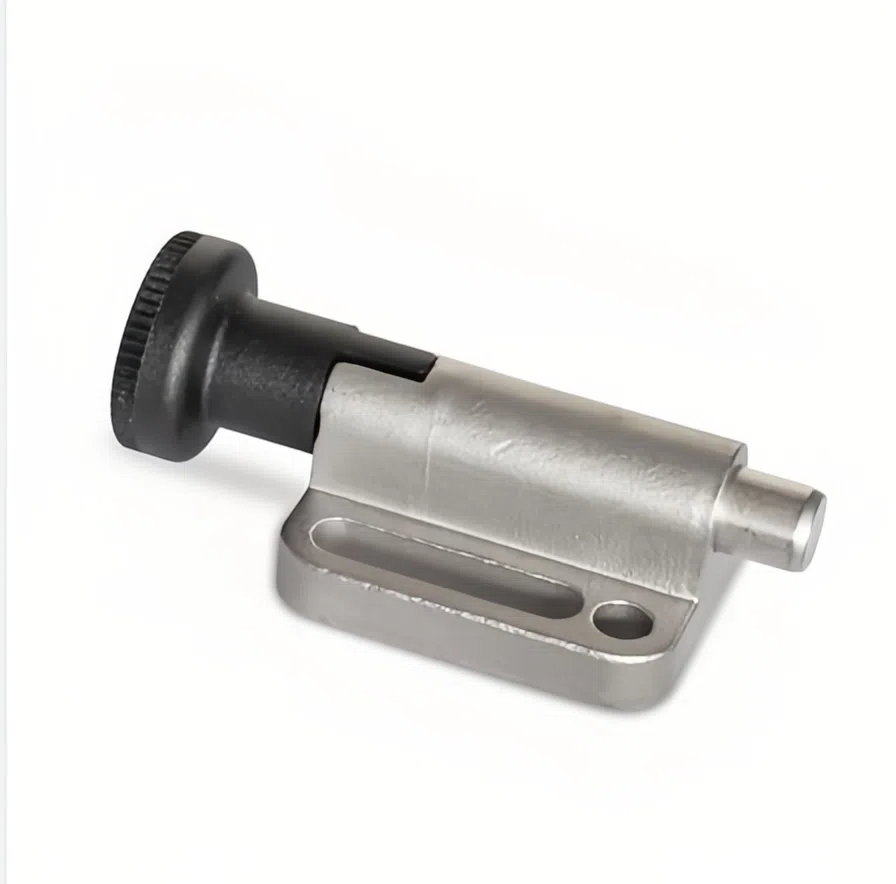
Spring loaded locking pins are mechanical fasteners that incorporate a spring mechanism to lock or hold components in place. They typically feature a pin body, spring, and a locking or releasing actuator, such as a push or pull handle. These pins are designed to offer quick and secure engagement and can be manually or automatically operated depending on the application.


Key Features and Functional Design
Spring loaded locking pins are known for several structural and functional characteristics:
-
Quick Engagement and Release: Users can lock or release components with minimal effort.
-
Positive Locking Mechanism: Prevents accidental disengagement.
-
Durability: Made from materials like stainless steel, carbon steel, or aluminum for corrosion resistance and strength.
-
Compact Design: Fits into tight spaces while offering robust performance.
-
Versatility: Can be customized in size, head type, handle style, and load capacity.
How Do Spring Loaded Locking Pins Work?
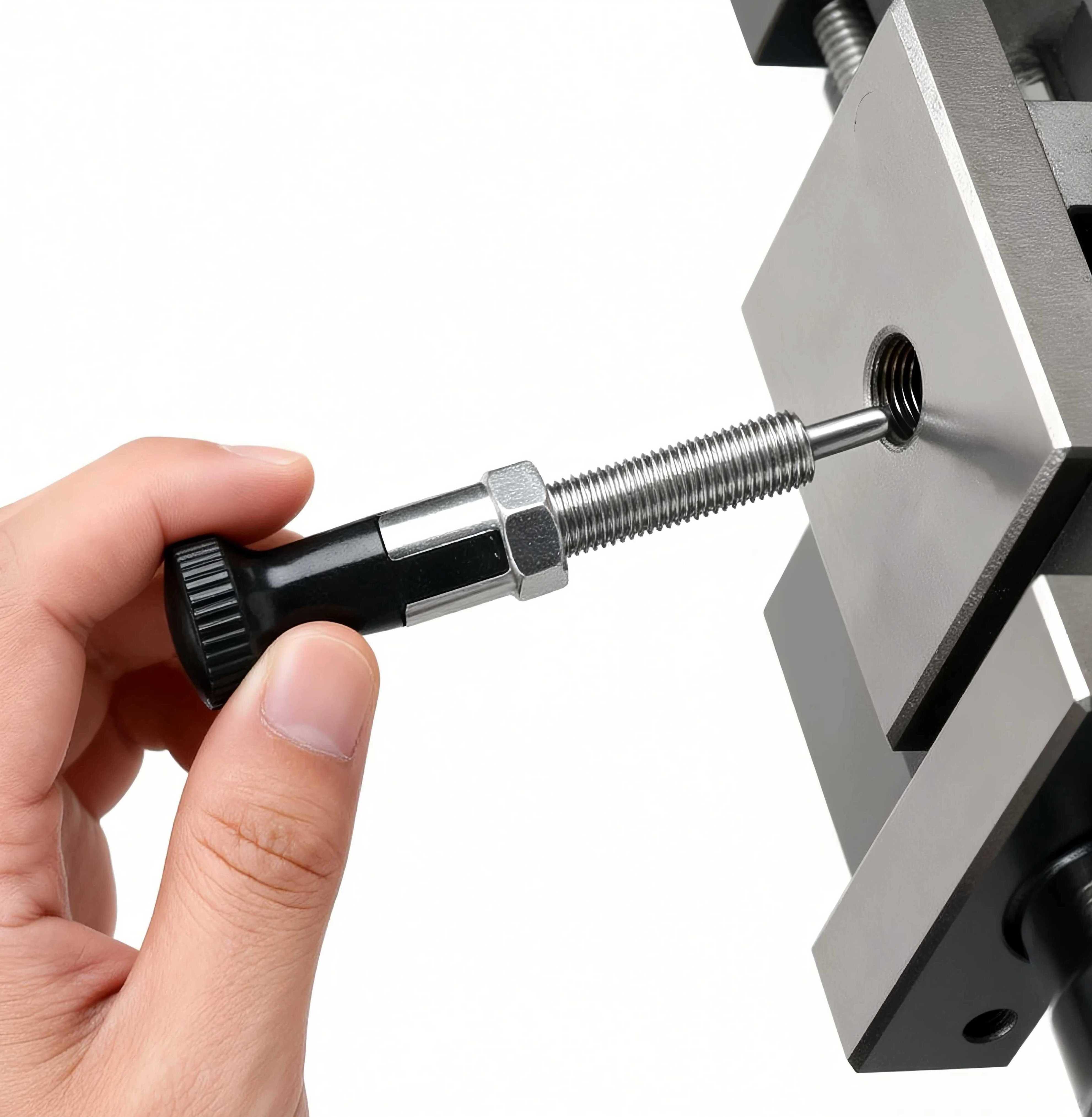
The working principle is relatively straightforward. A spring is housed inside the pin body. When the user pushes or pulls the actuator, it compresses the spring and retracts the locking pin. When released, the spring forces the pin to extend and engage into a designated hole or slot, locking two components together. Some models include a locking detent or ball mechanism for added safety.
Applications Across Industries
1. Aerospace Engineering
Spring loaded locking pins are used to secure panels, doors, and access hatches. The aviation industry relies on their high strength-to-weight ratio and quick actuation for safety and efficiency.
2. Automotive Manufacturing
They are used in car seat assemblies, engine bays, and test fixtures, where quick installation and repositioning of parts is required during production or repair.
3. Industrial Machinery
In factories and heavy-duty equipment, these pins serve as positioning or indexing tools that allow operators to adjust components without disassembling equipment.
4. Medical Devices
Miniature spring locking pins are found in surgical and diagnostic equipment where precision, hygiene, and rapid operation are essential.
5. Marine and Outdoor Equipment
Due to their corrosion-resistant materials, they are used in boats, trailers, and outdoor machinery to secure joints and allow for tool-less operation.
Types of Spring Loaded Locking Pins
Spring loaded locking pins are not one-size-fits-all. They come in various types, each tailored for specific use cases.
T-Handle Locking Pins
Ideal for applications requiring frequent removal and reinsertion, offering a strong grip and ease of use.
Ring Handle Locking Pins
Popular in aerospace and automotive, these can be quickly pulled out for component detachment.
Button Lock Pins
Include a push-button mechanism that controls the spring action—widely used in equipment that requires safety locking features.
L-Handle and Knob Pins
These are suited for manual operations where torque or control is required during pin actuation.
Advantages of Using Spring Loaded Locking Pins
The benefits of spring loaded locking pins extend beyond ease of use:
-
Efficiency: Reduces assembly and disassembly time
-
Safety: Prevents unexpected disengagement
-
Flexibility: Adaptable to a wide range of applications and industries
-
Reusability: Durable design allows for multiple uses
-
Corrosion Resistance: Stainless steel and other coatings extend life in harsh environments
Materials and Finishes
Depending on the application and environment, spring loaded locking pins are manufactured using:
-
Stainless Steel (304/316): For high corrosion resistance
-
Carbon Steel with Zinc or Black Oxide Coating: Ideal for indoor or dry conditions
-
Aluminum: Lightweight applications, often anodized for strength and aesthetics
-
Plastic or Composite Components: For low-load or non-conductive requirements
Customization Options
Manufacturers like Mocayo Precision Technology Co., Ltd. offer customization in:
-
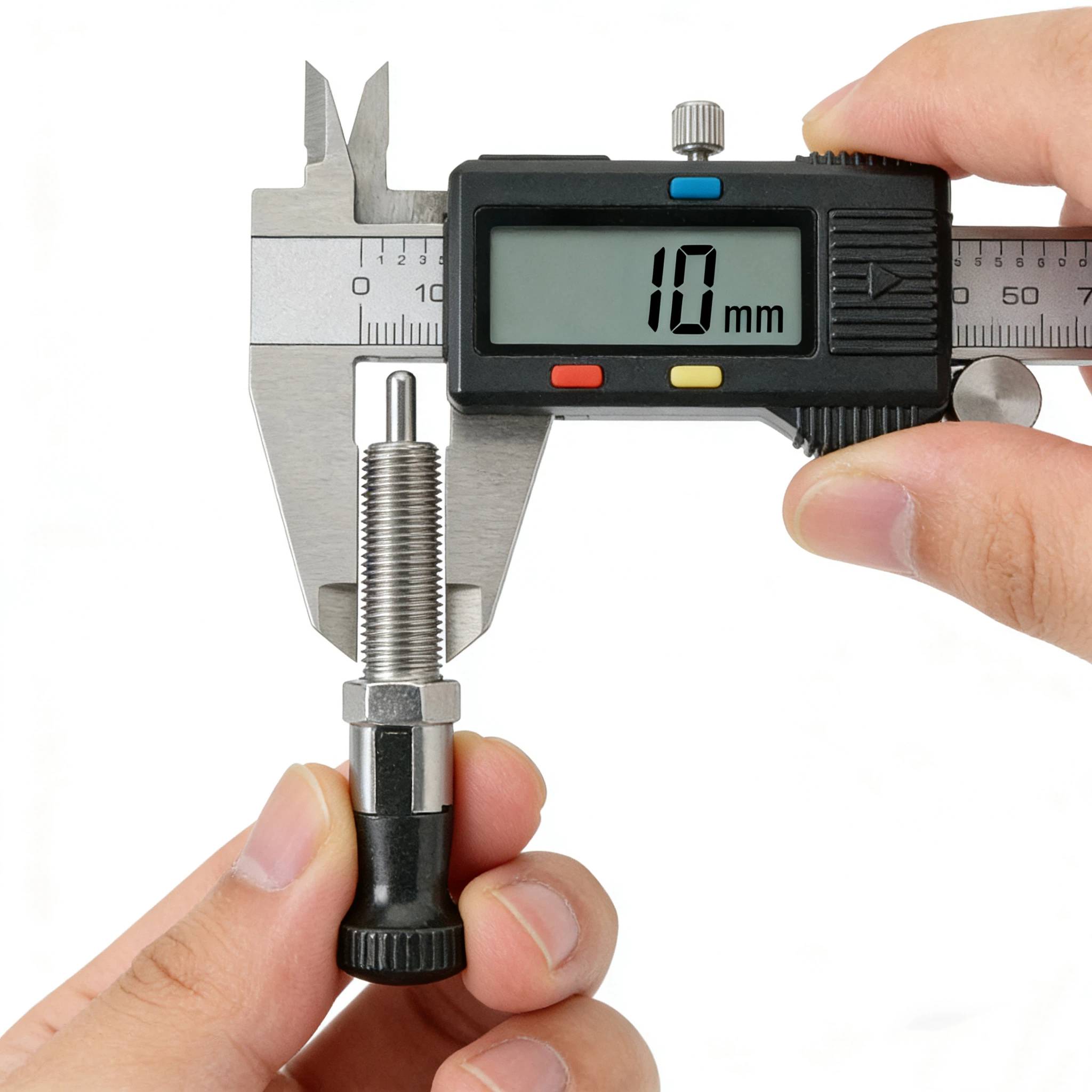
Pin Diameter and Length
-
Spring Tension and Stroke Length
-
Head and Handle Designs (T-handle, Ring, Button, Knob)
-
Threaded or Press-fit Styles
-
With or Without Lanyards
Customization is crucial for OEMs or engineers who require precision-fit components in their assemblies.
International Standards and Compliance
To ensure interchangeability, safety, and quality, many spring loaded locking pins comply with international standards, including:
-
DIN Standards (Germany)
-
ISO Standards (International)
-
ANSI/ASME Standards (USA)
-
RoHS and REACH Compliance for environmental safety
Standardization also allows for easy global sourcing and consistency in production.
Installation and Maintenance Tips
While spring loaded locking pins are generally low maintenance, some practices ensure long-term functionality:
-
Keep Pins Clean: Dirt and grime can impact spring action.
-
Inspect Springs Regularly: Especially in high-cycle applications.
-
Lubrication: Apply appropriate lubricant in non-sealed environments.
-
Replace Damaged Pins Immediately: Compromised pins can cause mechanical failures.
Comparison with Other Locking Mechanisms
| Feature | Spring Loaded Locking Pins | Cotter Pins | Bolts with Nuts | Detent Pins |
|---|---|---|---|---|
| Speed | Very fast | Slow | Moderate | Fast |
| Reusability | High | Low | High | Medium |
| Safety | High | Medium | High | Low |
| Tools Required | No | Yes | Yes | No |
| Application Flexibility | High | Low | High | Medium |
Market Trends and Demand
The global demand for spring loaded fastening solutions is rising due to:
-
Automation and Smart Manufacturing
-
Lightweight and Modular Designs in Aerospace
-
Increased Focus on Safety and Efficiency
-
Growth in DIY and Repair Markets
Suppliers and manufacturers must cater to these demands by offering innovative designs, faster lead times, and custom-engineered solutions.
Use Case Study: Aerospace Ground Support Equipment
A major aerospace ground equipment manufacturer integrated stainless steel spring loaded locking pins into their tool carts and service panels. The result was a 25% reduction in assembly time, increased operator safety, and better inventory tracking thanks to integrated lanyards.
Enhance your hardware with spring loaded locking pins, designed for secure and quick-release fastening in industrial, automotive, and machinery applications. Durable, reliable, and easy to use for seamless operations.
Though small in size, Spring Loaded Locking Pins are engineering workhorses. Their ability to offer fast, secure, and reliable connections makes them indispensable in industries that value efficiency, precision, and safety.
With manufacturers like Mocayo Precision Technology Co., Ltd. offering tailored solutions, and increasing demand across sectors, the future for this modest component looks promising. For designers, engineers, and procurement professionals, investing in quality spring loaded locking pins can significantly enhance system integrity and user experience.
Spring Pull Pin
Pin Pull Spring Loaded Pull Pin
Related Article