Spring Loaded Pin Lock
Spring Loaded Pin Lock: The Next Evolution in Secure, Efficient Fastening Solutions
Introduction
In today’s high-performance industrial world, where precision, safety, and speed are critical, the demand for advanced fastening components has never been higher. Among the most essential of these are Spring Loaded Pin Locks — versatile, compact mechanical devices that provide secure, repeatable locking and quick-release functionality in a wide range of applications.
This article dives deep into the design, function, types, materials, benefits, and industrial applications of Spring Loaded Pin Locks, highlighting why they are a vital solution for engineers, designers, and maintenance professionals alike.


What is a Spring Loaded Pin Lock?
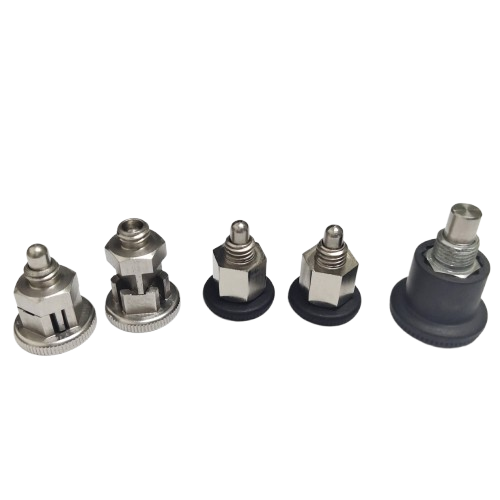
A Spring Loaded Pin Lock is a mechanical device designed to secure two or more components together temporarily or semi-permanently. The design typically includes a retractable pin that is pushed outward by an internal spring. When engaged, the pin locks the component in place; when retracted, it allows for quick and easy disassembly or repositioning.
These locking pins are engineered for quick, tool-free operation, and are commonly found in applications where frequent adjustments, positioning, or part removal is required.
How Spring Loaded Pin Locks Work
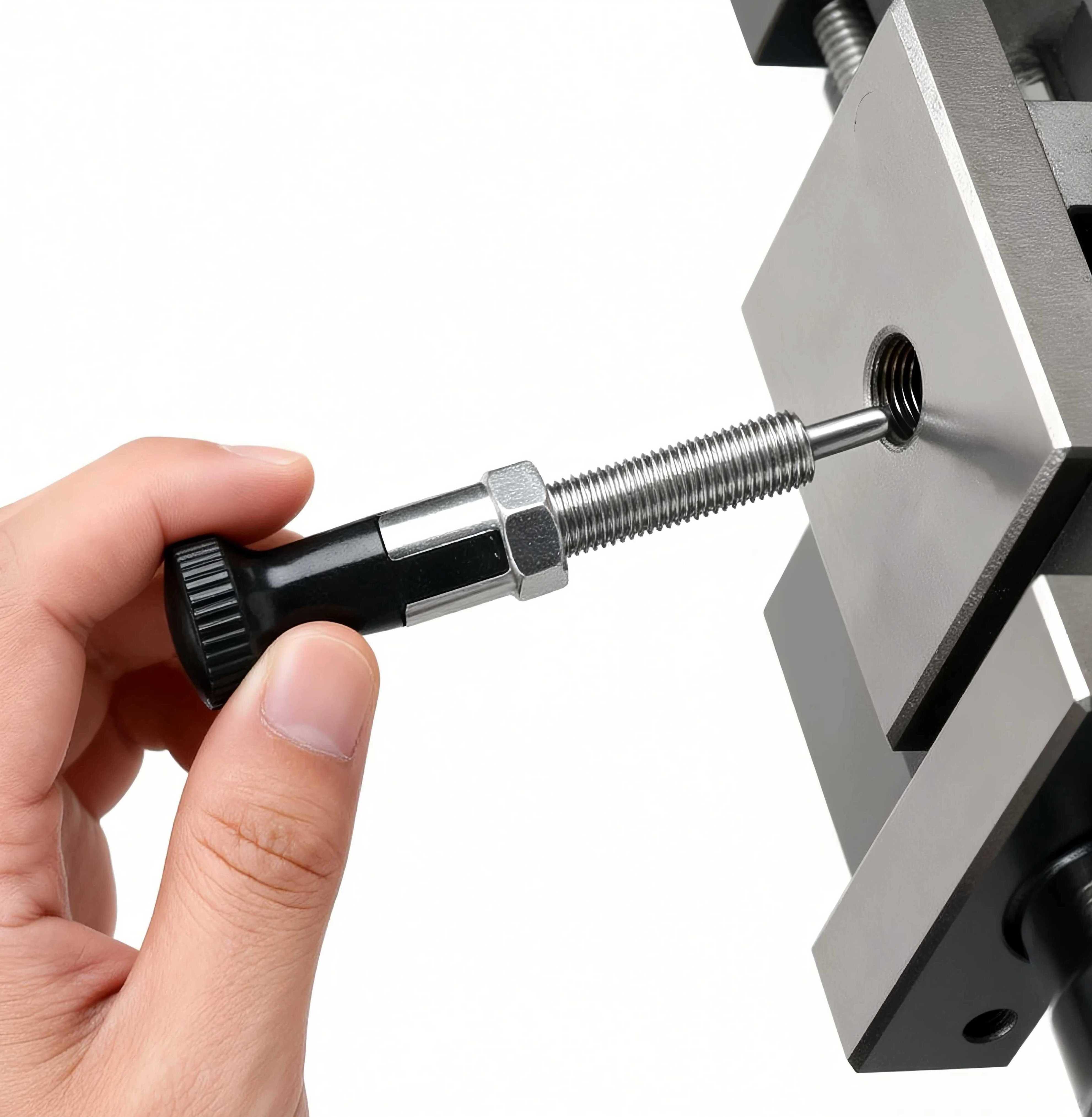
The basic operation of a spring loaded pin lock involves:
-
Compression of a spring to retract the pin.
-
Insertion into a designated hole or slot on a mating part.
-
Automatic extension of the pin when the spring force is released, locking it into place.
Some designs may include ball detents, locking handles, or threaded collars to provide extra holding strength or retraction control.
Key Components of a Spring Loaded Pin Lock
-
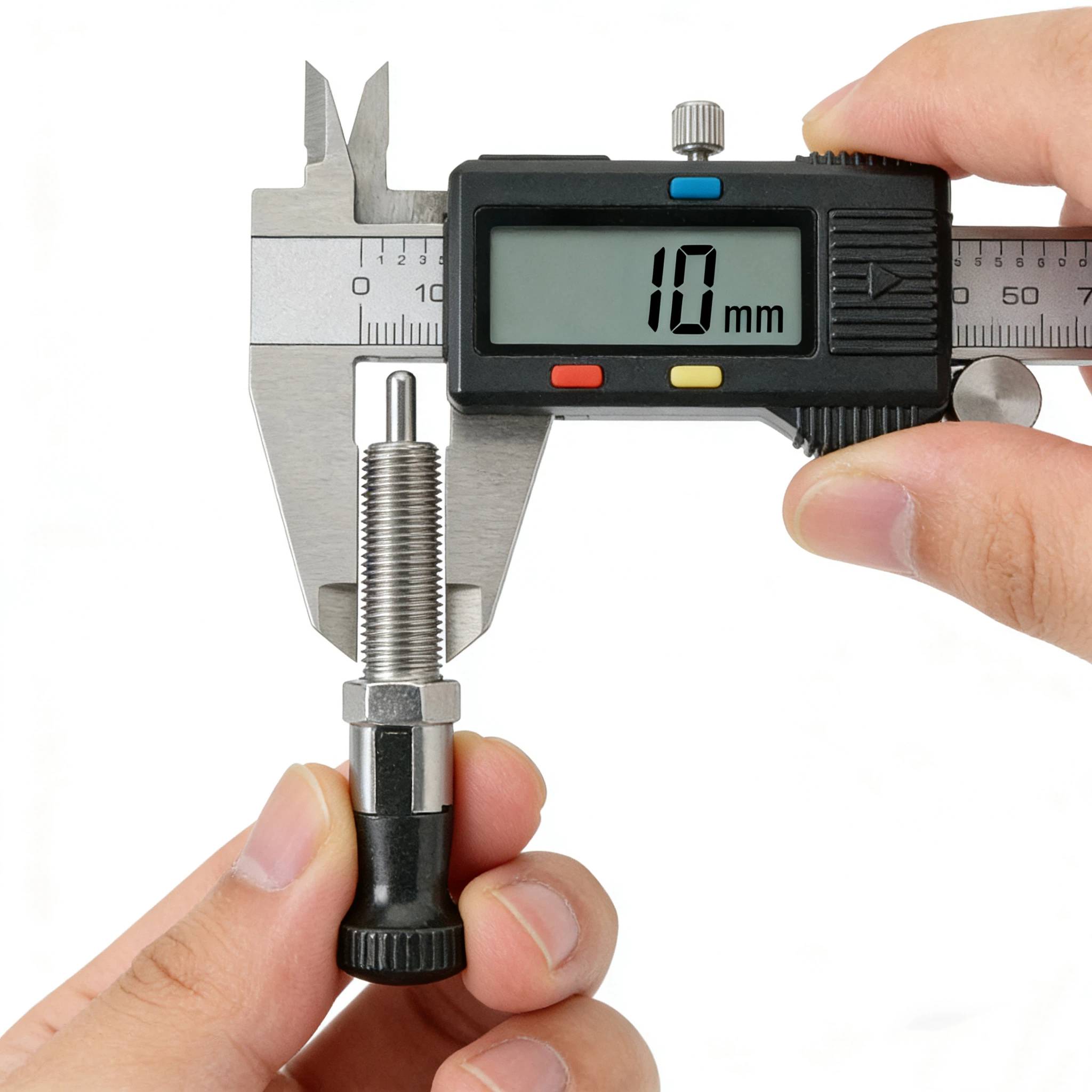
Pin (Plunger) – The central locking element that engages with the mating part.
-
Spring Mechanism – Provides constant pressure to extend the pin.
-
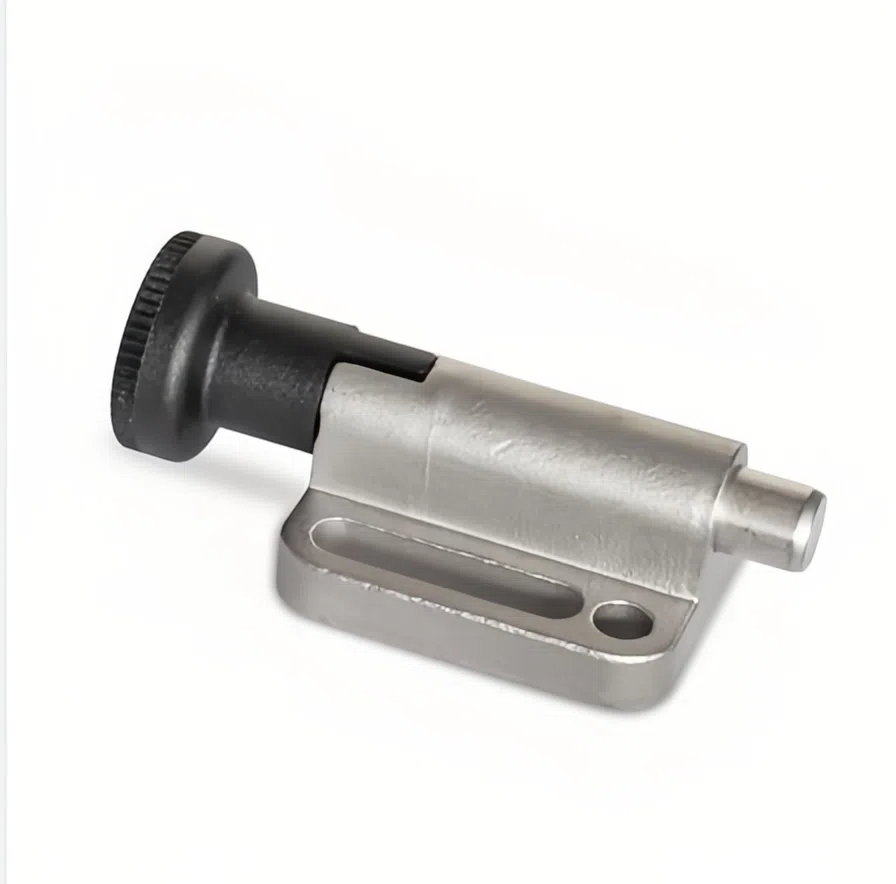
Housing or Body – Encases the spring and pin, often threaded or flanged for mounting.
-
Actuation Element – A knob, button, ring, or lever for manual retraction.
-
Locking Feature – May include a detent, push-button, or twist-lock to prevent accidental disengagement.
Types of Spring Loaded Pin Locks
There are various types of spring loaded pin locks tailored to specific tasks, environments, and load conditions. These include:
1. Standard Spring Loaded Pins
Used in general-purpose positioning and alignment tasks. They are simple, cost-effective, and reliable.
2. Positive Locking Pins
Feature a secondary locking mechanism (e.g., ball lock, push button) to ensure the pin remains in place under vibration or load.
3. Quick Release Pins
Allow for ultra-fast removal and reinsertion without tools. Commonly used in aerospace and sports equipment.
4. Retractable Spring Pins
The pin remains retracted until manually released, ideal for temporary disengagement without full removal.
5. Detent Pins
Incorporate spring-loaded ball bearings to offer moderate holding force while still being easy to remove by hand.
Materials and Finishes
To ensure performance and durability across a variety of industries, Spring Loaded Pin Locks are manufactured from high-performance materials such as:
1. Stainless Steel (304 / 316)
-
Corrosion-resistant
-
Suitable for marine, medical, and outdoor applications
-
Long service life
2. Hardened Carbon Steel
-
Excellent strength
-
Often zinc-plated or black oxide coated for corrosion resistance
3. Aluminum
-
Lightweight
-
Used in aerospace and racing applications
4. Plastic or Nylon (for non-load-bearing pins)
-
Lightweight and economical
-
Used in light-duty equipment or electronics
Applications of Spring Loaded Pin Locks
The versatility of these locking pins makes them invaluable across countless sectors:
1. Aerospace and Aviation
-
Locking seats and armrests
-
Securing cargo restraints
-
Aircraft maintenance platforms
2. Automotive and Racing
-
Quick adjustment of car components
-
Securing tools and brackets
-
Trackside equipment
3. Medical Equipment
-
Hospital beds and stretchers
-
Modular instrument attachments
-
Foldable devices
4. Industrial Machinery
-
Jig and fixture alignment
-
Assembly line stations
-
Tooling changes and automation
5. Construction and Scaffolding
-
Safety latches
-
Telescopic supports
-
Adjustable platforms
6. Consumer Products and Sports
-
Bicycles and scooters
-
Camera mounts
-
Portable gym and fitness equipment
Advantages of Spring Loaded Pin Locks
These components provide numerous benefits, including:
-
Rapid engagement/disengagement
-
No tools required for operation
-
Repeatable and reliable locking
-
Compact and lightweight
-
Vibration resistance (with positive locking features)
-
Corrosion resistance (depending on material)
-
Long lifespan with minimal maintenance
Design Considerations for Engineers
When integrating Spring Loaded Pin Locks into a system, engineers must consider:
1. Load Capacity
Choose the appropriate pin diameter and material to handle expected shear or axial loads.
2. Retraction Mechanism
Consider the ease of access and whether a ring, T-handle, button, or flush mount is best suited.
3. Installation Method
Decide between press-fit, threaded, or flanged housing types based on mounting conditions.
4. Operating Environment
Use stainless steel or plastic in corrosive or sterile environments; use hardened steel for rugged conditions.
5. Frequency of Use
High-use applications require pins with higher cycle life and ergonomic operation.
Customization Options
Manufacturers often provide customized versions to suit specific application needs:
-
Custom diameters and lengths
-
Special spring tensions
-
Locking handle colors (for identification)
-
Threaded tips or heads
-
Safety tether options
-
Engraved part numbers or branding
Maintenance and Safety Tips
Proper maintenance ensures the longevity and reliability of spring loaded pin locks:
-
Regularly inspect for wear, bending, or corrosion
-
Keep moving parts clean and lubricated
-
Do not exceed the pin’s rated load
-
Replace any damaged pins immediately
Case Study: Implementing Pin Locks in a Robotics Factory
A robotics automation firm integrated spring loaded pin locks into their tooling stations. Previously, they used bolts that required wrenches for setup and disassembly.
By switching to retractable spring pins:
-
Setup time was reduced by 65%
-
Operator safety improved due to fewer hand tools
-
The total number of spare parts decreased, streamlining inventory
Comparison with Similar Components
| Feature | Spring Loaded Pin Lock | Ball Lock Pin | Detent Pin |
|---|---|---|---|
| Retraction Method | Spring, Manual | Button-actuated | Ball detent |
| Locking Strength | High | Very High | Medium |
| Speed of Use | Fast | Fast | Fast |
| Reusability | Excellent | Excellent | Good |
| Common Applications | Machinery, Fixtures | Aerospace, Military | Light-duty systems |
Global Market and Future Outlook
With the rise of automation, robotics, and modular systems, the demand for secure, repeatable, tool-free locking solutions is growing. Spring Loaded Pin Locks are poised to benefit from this trend, particularly in industries like:
-
Renewable energy (wind, solar)
-
Electric vehicles
-
Smart manufacturing
-
Medical robotics
Emerging developments include smart pin locks with RFID or sensor feedback, composite materials for weight reduction, and zero-maintenance designs for mission-critical systems.
Upgrade your hardware with spring loaded pin locks, offering secure and quick-release functionality for industrial, automotive, and machinery applications. Durable, reliable, and easy to use—perfect for efficient operations.
From aerospace cabins to medical carts, Spring Loaded Pin Locks are quiet enablers of safety, efficiency, and modularity. Their compact design, ease of use, and reliable locking make them a cornerstone component in modern engineering.
As industries continue to demand faster setups, tool-free assembly, and greater precision, the role of spring loaded pin locks will only grow. For OEMs, engineers, and buyers alike, understanding their design and potential is key to unlocking innovation.
How Does A Spring Plunger Work
Spring Loaded Plunger Pin
Related Article