Spring Loaded Set Screw
Understanding Spring Loaded Set Screws: Design, Functionality, and Industrial Applications
Introduction to Spring Loaded Set Screws
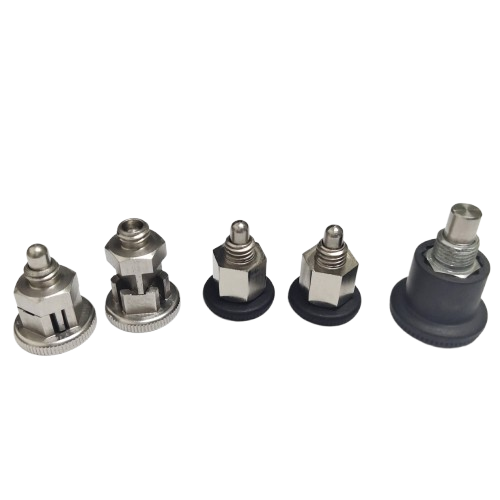
Spring loaded set screws, also known as plunger set screws, are specialized fasteners used in mechanical assemblies where precise positioning, secure locking, and repeatable engagement are critical. These components incorporate a spring mechanism within the screw body, providing force against a ball or pin that extends from the tip. This spring mechanism allows for repeated compressions and releases, making spring loaded set screws ideal for indexing, positioning, detent, and locking applications.


Key Design Elements
Spring loaded set screws consist of three primary parts:
-
Screw Body: Typically manufactured from stainless steel, alloy steel, or brass, the body houses the internal spring and provides the threading for installation.
-
Internal Spring: Provides the restoring force required for plunging or detent operations.
-
Plunger or Ball Tip: Protrudes from the screw and interacts with a mating surface or hole for positioning or locking.
There are several variants of spring loaded set screws based on the tip design (ball, flat, pointed), the spring force (light, medium, heavy), and thread configuration (metric, UNC, UNF).
Types of Spring Loaded Set Screws
1. Ball Nose Spring Set Screws
Ball nose plungers are the most common type. The hardened steel ball ensures minimal wear and smooth operation, making them suitable for indexing or locating components.

2. Flat Nose Spring Set Screws
Flat nose variants offer a stable contact area and are often used where surface marking must be avoided.

3. Threaded Nose Spring Set Screws
Threaded tips are used in adjustable applications, where depth or position of the tip can be fine-tuned post-installation.

4. Heavy-Duty and Light-Duty Plungers
Depending on the required holding force, users can choose from various spring tensions to match application demands.

Materials and Finishes
Spring loaded set screws are made using different materials to suit specific environments:
-
Stainless Steel (AISI 303, 316) – Offers corrosion resistance for marine and outdoor use.
-
Alloy Steel (Black Oxide Finish) – Provides strength and wear resistance.
-
Brass or Delrin® – Suitable for non-magnetic or electrical insulation requirements.
Finishes may include black oxide, passivation, zinc plating, or nickel plating, depending on corrosion protection needs.
Advantages of Using Spring Loaded Set Screws
-
Consistent Engagement and Retraction: The spring mechanism ensures reliable engagement without loosening over time.
-
Minimized Surface Wear: Especially in ball nose types, the smooth ball limits friction and damage to contact surfaces.
-
High Repeatability: Critical for fixtures or jigs that must be reassembled with exact alignment.
-
Ease of Installation: Threaded body makes them compatible with standard tapped holes.
Common Applications
Spring loaded set screws are utilized across multiple industries:
Aerospace
Used in panel latches, locking mechanisms, and access panels that require secure, repeated engagement.
Automotive
Essential in door locking systems, adjustment controls, and interior component mounting.
Medical Devices
Used in precision alignment of movable components in surgical tools and diagnostic equipment.
Industrial Machinery
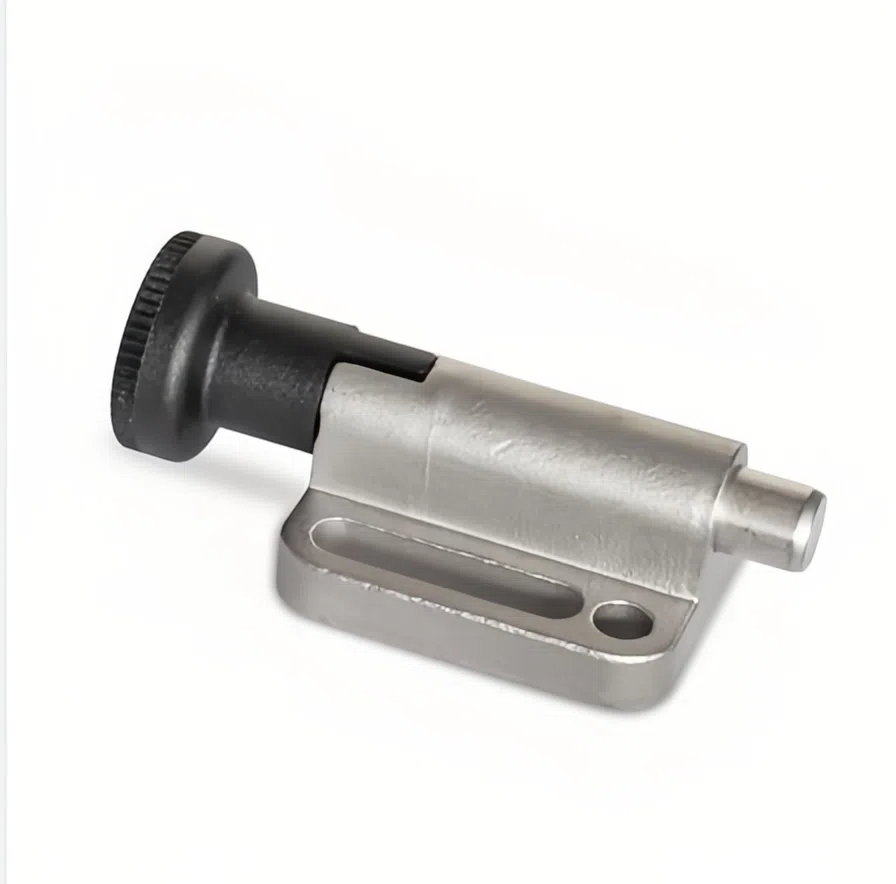
Provide indexing or locking for adjustable arms, rotating heads, or safety gates.
Electronics and Telecommunications
Used for board positioning, rack mounting, and component stabilization.
Installation and Best Practices
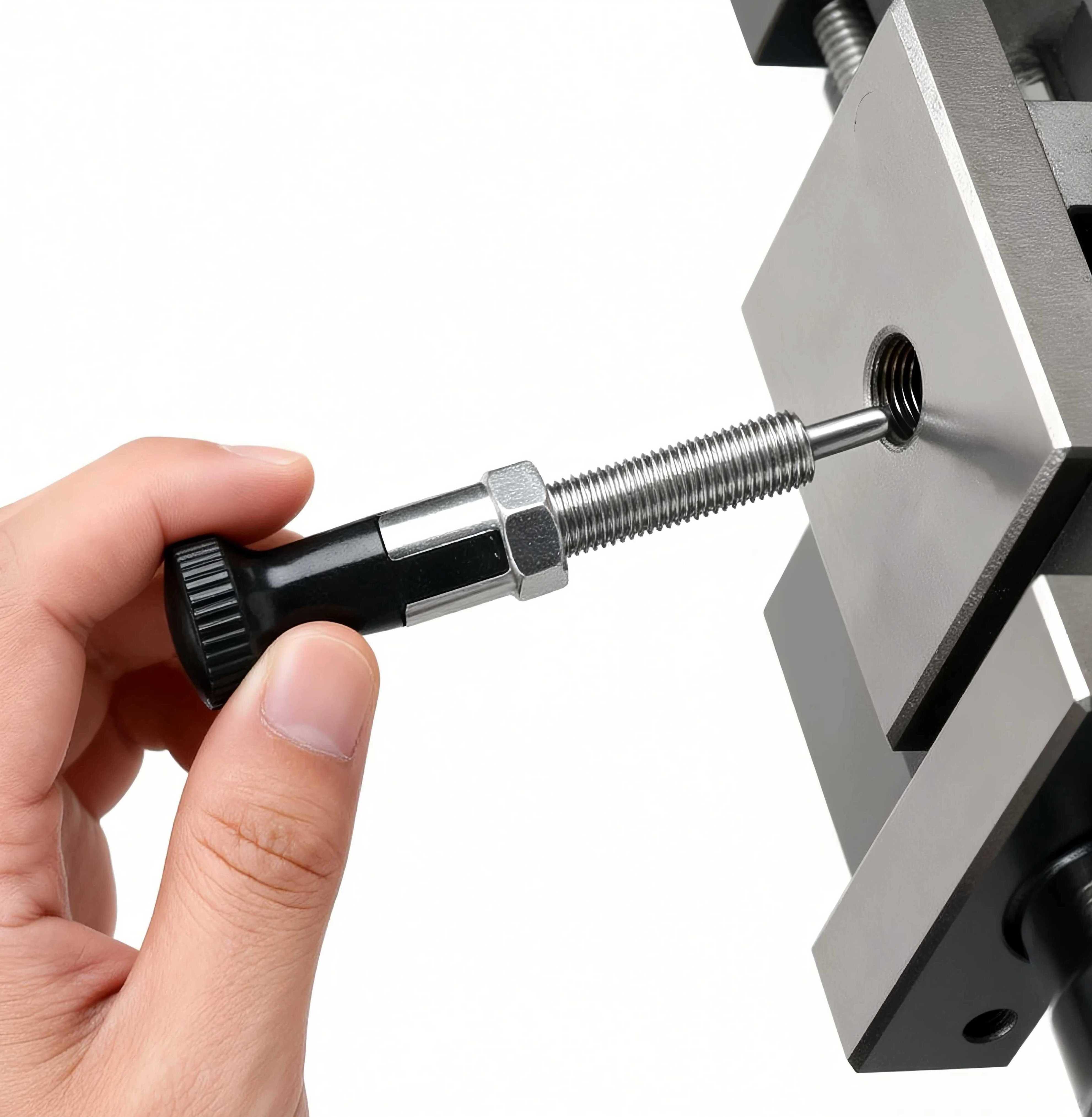
When installing spring loaded set screws, consider the following guidelines:
-
Proper Torque: Avoid over-tightening, which can impair the spring’s function or damage the plunger.
-
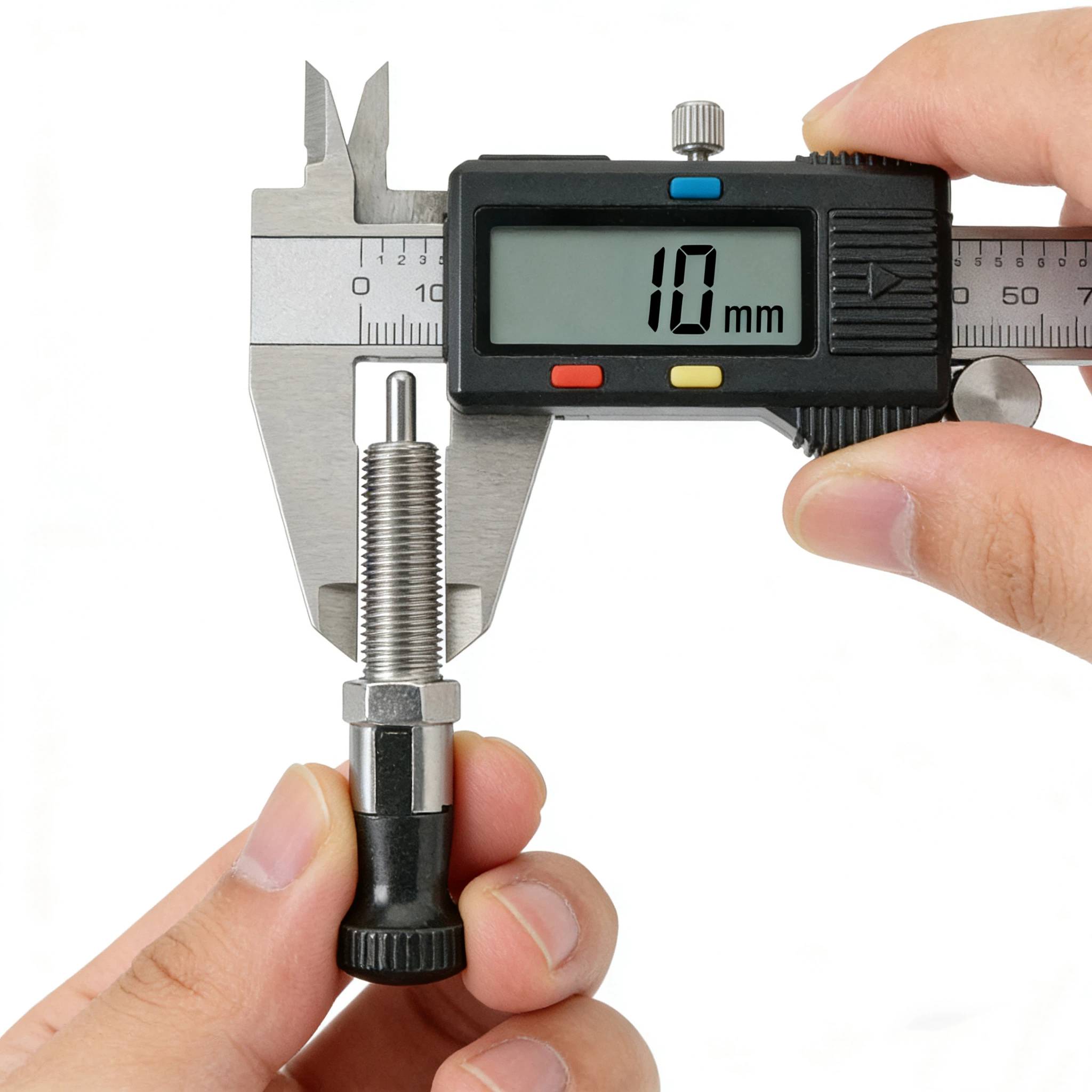
Hole Tolerance: Ensure mating holes are sized appropriately to match the plunger tip.
-
Lubrication: In high-cycle applications, occasional lubrication may enhance performance.
-
Orientation: Mounting orientation should consider gravitational effects, especially for low spring force variants.
Maintenance and Durability
Spring loaded set screws are low-maintenance but can benefit from periodic inspection in high-frequency or load-intensive applications. Check for:
-
Spring Fatigue: Loss of spring tension over long use periods.
-
Tip Deformation: Especially in flat or pointed tip styles used under high loads.
-
Thread Wear: In soft material installations, threads may degrade over time.
Industry Standards and Compliance
Spring loaded set screws are typically produced to meet standards like:
-
ISO 9001 for quality management
-
RoHS Compliance for restricted hazardous substances
-
REACH Compliance for chemical safety
-
DIN and ANSI Standards for threading and dimensional accuracy
Selecting the Right Spring Loaded Set Screw
Choosing the correct spring loaded set screw involves consideration of several factors:
-
Application Type: Indexing, detent, locking, or positioning.
-
Load Requirements: Based on the weight and force the plunger must resist.
-
Environmental Conditions: Exposure to moisture, chemicals, or temperature extremes.
-
Material Compatibility: Match materials to avoid galvanic corrosion.
Innovation and Future Trends
With advancements in materials and precision machining, modern spring loaded set screws are becoming smaller, stronger, and more reliable. Current trends include:
-
Miniature Spring Plungers for electronics and micromechanical devices.
-
Plastic Composite Variants for non-corrosive and lightweight applications.
-
Self-Retaining Styles for easier assembly and disassembly.
-
Customizable Spring Forces based on application data modeling.
Upgrade your projects with spring loaded set screws, offering secure and adjustable fastening for industrial, automotive, and machinery applications. Durable, reliable, and easy to install—perfect for efficient operations.
Spring loaded set screws serve as critical components in modern mechanical design. Their ability to provide controlled force, positioning, and engagement makes them indispensable in precision industries. Engineers and designers who understand their types, uses, and selection criteria can greatly improve assembly performance, reduce maintenance, and enhance user satisfaction.
Spring Loaded Plunger Pin
Ball Locking Bolts
Related Article