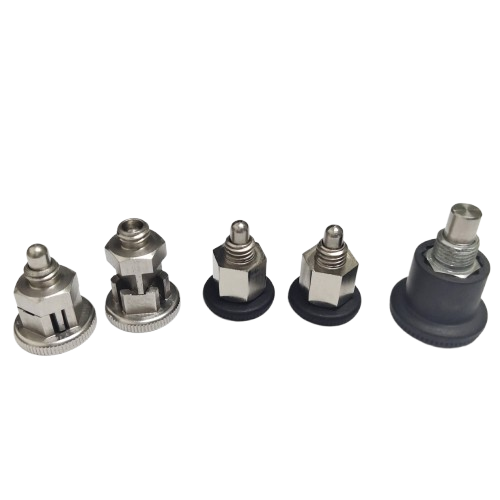
Spring Pull Pin
Spring Pull Pins: Precision, Speed, and Strength in One Mechanism
Introduction: The Evolution of Mechanical Fastening
In today’s world of precision engineering and automation, the demand for efficient and easy-to-use fastening systems continues to grow. One such innovation that offers a perfect balance of strength, reliability, and convenience is the Spring Pull Pin. Designed for rapid engagement and disengagement, these components are widely used across industries—from heavy machinery and automotive systems to medical devices and aerospace engineering.
Spring Pull Pins, sometimes referred to as spring-loaded pull pins, combine mechanical locking with intuitive operation. This article explores their construction, functionality, industry applications, variations, materials, and evolving role in modern manufacturing and design.

What is a Spring Pull Pin?
A Spring Pull Pin is a mechanical device designed to lock, secure, or align components with the assistance of a spring mechanism. It typically consists of a retractable pin held in place by a spring-loaded plunger and is activated manually by pulling a knob, handle, or ring.
Main Components
-
Pin Shaft – Engages with a mating hole or slot to lock components.
-
Internal Spring – Provides retraction force, allowing the pin to return automatically when released.
-
Housing or Body – Encases the internal mechanism and provides mounting support.
-
Handle or Knob – Enables the operator to manually retract the pin.
-
Lock-Out Feature (Optional) – Keeps the pin in the retracted position when needed.
These pins are commonly used when parts must be frequently adjusted or removed without tools, offering reliability and time-saving convenience.
Types of Spring Pull Pins
Depending on the intended application, Spring Pull Pins come in various designs and configurations. Below are the most common types:
1. Standard Spring Pull Pin
The most widely used version, this pin automatically returns to the locked position after being pulled. It’s ideal for positioning systems or parts that need temporary locking.
2. Lock-Out Spring Pull Pin
This version includes a notch or groove that allows the pin to stay retracted when desired. It’s often used when parts need to remain mobile without automatic locking.
3. T-Handle Spring Pull Pin
Equipped with a T-shaped handle, this design offers better grip and torque, making it ideal for industrial environments where gloves or tools are used.
4. Ring Pull Spring Pin
Featuring a circular ring instead of a knob or handle, this style is useful in compact environments or when the pin is tethered with a cable.
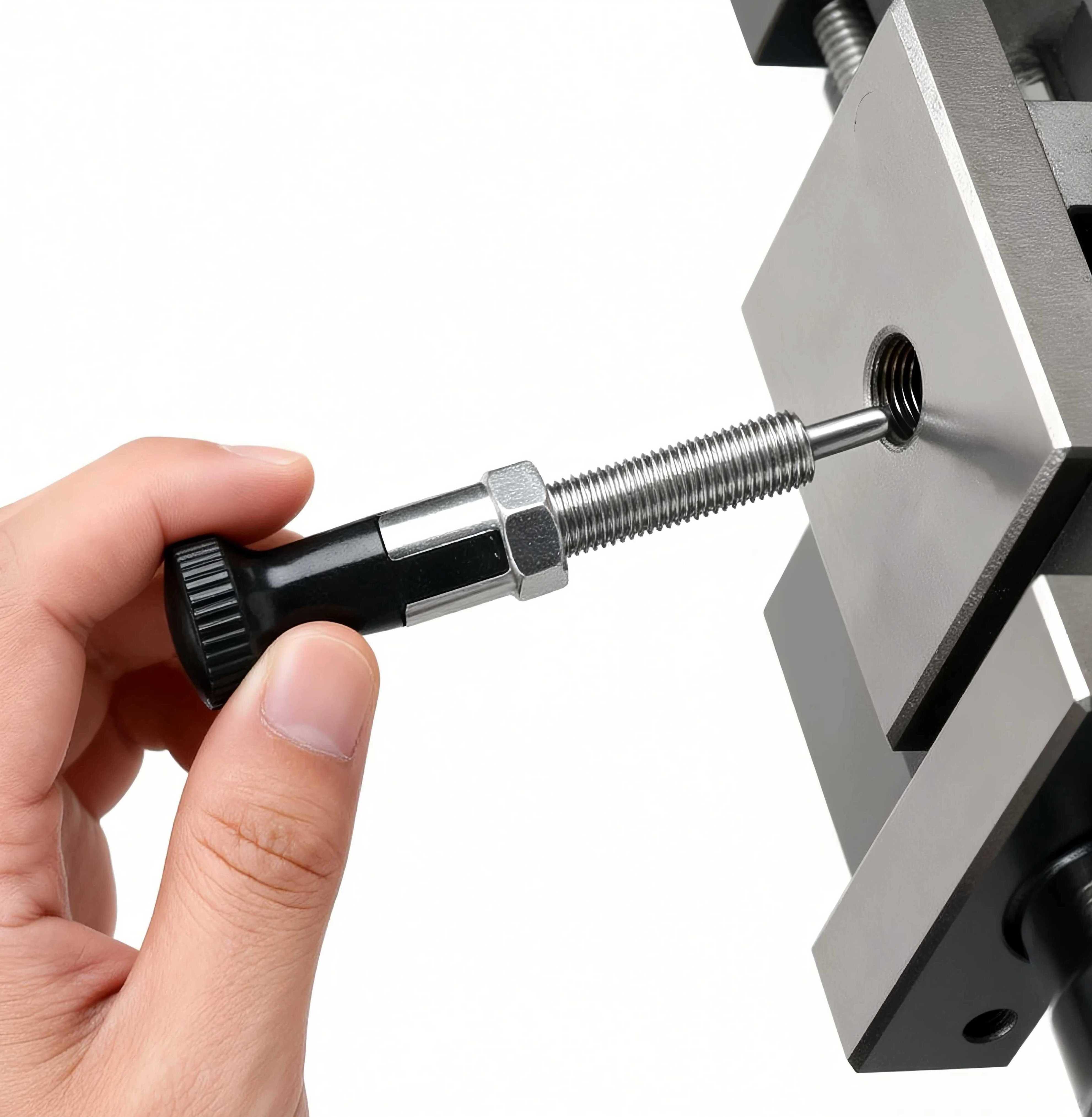
5. Threaded Spring Pull Pin
These versions have threaded bodies for secure mounting into tapped holes, offering more permanent installation options.
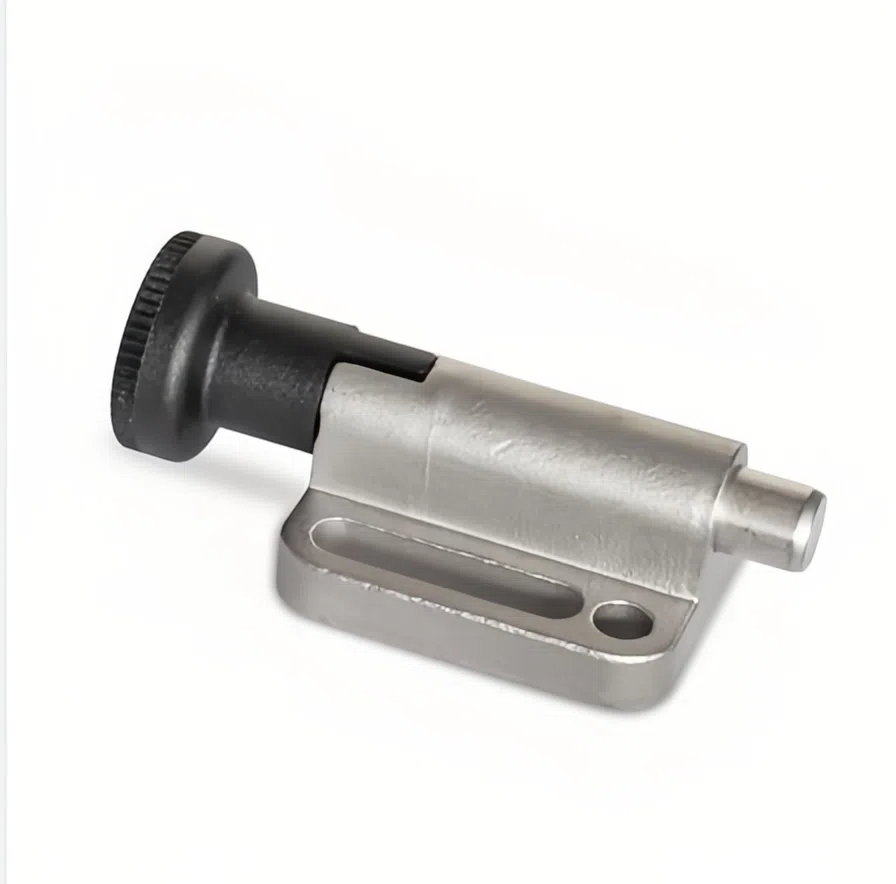
6. Flanged Base Spring Pull Pins
With a flanged base, these pins are surface-mounted using bolts or rivets, allowing fast and secure installation on flat surfaces.
Key Features and Advantages
Spring Pull Pins are engineered to meet the demanding needs of modern machinery and systems. Their key benefits include:
-
Quick-Release Functionality – Enables fast disconnection or adjustment of parts without the need for tools.
-
Automatic Reset – Spring action returns the pin to the locked position for secure engagement.
-
Durable Materials – Made from high-grade stainless steel, carbon steel, or aluminum for long service life.
-
Corrosion Resistance – Ideal for outdoor or marine environments with options in stainless steel or treated alloys.
-
Customizable Designs – Pins can be tailored for specific dimensions, materials, spring strengths, and handle shapes.
-
Compact and Lightweight – Suitable for portable systems and space-constrained assemblies.
These attributes make Spring Pull Pins indispensable in industries where frequent and reliable mechanical engagement is required.
Applications Across Industries
Thanks to their versatility and robust design, Spring Pull Pins are employed in a wide range of applications:
1. Manufacturing and Automation
-
Equipment setups requiring frequent repositioning
-
Workholding and fixture devices
-
Indexing tables
-
Safety guards and interlocks
2. Aerospace and Defense
-
Aircraft cargo restraint systems
-
Access panel latches
-
Removable brackets and mounts
-
Ground support equipment
3. Medical and Laboratory Equipment
-
Mobile carts and adjustable platforms
-
Equipment with foldable components
-
Precision locking mechanisms in diagnostics
4. Construction and Heavy Machinery
-
Adjustable ladders and scaffolding
-
Locking arms and linkages
-
Attachment brackets for tools and accessories
5. Marine and Outdoor Applications
-
Boat seat and rail locking
-
Telescopic poles and antennas
-
Trailer parts and ramp locks
6. Consumer and Recreational Products
-
Exercise machines
-
Bicycles and scooters
-
Camping gear and foldable furniture
In all of these use cases, Spring Pull Pins improve ergonomics, enhance productivity, and ensure safety.
Material Selection and Surface Treatments
Material selection plays a key role in ensuring the long-term performance of Spring Pull Pins. Below are the most common material options:
Pin and Housing Materials
-
Stainless Steel (304/316) – Offers excellent corrosion resistance for marine, medical, and food-grade applications.
-
Carbon Steel – High tensile strength at a cost-effective price; often coated for protection.
-
Aluminum – Lightweight and corrosion-resistant; preferred in aerospace and portable systems.
-
Brass or Bronze – Used in electrical, spark-proof, or decorative applications.
Spring Materials
-
Music Wire – High tensile spring steel for general industrial use.
-
Stainless Steel Spring Wire – Provides corrosion resistance and durability.
-
Phosphor Bronze or Beryllium Copper – For non-magnetic or conductive environments.
Surface Finishes
-
Zinc Plating – Common for carbon steel to resist corrosion.
-
Black Oxide – Offers mild protection and a sleek finish.
-
Anodizing – Used with aluminum parts for added surface hardness.
-
Passivation – Enhances the corrosion resistance of stainless steel.
Dimensional Specifications and Standards
Spring Pull Pins are available in standardized sizes, ensuring interchangeability and compatibility across different systems. The following parameters are typically defined:
-
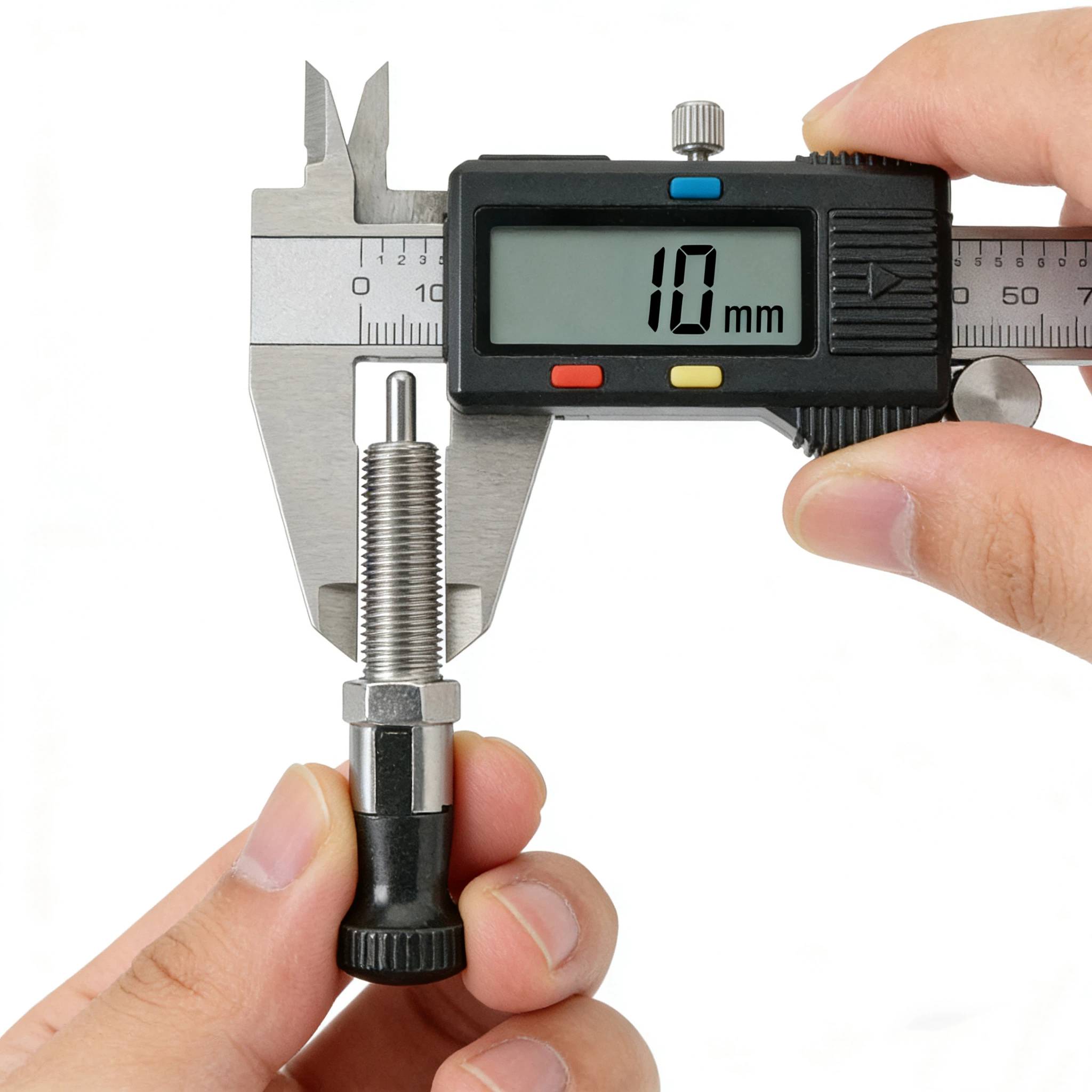
Pin Diameter – Common diameters range from 5mm to 20mm (or 1/4" to 3/4").
-
Stroke or Retraction Distance – Length the pin retracts when pulled, typically between 10mm to 50mm.
-
Thread Size – Metric (e.g., M6, M8, M10) or Imperial (e.g., 1/4"-20, 3/8"-16).
-
Overall Length – Depends on application; includes body length and extended pin.
-
Handle Diameter and Shape – Varies for ergonomic or space-saving designs.
Many manufacturers also follow international standards like ISO, DIN, or ANSI for thread sizing and pin dimensions.
Installation and Maintenance Guidelines
Proper installation and care extend the service life of Spring Pull Pins. Here’s how to ensure optimal performance:
Installation Tips
-
Align the pin with the corresponding hole before actuation.
-
Secure the threaded or flanged base according to torque recommendations.
-
Use thread-lockers where vibration is present.
Maintenance Practices
-
Periodically clean the pin shaft to prevent debris buildup.
-
Lubricate moving parts if used in high-frequency applications.
-
Inspect for spring fatigue or wear during scheduled maintenance.
High-quality Spring Pull Pins are engineered for longevity and typically require minimal upkeep.
Customization Capabilities
To serve unique engineering needs, manufacturers often provide full customization of Spring Pull Pins. This may include:
-
Tailored Pin Length and Stroke Distance
-
Specific Thread Types and Sizes
-
Custom Handle Shapes and Colors
-
Variable Spring Forces
-
Branding and Laser Marking
-
Non-standard Materials for Special Environments
Companies like Mocayo Precision Technology Co., Ltd. specialize in precision-engineered, custom fastening solutions for global industries.
Emerging Trends and Innovations
The evolution of Spring Pull Pins continues with new designs and features tailored for Industry 4.0 environments. Notable developments include:
-
Smart Pull Pins – Incorporating sensors for automated status detection.
-
Miniature Pins – For compact electronics and lab devices.
-
Heavy-Duty Pins – With reinforced springs and higher load capacities.
-
Color-Coded Handles – For quick identification and usage safety.
-
Eco-Friendly Finishes – New coatings that reduce environmental impact.
These innovations ensure Spring Pull Pins remain relevant and valuable in increasingly advanced technical applications.
Case Study: Improving Workflow with Spring Pull Pins
A European logistics equipment manufacturer switched to customized Spring Pull Pins for their modular racking system. Results included:
-
35% reduction in installation time
-
Improved user satisfaction from ergonomic handle design
-
Lower maintenance costs due to durable materials
-
Enhanced safety with automatic locking during load transfer
This demonstrates how a well-chosen component like a Spring Pull Pin can contribute to large-scale operational success.
Upgrade your projects with spring pull pins, designed for quick-release and secure fastening in industrial, automotive, and DIY applications. Durable, reliable, and easy to use—perfect for efficient and seamless operations.
Despite their small size, Spring Pull Pins play a crucial role in the efficiency, safety, and reliability of countless systems. They provide fast, secure engagement and are adaptable to nearly every industry. With options for customization, a wide range of materials, and continued innovation, these components remain vital to the future of mechanical and automated design.
For engineers, manufacturers, and product developers, choosing the right Spring Pull Pin can lead to measurable gains in product performance, user safety, and operational efficiency.
Detent Ring Pins
Spring Loaded Locking Pin
Related Article