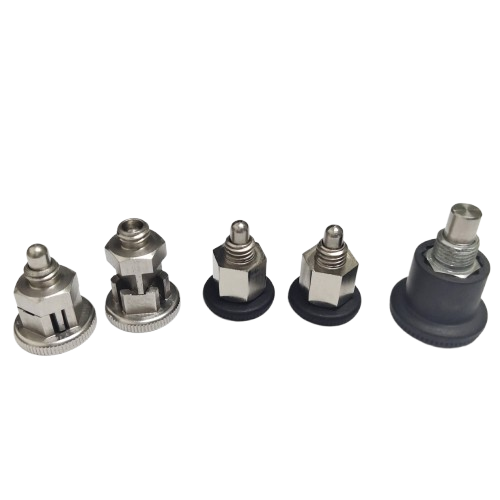
Stainless Steel Ball Lock Pins
Stainless Steel Ball Lock Pins: The Corrosion-Resistant Fastening Solution for Demanding Environments
Industry Overview
Stainless steel ball lock pins have become indispensable components in industries requiring both quick-release functionality and exceptional corrosion resistance. As manufacturing processes become more sophisticated and operating environments more challenging, these precision-engineered fasteners are seeing 18% annual growth according to the 2024 Global Fastener Market Report.


Technical Specifications & Materials Science
Standard Dimensional Data
| Parameter | Imperial | Metric | Tolerance |
|---|---|---|---|
| Diameter Range | 1/8" - 1" | 3.175mm - 25.4mm | ±0.002" |
| Common Lengths | 0.5"-12" | 12.7mm-304.8mm | ±0.005" |
| Ball Diameter | 40-60% of pin Ø | H7/g6 fit | |
| Spring Force | 5-15 lbs | 2.27-6.8kg | 10% variance |
Figure 1: Cross-section diagram showing critical dimensions of stainless steel ball lock pins
Material Grades & Properties
-
304 Stainless: Standard marine-grade (18% Cr, 8% Ni)
-
316 Stainless: Superior chloride resistance (16% Cr, 10% Ni, 2% Mo)
-
17-4PH: Precipitation-hardened (H900 condition: 40 HRC)
-
Custom Alloys: Available for extreme environments (+400°F/+200°C)
Performance Advantages
Corrosion Resistance Testing Results
-
Salt Spray (ASTM B117): 3,000+ hours without failure
-
Chemical Immersion: Resists acids up to pH 3, bases to pH 11
-
Galvanic Compatibility: <0.5mA/cm² corrosion current with most metals
Mechanical Characteristics
-
Tensile Strength: 75,000-150,000 PSI (depending on grade)
-
Shear Capacity: 60% of tensile strength
-
Cycle Life: 1M+ operations (FDA-grade lubricated versions)
Industry-Specific Applications
1. Marine & Offshore Systems
-
Boat Rigging: 92% of new sailboat designs incorporate SS ball locks
-
Oil Platform Safety: Certified for Zone 1 hazardous areas
2. Food Processing Equipment
-
USDA/FDA Compliance: Meat/poultry processing standards
-
Cleanability: Passes 3-A Sanitary Standard 18-03
3. Pharmaceutical Manufacturing
-
Sterilization Compatibility: Withstands autoclave cycles
-
GMP Requirements: Documented material traceability
4. Chemical Processing
-
Acid Resistance: 316L grade handles concentrated sulfuric acid
-
Pressure Vessel Use: ASME BPE compliant designs
Installation & Maintenance Protocol
Best Practices
-
Surface Preparation
-
Degrease with acetone (medical grade for cleanrooms)
-
Verify bore surface finish (32-64 Ra recommended)
-
-
Engagement Verification
-
Tactile click confirmation
-
Post-installation pull test (min. 25% over expected load)
-
-
Preventive Maintenance
-
Annual inspection for marine environments
-
Biannual lubrication in food service applications
-
Comparative Analysis
Stainless vs Carbon Steel Performance
| Factor | 316 Stainless | Grade 8 Carbon |
|---|---|---|
| Corrosion Resistance | 10/10 | 2/10 |
| Strength-to-Weight | 0.85 | 1.00 |
| Cost Premium | 3.2x | 1.0x |
| Temperature Range | -450°F to +800°F | -20°F to +400°F |
Innovation Spotlight
Next-Generation Developments
-
X-ray Detectable: For food/pharma loss prevention
-
Self-Cleaning: Micro-textured surfaces resist biofilm
-
Smart Monitoring: Strain gauges with NFC readout
Procurement Guidelines
Quality Assurance Checklist
✓ Material certification (Mill Test Reports)
✓ Passivation documentation (ASTM A967)
✓ Sterilization validation (where applicable)
✓ RoHS/REACH compliance certificates
Market Outlook
The global stainless steel ball lock pin market is projected to reach $1.2B by 2028 (CAGR 7.8%), driven by:
-
Expansion of offshore wind farms
-
Stricter food safety regulations
-
Growth in biopharmaceutical production
Discover our stainless steel ball lock pins for secure and efficient fastening in industrial applications. Durable and corrosion-resistant, they ensure smooth operation. Contact us for custom solutions tailored to your needs.
Stainless steel ball lock pins represent the pinnacle of corrosion-resistant fastening technology, combining the convenience of quick-release mechanisms with the durability required in harsh operating environments. As industry standards continue to evolve toward more hygienic and maintenance-free solutions, these components will play an increasingly critical role in equipment design across multiple sectors.
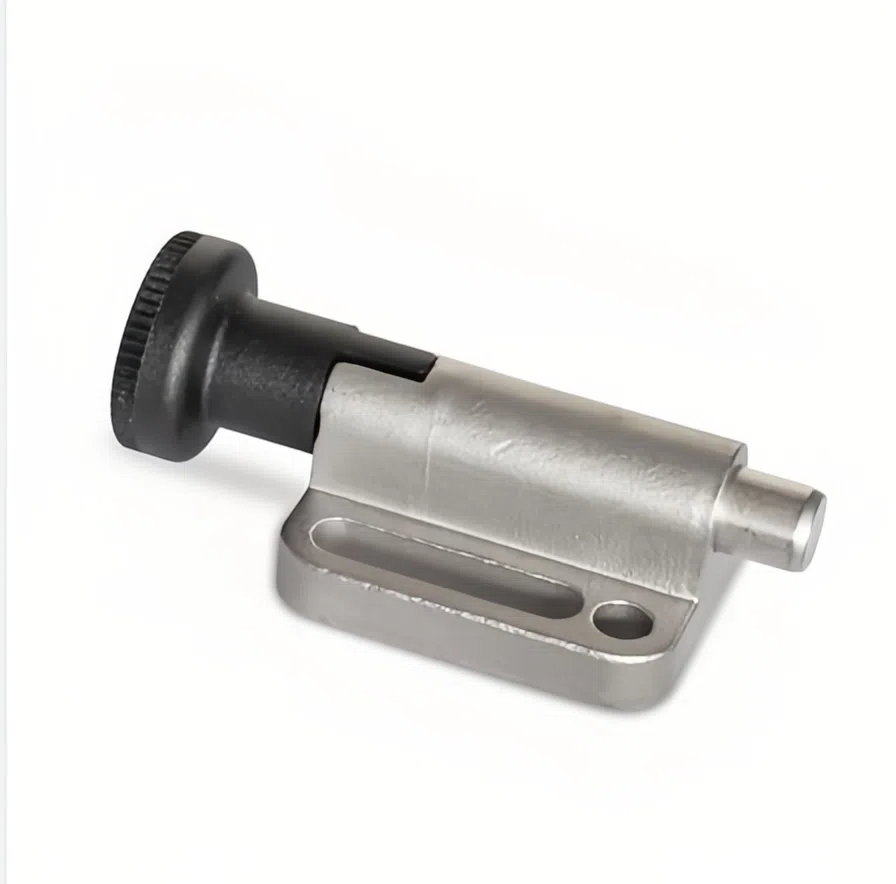
Flanged Index Plungers
Pin With Ball Lock
Related Article