
Stainless Steel Is What
author: Lucia Liu
2025-09-04
Stainless Steel Is What
What is Stainless Steel?
Simply put, stainless steel is an alloy material primarily composed of iron, containing a certain proportion of chromium (typically no less than 10.5%), which endows it with excellent corrosion resistance. Some stainless steels also incorporate elements such as nickel, molybdenum, and titanium to further enhance their properties.
The advent of stainless steel overcame the rust-prone limitations of traditional steel, enabling steel products to maintain their lustre and structural integrity even in humid or harsh environments. This is why it finds extensive application across construction, domestic goods, healthcare, and industrial sectors.
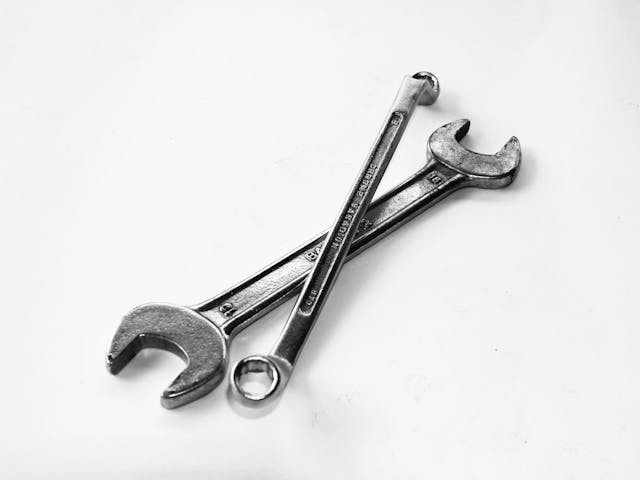
Key Characteristics of Stainless Steel
Having understood what stainless steel is, we must further recognise its performance advantages.
Corrosion Resistance
A dense passivation layer forms on the stainless steel surface, effectively inhibiting oxidation reactions and delivering superior corrosion resistance.
A dense passivation layer forms on the stainless steel surface, effectively inhibiting oxidation reactions and delivering superior corrosion resistance.
Strength and Toughness
Stainless steel combines high strength with excellent ductility, enabling it to withstand significant mechanical stress and impact.
Stainless steel combines high strength with excellent ductility, enabling it to withstand significant mechanical stress and impact.
Surface Finish
Stainless steel offers outstanding surface treatment capabilities. It can retain its natural lustre or achieve diverse decorative effects through polishing, brushing, and other techniques.
Stainless steel offers outstanding surface treatment capabilities. It can retain its natural lustre or achieve diverse decorative effects through polishing, brushing, and other techniques.
Workability
Whilst retaining its hardness, stainless steel remains readily weldable, cuttable, and formable, catering to diverse manufacturing requirements.
Whilst retaining its hardness, stainless steel remains readily weldable, cuttable, and formable, catering to diverse manufacturing requirements.
When introducing different types of stainless steel, we focus on several of the most commonly used grades:
1. Stainless Steel 303
Characteristics: 303 stainless steel is a free-machining grade specifically designed to enhance machining efficiency. The addition of sulphur or selenium significantly improves its machinability.
Applications: Suitable for producing bolts, nuts, gears, and other components requiring efficient machining.
2. Stainless Steel 304
Characteristics: 304 is the most widely used stainless steel, often termed the ‘all-purpose stainless steel’. It combines excellent corrosion resistance, heat resistance, and workability.
Applications: Most commonly used in food-grade applications such as kitchenware, cutlery, drinking water equipment, and food processing machinery.
3. Stainless Steel 316
Characteristics: 316 incorporates molybdenum into the 304 composition, significantly enhancing resistance to pitting corrosion and acid exposure. It is particularly suitable for marine and chemical environments.
Applications: Extensively used in marine equipment, chemical vessels, offshore engineering components, and parts operating in highly corrosive conditions.
4. Stainless Steel 17-4PH
Characteristics: 17-4PH is a precipitation-hardening stainless steel offering both high strength and excellent corrosion resistance. Through heat treatment, it achieves exceptionally high mechanical properties.
Applications: Aerospace, energy equipment, valve manufacturing, and high-strength components.
These four distinct types of stainless steel represent typical choices for diverse environments and applications, spanning everyday use to high-end industrial sectors.
Applications of Stainless Steel
To fully address the question ‘What is Stainless Steel?’, one must consider its practical applications. Today, stainless steel plays a pivotal role across numerous industries:
To fully address the question ‘What is Stainless Steel?’, one must consider its practical applications. Today, stainless steel plays a pivotal role across numerous industries:
- Architectural and Structural Materials: Stainless steel curtain walls, handrails, and cladding panels combine durability with aesthetic appeal.
- Kitchenware and Household Goods: Cookware, cutlery, sinks, and other daily items offer safety, hygiene, and corrosion resistance.
- Industrial Equipment and Mechanical Components: Within chemical processing, food manufacturing, and pharmaceutical sectors, stainless steel piping, valves, and storage tanks ensure hygienic and reliable production environments.
- Medical and Pharmaceutical Fields: Surgical instruments and medical device casings demand high levels of cleanliness and corrosion resistance.
Stainless steel is what defines quality—long life, corrosion resistance, and strength. Perfect for aerospace, marine, and medical use.
Stainless Steel CNC Machining
CNC Machining Parts Factory
Related Article
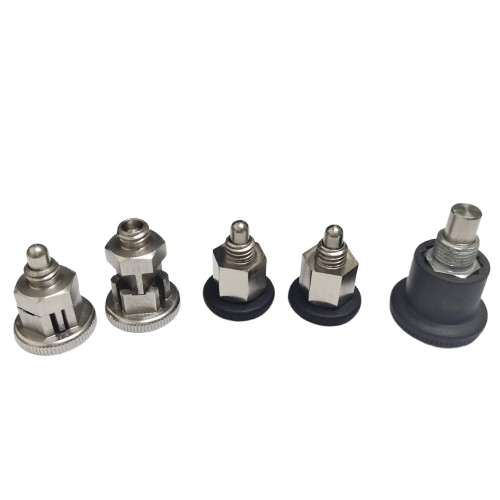
Explore the application of stainless steel materials for customizing mini indexing plungers based on specific operational environments and suitable spaces.
How To Make A Mini Indexing Plunger
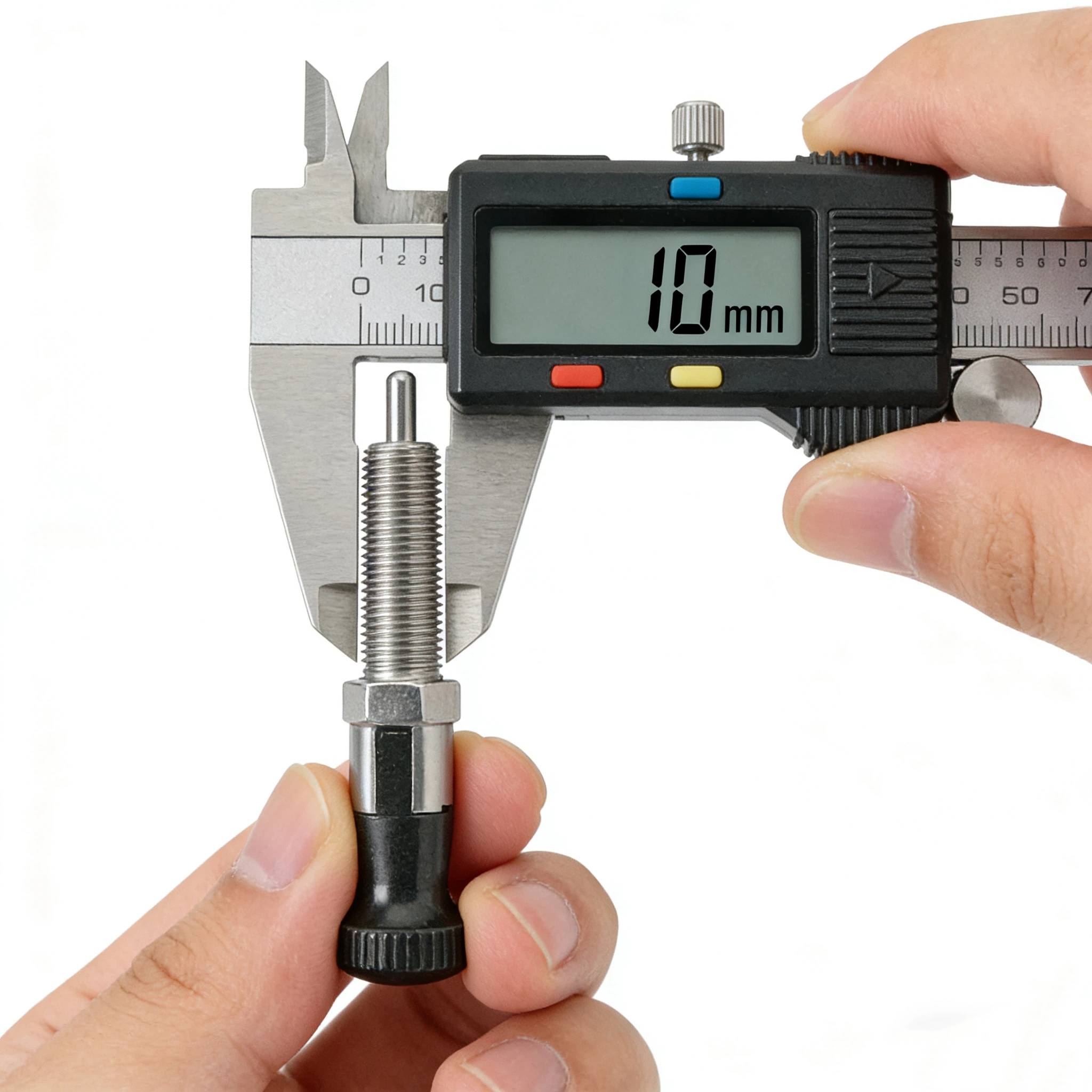
Discover how to choose correct size for indexing elements with confidence. Get precise recommendations that improve positioning accuracy, durability, and overall system performance.
How To Choose Correct Size For Indexing Elements