Types of Indexing Plunger Threads And Materials
Types of Indexing Plunger Threads and Materials: A Comprehensive Selection Guide
1. Main Types of Indexing Plunger Threads and Their Characteristics
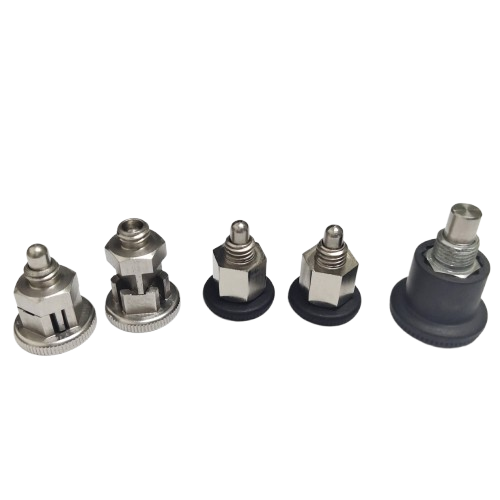
As precision positioning components, Indexing Plungers rely heavily on the choice of thread type, which directly impacts assembly accuracy and service life. Currently, the mainstream thread types for Indexing Plungers on the market fall into three major categories: Metric Threads (M Series), Imperial Threads (UNC/UNF Series), and Special Threads.

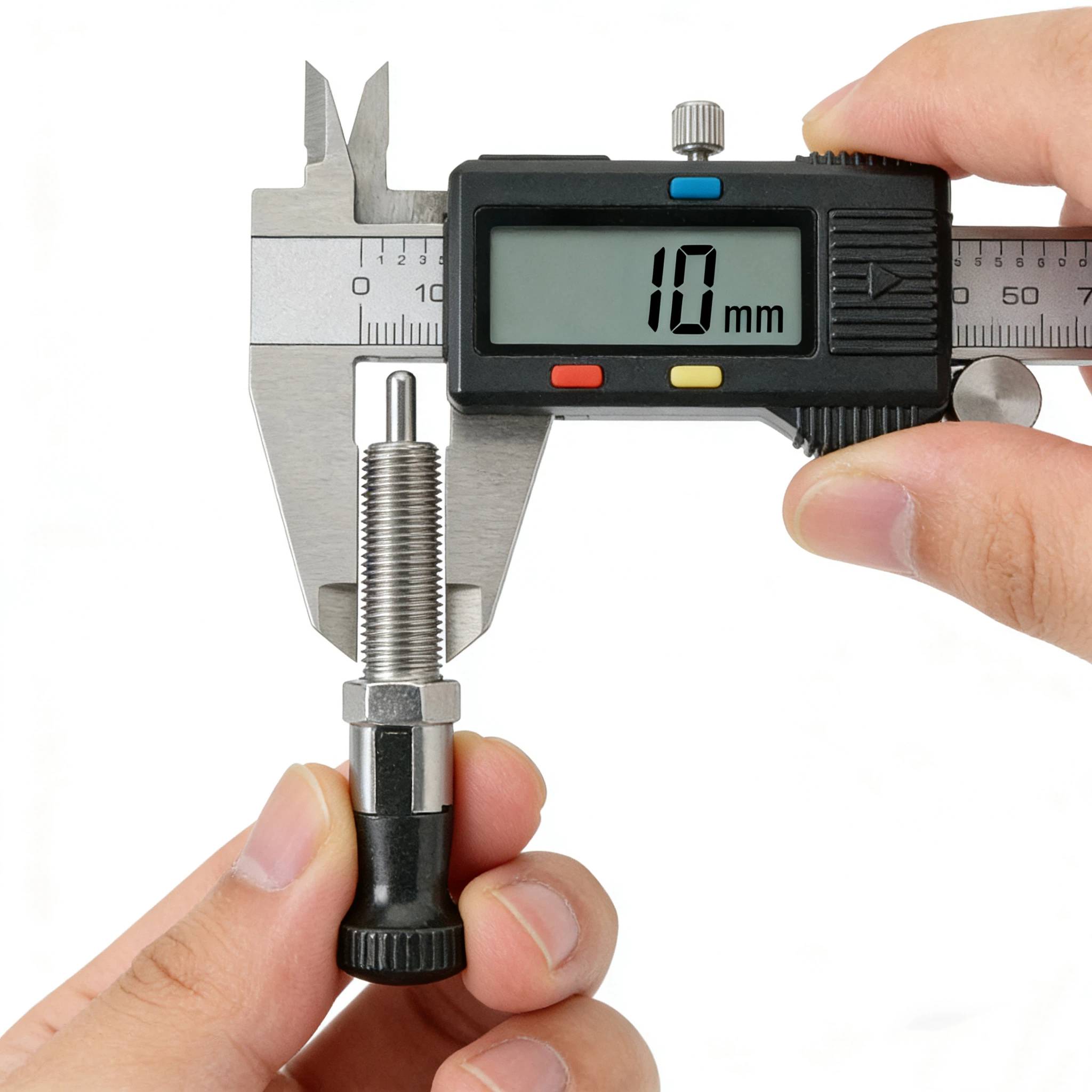
Metric Threads, such as M6 and M8, are characterized by a 60° thread angle. They are highly standardized, interchangeable, and thus the preferred choice in automated equipment.

Imperial Threads, represented by UNC (coarse thread) and UNF (fine thread), are still widely used in maintenance of imported equipment and specific sectors such as aerospace.

For heavy-duty applications, Special Threads—like saw-tooth and arc-shaped threads—are developed to meet particular demands. For example, a medical device manufacturer adopted our custom-designed Indexing Plungers with arc-shaped threads, achieving not only rapid and precise positioning but also a 35% reduction in assembly time. Although these specialized threads involve higher costs, they often deliver exceptional benefits under demanding operating conditions.
2. Common Materials for Indexing Plungers and Their Performance Characteristics
Selecting the right material for Indexing Plungers requires balancing three key factors: mechanical strength, wear resistance, and environmental adaptability.
Tool Steels (such as SKD11, SKH51) have long been the traditional choice thanks to their excellent wear resistance. Proper heat treatment can bring SKD11 hardness up to HRC58-62, making it ideal for high-frequency positioning tasks. Accelerated wear tests show that vacuum heat-treated SKD11 Indexing Plungers achieve a service life 5–8 times longer than standard carbon steel under the same conditions.
Stainless Steels (304, 316, 440C) are better suited for harsh environments.
-
440C Martensitic Stainless Steel offers a hardness of HRC56-58 after heat treatment while maintaining good corrosion resistance.
-
For applications like food processing equipment, we recommend 316L low-carbon stainless steel Indexing Plungers, which satisfy stringent hygiene standards without compromising positioning accuracy.
Salt spray tests demonstrate that 316L Indexing Plungers maintained a pristine surface even after 500 hours of exposure.
Surface treatment technologies further enhance the performance of Indexing Plungers.
-
Hard Chrome Plating can boost surface hardness above HV900.
-
Nitriding improves surface wear resistance without sacrificing base material toughness.
-
The latest DLC (Diamond-Like Carbon) Coating technology reduces the friction coefficient to below 0.1, effectively solving seizing issues on automotive production lines.
Appropriate application of these surface treatments often results in significant performance improvements for Indexing Plungers.
3. Recommended High-Quality Indexing Plunger Products from Mocayo
Leveraging years of industry experience and technical expertise, Mocayo offers a full range of Indexing Plungers tailored to meet diverse industrial needs:
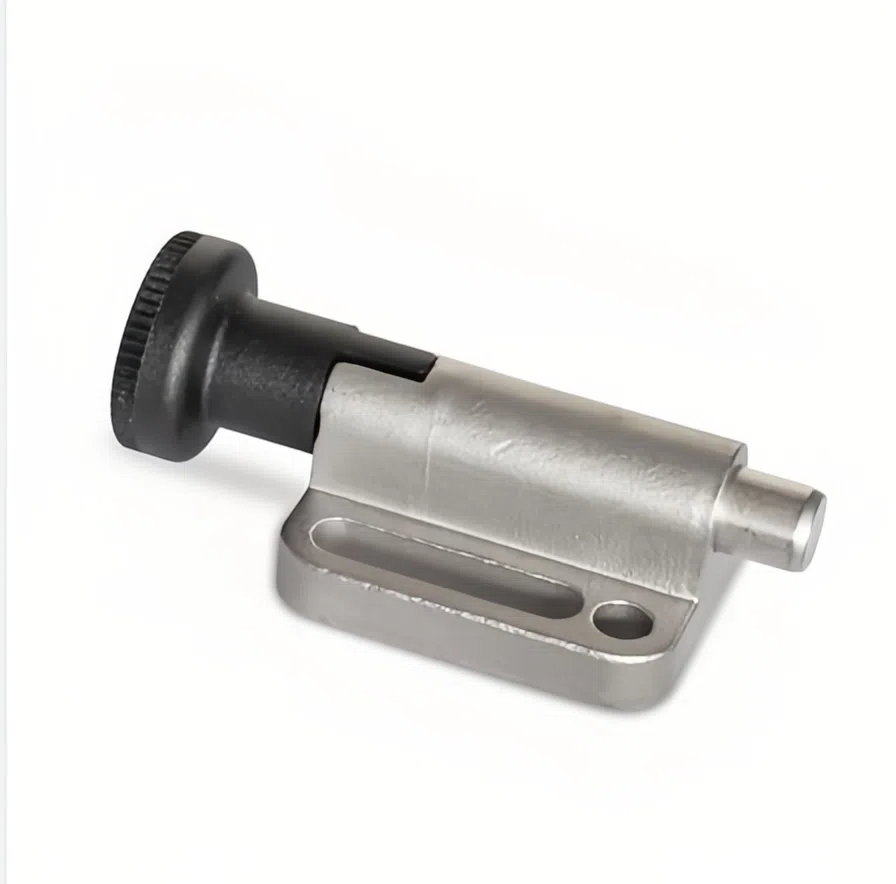
MS2170/2171 High-Precision Metric Thread Indexing Plunger Series
Manufactured from 316 stainless steel and processed through a specialized heat treatment procedure, these plungers maintain dimensional stability within ±0.003mm.
Surface treatment with hard chrome plating (thickness 0.02–0.03mm, hardness HV950) makes them ideal for precision measuring equipment and optical instruments.
Field data shows a 60% reduction in repeatability errors for a national metrology institute after adopting this series.


MS1170/1171 Corrosion-Resistant Stainless Steel Indexing Plunger Series
Available in 304, 316L, and 440C materials, the 316L medical-grade plunger passed 48-hour salt spray testing with a surface roughness Ra ≤ 0.4μm.
An innovative anti-seizing design ensures easy disassembly even in sterile environments.
A pharmaceutical equipment manufacturer reported a 50% reduction in cleaning and maintenance times after implementing this series.


MS1130 Heavy-Duty Full-Thread Indexing Plunger Series
Crafted from 14-7H stainless steel, and tempered for tensile strengths exceeding 1000MPa, this series features a full-thread lead design that supports dynamic loads up to 5 tons.
They performed exceptionally in large stamping equipment, with users reporting service lives of over three years.
Additionally, custom-designed Indexing Plungers for a semiconductor equipment manufacturer helped resolve particle contamination issues in vacuum environments, extending equipment uptime to 8000 hours.
All products are backed by material certifications and precision inspection reports, ensuring complete quality traceability.

4. Selection and Maintenance Guide for Indexing Plungers
Scientific selection is key to maximizing Indexing Plunger performance. We recommend a four-step selection method:
-
Evaluate load conditions: For static loads, standard metric threads are sufficient.
-
Analyze environmental factors: Prioritize stainless steel materials for corrosive environments.
-
Determine precision requirements: High-precision applications should use products with stabilization treatment.
-
Consider budget constraints: Optimize procurement costs while meeting technical needs.
For usage and maintenance, we summarize the five essential points:
-
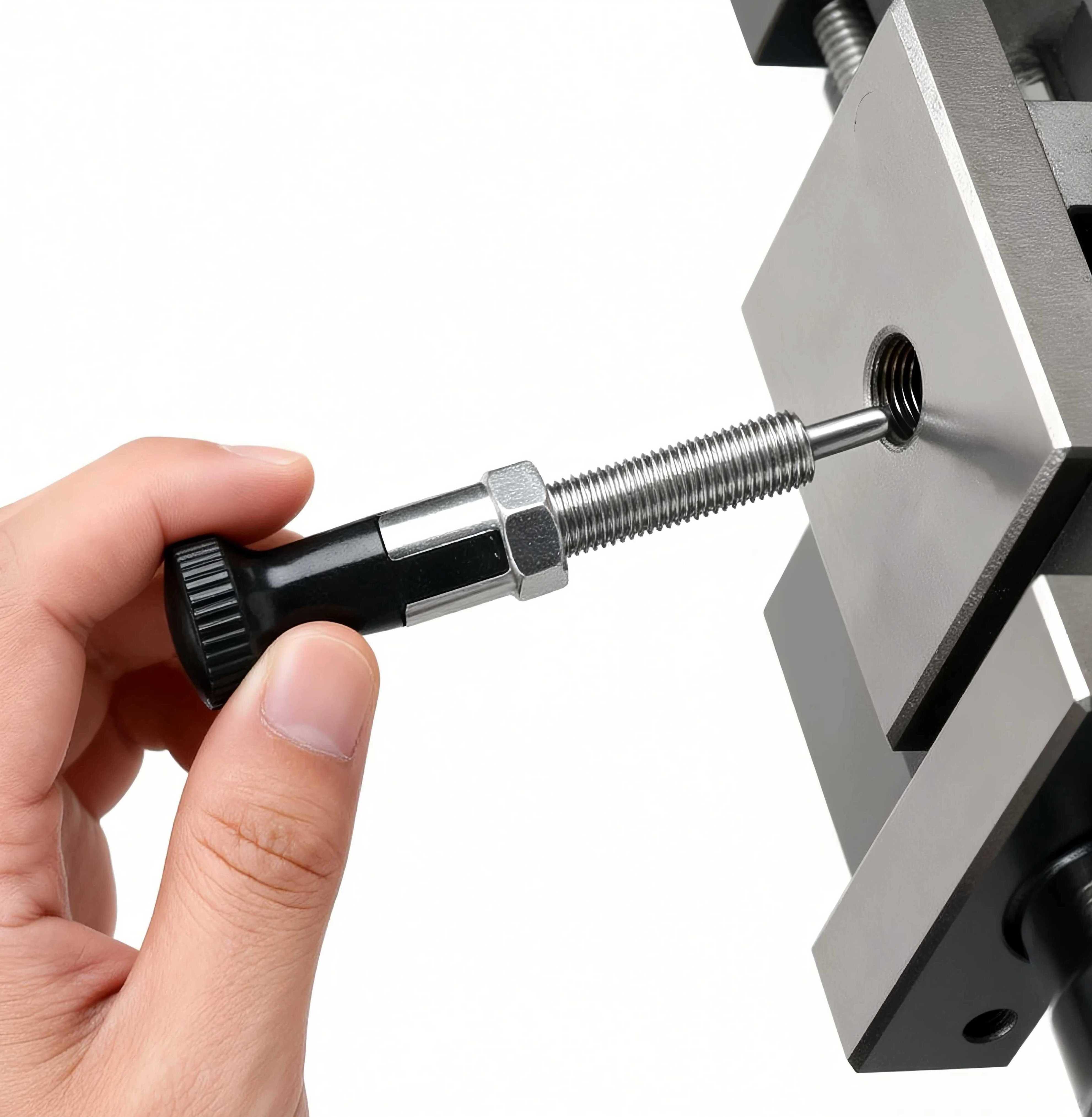
Use a torque wrench during installation to ensure uniform preload.
-
Inspect thread wear regularly; we recommend a full inspection every 2000 cycles.
-
Use dedicated lubricants and avoid mixing different grease types.
-
Store in dry conditions, maintaining relative humidity below 60%.
-
Replace plungers in matched sets to ensure positioning consistency.
For special working conditions:
-
In high-temperature environments (up to 600°C), we recommend nickel-based alloy Indexing Plungers.
-
For vacuum environments, opt for oil-free self-lubricating models.
-
In strongly corrosive environments, consider Hastelloy custom products.
The Mocayo engineering team is available to provide free condition analysis and product selection consultations to help you find the best Indexing Plungers for your application.
Ensure accurate alignment with durable indexing plungers. Available in steel, stainless steel, and plastic for various loads. Ideal for machinery, fixtures, and automation. Shop high-quality plungers today!
What Is the Difference Between 304 and 316 Stainless Steel-Choose the Right Quick Release Pin
Does Stainless Steel Corrode? A Quick Release Pin Material Selection Guide
Related Article