What Are 7 Types of Fasteners
What Are 7 Types of Fasteners
1. Overview of Fasteners
Fasteners are fundamental components in mechanical manufacturing and engineering assembly, playing a crucial role across all sectors of industrial production. From precision electronic devices to large-scale construction projects, nearly all mechanical structures rely on fasteners for connection and stabilization. High-quality fasteners not only ensure structural safety and stability but also significantly enhance the lifespan and performance of a product.
Modern industries place increasingly stringent demands on fasteners. Beyond basic functionality, they must meet criteria such as corrosion resistance, fatigue strength, and reliability under harsh environmental conditions. As manufacturing technologies continue to evolve, the variety and sophistication of fasteners have grown substantially, offering more professional and dependable solutions for a wide range of engineering applications.
As a specialized supplier of fasteners, we are committed to delivering top-quality products and technical support. Our goal is to help customers optimize design plans and improve production efficiency.

2. What Are 7 Types of Fasteners?
Among the wide array of fasteners available, the following seven types are the most widely used due to their distinct functional advantages. If you're wondering What Are 7 Types of Fasteners, here is a comprehensive breakdown:
1. Screws
Screws are the most commonly used type of fastener. Available in various sizes and thread patterns, they are widely used in electronics, home appliances, and machinery. Their threaded design ensures secure fastening while allowing for easy disassembly and maintenance.
2. Bolts & Nuts
This classic fastening duo excels in high-load applications. Whether in steel structural buildings or heavy machinery assembly, bolts and nuts provide dependable and strong connections that stand the test of time.
3. Washers
Though simple in appearance, washers serve an essential role in fastening systems. They help distribute load, reduce surface wear, and prevent loosening—especially valuable in high-vibration environments.
As a professional fastener manufacturer, we highly recommend the following four high-performance fasteners:
4. Quick Release Pins
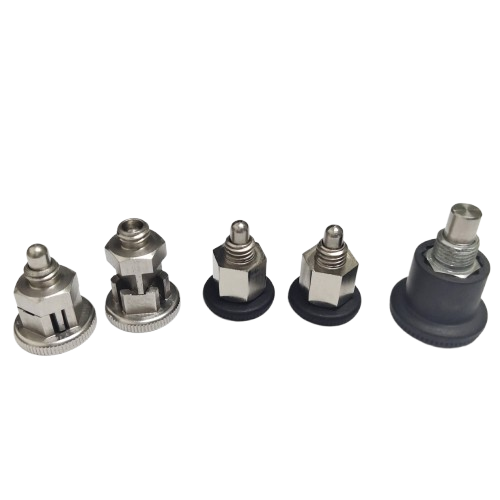
Our quick release pins are crafted from high-grade alloy steel with specialized surface treatments that offer excellent wear and corrosion resistance. Featuring a unique locking mechanism, they allow for rapid installation and removal, making them ideal for automated production lines that require frequent tooling changes or adjustments.

5. Ball Plungers
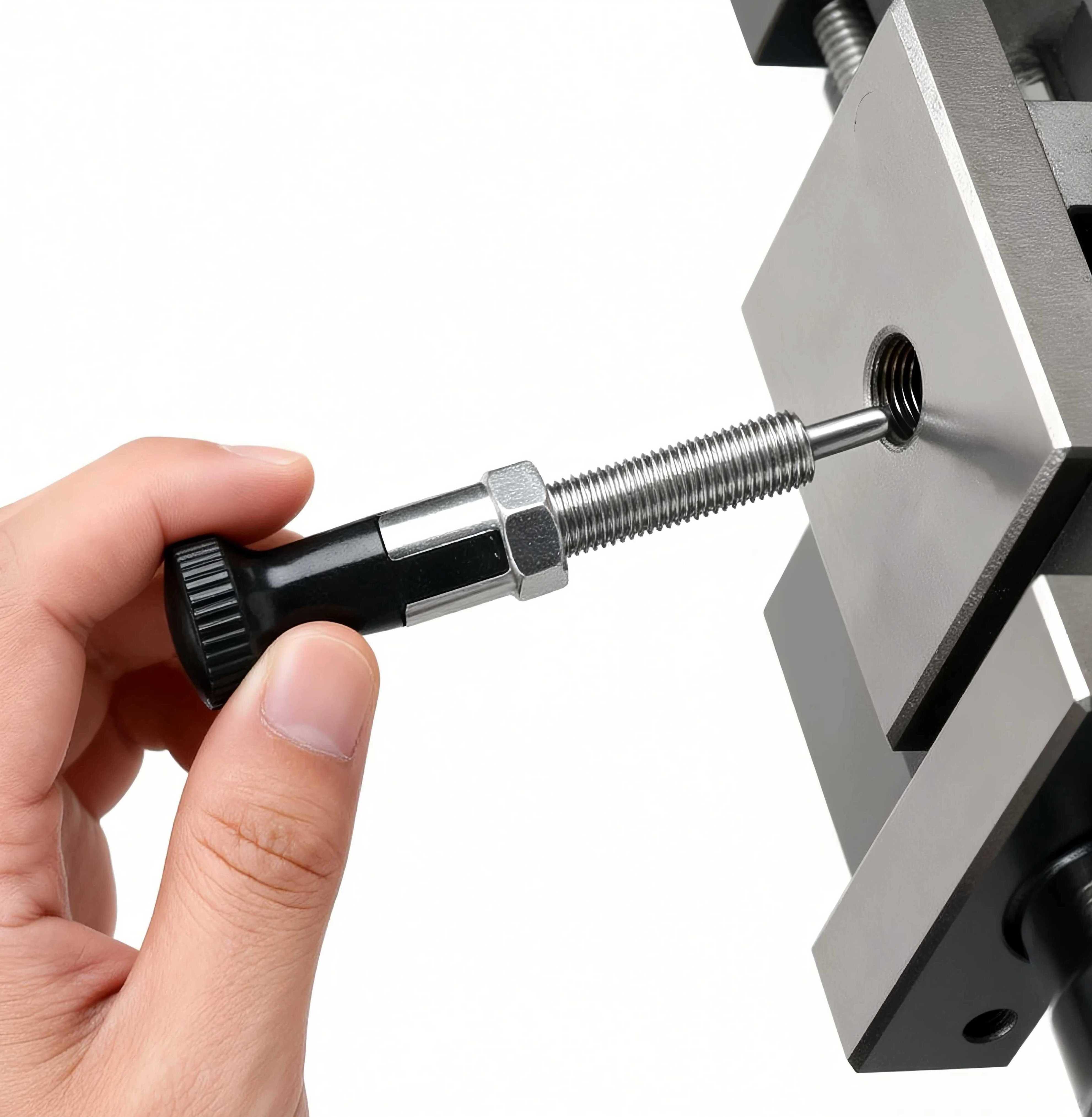
Precisely engineered ball plungers provide consistent positioning force to ensure accurate component alignment. Made with imported spring-loaded balls, they offer long service life and high positioning accuracy—ideal for precision jigs and locating devices.

6. Spring Plungers
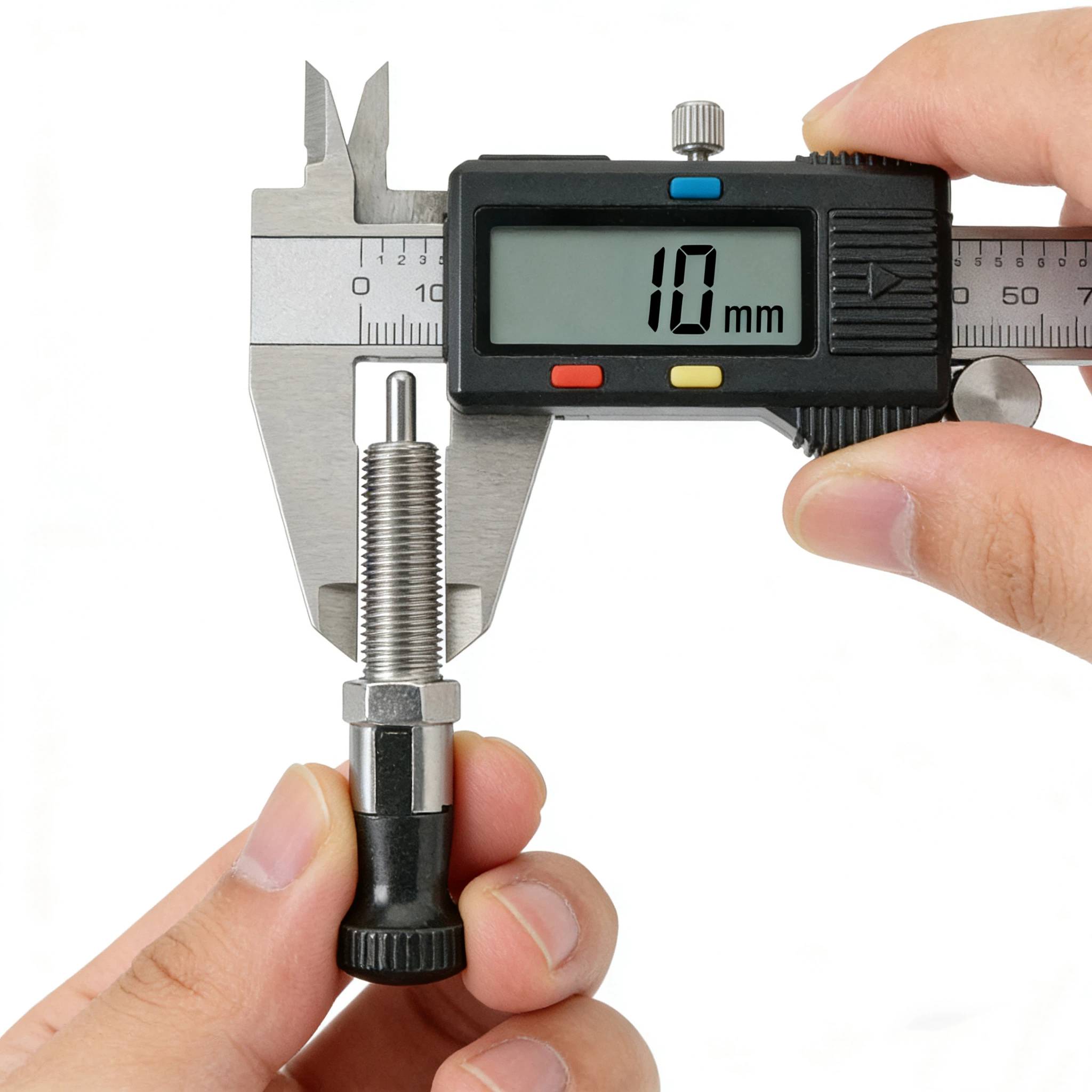
Our spring plungers are available in a range of force specifications to suit various operational needs. Manufactured from high-quality stainless steel, they maintain stable performance even in extreme environments. They are widely used in mechanical stops and cushioning systems.

7. Indexing Plungers
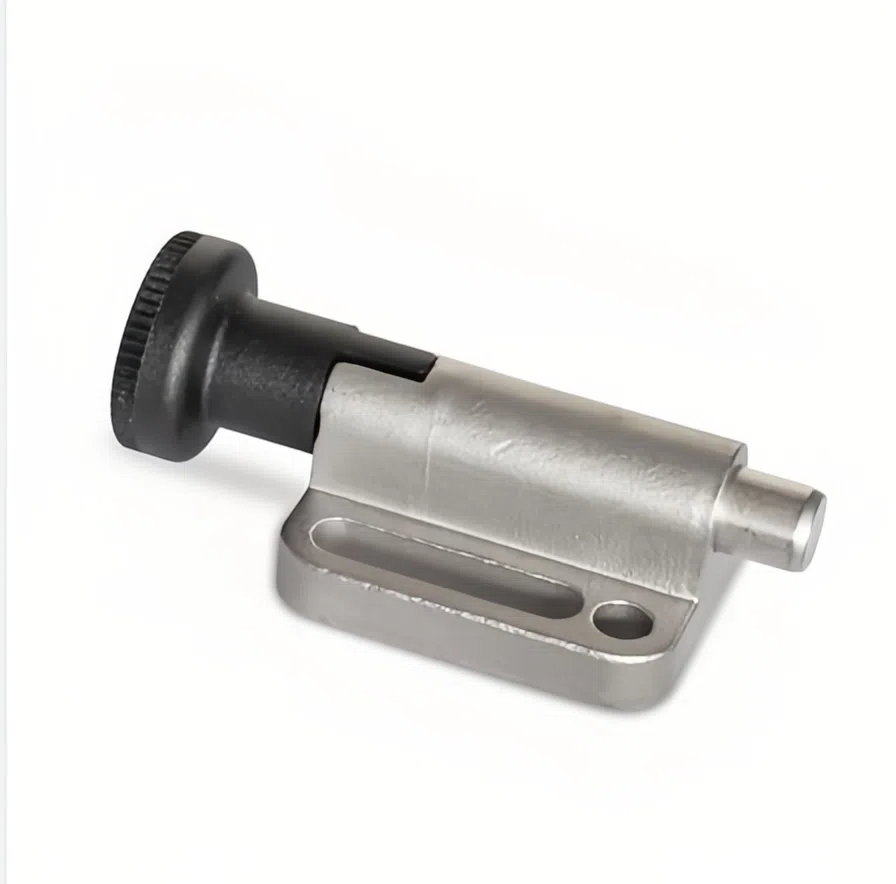
Engineered specifically for rotary positioning applications, indexing plungers undergo special heat treatments to maintain shape under long-term use. Their precise locking action makes them the preferred choice for CNC rotary tables, indexing plates, and other precision equipment.
Now that you know What Are 7 Types of Fasteners, you can better identify the right components for your engineering or manufacturing needs.

3. How to Choose the Right Fasteners
Selecting the right type of fastener requires consideration of multiple factors. Here are several key criteria to guide your decision:
-
Load Requirements
The nature of the load is one of the most critical considerations. For static loads, such as those found in construction frameworks, traditional bolts and nuts are ideal. In contrast, dynamic or vibration-prone environments benefit from fasteners with anti-loosening features, such as our spring plungers or quick release pins with locking functions. -
Environmental Conditions
The surrounding environment greatly impacts fastener selection. In humid or corrosive settings, stainless steel fasteners are highly recommended. For high-temperature applications, special alloy materials may be required. Our product line includes a wide variety of materials to meet diverse environmental challenges. -
Ease of Installation and Maintenance
In modern industrial applications, operational efficiency is paramount. In scenarios that involve frequent assembly and disassembly, our quick release pins significantly reduce downtime. For permanent connections, techniques like riveting or welding may be more suitable. -
Special Functional Requirements
Specific performance needs often dictate the final selection. For instance, applications requiring precise positioning will benefit from ball or indexing plungers, while systems that need shock absorption should consider spring plungers. Our technical team is ready to provide customized recommendations tailored to your use case.
Understanding What Are 7 Types of Fasteners not only helps in recognizing their advantages but also guides optimal selection for performance and cost-effectiveness.
4. Typical Applications of Fasteners
Fasteners are used across nearly every sector of industrial manufacturing:
-
Industrial Machinery
Our quick release pins and indexing plungers are widely deployed in automated production lines. For example, a well-known automotive parts manufacturer reduced mold changeover time by 40% after implementing our quick release pins—significantly improving productivity. Ball plungers also play a key role in precision clamping systems, maintaining accurate alignment throughout production. -
Automotive Manufacturing
The automotive industry demands exceptional reliability from fasteners. From engines to chassis, and from interiors to exteriors, every component requires dedicated fastening solutions. Our spring plungers perform reliably in transmission shift systems, even under prolonged vibration. Meanwhile, our specially treated high-strength bolts ensure secure connections in critical structural areas. -
Electronics Manufacturing
In the electronics sector, precision and reliability are paramount. We’ve developed micro fastening solutions for a leading global electronics brand that met lightweight design goals while passing rigorous durability tests. Our precision screws and positioning plungers help optimize internal structure and performance. -
Furniture and Construction
The safety and longevity of furniture and buildings are closely linked to the fasteners used. We created a concealed fastening system for a high-end furniture brand that improved both structural strength and visual appeal. In steel structures, our high-strength bolt and anti-loosening washer combinations ensure long-term structural integrity.
What Are 7 Types of Fasteners?Discover screws, bolts, nuts, washers, rivets, anchors, and pins—essential for construction, automotive, and DIY projects. Get durable fasteners for any application today!
As a dedicated fastener solution provider, we offer not only premium products but also comprehensive technical support. From product selection to tailored application plans, our engineering team is always ready to assist. Contact us anytime to get expert guidance and high-performance fastening solutions.
What Is A 5 Axis Cnc Machine-Mocayo Cnc Machining Parts
Mocayo Examples of Fasteners
Related Article