What Are Industrial Fasteners
What Are Industrial Fasteners? Understanding the Essentials of Industrial Fastening Solutions
Industrial fasteners are critical components in a wide range of industries, providing the necessary mechanical connection to hold components together securely. They are used in everything from machinery to buildings, vehicles, and electronic devices. Without fasteners, the integrity, safety, and functionality of industrial applications would be compromised. In this article, we’ll explore what industrial fasteners are, their types, applications, and the factors to consider when selecting them.
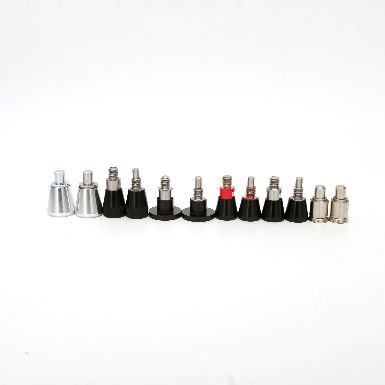
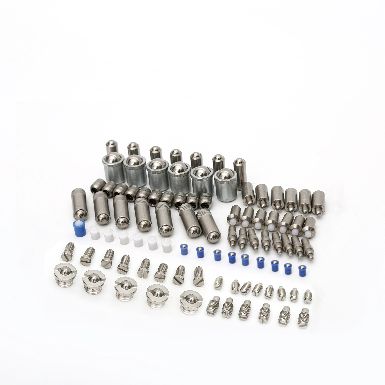
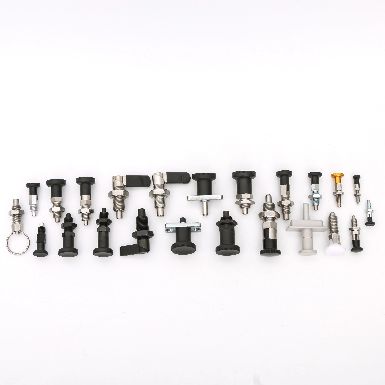
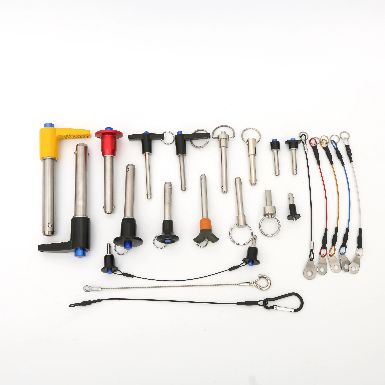
What Are Industrial Fasteners?
An industrial fastener is a device that mechanically joins or affixes two or more parts together. Fasteners are essential to ensure that various components in an assembly stay in place and perform their intended function. These components are often subjected to stresses, vibrations, and environmental conditions, and fasteners ensure that the connection remains stable and secure throughout the product’s lifecycle.
Industrial fasteners come in a variety of designs and materials, tailored to specific applications and conditions. Some fasteners are designed to be permanently fixed, while others are intended for disassembly and reuse.
Types of Industrial Fasteners
Industrial fasteners come in numerous types, each with unique features suited to different applications. Below are the most commonly used types of industrial fasteners:
1. Bolts and Nuts
- Bolts: Bolts are threaded fasteners with a head on one end, and they require a matching nut to secure two or more components together. They are widely used in heavy machinery, construction, and automotive applications.
- Nuts: Nuts are internally threaded components that are paired with bolts to hold components together. They come in various shapes, such as hexagonal, square, and wing nuts, depending on the application.
2. Screws
Screws are similar to bolts but differ in that they usually have a pointed end and are threaded along the entire length of the shaft. They can be used with or without nuts and are commonly used in woodworking, electronics, and construction.
- Types of screws include wood screws, machine screws, and self-tapping screws, each designed for specific materials or purposes.
3. Washers
Washers are thin, flat discs with a hole in the center that are used to distribute the load of a threaded fastener (such as a bolt or screw). They help prevent damage to the surface of the material being fastened and ensure a tight, secure fit.
- Common types of washers include flat washers, lock washers, and spring washers.
4. Rivets
Rivets are permanent fasteners used to join two or more pieces of material together. They consist of a cylindrical shaft that is inserted into a pre-drilled hole and then deformed (or "clinched") to secure the materials.
- Types of rivets include solid, blind, and semi-tubular rivets, each with specific uses in industries such as aerospace, automotive, and construction.
5. Pins
Pins are used to hold two or more components together, typically through a hole or slot. They can be used as a pivot point or as a locking device in machinery.
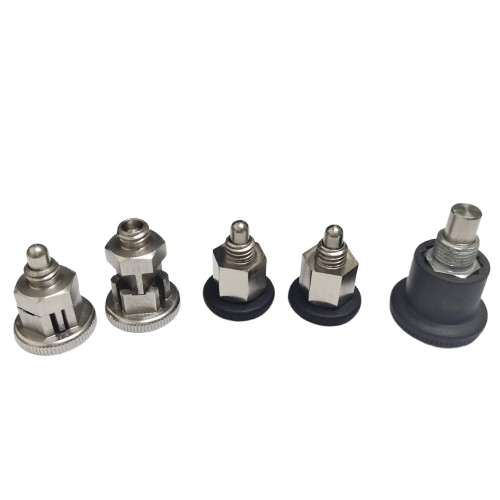
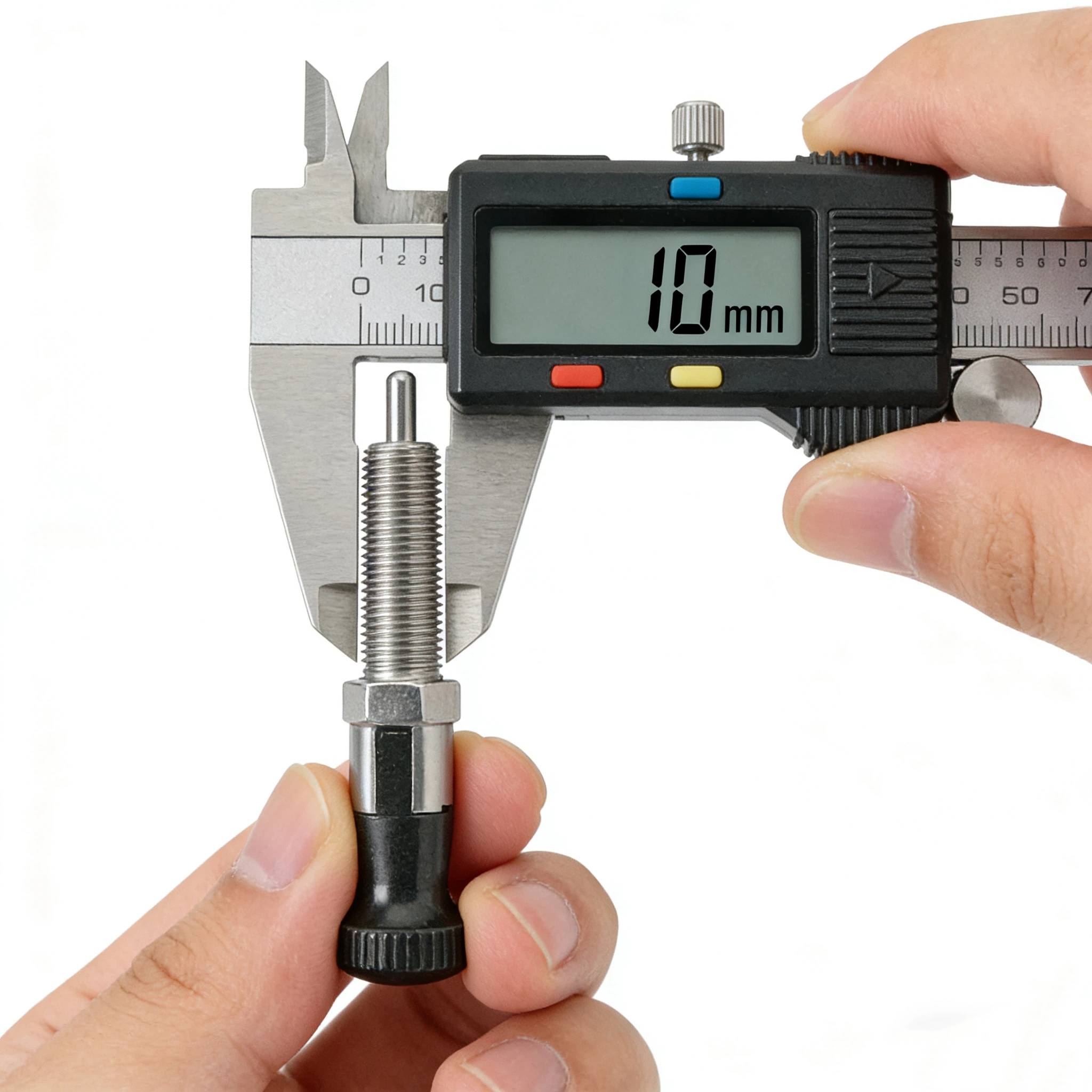
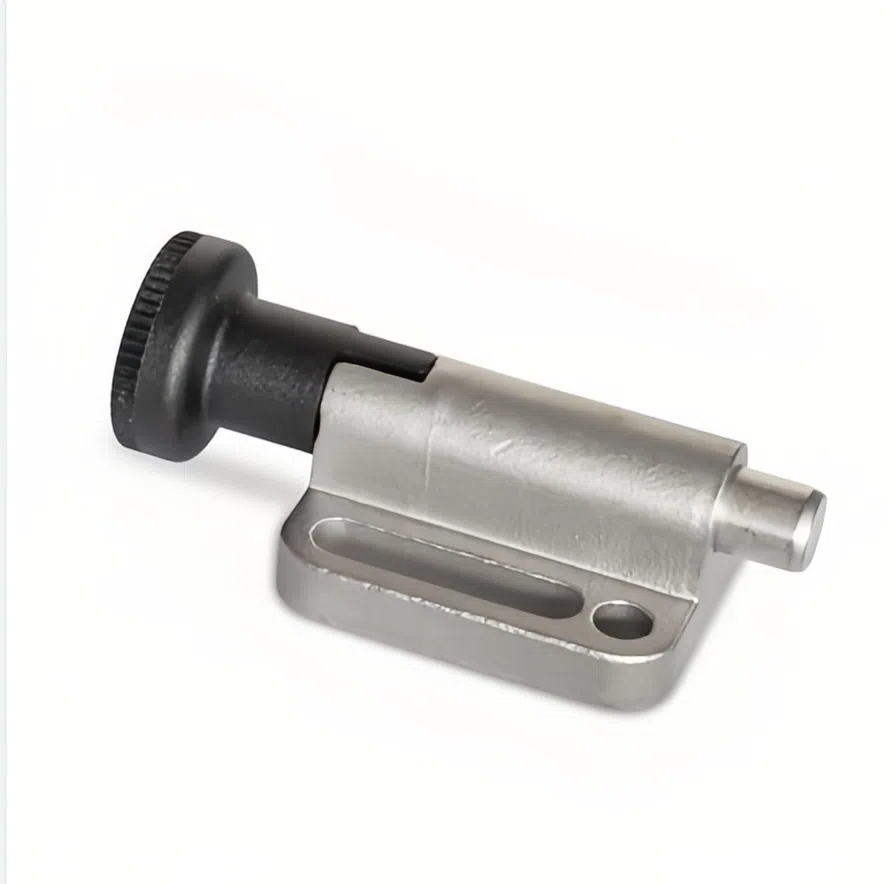
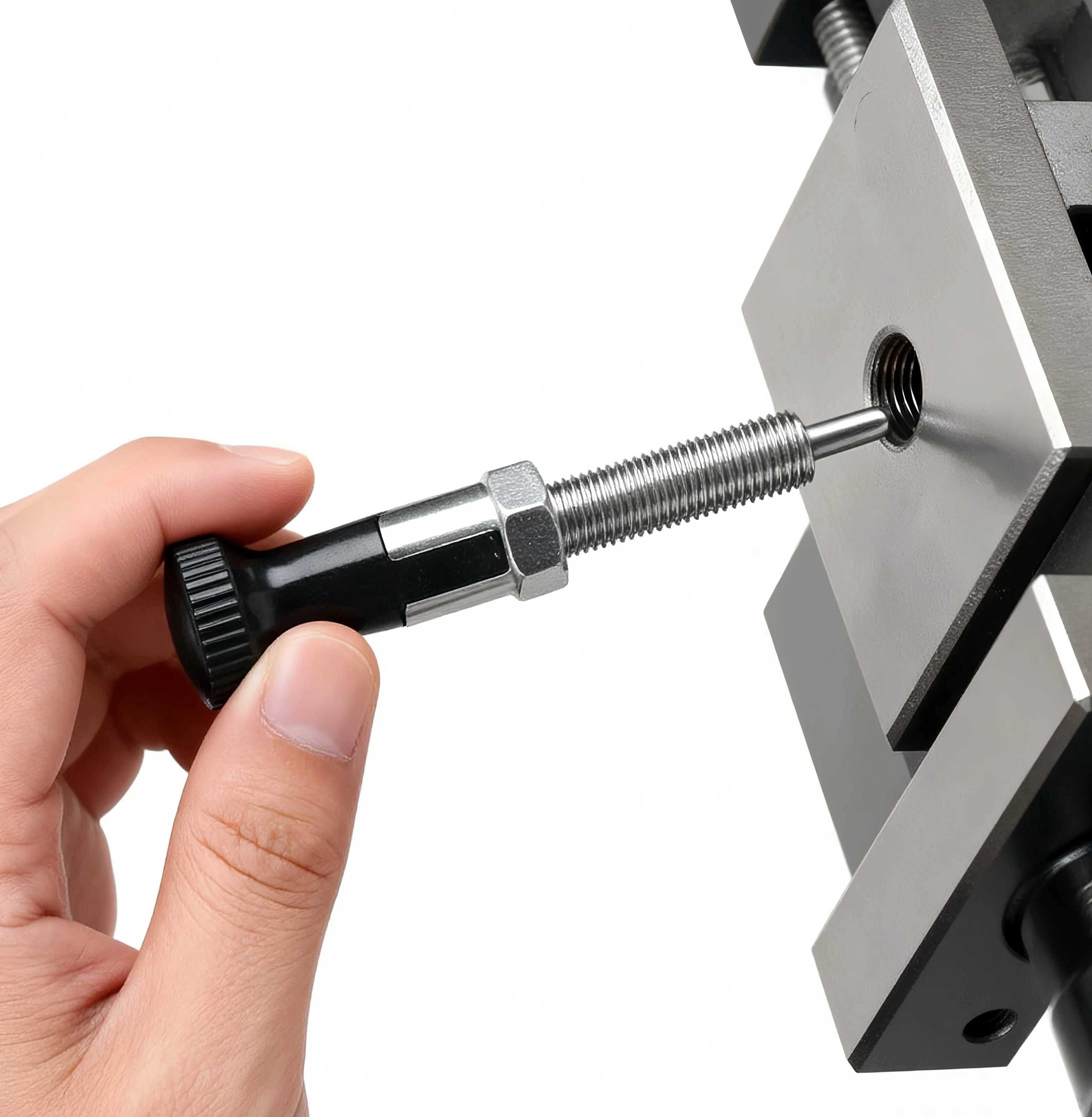
- Common types of pins include cotter pins, dowel pins, and quick-release pins. Quick-release pins, for instance, are often used in applications where easy removal and installation are necessary, such as in machinery or aerospace.
6. Clamps
Clamps are used to hold or secure components in place temporarily or permanently. They are often used in plumbing, electrical work, or during assembly processes to hold parts together before they are fastened with bolts or screws.
- Types of clamps include hose clamps, toggle clamps, and C-clamps.
Materials Used for Industrial Fasteners
The material of an industrial fastener is crucial for determining its strength, durability, and resistance to environmental conditions. Common materials used in the manufacturing of industrial fasteners include:
- Stainless Steel: Known for its corrosion resistance, stainless steel is often used in outdoor or marine environments.
- Carbon Steel: A strong, cost-effective material used in many standard applications, though it may be prone to rust without coating.
- Aluminum: Lightweight and corrosion-resistant, aluminum fasteners are used in applications where weight is a concern, such as in the aerospace industry.
- Brass and Bronze: These materials are often used in electrical and marine applications due to their corrosion resistance and conductivity properties.
Applications of Industrial Fasteners
Industrial fasteners are used in nearly every industry, playing a key role in the assembly of machines, vehicles, buildings, and equipment. Some common areas where fasteners are used include:
1. Automotive Industry
Fasteners are integral to the manufacturing of cars, trucks, and other vehicles. Bolts, nuts, screws, and rivets are used to assemble parts such as engines, chassis, and interior components.
2. Aerospace
In the aerospace industry, fasteners are designed to withstand extreme conditions, including high temperatures, pressures, and vibrations. Specialized fasteners such as locking nuts, rivets, and bolts are used to secure critical components like wings, engines, and fuselages.
3. Construction
Construction projects rely heavily on fasteners to join materials such as wood, steel, and concrete. Nails, screws, bolts, and anchors are used to fasten structural components, doors, windows, and roofing systems.
4. Electronics
In electronics, small screws, washers, and clips are used to assemble devices such as smartphones, computers, and televisions. These fasteners are typically smaller and must be precise to ensure the integrity of delicate components.
5. Manufacturing and Heavy Machinery
Heavy machinery and industrial equipment often use large bolts, nuts, and rivets to secure parts that are subject to high stress and wear. These fasteners are crucial for the safety and efficiency of the equipment.
Factors to Consider When Choosing Industrial Fasteners
When selecting industrial fasteners, it’s important to consider the following factors:
- Strength and Load Requirements: Ensure the fastener can handle the intended load and stress without failing.
- Corrosion Resistance: Choose fasteners made from materials that can withstand exposure to moisture, chemicals, or extreme temperatures.
- Size and Compatibility: Ensure that the fastener size matches the components being joined, and that the type of fastener is suitable for the specific application.
- Ease of Installation and Removal: Consider whether the fastener needs to be easily removed or replaced, and choose accordingly (e.g., using quick-release pins for applications requiring frequent disassembly).
Shop wholesale fasteners and high-quality engineering fasteners for industrial applications. Learn what industrial fasteners are and how they secure machinery, structures, and equipment.
Can Quick Release Pins Be Used in High-Temperature Environments
How to Choose The Right Indexing Plunger
Related Article