What Are Metals
What Are Metals – The Foundation of Industrial Manufacturing
What Are Metals – Unveiling Their Unique Characteristics
What Are Metals? They are the backbone of modern industry, shaping the machines, structures, and systems that define technological advancement. Metals possess three exceptional qualities that set them apart as the preferred material for manufacturing:
-
Excellent electrical and thermal conductivity
-
Impressive ductility and malleability
-
A distinctive metallic luster
These extraordinary traits originate from their crystalline structure, particularly the presence of free electrons, which allow metals to conduct electricity and heat efficiently, be reshaped without breaking, and maintain a durable sheen.

What Are Metals Used For? – The Two Major Families
In industrial applications, metals are typically classified into two categories:
1. Ferrous Metals – The Iron-Based Giants
Comprising steel, cast iron, and various alloys with iron as a base, ferrous metals account for over 90% of global metal usage. Among them, stainless steel stands out for its excellent corrosion resistance, making it the top choice for food processing and medical equipment.
2. Non-Ferrous Metals – The Elite of Lightweight and Specialized Performance
This group includes aluminum, copper, magnesium, and more. Each has unique strengths:
-
Aluminum alloys dominate aerospace manufacturing due to their lightweight nature.
-
Copper leads in the electrical industry thanks to its exceptional conductivity.
-
Magnesium alloys are favored in automotive and electronics for weight reduction.
Mocayo materials engineers emphasize: Selecting the right metal involves balancing strength, hardness, wear resistance, and corrosion protection to match your application precisely.
The Art of Metal Processing – From Raw Materials to Precision Components
Turning raw metal into high-precision industrial components is a sophisticated blend of science and craftsmanship. In today’s mechanical manufacturing landscape, metal part performance directly impacts the overall quality of a final product.
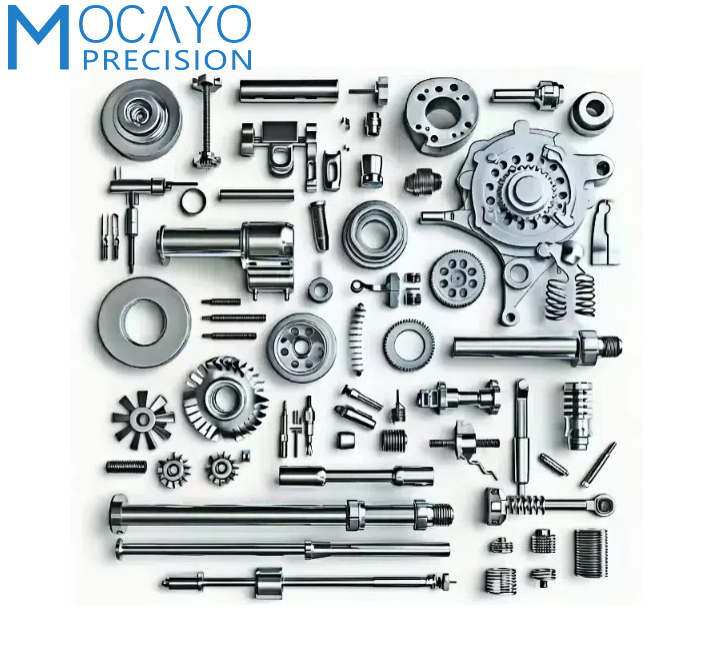
Modern industries demand:
-
Micron-level dimensional accuracy
-
Nano-level surface smoothness
-
Tens of thousands of operational hours
CNC machining has revolutionized this field:
-
Extreme Accuracy: 5-axis CNC machines achieve ±0.005mm precision
-
Increased Productivity: High-speed cutting boosts efficiency by 300%
-
Flexible Manufacturing: Quick changeover supports small-batch customization
For specific conditions, Mocayo engineers recommend:
-
High temperatures → Nickel-based superalloys
-
Corrosive environments → Hastelloy or stainless steel
-
Heavy wear → Tool steel with enhanced heat treatment
-
Lightweight demands → Titanium alloys combining strength and low density
Mocayo CNC Parts – Your Trusted Partner in Precision Engineering
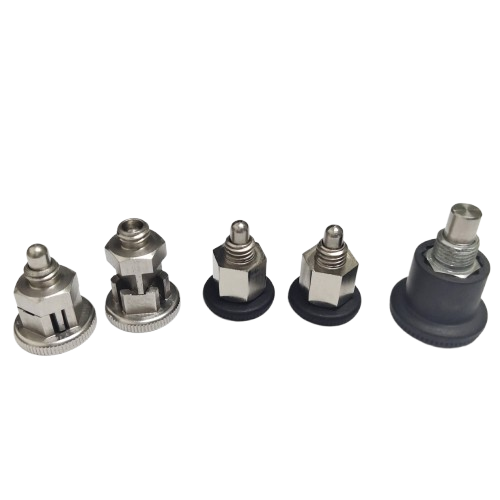
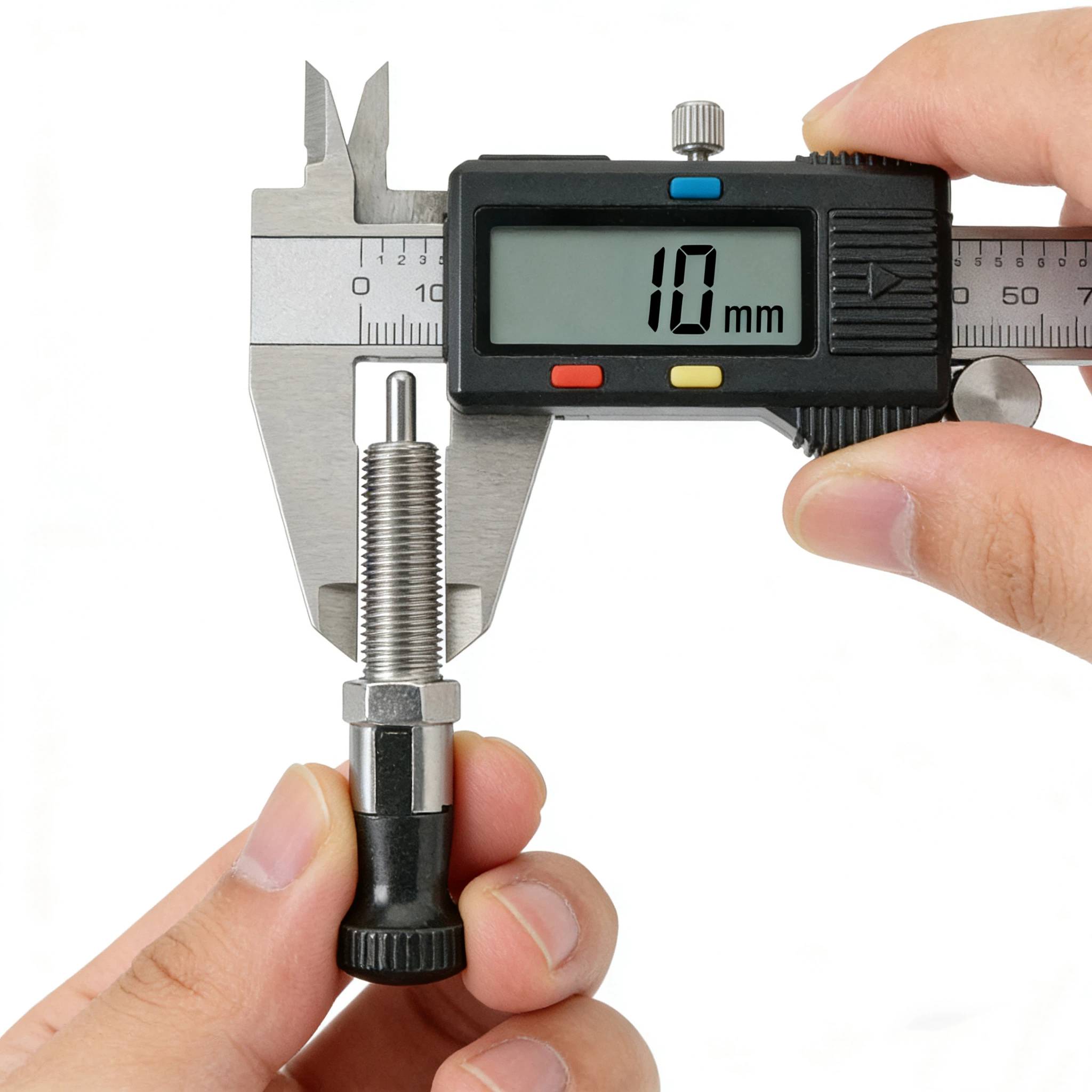
When it comes to manufacturing high-performance components, every micron matters. With over a decade of experience, Mocayo specializes in delivering reliable, precision-machined CNC parts to industries around the world. Study what are metals and how cnc parts benefit from various metal properties in manufacturing.
Our Key Product Categories:
-
Precision Shafts: Straightness within 0.01mm per meter
-
High-Strength Connectors: Made from Grade 12.9 alloy steel
-
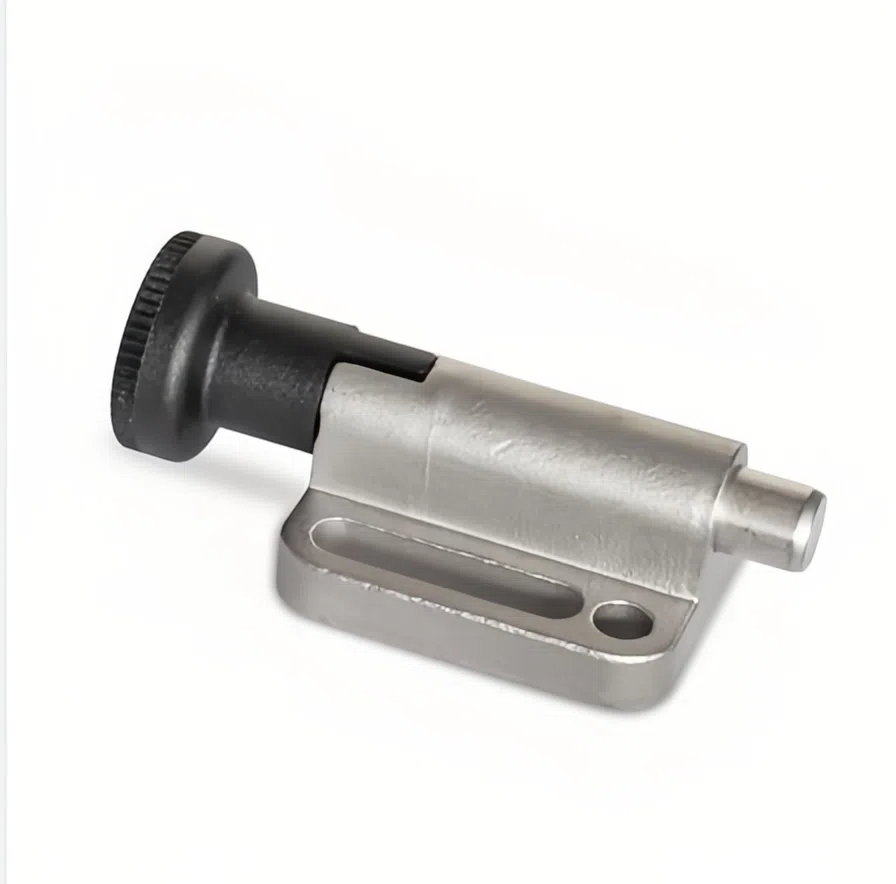
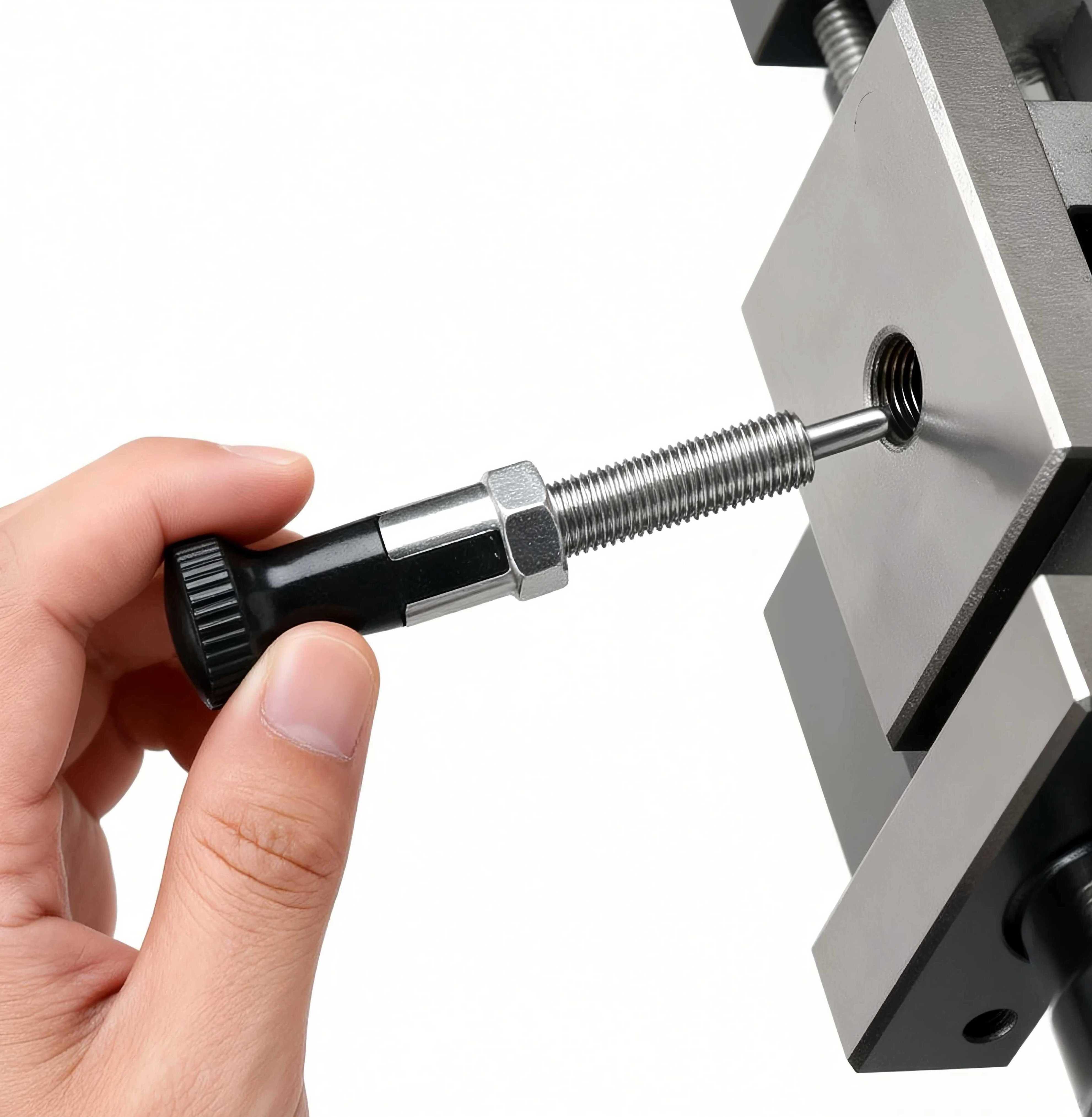
Locating Components: Repeatability up to ±0.005mm
-
Custom-Structured Parts: Fully supported drawing-based customization
Quality You Can Trust:
-
Raw Material Traceability: Sourced from top-tier steel suppliers like Baosteel and POSCO
-
Process Control: ISO 9001 certified quality management system
-
Advanced Inspection: Equipped with CMMs, profilometers, and other high-precision tools
-
Durability Testing: Every batch undergoes rigorous performance testing
Does Carbon Steel Rust-Index Plunger
Magnets Attract What Metals
Related Article