What Does Cnc Machine Mean
What Does CNC Machine Mean?
Introduction to CNC Technology
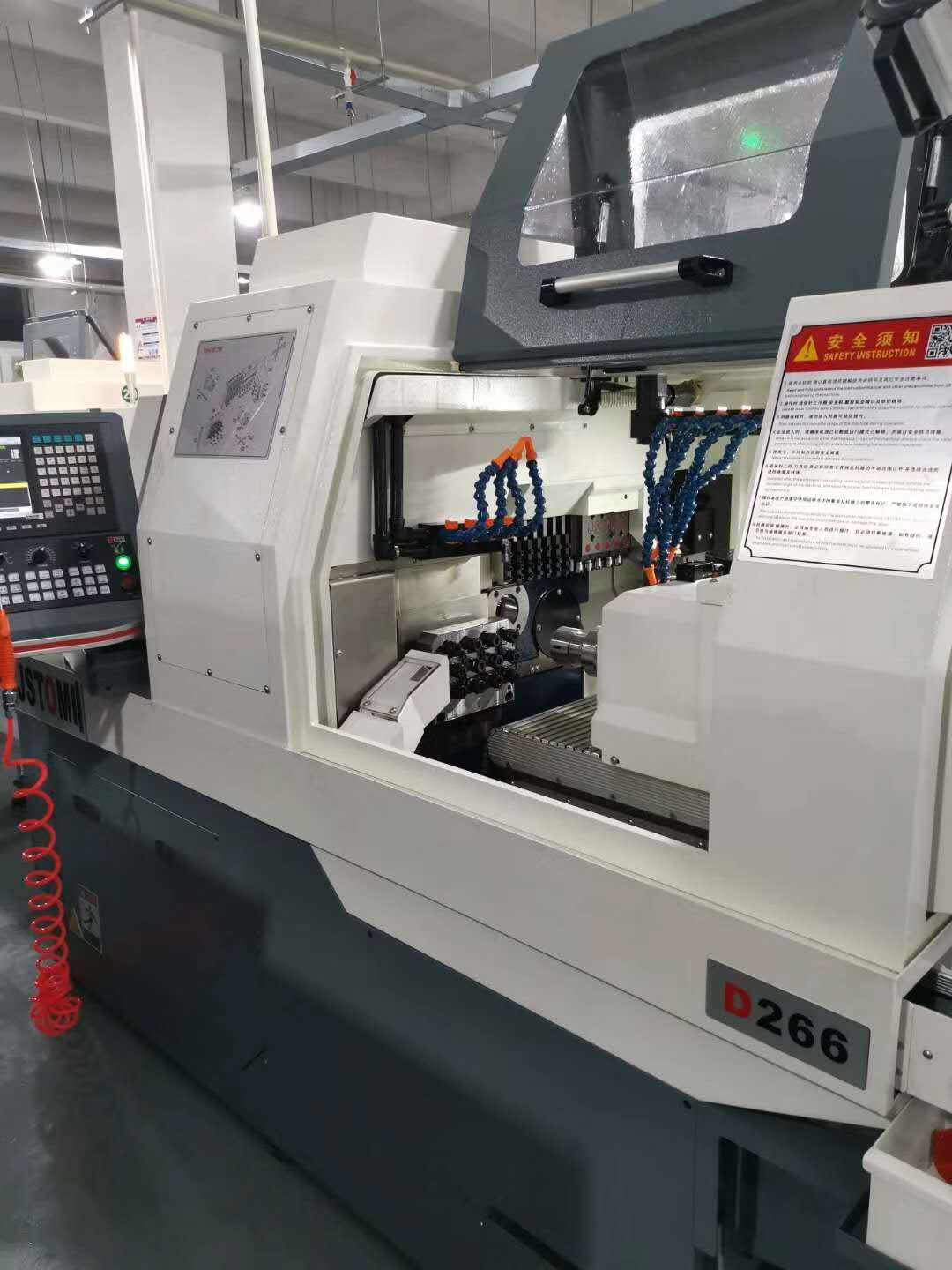
In today’s advanced manufacturing world, CNC machines are the backbone of precision and efficiency. But what does CNC machine mean exactly? CNC stands for Computer Numerical Control, a technology that uses computers to control the movement and operation of machinery tools. The introduction of CNC technology revolutionized the production industry by enabling automated, repeatable, and precise control over tools like lathes, mills, routers, and grinders.

The Meaning Behind CNC
To fully understand what CNC machines are, we need to break down the terminology. “Computer Numerical Control” refers to a system where computer software dictates the behavior of mechanical components. Instead of relying on manual operation or basic automation, CNC uses coded programming instructions to carry out complex machining tasks.
A CNC machine interprets G-code — a language used to instruct the tool path, feed rate, cutting speed, and other parameters. This enables the machine to operate autonomously once the initial programming is done, improving production speed and minimizing human error.
History of CNC Machines
The origin of CNC machines can be traced back to the 1940s and 1950s when early forms of numerical control (NC) were developed. The U.S. Air Force played a key role in promoting NC technology for precise aircraft parts manufacturing. With the rise of computer technology in the 1970s, NC evolved into CNC — combining the power of computers with mechanical automation.
By the 1980s and 1990s, CNC machines became more accessible and user-friendly, transforming small workshops and global factories alike.
Core Components of a CNC Machine
To understand what CNC machines mean in practical terms, it's crucial to explore their key components:
-
Controller Unit: Acts as the brain of the machine, interpreting G-code and directing operations.
-
Drive Motors: Move different machine parts in multiple axes with extreme precision.
-
Feedback System: Uses sensors like encoders to monitor performance and adjust as needed.
-
Spindle: The part that rotates the cutting tool or workpiece.
-
Machine Bed and Frame: Provide a rigid structure to reduce vibrations and maintain accuracy.
-
Tool Changer (Optional): Automatically swaps tools for different operations.
Types of CNC Machines
There are several types of CNC machines, each specialized for different manufacturing tasks:
-
CNC Milling Machines: Use rotary cutters to remove material from a workpiece. Common in metal and mold industries.
-
CNC Lathes: Spin the material while a cutting tool shapes it. Ideal for cylindrical parts.
-
CNC Routers: Similar to milling machines but often used for wood, plastic, and softer metals.
-
CNC Plasma Cutters: Use a plasma torch to cut metal sheets.
-
CNC Laser Cutters: Employ laser beams for high-precision cutting.
-
CNC EDM Machines: Use electrical discharges to erode material in intricate patterns.
How CNC Machines Work
The CNC process begins with designing a part in CAD (Computer-Aided Design) software. The design is then converted into a CAM (Computer-Aided Manufacturing) program, which translates the geometry into tool paths. This CAM file is finally converted into G-code and sent to the CNC machine.
Once loaded, the machine executes the instructions step by step:
-
Positioning the tool or workpiece.
-
Starting the spindle or cutting tool.
-
Following the tool path while adjusting feed rates and speeds.
-
Stopping and changing tools if required.
-
Completing the final shape with precise tolerances.
Advantages of CNC Machines
CNC machines offer a wide range of advantages over manual machining:
-
High Precision: Tolerances up to 0.001 mm.
-
Repeatability: Consistent results across large production runs.
-
Efficiency: Faster production speeds with minimal downtime.
-
Automation: Reduced human error and labor costs.
-
Complexity: Capable of producing intricate geometries not feasible with manual tools.
-
Safety: Operators are less exposed to risks since machines are enclosed and automated.
Common Applications of CNC Machines
CNC machines are used across nearly every manufacturing sector:
-
Aerospace: Precision aircraft parts with tight tolerances.
-
Automotive: Engine components, transmission gears, and more.
-
Medical: Surgical tools and custom prosthetics.
-
Electronics: Circuit boards, connectors, and enclosures.
-
Metalworking: General parts for machinery, tools, and dies.
-
Woodworking: Furniture, cabinetry, and intricate carvings.
Materials Used in CNC Machining
CNC machines can handle a vast range of materials:
-
Metals: Aluminum, steel, stainless steel, brass, copper, titanium.
-
Plastics: ABS, nylon, POM, polycarbonate, acrylic.
-
Composites: Carbon fiber, fiberglass.
-
Wood: Softwood, hardwood, MDF, plywood.
Each material requires specific cutting parameters and tooling, which CNC machines can adapt to automatically.
Challenges of CNC Machining
While CNC offers many benefits, it also comes with challenges:
-
High Initial Cost: Machines and software can be expensive.
-
Skilled Operators Needed: Requires training in G-code, CAD/CAM, and maintenance.
-
Complex Maintenance: Regular servicing and part replacements are essential.
-
Material Waste: Subtractive process leads to scrap material, especially in prototyping.
The Role of CNC in Industry 4.0
With the advent of Industry 4.0, CNC machines are becoming smarter. Modern systems integrate with IoT (Internet of Things), allowing real-time monitoring, predictive maintenance, and cloud-based control. CNC machines are also increasingly paired with robotics for automated loading/unloading, further enhancing productivity.
AI and machine learning are now being introduced to optimize tool paths and reduce cycle times, making CNC machining more efficient than ever.
CNC vs 3D Printing
It’s worth noting the growing comparison between CNC and 3D printing. While 3D printing is additive (building up layers), CNC is subtractive (cutting away material). CNC is preferred for strong, load-bearing parts with high dimensional accuracy, while 3D printing shines in rapid prototyping and complex internal geometries.
Future Trends in CNC Machining
CNC technology continues to evolve with these trends:
-
Multi-Axis Machines: 5-axis and 7-axis machines offer unparalleled flexibility.
-
Hybrid Machines: Combine CNC machining with additive manufacturing.
-
Smarter Software: AI-driven CAM programs optimize designs automatically.
-
Eco-Friendly Machining: Focus on sustainable materials and energy-efficient processes.
What does CNC machine mean? Learn about this precise and automated tool for manufacturing custom parts in industrial, automotive, and machinery applications. Discover how CNC technology enhances production and quality.
So, what does a CNC machine mean? It’s more than just an automated tool — it’s a critical component of modern manufacturing, enabling innovation across industries. CNC technology continues to redefine precision, efficiency, and scalability, making it a cornerstone of industrial progress.
As we move toward smarter factories and digital manufacturing, the role of CNC machines will only grow more significant. Whether you’re an engineer, manufacturer, or hobbyist, understanding the meaning and capabilities of CNC machines is essential in today’s high-tech world.
How To Clean Rust Off Stainless Steel
Will Stainless Steel 304 Rust
Related Article